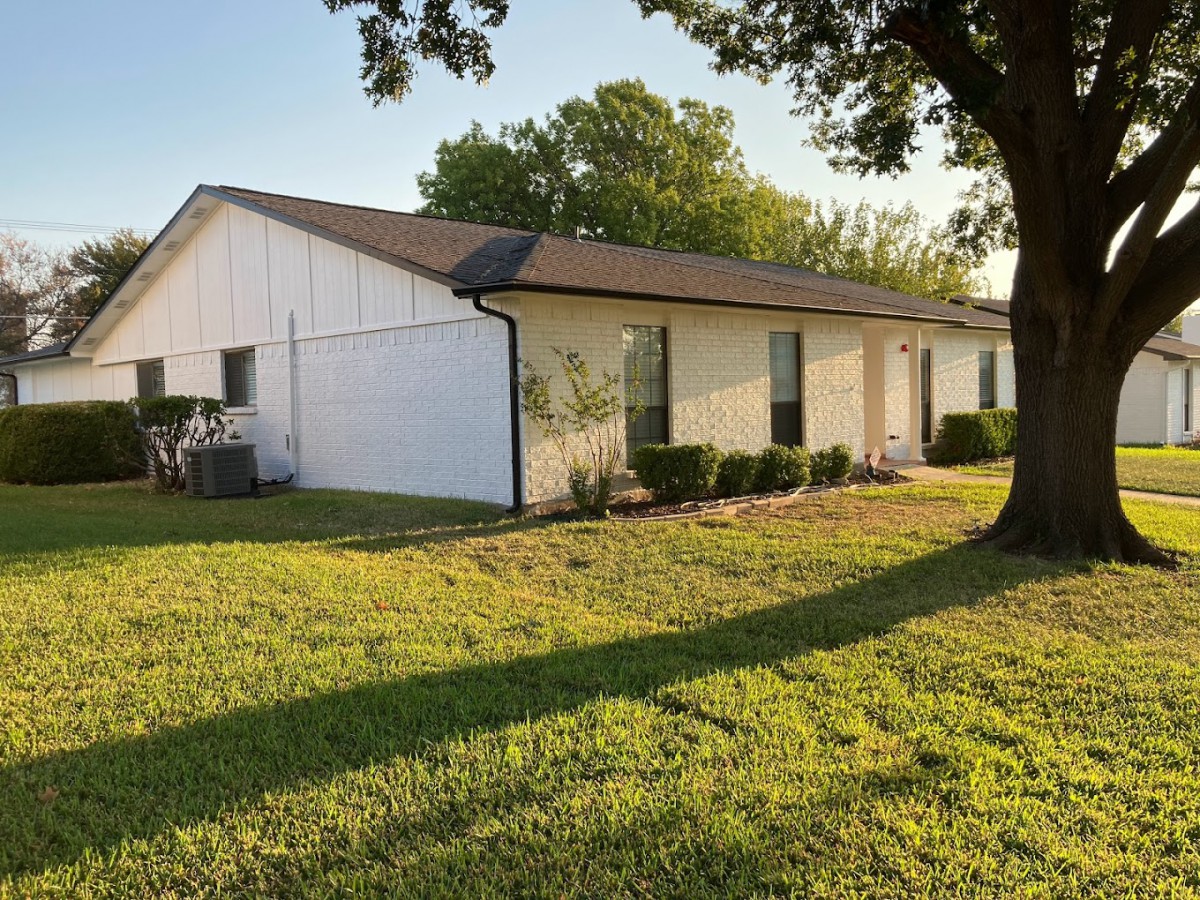
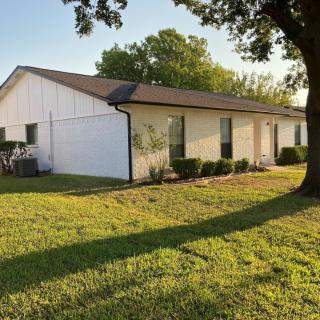
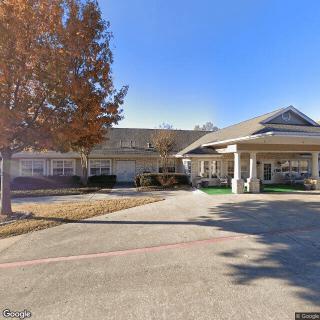
1117 Bass Drive., Plano, TX 75025
For more information about senior living options: (866) 208-4318
Overall Review of Alma Residential Care
Pros
 The staff at Alma Residential Care are wonderful and provide attentive, personalized care.
- Carla and her team consistently go above and beyond to support residents and their families.
- Residents receive individualized attention, consistent care, good nutrition, and a clean, comfortable environment.
- The facility feels like a family environment with direct communication and genuine concern for residents.
- The owner personally attends to residents and coordinates with families, hospitals, hospice, and doctors to meet needs.
- Alma Residential Care has strong safety and infection-control practices, including proactive COVID-19 precautions.
- Families report that their loved ones thrive and feel cared for, thanks to the staff’s patience, kindness, and attentiveness.
Cons
 Mom did not receive the most basic attention when she needed it at Pointe On The Lake and Monticello West, due to the staff-to-resident ratio.
- The reviewer believes a corporate-run, multi-state retirement home cannot provide the same level of individual care and attention because of staff-to-resident ratios.
- The large retirement home took two weeks to get Mom a hospital bed and a wheelchair to prevent falls, and she had to pay out-of-pocket for 24-hour personal assistance on top of high monthly fees.
Review
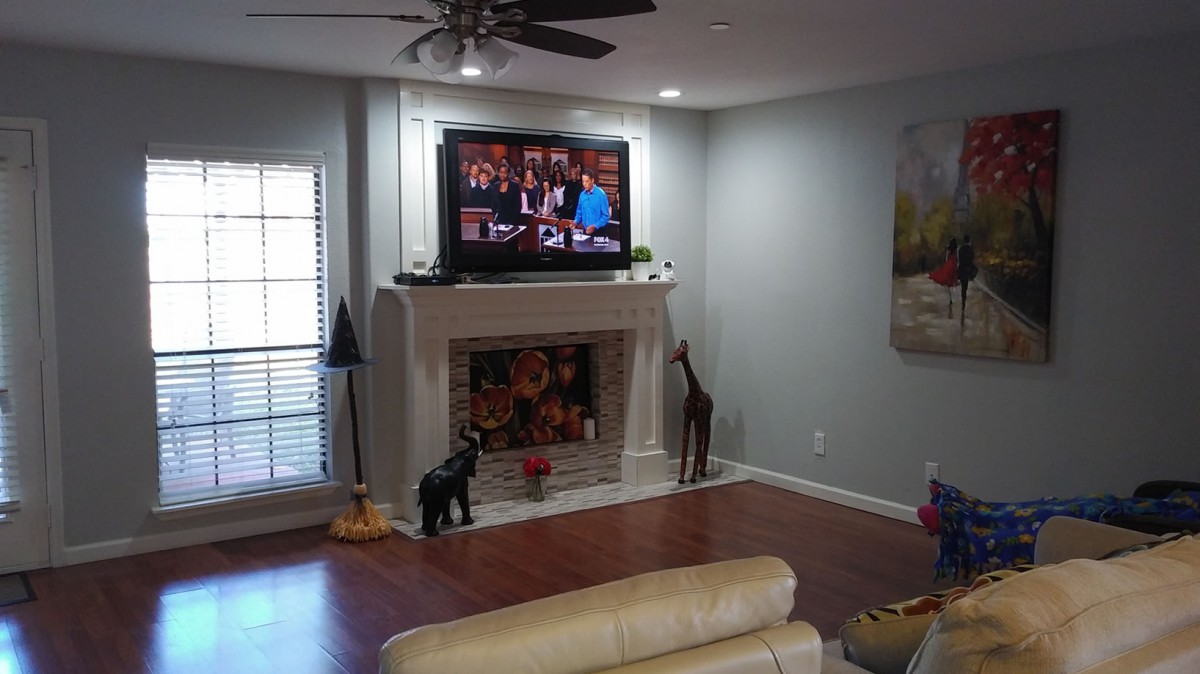
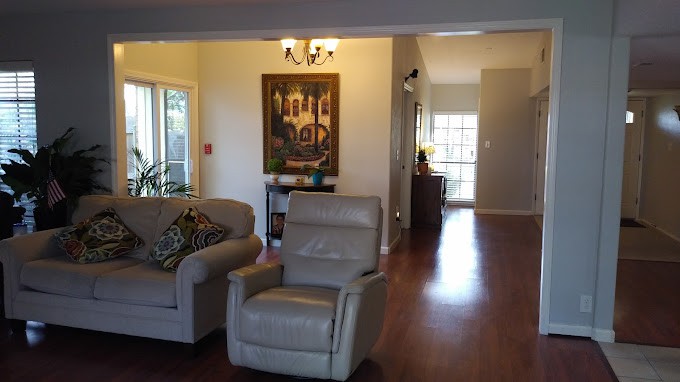
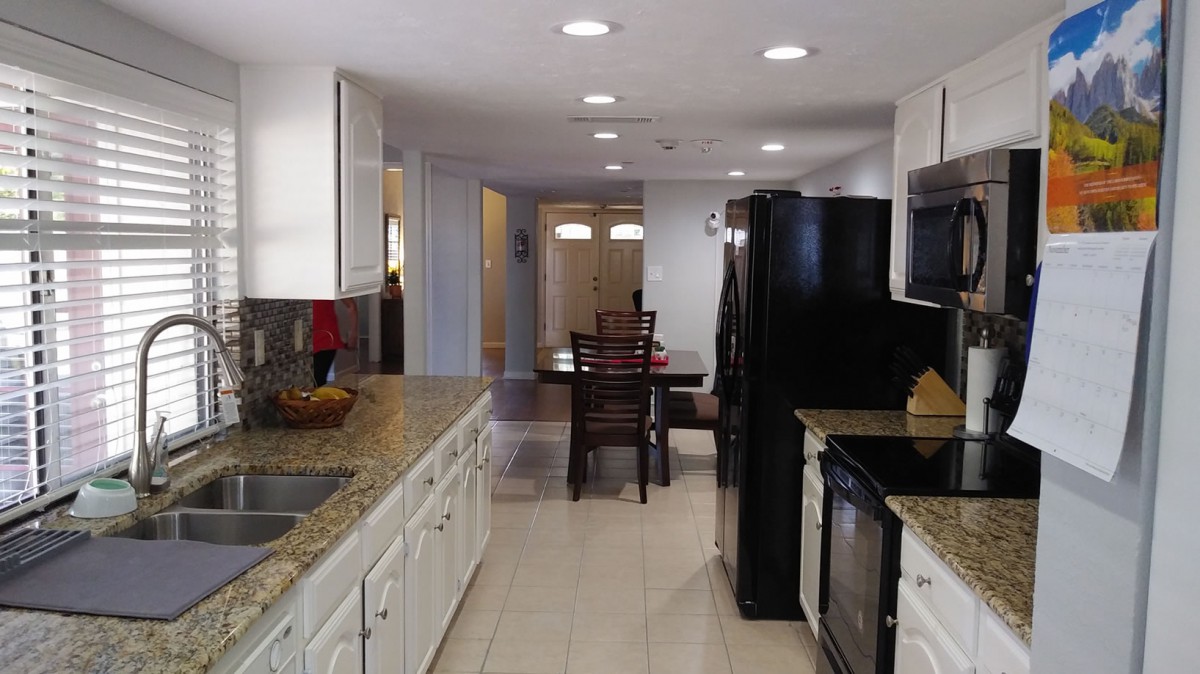
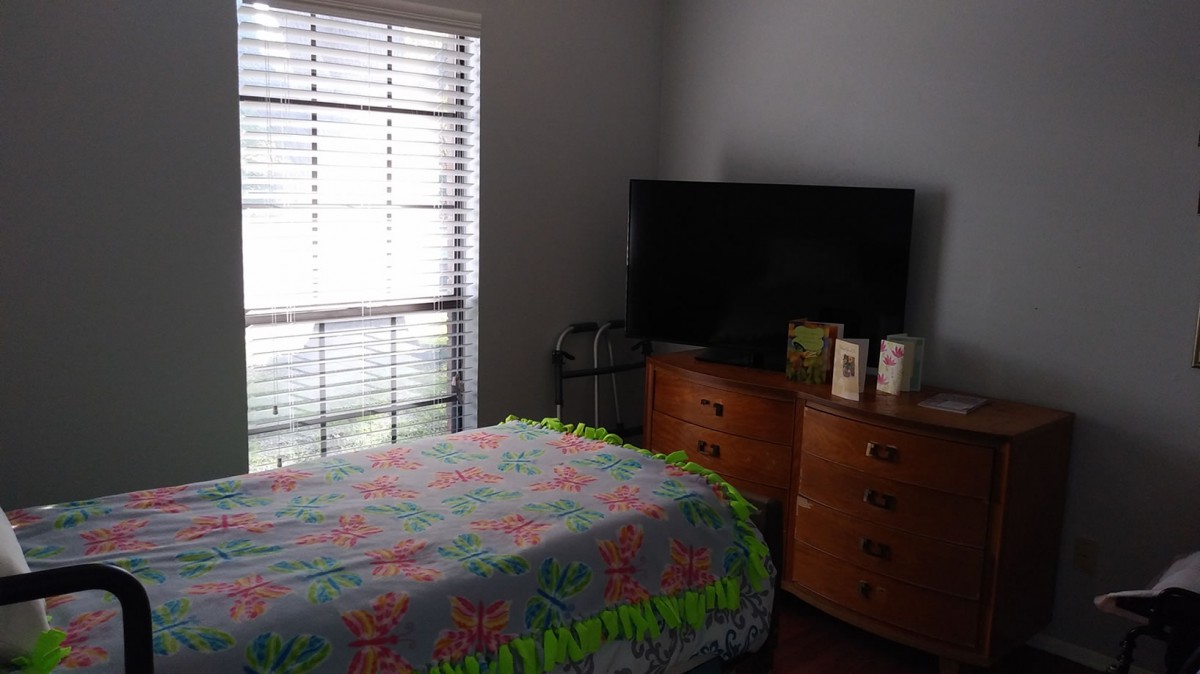
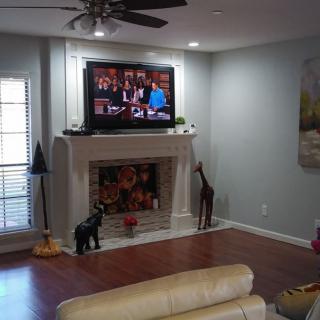
Alma Residential Care in Plano, Texas is best suited for families seeking a small, hands-on, home-like setting where a dedicated owner-operator pair and long-tenured staff deliver intensely individualized attention. This community thrives for seniors who need help with daily routines, consistent meals, and real-time communication with caregivers, all within a tightly knit environment that feels more like family than facility. The stories here emphasize direct, open contact with the team and a care approach that treats residents as people first, with staff who know histories, preferences, and triggers. For families prioritizing warmth, accessibility, and proactive involvement in care decisions, Alma stands out as a compelling match.
Those who may want to consider alternatives are families facing higher levels of medical acuity or who require the resources of larger campuses. If a loved one needs extensive on-site medical staff, specialized memory-care programming, or a broad menu of therapies and activities spread across a sizable campus, a bigger community could deliver more breadth. Similarly, families seeking a facility with formal, hospital-like infrastructure or a wide network of external specialists may find a larger operation more aligned with those needs. Alma’s intimate scale is a strength, but it naturally comes with trade-offs for certain medical or rehabilitative expectations.
The strongest positives here, an intensely personal approach, consistent staffing, and transparent family communication, offset potential drawbacks with remarkable effectiveness. The owner, Carla, is described as a hands-on nurse who engages directly with residents and their families, ensuring care plans stay aligned with doctor visits, hospice coordination, and hospital communication. The staff’s longevity matters: caregivers who stay long enough to know residents’ routines, preferences, and nonverbal cues translate into steadier daily care, fewer miscommunications, and quicker responsiveness when needs shift. Cleanliness, nutritious meals, and a homey atmosphere further amplify the sense of security and dignity residents experience.
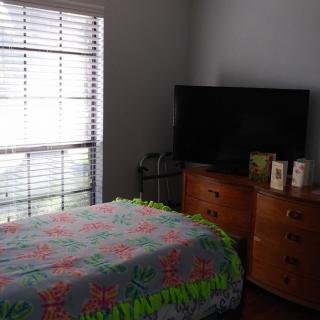
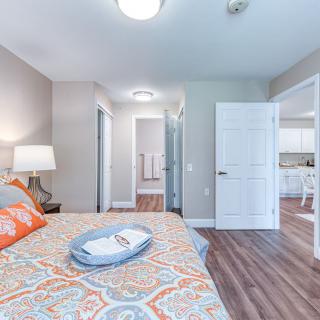
Safety and attentiveness show up prominently as well. Observers note proactive measures such as close monitoring, personalized adjustments to rooms, and thoughtful touches, like meals tailored to individual tastes and routines, that reinforce comfort and well-being. The facility often feels like a five-star home rather than a clinical setting, with families reporting openness to discuss concerns at any time and updates delivered promptly. This level of granular attention, paired with consistent, compassionate care, creates a protective cushion for families navigating complex caregiving dynamics, particularly when dementia, Parkinson’s, or end-of-life considerations are in play.
Nevertheless, the intimacy of Alma Residential Care may shape what is available beyond core caregiving. For some families, the smaller operation translates to fewer on-site amenities, a more limited schedule of structured activities, and less on-site medical reinforcement than a larger community could offer. The benefit is a calm, familiar rhythm and rapid access to leaders who know when a resident needs extra warmth or a firm safety nudge; the potential downside is a dependability on families to coordinate specialist visits or coordinate more advanced therapies that a bigger campus would host. In practice, this trade-off is mitigated by the staff’s attentiveness and Carla’s willingness to liaison with hospitals, doctors, and hospice services, yet it remains a factor for planning rounds of care.
In the end, Alma Residential Care is a rare fit for families prioritizing deep personalization, trust, and a nurturing, family-style atmosphere. It is ideally suited for seniors who benefit from steady routines, attentive daily care, and a team that treats residents as members of a close-knit family. Those seeking expansive medical resources, broad social programming, or highly specialized memory-care environments may want to explore larger, more resource-rich options. A visit to Alma, conversations with Carla, and direct observation of how staff interact with residents will reveal whether the intimate, hands-on model aligns with the loved one’s needs. For many families, the answer will be a confident yes, anchored in peace of mind and tangible, compassionate care.
 5 resident community capacity
 Assisted Living
 Cable or satellite TV
 Dining room
 Fully furnished
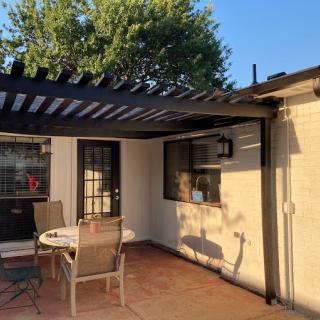
 Garden
 Housekeeping services
 Move-in coordination
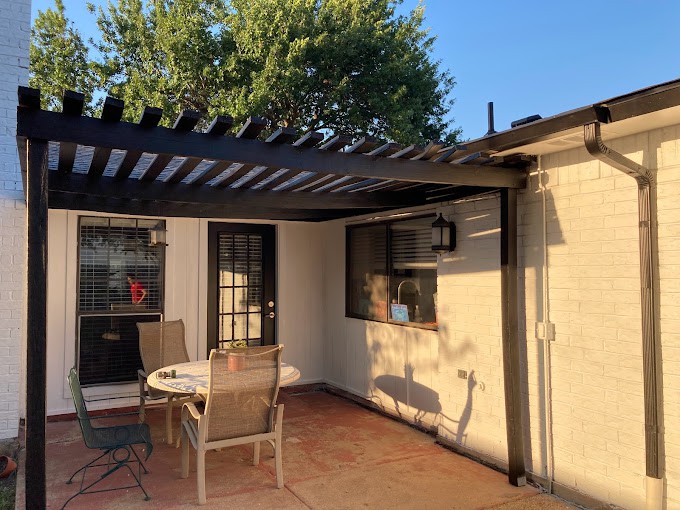
 Outdoor space
 Respite or short term stays offered
 Telephone
 Wi-Fi/high-speed internet available
 Dallas Love (18 miles away)
 24-hour supervision
 Activities of daily living assistance
 Assistance with bathing
 Assistance with dressing
 Assistance with transfers
 Diabetes diet
 Meal preparation and service
 Medication management
 Special dietary restrictions
 Transportation arrangement (medical)
 Transportation to doctors appointments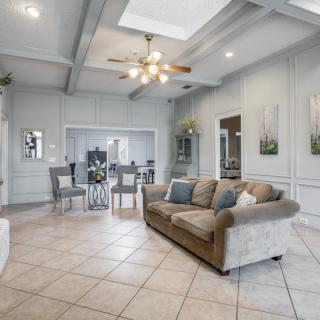


 Is Assisted Living Deductible on Your Taxes? Understanding the Complexities of Assisted Living Expenses and Deductions
 Assisted Living Support for Veterans: A Complete and Detailed Overview
 Exploring the Contrasts Between Assisted Living and Skilled Nursing