
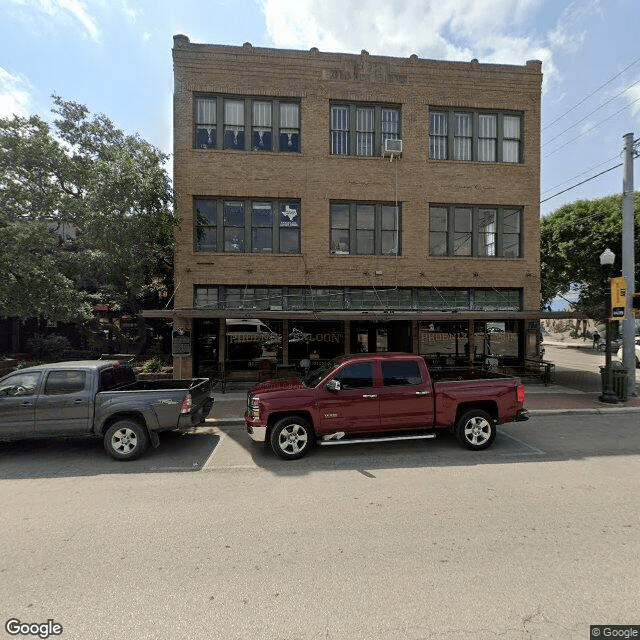
193 ½ W. San Antonio Suite 216, New Braunfels, TX 78130
To contact a resident: (830) 624-1044
For more information about senior living options: (866) 208-4318
Overall Review of AlzCare Corporate Office
Pros
 The chapter is doing God's work by starting an early onset Alzheimer's support group.
- The first meeting was good.
- The new support group will be a Godsend and much-needed support for those affected.
- Gratitude is expressed for the support.
Cons
 None detected in the provided review.
Review
This community is best suited for families navigating early-onset Alzheimer’s who prioritize concrete, hands-on access to dementia-specific programming and peer support. The standout signal from the available information is a commitment to creating and expanding support networks for younger families facing the disease. The recent launch of an early onset Alzheimer’s support group, described by participants as a “God send,” demonstrates a deliberate focus on community-building and resource sharing rather than relying solely on traditional care offerings. For families who value practical connections with others walking the same road, this location offers a promising focal point for ongoing assistance.
Those who may want to consider alternatives are caregivers seeking a more conventional, hospital-like cadence of care within a long-established facility. The reviews at hand spotlight a developing program around support groups rather than a comprehensive, well-documented suite of on-site care services. There is no detailed portrayal of staffing levels, daily care routines, medical oversight, or the full range of memory-care amenities. In short, the data paint a picture of responsive programming and community engagement, but they do not confirm how a resident’s day-to-day needs would be managed in a traditional memory-care setting. For families needing a proven, full-spectrum care environment, comparison shopping remains important.
The primary pros center on the organization’s readiness to address a specific, high-impact need: early-onset dementia support and the sense of belonging that comes from a structured group. The introduction of a dedicated support channel signals organizational maturity in memory-care stewardship and a willingness to invest in forms of care that extend beyond activities and housing. When families weigh this against the absence of broader care disclosures, the value of the program appears to be the most reliable predictor of tangible benefit. The positive tone of the existing feedback, framed as meaningful, timely intervention, reinforces that these resources may reduce isolation and anxiety for younger patients and their caregivers.
The main cons derive from the sparse detail available about overall care quality. Lacking are specifics on resident-centered services beyond the new group offering, including how caregiving is delivered, what medical or medication-management supports exist, and what daily life looks like inside the living spaces. The absence of transparent information on costs, contract terms, and long-term care pathways means risk remains in uncertainties about whether this community can meet broader or evolving needs. In a decision context, these gaps matter because early-onset support is crucial, but steady, reliable care infrastructure is equally essential for sustained peace of mind.
Still, the pros can meaningfully offset the limitations if the family’s priorities align with the program’s strengths. A well-organized, growing support ecosystem reduces emotional burden and helps families mobilize resources quickly when new needs arise. The consistency implied by a 5-star rating across four reviews reinforces confidence that the organization delivers on its promises in the realm it emphasizes: dementia-specific programming and community-driven support. In other words, for families who value proactive programming and peer connection as core elements of care, this community’s approach offers a compelling, low-friction path to engagement.
The practical takeaway is clear. When evaluating options, inquire about how far the support network extends, its frequency, leadership, and whether similar groups exist for other stages of dementia. Seek specifics on on-site care capabilities: staffing levels, care planning, daily schedules, activity offerings, and the range of memory-care services. Ask for transparent cost information and contract terms, and request opportunities to speak with current residents or families about lived experience. If the priority is a robust, evolving support framework for early-onset Alzheimer’s combined with accessible community resources, this location stands out as a focused, credible option; if broader, established, in-facility care is non-negotiable, the search should continue elsewhere with clear comparisons in hand.
 San Antonio International (24 miles away)




 6 Crucial Ways an Elder Law Attorney Assists Families
 Navigating the Tax Landscape of Caregiving: Credits, Deductions, and Beyond
 Highly Beneficial Low-Impact Exercises for Senior Living Residents