

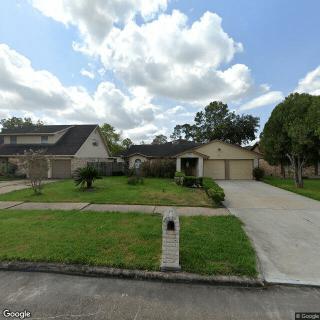
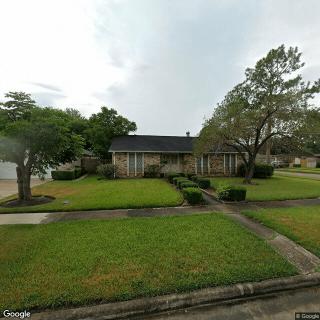
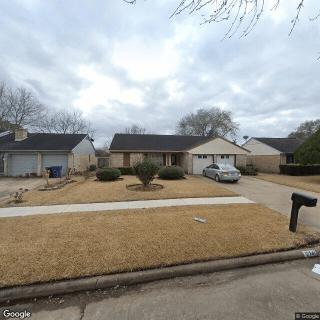
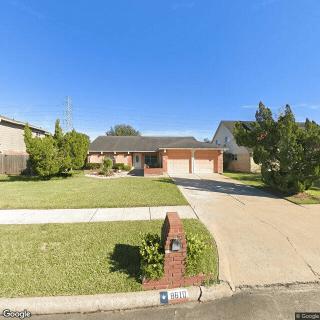
15903 willbiar lane, Missouri City, TX 77489
To contact a resident: (281) 901-8279
For more information about senior living options: (866) 208-4318
Overall Review of Loving Arms Senior Assist
Pros
 Loving Arms Senior Assistance, LLC provides loving, personal care and attention to patients.
- The care home is described as lovely and clean, with patients cared for with loving arms.
- Jasmine, Larry, and Spencer are described as special people in a healthcare setting.
- The Loving Arms agency is top notch and reliable.
- They help clients stay in their homes, avoiding nursing home placement.
- They treat clients like family and are always available when needed.
- Tamara is wonderful, attentive, and comforting to clients.
- They provide exceptional support during medical events, including early transportation, emotional support, safe driving, and assistance returning home.
Cons
 The reviewer states they never experienced the loving, personal care and attention from Opal (owner) and her team.
Review
Loving Arms Senior Assist is best suited for families seeking a deeply personal, home-based care option that prioritizes warmth, familiarity, and highly individualized attention. The model here centers on a small, caregiver-led operation guided by Opal, the owner, and supported by a closely connected team. Reviewers repeatedly describe a home environment that feels clean, welcoming, and gently dignified, where care is delivered with tenderness rather than rigidity. Clients thrive under attentive, readily available support, and the care team is repeatedly cited as trustworthy, compassionate, and relational, treating clients in ways that resemble family. For families who want a soft transition to assisted living, with the comfort of staying in a familiar setting and the assurance of a committed, small-team approach, this community stands out.
Those who may want to consider alternatives are families whose loved one requires round-the-clock medical nursing, highly structured programming, or campus-style amenities with built-in therapies. In-home, caregiver-led models excel at personal connection and flexibility but can be less equipped to handle heavy medical complexity or a need for scalable staffing on short notice. If safety monitoring, consistent 24/7 skilled oversight, or a dedicated memory-care environment with specialized programming is non-negotiable, a traditional assisted living or skilled nursing facility may deliver more predictability and resources at a larger scale.
The strongest pros are palpable and concrete. The team delivers care in the most loving, gentle, and empathetic manner, with Opal at the helm ensuring that each caregiver aligns with a high standard of personal respect and attentiveness. Staff members such as Jasmine, Larry, Spencer, and Tamara are repeatedly described as exceptional, reliable, reachable, and genuinely invested in the well-being of their clients. The ability to keep loved ones in their own apartment or a homelike setting, while still receiving high-touch assistance, helps preserve independence, dignity, and emotional security. Several testimonials highlight measurable outcomes: a client thriving after trauma or illness, care that enables continued residence in a familiar environment, and emotional support during difficult moments.
How these strengths offset potential drawbacks is where Loving Arms earns practical credibility. The essence lies in the daily lived experience: a home-like atmosphere, consistent presence, and a culture of family-centered care reduce the stress and disruption often associated with transitions to higher levels of care. Clients described as “treated like family” and as having “love wrapped around” them point to a core advantage, care that feels personal and steady, not clinical or impersonal. For families balancing caregiver burnout and a desire to keep a loved one at home, this model delivers a meaningful offset to the need for institutional intensity, with a depth of relationship that often translates into better day-to-day quality of life.
Yet, there are prudent caveats. The strength of a small, home-based team is also its potential constraint: care capacity and scheduling depend on a tight-knit cadre of caregivers, which may complicate coverage during peak illness or planned time off. This is not presented as a flaw, but as a practical consideration for families with rapidly escalating medical needs or who anticipate requiring more than what a single, intimate team can reliably provide. The model also hinges on alignment with the loved one’s preferences for intimacy, routine, and the specific living arrangement the team can sustain over time. Prospective clients should verify how the care plan scales if medical complexity increases and ensure contingency plans are explicit.
In making a decision, families should prioritize a candid assessment of medical requirements, desired pace of life, and the preferred living arrangement. Loving Arms Senior Assist delivers an extraordinary level of personal care, evident staff loyalty, and a comforting, family-like atmosphere that can meaningfully extend independence and resident happiness. It is recommended for those who value heartfelt connection, flexible in-home support, and a small-team dynamic that treats care recipients with reverent, individualized attention. For those who need extensive medical nursing, robust campus amenities, or formal memory-care programming, alternatives deserve serious consideration, with a clear, practical plan for transition if those needs emerge.
 William P X (13 miles away)


 A Detailed Examination of Nursing Home Costs Across the U.S.
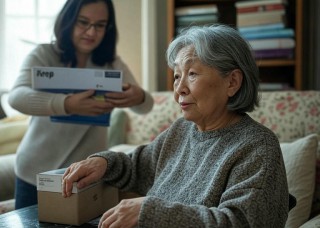 Exploring Nonmedical Home Care: Understanding Services, Costs, and Financial Approaches
 Engaging Brain Games and Innovative Apps to Keep Senior Minds Active