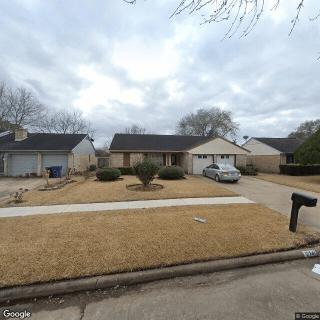
Josephines Home Care

7510 Dawnbriar Ct, Missouri City, TX 77489

For more information about senior living options: (844) 490-3973

3.2 from 9 reviews
5 stars
5
4 stars
0
3 stars
0
2 stars
0
1 stars
4

Assisted Living Board and Care Home

What level of care are you interested in?

Assisted Living

Memory Care

Independent Living

Skilled Nursing Facility

Continuing Care Retirement Community (CCRC)CCRC

Other


Request a tour at Josephines Home Care

    Overall Review of Josephines Home Care

    Pros

    • pro The company is one of the best home health agencies the reviewer has worked with.
    • pro They are very professional and nice, especially the intake lady Mary Rose.
    • pro The nursing and therapy services are excellent.
    • pro The reviewer highly recommends the company.

    Cons

    • pro The reviews describe the place as messy and rude, with staff displaying bias after learning the patient was talking to a Black woman.
    • pro The company is characterized as unprofessional, with slow, gatekeeping processes and therapy authorizations repeatedly delayed by Mary Rose, forcing multiple calls and insurer involvement.
    • pro Staff are said to be rude and to talk over patients, with frequent complaints about loud, dismissive behavior.
    • pro A nurse visit was described as unprepared for a wound dressing, causing trauma and bleeding, and there were delays in scheduling and arriving for treatments.
    • pro On a second day, the nurse did not arrive by 10:00 am, and the office interaction with Margaret was argumentative, loud, and offered no apology.
    • pro Margaret's conduct during phone conversations was described as unprofessional and disrespectful.
    • pro Overall, the reviews indicate the reviewer would not recommend this agency and would choose other providers.

    Review

    Overall, the collection of experiences paints a picture of a home health agency that can deliver strong clinical care in some cases, but also suffers from persistent organizational and interpersonal issues in others. Several reviewers describe the agency as professional, capable, and highly recommended, while others recount repeated problems with communication, scheduling, and staff conduct. The stories cluster around a few recurring themes: praise for skilled nursing and therapy when things go smoothly, and frustration with delays, unpreparedness, and confrontational interactions that undermine the care experience.

    On the positive side, one reviewer calls this agency "one of the best home health agencies I have worked with." After trying two other agencies, they were recommended to this one by the hospital and their insurer. They specifically praise the nursing and therapy services as professional and effective, noting that the intake person, Mary Rose, made a favorable impression. This perspective emphasizes reliability, professional demeanor, and a high-quality clinical experience, suggesting that the agency can deliver excellent care when operations run smoothly and communications are clear.

    In another favorable account, the same reviewer highlights the hospital and insurance referral as a solid pathway into care, underscoring that the agency's staff were "so professional and nice," with particular appreciation for the intake process managed by Mary Rose. The positive sentiment extends to the therapy and nursing teams, who are described as performing well and meeting the patient's needs. Taken together, these comments convey a sense that the agency can provide thorough, capable therapy and nursing when there are no interruptions or barriers in the administrative workflow.

    However, a contrasting set of experiences focuses on rudeness, aggressive communication, and delays that erode trust in the agency's ability to deliver timely care. One reviewer explicitly describes staff as "very rude" who tend to yell and talk over patients. They also allege that Mary Rose is "over therapy" and is withholding therapy, leading to a frustrating cycle of calls, complaints, and delayed authorizations that required multiple escalations before a service could proceed. This account emphasizes a pattern of poor communication, unprofessional behavior, and bureaucratic hurdles that frustrate families and delay essential treatment.

    Another perspective centers on a hospital discharge experience where the agency was recommended but immediately ran into problems with contact and scheduling. After a hospital stay, the family did not hear from the agency for several days and had to initiate a call themselves to arrange a physical therapy evaluation. When the therapist did finally connect, the appointment had passed its time, with the therapist arriving late due to traffic. The reviewer concludes that, in such situations, consumers must perform thorough upfront research to avoid similar disappointments and gaps in care.

    A particularly troubling narrative details a two-week hospitalization with complications followed by a demanding home-care regimen, including daily morning nurse visits, wound dressing changes, and antibiotic infusions. In this account, the nurse arrived before the appointed time but was unprepared for a wound dressing, causing trauma and bleeding. The nurse allegedly struggled to locate materials, and the patient had to intervene by calling the pharmacy. The following day, the same nurse did not show up on time again, and when the patient called the agency, a staff member named Margaret spoke in a loud and argumentative manner, cutting off the patient and failing to offer an explanation. By 11:30, the nurse finally arrived but the work had already been completed, and the patient felt dismissed. The reviewer recounts a further interaction with Margaret that was equally unprofessional, leading to a strong personal recommendation against hiring this agency.

    Taken together, these reviews suggest a healthcare provider capable of delivering high-quality clinical care, but burdened by inconsistent administrative processes and challenging interpersonal dynamics. The most consistently cited strengths are the competency of the nursing and therapy teams and the potential for excellent service when referrals and authorizations are smooth, supported by hospital and insurer guidance. The most consistently cited risks are delays in scheduling and authorization, miscommunications, and encounters with staff who speak to patients in a loud or dismissive manner, which can erode trust and compromise patient comfort and safety.

    For prospective clients, the takeaway is nuanced: the agency appears capable of delivering effective therapy and skilled nursing, especially when the intake and authorization processes function smoothly and staff communicate clearly. Yet there are clear cautions about reliability in scheduling, preparedness of clinicians, and the tone of some interactions. Verifying up-front how authorizations will be handled, ensuring timely contact after discharge, and establishing clear expectations for appointment times and wound care procedures may help mitigate some of the negative experiences reported. In any case, hospital and insurer referrals may be a strong starting point, but individual experiences appear to vary widely depending on the specific team and administrative workflow assigned to a given patient.

    Features

    Housing

    • 8 resident community capacity 8 resident community capacity

    Types of Care

    • Assisted Living Assisted LivingAssisted living facilities provide crucial support and care for seniors who may need help with daily tasks such as medication management, bathing, and meal preparation. These communities offer a safe and comfortable environment where seniors can maintain their independence while receiving the assistance they need to thrive in their golden years.
    • Board and Care Home Board and Care HomeBoard and care homes provide a smaller, more intimate setting for seniors who require assistance with daily tasks but do not need the level of care offered by a nursing home. They offer personalized care, meals, and social activities in a homelike environment, ensuring that seniors receive individualized attention and support in their golden years.

    Amenities

    • Cable or satellite TV Cable or satellite TVCable or satellite TV is important for seniors because it provides entertainment, news, and companionship, helping to combat loneliness and boredom. It also offers a wide range of programming options tailored to different interests and preferences.
    • Dining room Dining roomDining rooms are important for seniors as they provide a space for socialization, connection, and nutritious meals. They offer opportunities for residents to bond over shared meals, foster a sense of community, and promote healthy eating habits. Dining rooms also ensure that seniors have access to well-balanced meals tailored to their dietary needs and preferences.
    • Fully furnished Fully furnishedFully furnished senior living communities are important for seniors because they provide convenience, comfort, and a hassle-free moving experience. Seniors can easily settle into their new living space without the stress of having to buy and move furniture. This allows them to focus on enjoying their new home and community.
    • Garden GardenGardens are important for seniors as they provide a peaceful and therapeutic environment for relaxation, physical activity, and socialization. Being in nature has been shown to reduce stress, improve mood, and promote overall well-being. Gardens also offer opportunities for seniors to engage in gardening activities, which can improve mobility, flexibility, and cognitive function. Additionally, gardens create a sense of community and connection with others who share a passion for plants and outdoor spaces.
    • Housekeeping services Housekeeping servicesHousekeeping services are important for seniors because they help maintain a clean and safe living environment, promote independence, and reduce the risk of accidents or illnesses. Additionally, having assistance with household chores can alleviate physical strain and allow seniors to focus on other aspects of their well-being.
    • Move-in coordination Move-in coordinationMove-in coordination is important for seniors because it helps ease the transition into their new living environment. It ensures that all logistics, such as packing, organizing movers, and setting up utilities are taken care of, allowing seniors to focus on settling in and adjusting to their new home. Having a smooth move-in process can alleviate stress and anxiety, making the transition smoother and more enjoyable for seniors.
    • Outdoor space Outdoor spaceOutdoor spaces are important for seniors as they provide opportunities for physical activity, social interaction, exposure to natural light and fresh air, and a sense of connection to nature. Having access to outdoor spaces can improve overall well-being and quality of life for older adults living in senior communities.
    • Telephone TelephoneTelephones are important for seniors as they provide a lifeline for communication with loved ones, emergency services, and healthcare providers. They offer a sense of security and independence, enabling seniors to stay connected and access assistance when needed.
    • Wi-Fi/high-speed internet available Wi-Fi/high-speed internet availableWi-Fi/high-speed internet is important for seniors to stay connected with loved ones, access online resources, and participate in virtual activities to combat feelings of loneliness and isolation. It also allows them to easily manage healthcare needs, access entertainment, and engage in lifelong learning opportunities.

    Transportation

    • William P X (14 miles away) William P X (14 miles away)

    Care Services

    • 24-hour supervision 24-hour supervision24-hour supervision is important for seniors to ensure their safety, well-being, and access to immediate assistance in case of emergencies or health issues. This constant support provides peace of mind for both seniors and their loved ones, allowing them to age in place with dignity and security.
    • Activities of daily living assistance Activities of daily living assistanceActivities of daily living assistance are important for seniors because they provide essential support with tasks such as eating, bathing, dressing, and mobility. This assistance helps seniors maintain their independence, dignity, and overall quality of life as they age.
    • Assistance with bathing Assistance with bathingAssistance with bathing is crucial for seniors as it helps maintain personal hygiene, prevents infections, and ensures their overall well-being and comfort. It also provides a sense of dignity and independence for seniors who may struggle with this task on their own.
    • Assistance with dressing Assistance with dressingAssistance with dressing is important for seniors because it helps maintain their independence, promotes personal hygiene, prevents accidents and injuries, and improves overall quality of life. This service ensures that seniors can continue to dress comfortably and confidently, despite any physical limitations they may have.
    • Assistance with transfers Assistance with transfersAssistance with transfers is crucial for seniors as it helps prevent falls and injuries, maintains their independence, and ensures they can safely navigate their living environment. It also provides peace of mind for both seniors and their loved ones.
    • Coordination with health care providers Coordination with health care providersCoordination with health care providers is crucial for seniors to ensure proper medical care, medication management, and overall well-being. This collaboration helps prevent overlapping treatments, track progress more effectively, and provide comprehensive support tailored to individual needs.
    • Diabetes diet Diabetes dietA diabetes diet is crucial for seniors as it helps manage blood sugar levels, reduce risks of complications, and improve overall health and well-being. By following a balanced and nutritious diet tailored to their specific needs, seniors can better control their diabetes and enhance their quality of life.
    • Meal preparation and service Meal preparation and serviceMeal preparation and service are crucial for seniors as they may have limited mobility or energy to cook nutritious meals. Having access to healthy and convenient food options can ensure they are getting the proper nutrition needed to maintain their overall health and well-being.
    • Medication management Medication managementMedication management is crucial for seniors to ensure they are taking the right medications at the correct dosages and times. This helps prevent adverse drug interactions, reduces the risk of medication errors, and promotes overall health and well-being. Proactive management also allows for adjustments as needed based on changing health conditions or new prescriptions.
    • Special dietary restrictions Special dietary restrictionsSpecial dietary restrictions are important for seniors because age-related changes in metabolism and health conditions can make it difficult for their bodies to process certain foods. By following a diet tailored to their specific needs, seniors can maintain their overall health and well-being, manage chronic conditions, and reduce the risk of complications such as malnutrition or food interactions with medications.
    • Transportation arrangement (medical) Transportation arrangement (medical)Transportation arrangements for medical purposes are essential for seniors as they may have difficulty driving themselves to appointments or accessing public transportation. Having reliable and safe transportation options ensures that seniors can receive timely medical care and maintain their health and well-being.
    • Transportation to doctors appointments Transportation to doctors appointmentsTransportation to doctors' appointments is crucial for seniors as it ensures they have access to necessary medical care and support for their health needs. Without reliable transportation, seniors may struggle to attend important appointments, leading to potential delays in treatment and health complications. Providing transportation services helps seniors maintain their overall well-being and quality of life.

    Dining

    • Diabetes diet Diabetes dietA diabetes diet is crucial for seniors as it helps manage blood sugar levels, reduce risks of complications, and improve overall health and well-being. By following a balanced and nutritious diet tailored to their specific needs, seniors can better control their diabetes and enhance their quality of life.
    • Special dietary restrictions Special dietary restrictionsSpecial dietary restrictions are important for seniors because age-related changes in metabolism and health conditions can make it difficult for their bodies to process certain foods. By following a diet tailored to their specific needs, seniors can maintain their overall health and well-being, manage chronic conditions, and reduce the risk of complications such as malnutrition or food interactions with medications.

    Activities

    • Community-sponsored activities Community-sponsored activitiesCommunity-sponsored activities are important for seniors as they provide opportunities for social interaction, mental stimulation, and physical activity. These activities can help improve overall well-being, combat loneliness and isolation, and promote a sense of belonging and purpose among older adults.
    • Scheduled daily activities Scheduled daily activitiesScheduled daily activities are important for seniors because they provide structure, socialization, mental stimulation, and physical activity. Engaging in regular activities can improve overall well-being and quality of life for seniors living in a community setting.

    Description

    Josephines Home Care in Missouri City, TX is an exceptional assisted living community that provides personalized care and support in a comfortable and homelike environment. Offering board and care home services, our community is fully furnished, ensuring residents have everything they need to feel right at home.

    At Josephines Home Care, we prioritize the well-being of our residents by offering a range of amenities and services. Our dining room provides nutritious meals tailored to individual dietary restrictions, ensuring each resident's specific needs are met. Housekeeping services are provided to maintain a clean and tidy living space for all residents.

    Our community boasts a beautiful garden and outdoor space, allowing residents to enjoy nature and engage in outdoor activities. We understand the importance of staying connected, which is why we offer Wi-Fi/high-speed internet throughout the facility and provide telephone access for easy communication with loved ones.

    The dedicated staff at Josephines Home Care is trained to assist with activities of daily living such as bathing, dressing, and transfers. We also coordinate with health care providers to ensure comprehensive care for our residents. Additionally, our team assists with medication management and follows special dietary restrictions to promote overall health.

    Transportation arrangement services are available for medical appointments, making it convenient for residents to receive necessary healthcare. We also organize scheduled daily activities to keep our residents engaged and entertained.

    Conveniently located near seven pharmacies and four restaurants, Josephines Home Care offers easy access to essential services in the surrounding area. With our commitment to providing quality care in a comfortable setting, Josephines Home Care is the perfect choice for those seeking personalized assisted living services in Missouri City, TX.

    Nearby Places of Interest

    Pharmacies

    • CVS Pharmacy (1.8 miles)
    • Walgreens (1.8 miles)
    • Walgreens (2.9 miles)
    • CVS Pharmacy (3.6 miles)
    • Walgreens (3.8 miles)
    • CVS Pharmacy (4.9 miles)
    • Walgreens (4.9 miles)

    Restaurants

    • McDonald's (4.4 miles)
    • McDonald's (4.4 miles)
    • McDonald's (4.9 miles)
    • Star Cinema Grill (5 miles)
    • Popeyes Louisiana Kitchen (5 miles)
    • Whataburger (5.2 miles)
    • Aga's Restaurant and Catering (5.5 miles)

    Places of Worship

    • Masjid As- Sabireen (5 miles)
    • The Crossing Community Church (5 miles)
    • Church of Jesus Christ of Latter Day Saints (5.6 miles)
    • St Laurence Catholic Church (6.9 miles)
    • Sugar Land First United Methodist Church (7.5 miles)
    • Houston Principal Jamatkhana (8.3 miles)

    Cafes

    • Starbucks (5 miles)
    • Starbucks (6 miles)
    • Starbucks (6.5 miles)
    • Starbucks (7.3 miles)
    • BlendIn Coffee Club (8 miles)
    • 85C Bakery Cafe (8.2 miles)

    Parks

    • Lost Creek Park (5.4 miles)
    • Patriot Park at Lakes of Austin Park (5.5 miles)
    • Oyster Creek Park (5.6 miles)
    • Sugar Lakes Park (7.3 miles)
    • Tom Bass III Regional Park (8.8 miles)

    Theaters

    • 2430 Amc Bar Fountains (5.9 miles)
    • Electric - Cinemark 12 Pearland (7.6 miles)
    • AMC First Colony 24 (7.7 miles)

    Physicians

    • My Eyelab (6.8 miles)
    • Pearland Pediatrics | Kelsey-Seybold Clinic (7 miles)
    • Houston Eye Associates (7.1 miles)
    • Sugar Land OB/GYN Associates (7.9 miles)
    • Rishi Khanna Dmd Pc (7.9 miles)
    • Hillcroft Medical Clinic Association (7.9 miles)
    • Interventional Cardiology Associates (8 miles)

    Hospitals

    • Sugar Land Surgical Hospital (8.2 miles)

    Frequently Asked Questions

    Where is Josephines Home Care?

    Nearby Communities

    Related Resources

    • active senior livingVibrant Senior Living: A Comprehensive Guide for Active Older Adults

      Vibrant Senior Living emphasizes active senior living communities that promote independence and engagement through diverse amenities and activities, fostering wellness and social interaction among older adults. These communities range from independent to assisted living, with a focus on personal growth, family involvement, financial planning, and leveraging technology to enhance residents' experiences.

    • when to move from assisted living to memory careWhen to Transition from Assisted Living to Memory Care: Key Indicators, Steps, and Finding the Right Community

      Transitioning from assisted living to memory care is driven by an individual's cognitive decline and specific needs, requiring careful evaluation of indicators like increased confusion and wandering. The process involves consulting medical professionals, researching suitable communities, considering financial and legal aspects, and ensuring effective communication for personalized care plans.

    • assisted living vs memory careAssisted Living and Memory Care: Understanding Their Core Differences

      Assisted living provides moderate support for seniors seeking independence, while memory care offers specialized support for individuals with dementia or cognitive impairments through structured routines and trained staff. Key differences include care approaches, environment security measures, staff training levels, activity types, and cost considerations.


    Get Pricing Ask A Question Schedule A Tour Contact Senior Advisor