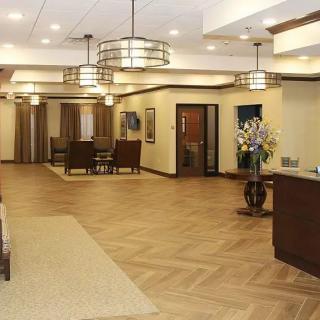
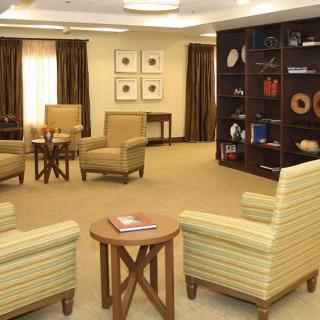
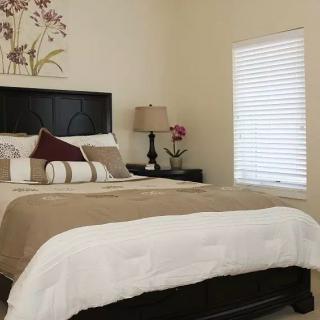
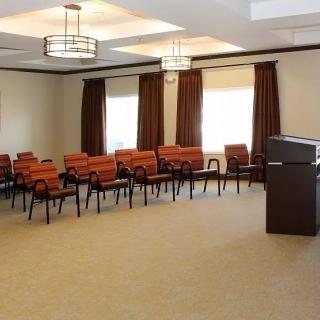
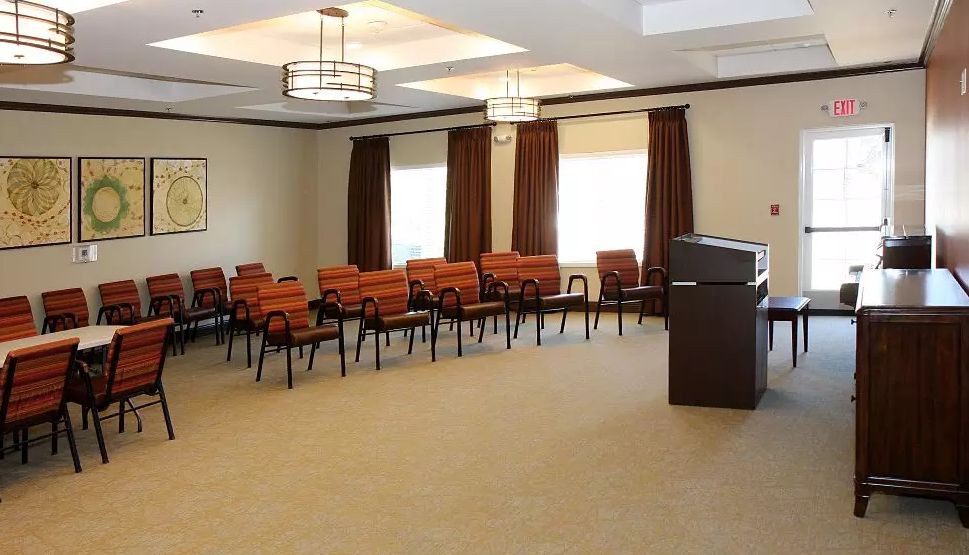
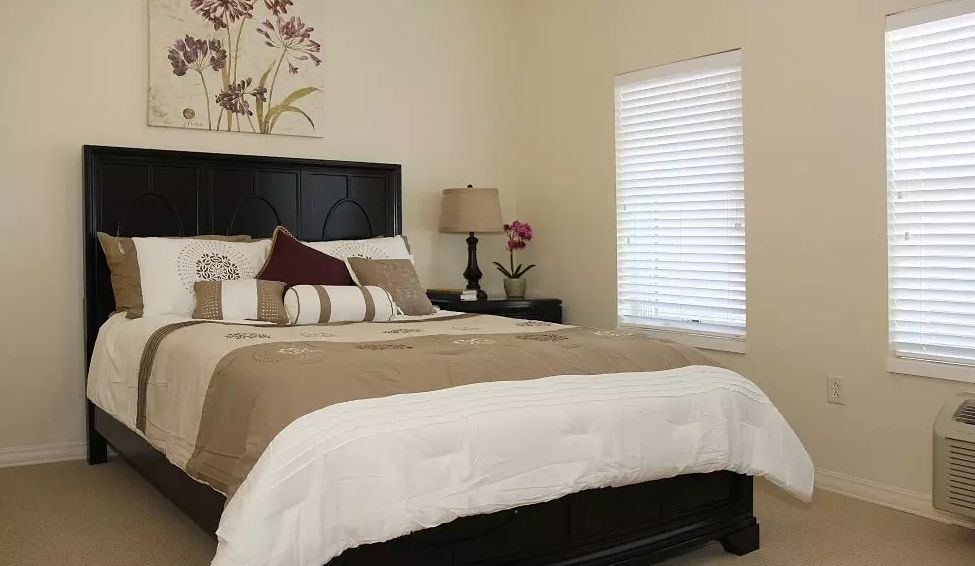
Residents and families repeatedly mention how clean and well kept the community feels.
Multiple reviews describe the building as exceptionally clean, including comments about it smelling clean and looking well maintained. Several also mention rooms being nicely kept or that the facility presented well during tours. Even negative reviews often still acknowledge the building’s aesthetic or that the tour/consultation looked positive.
common7 reviews mention this
Activities keep residents engaged
Activity programming is a frequent bright spot in resident life at Cedar Bluff.
Residents and families describe a steady stream of group activities, including car shows, bingo, games, and community outings. Several specifically praise the activity director and note that people are out in common areas rather than staying in rooms. Others mention ongoing engagement like religious services, arts and crafts, and scheduled daily activity options.
common18 reviews mention this
Caring staff and helpful support
Reviews often describe staff as kind, respectful, and genuinely responsive to needs.
Many reviews highlight friendly, respectful caregivers and support that helps residents feel comfortable. Families also mention hands-on help with daily routines, along with staff support during transitions into the community. A few reviews raise issues about slow response or staff behavior, but the majority of comments focus on staff attentiveness and resident care.
differentiator2 reviews mention this
Memory care focus feels structured
Memory care patients are described as having a layout that supports walking and social time.
One reviewer says staff were trained for memory care residents and that the environment felt open enough for residents to walk around and socialize. Another review describes memory care concerns, which reinforces that experience can vary for families seeking this level of support.
caveat4 reviews mention this
Care and communication complaints arise
Some families report serious problems with care timing, follow-through, or communication.
A few reviews describe breakdowns such as missed paperwork, difficulty determining a resident’s condition promptly, and problems getting requested records. Others mention night staffing concerns, medication timing, and changes in resident support like hygiene needs. There are also allegations about neglect-related outcomes and limited responsiveness, including concerns raised directly to management.
How we summarize
Counts show how many written reviews mention each theme; a review can touch several themes, and only frequently mentioned themes are displayed.
Features
Housing
112 resident community capacity
1-bedroom apartments
Studio apartments
Types of Care
Assisted Living
Memory Care
Amenities
Air-conditioning
Beautician on-site
Beauty salon
Cable or satellite TV
Computer center
Dining room
Fitness room
Fully furnished
Gaming room
Garden
Guasts at mealtime
Guest parking
Housekeeping services
Kitchenette
Laundry
Move-in coordination
Outdoor space
Overnight guests
Party space
Private bathrooms
Resident parking
Respite or short term stays offered
Restaurant-style dining
Small library
Spa
TV room
Telephone
Wellness center
Wi-Fi/high-speed internet available
Transportation
Dallas-Fort Worth International (23 miles away)
Dallas Love (24 miles away)
Community operated transportation
Transportation & parking
Transportation arrangement
Transportation arrangement (non-medical)
Transportation to doctors appointments
Care Services
12-16 hour nursing
24-hour call system
24-hour supervision
Activities of daily living assistance
Assistance with bathing
Assistance with dressing
Assistance with transfers
Coordination with health care providers
Diabetes diet
Meal preparation and service
Medication management
Mental wellness program
Mild cognitive impairment
Special dietary restrictions
Specialized memory care programming
Transportation arrangement (medical)
Transportation to doctors appointments
Dining
Diabetes diet
Low / no sodium
Room service
Special dietary restrictions
Activities
Activities off-site
Arts and crafts
Community-sponsored activities
Concierge services
Cooking club
Fitness programs
Games
Gardening club
Live musical performances
Planned day trips
Religious services
Resident-run activities
Scheduled daily activities
Stories
Languages Spoken
English
Nearby Places of Interest
Restaurants
Rosa's Café & Tortilla Factory (0.1 miles)
Salata - South Ma (0.6 miles)
Chick-Fil-A (0.7 miles)
Akarii Revolving Sushi (0.8 miles)
Whataburger (0.9 miles)
M Donuts (1.9 miles)
Chick-Fil-A (2.1 miles)
Pharmacies
DFW Wellness Pharmacy (0.1 miles)
Walgreens (0.2 miles)
Walgreens (2.1 miles)
CVS Pharmacy (2.2 miles)
Walgreens (3.3 miles)
CVS Pharmacy (3.8 miles)
CVS Pharmacy (5.3 miles)
Hospitals
Methodist Mansfield Medical Center (0.2 miles)
Texas Health Hospital Mansfield (2.3 miles)
ER at Grand Prairie (6.1 miles)
JPS Diagnostic and Surgery Hospital (7.3 miles)
Medical Center of Arlington (8.5 miles)
The Birthing Sweet (9.4 miles)
Physicians
Neurology Associates (0.2 miles)
Medical Clinic of North Texas (0.2 miles)
Methodist Mansfield Med. Center., Professional Building 1 (0.2 miles)
The features offered by Cedar Bluff are thoughtfully designed to create a supportive environment for residents dealing with dementia and Alzheimer's disease, significantly enhancing their quality of life. With 24-hour supervision, residents receive constant monitoring and assistance, ensuring safety and well-being at all times. Tailored support in activities of daily living, including bathing and dressing, fosters independence while addressing individual needs. The coordination with healthcare providers ensures that medical requirements are met promptly, while meal preparation caters to dietary preferences and nutritional needs, essential for overall health. Medication management helps prevent potential complications related to treatment adherence. Engagement in a mental wellness program and specialized memory care programming offers cognitive stimulation tailored to the unique challenges faced by those with mild cognitive impairment or more advanced stages of dementia, promoting mental engagement. Lastly, arranging transportation for medical appointments removes additional stress for families and residents alike, allowing them to focus on health without logistical concerns.
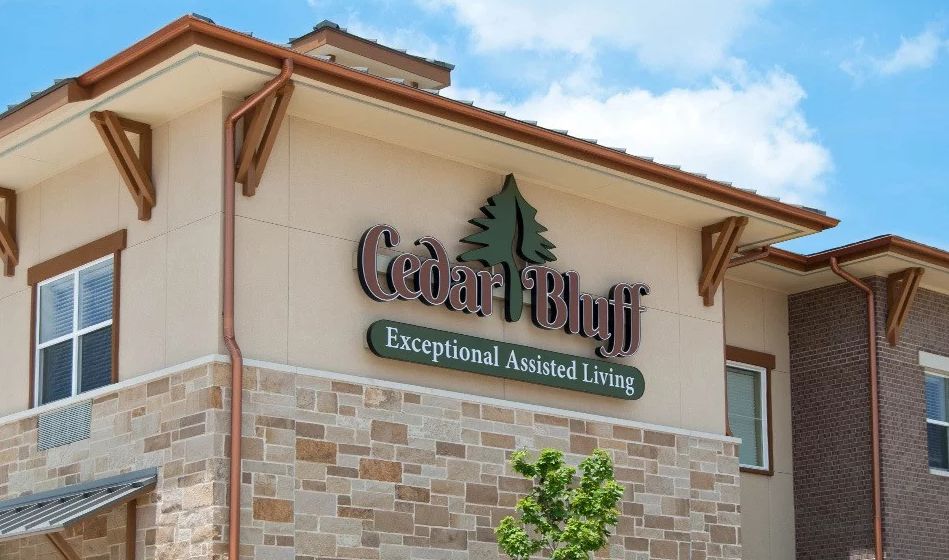
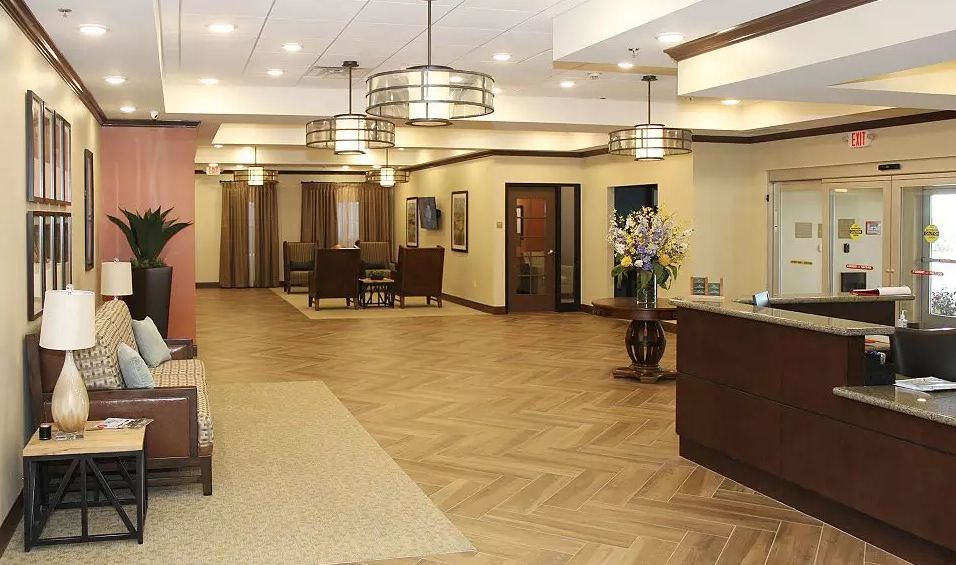
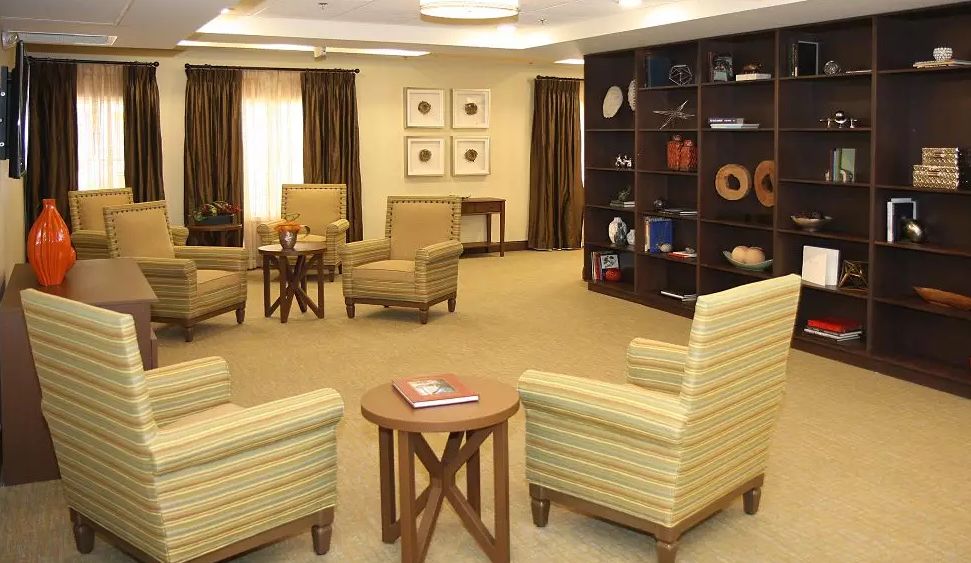
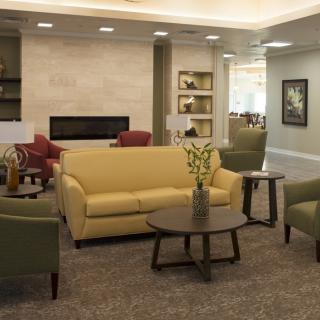
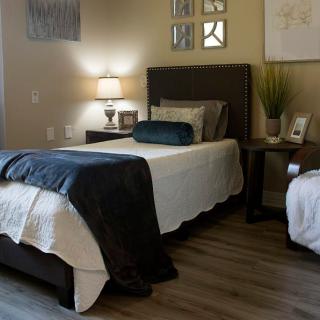
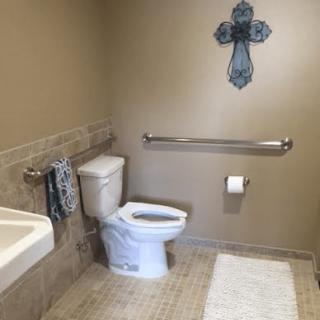
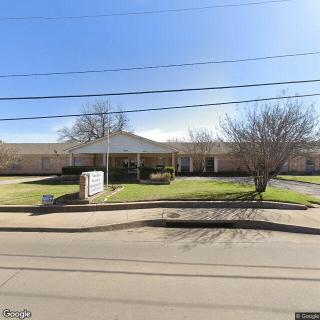
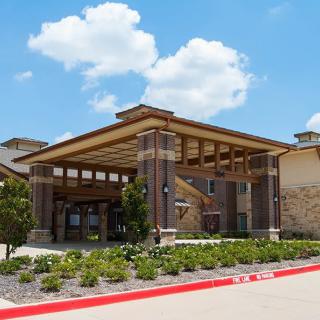
Cedar Bluff on seniors.fyi includes 5 photos including images showing interior, bedroom, decor, lobby, reception, lighting, building, architecture, and more.
Nearby Communities
Kindred Transitional Care And Rehabilitation - Mansfield
Mansfield, TX
24/7 supervision with comprehensive skilled nursing and on-site amenities (beauty salon, fitness room, dining, transportation) plus wellness programs.
The Pavilion At Creekwood
Mansfield, TX
3 from 111 reviews
$2,800 / month
Strong rehabilitation services in a modern, well-maintained setting.
Highlands Village Senior Living of Mansfield
Mansfield, TX
5 from 58 reviews
$3,400 to $4,695 / month
Warm, welcoming environment with compassionate staff and personalized care.
Highlands Village Senior Living
Mansfield, TX
4.9 from 15 reviews
Clean, welcoming environment with attentive staff and robust amenities.
Echelon Place
Mansfield, TX
4.6 from 9 reviews
$3,200 to $3,750 / month
Caring, individualized care with strong family communication in a clean, home-like environment.
Mansfield Nursing Ctr
Mansfield, TX
3.4 from 51 reviews
New management improved the facility with friendly staff and engaging activities.
Cedar Bluff Assisted Living and Memory Care
Mansfield, TX
4.6 from 136 reviews
$2,795 to $4,900 / month
Caring staff, engaging activities, and a clean, welcoming, homelike environment.
Legend of Mansfield
Mansfield, TX
4.7 from 104 reviews
$4,380 to $7,315 / month
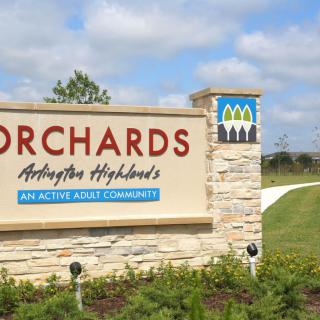
The Orchard at Arlington Highlands
Arlington, TX
4.5 from 79 reviews
$1,705 to $2,263 / month
Active 55+ community with extensive amenities, strong management, and secure, well-kept facilities.
Choosing between assisted living and nursing homes involves evaluating emotional and financial factors, with assisted living offering independence and support for daily activities at a lower cost, while nursing homes provide intensive medical care for individuals with significant health needs. The decision is influenced by personal preferences, health status, cognitive function, and varying Medicaid coverage across states.
The article presents eight strategies for preserving cognitive health and memory in older adults, emphasizing a nutrient-rich diet, regular exercise, intellectually stimulating activities, adequate sleep, social connections, stress management techniques, limiting harmful substances, and regular medical checkups to mitigate age-related memory decline.
Activities of Daily Living (ADLs) are fundamental tasks vital for an individual's independence, particularly in older adults over 85, and include functions like bathing and dressing; assessing ADLs alongside Instrumental Activities of Daily Living (IADLs) helps determine the level of required assistance due to age-related health challenges. Tailored support plans, involving family and community resources, are essential for maintaining dignity and autonomy in assisted living environments.
Get PricingAsk A QuestionSchedule A TourContact Senior Advisor
By clicking submit, you agree to our Partner's Terms of Use. You
also consent to receive calls and texts, which may be autodialed, from our Partner. Your consent is not a condition to
using our Partner's service. Please visit our Partner's Privacy Policy for information about their privacy practices.


 112 resident community capacity
 1-bedroom apartments
 Assisted Living
 Memory Care
 Air-conditioning
 Beautician on-site
 Cable or satellite TV
 Computer center
 Dining room
 Fitness room
 Fully furnished
 Gaming room
 Garden
 Guest parking
 Housekeeping services
 Kitchenette
 Laundry
 Move-in coordination
 Outdoor space
 Overnight guests
 Party space
 Private bathrooms
 Respite or short term stays offered
 Restaurant-style dining
 Small library
 Spa
Spa Telephone
 Wi-Fi/high-speed internet available
 Dallas-Fort Worth International (23 miles away)
 Community operated transportation
 12-16 hour nursing
 24-hour call system
 Activities of daily living assistance
 Assistance with bathing
 Assistance with dressing
 Assistance with transfers
 Diabetes diet
 Medication management
 Mental wellness program
 Special dietary restrictions
 Transportation arrangement (medical)
 Arts and crafts
 Concierge services
 Cooking club
 Games
Games Live musical performances
 Planned day trips
 Religious services
 Stories
 English
 24/7 supervision with comprehensive skilled nursing and on-site amenities (beauty salon, fitness room, dining, transportation) plus wellness programs.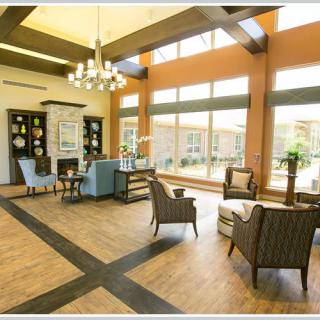
 Choosing the Right Senior Care: A Detailed Exploration of Assisted Living and Nursing Homes
 Safeguarding Your Memory Through the Golden Years: Eight Ways to Preserve Cognitive Health
 Comprehensive Insights into Activities of Daily Living (ADLs) and Their Assessment