

6508 4th Street, Lubbock, TX 79416
To contact a resident: (806) 791-0002
For more information about senior living options: (866) 208-4318
Overall Review of Wilshire On 4th
Pros
 He enjoyed his stay at Wishire and appreciated the staff-organized events, arts and crafts, and the care team.
- Residents enjoyed the staff-led activities and felt well cared for.
- The facility is affordable memory care with informative staff who are open to residents' needs.
- The facility is clean and secure, with doors that are locked and opened by staff to ensure safety.
- The administration and staff are wonderful and very helpful.
- The nursing and customer service are excellent, with programs that enrich lives and help residents feel at home.
Cons
 Olivia is horrible.
- Olivia is the worst caretaker I have ever met.
- Olivia is unprofessional.
- Olivia’s certification to work there is questionable.
- Olivia sometimes is asleep when called.
- Olivia should not have a job there; she is very unprofessional and a bad person.
Review
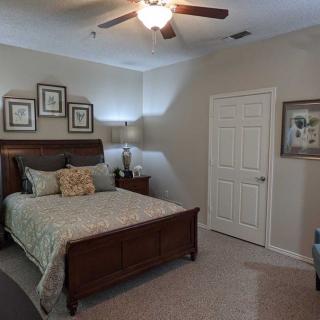
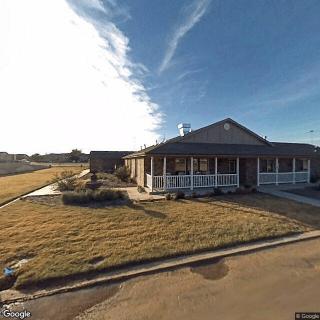
Wilshire On 4th in Lubbock is best suited for families seeking a small, memory-care focused community where personalized attention, safety features, and engaging activities are central. The facility’s 16-room campus with single-occupancy rooms and a memory-care design makes it a strong match for residents who benefit from a quieter, easier-to-navigate environment rather than a large, bustling campus. It suits seniors who gravitate toward structured programming, social events, and arts and crafts, and for families who prize affordability alongside a visible commitment from administration and care staff. For those who want high-touch, hospital-like services or a very broad array of on-site amenities, this community may feel limited; however, its compact footprint can translate into more consistent supervision and a tighter sense of community.
Those considering alternatives should note that Wilshire On 4th may not be ideal for anyone needing substantial medical oversight or rapid access to a wide range of therapeutic services. If independence has declined to the point where a larger campus with robust on-site rehab programs, more intensive skilled nursing, or 24/7 physician coverage is prioritized, families may prefer a bigger memory-care or assisted-living option. Some prospective residents may also prefer communities with a broader activity calendar, a larger social scene, or greater geographic flexibility for family visits. In short, households looking for scale, variety, or a broader continuum of care might want to compare other facilities in the area.
On the plus side, the most consistently echoed strengths are a committed, caring staff and a clearly active programming schedule. Residents and families frequently praise the nursing and customer service quality, with several accounts describing care teams that “enrich lives” and that provide a home-like atmosphere. The emphasis on programming, arts and crafts, events, and activities that engage residents’ changing needs, appears to be an integral part of daily life. Management and leadership appear to be accessible and responsive in many reviews, and the memory-care layout, with secure doors and a controlled exit environment, adds a layer of safety that families often prioritize. Cleanliness and a well-maintained interior further reinforce the sense of a well-run, comfortable home for residents who value dignity and routine.
Yet the word “cons” emerges when attention turns to isolated concerns about staffing consistency. One review singles out a caregiver by name as unprofessional and inattentive, describing instances of a staff member allegedly sleeping on the job. While this is an individual report and not a universal verdict, it highlights a legitimate risk in a small community where a single caregiver’s performance can noticeably impact the experience of multiple residents. Potential residents should probe staffing patterns, such as daily caregiver-to-resident ratios, shift coverage, and how management handles performance issues. The same concerns underscore the importance of visiting, meeting the care team, and speaking with family members who can attest to day-to-day reliability.
The practical impact of these concerns hinges on the community’s strengths. The compact size can be a strength when paired with strong leadership and consistent oversight; it allows administrators to know residents well, tailor routines, and respond quickly to changing needs. The memory-care focus is a meaningful pro: locked doors, a secure environment, and a culture of intentional supervision can reduce wandering risks and provide families with greater peace of mind. Affordability is repeatedly mentioned, with the deposit experiences suggesting this option sits toward the lower end of the price spectrum for memory care, particularly given the single-room configuration. When paired with reports of high-quality nursing and a homelike atmosphere, these advantages can outweigh the drawbacks for families prioritizing intimate setting, routine, and engaged staff.
Ultimately, Wilshire On 4th offers a practical, no-nonsense choice for families who want a smaller, purpose-built memory-care environment with active programming and a dependable care team. It is less well-suited for those who need extensive medical services, a broad array of amenities, or a large, bustling campus. The strongest decision lever is alignment of expectations: if safety, personalized attention, and meaningful daily activity trump size and variety, this community can fulfill those priorities with real warmth. Prospective families should schedule a tour, ask for a transparent overview of staffing schedules and turnover, request recent incident and safety logs, and interview current residents and their families about daily life. If any lingering concerns about caregiver consistency persist after due diligence, exploring nearby options with larger staff pools and more robust oversight is warranted.
 16 resident community capacity
 Assisted Living
 Board and Care Home
 Memory Care
 Respite Care
 Activities on-site
 Beautician on-site
 Cable or satellite TV
 Devotional services off-site
 Dining room
 Fully furnished
 Garden
 Housekeeping services
 Indoor common areas
 Move-in coordination
 Outdoor common areas
 Telephone
 Wheelchair accessible showers
 Wi-Fi/high-speed internet available
 Lubbock International (9 miles away)
 24-hour supervision
 Ambulatory care
 Assistance with bathing
 Assistance with dressing
 Assistance with transfers
 Diabetes diet
 Diabetic care
 High acuity care
 Meal preparation and service
 Medication management
 Special dietary restrictions
 Transportation arrangement (medical)
 Transportation to doctors appointments






 Understanding Dementia Through Its Seven Stages: A Comprehensive Look at Progression and Expectations
 Safeguarding Your Memory Through the Golden Years: Eight Ways to Preserve Cognitive Health
 Comprehensive Insights into Activities of Daily Living (ADLs) and Their Assessment