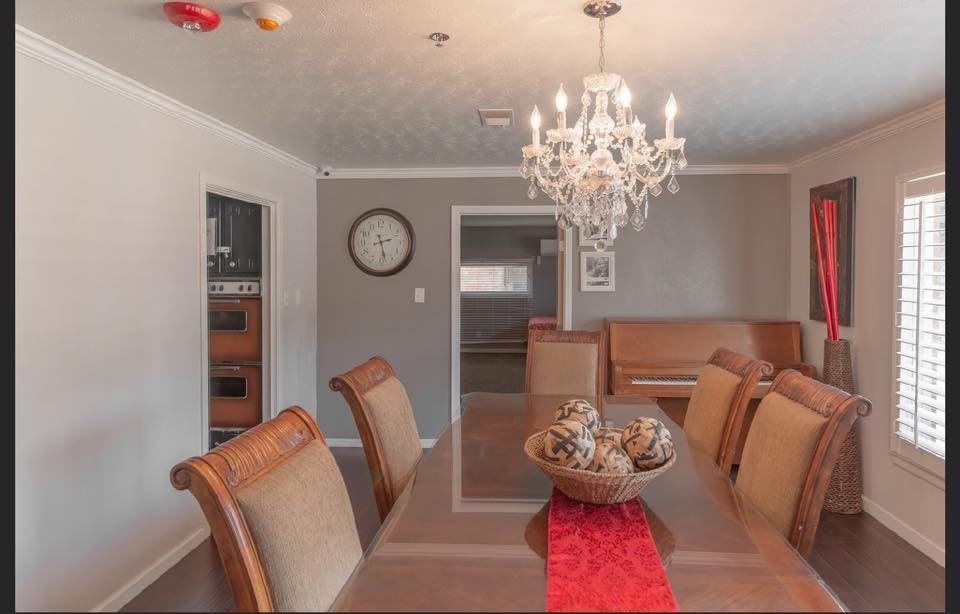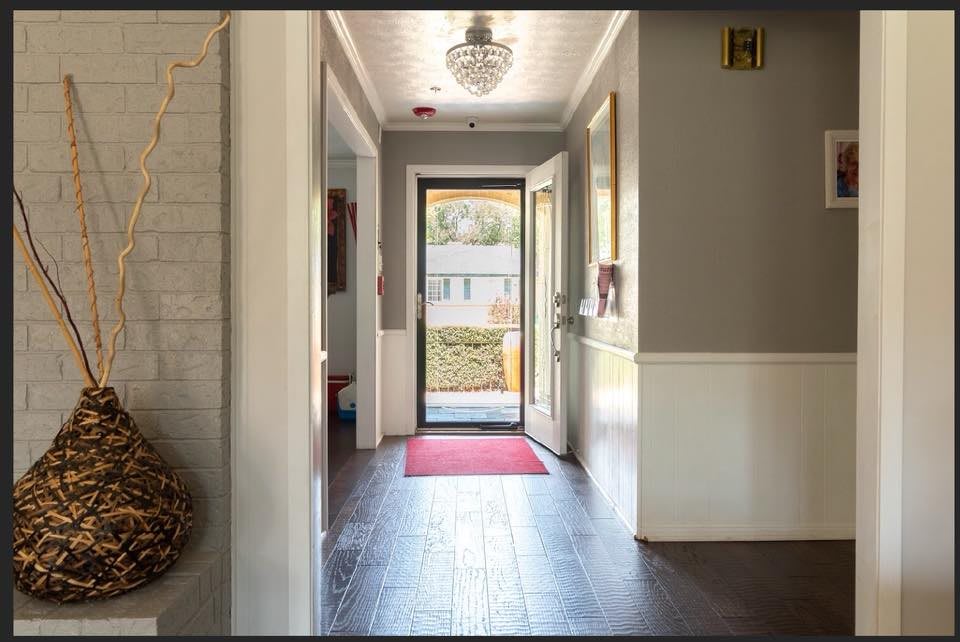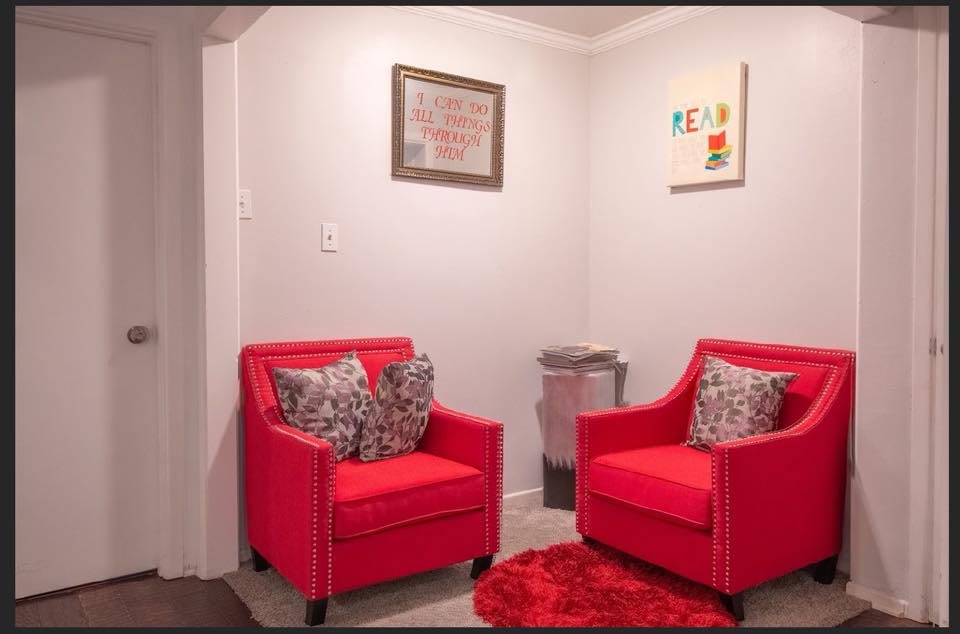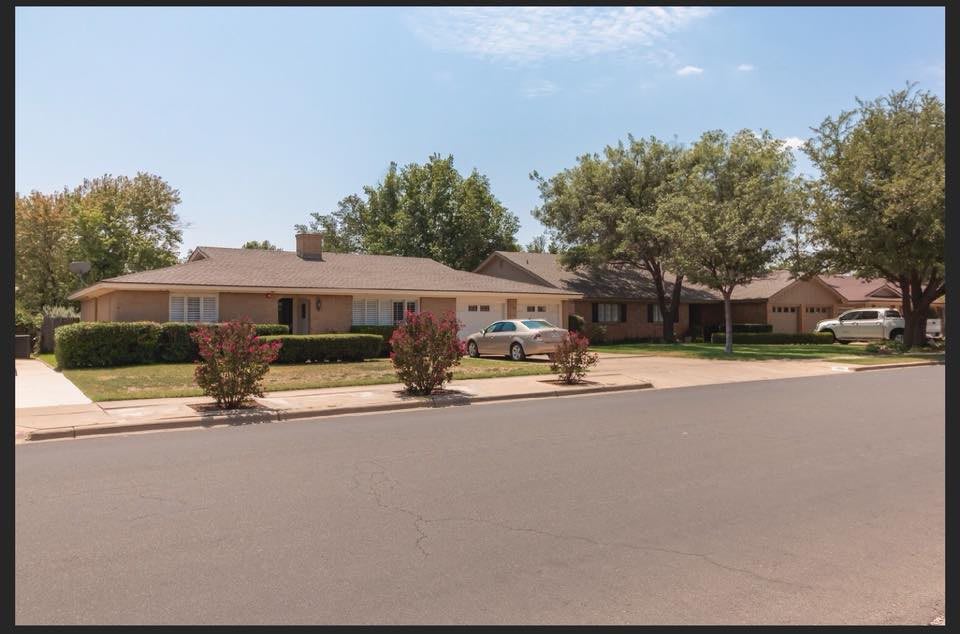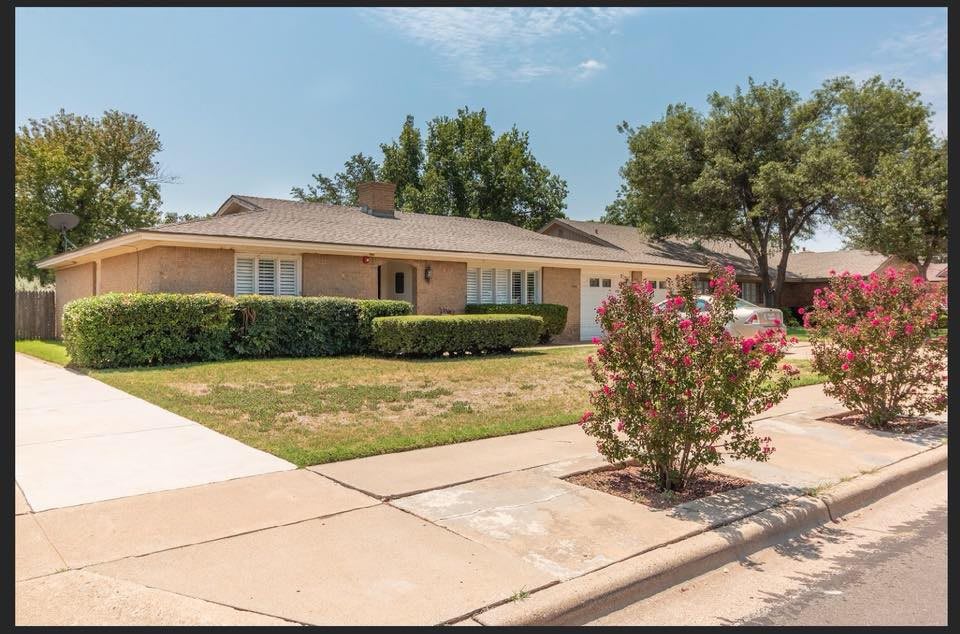
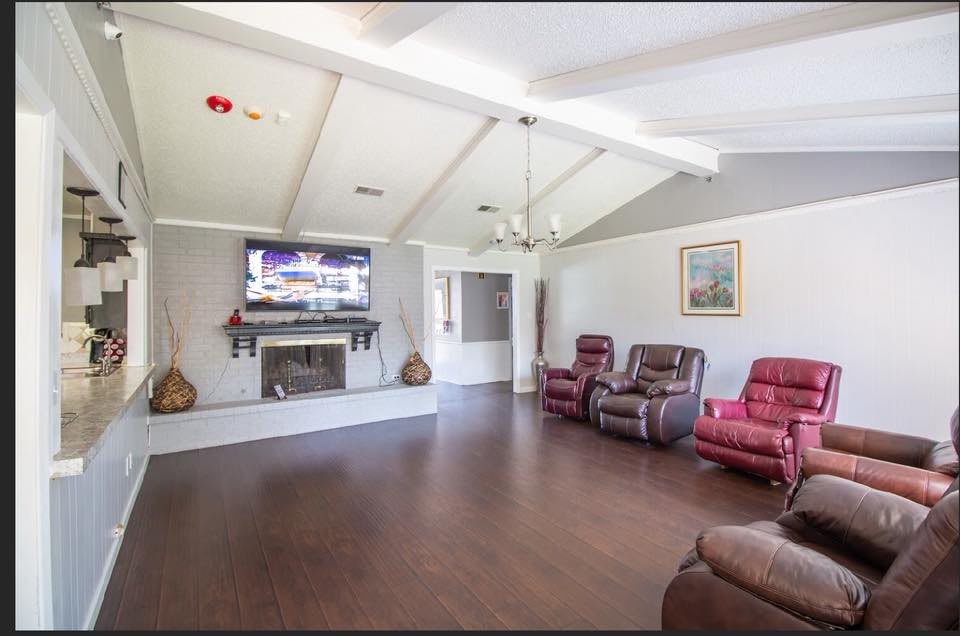
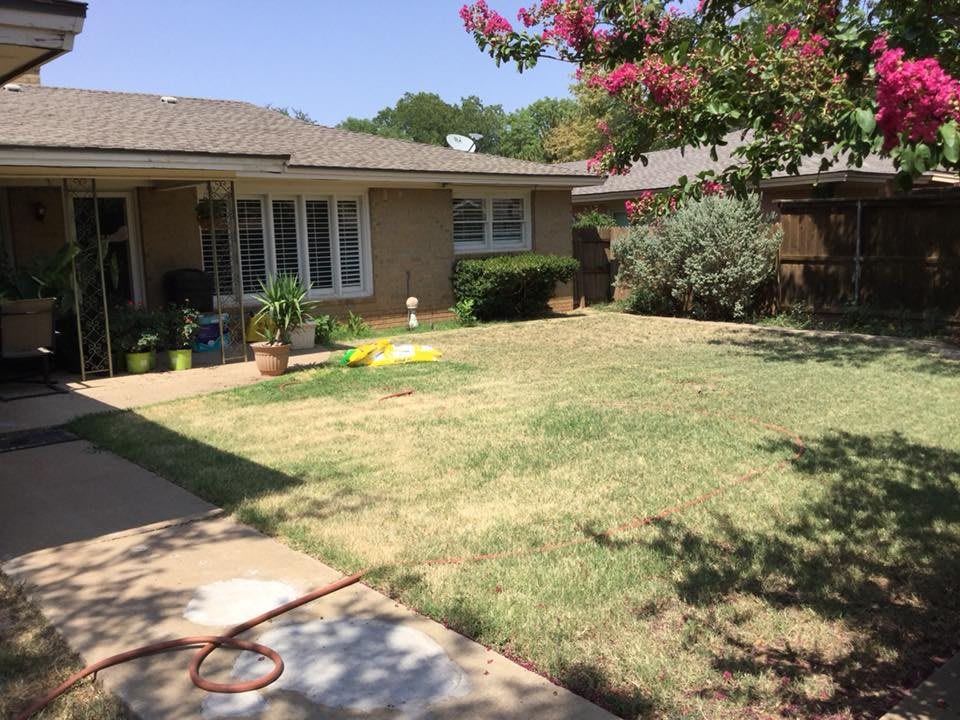
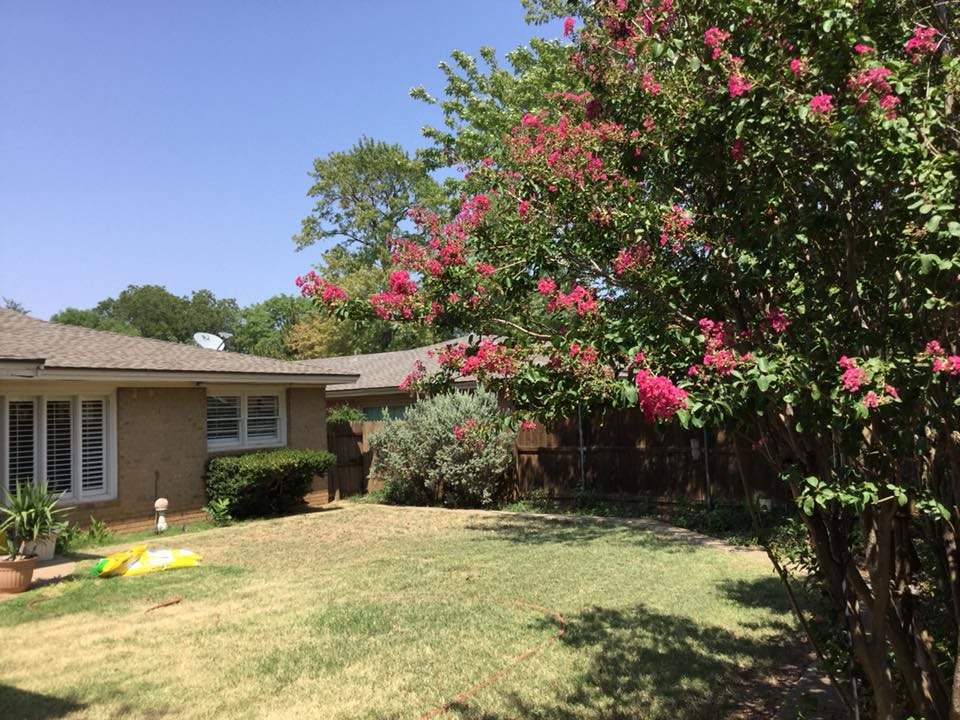

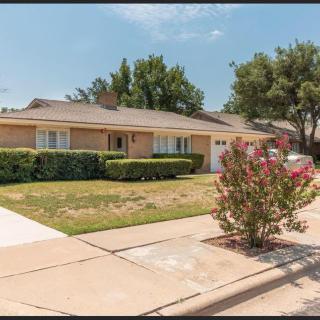
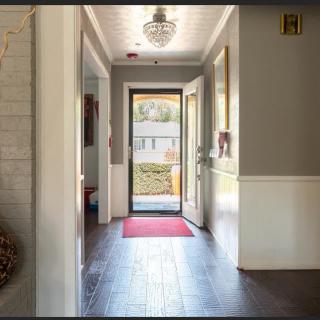
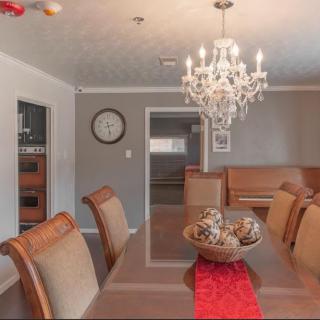


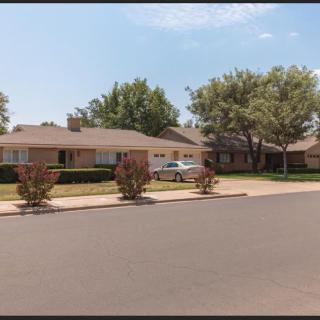
3711 69 Th Street, Lubbock, TX 79413
For more information about senior living options: (866) 208-4318
Silvertop Assisted Living Costs & Pricing
Silvertop Assisted Living presents a competitive pricing structure for its services, particularly when compared to both Lubbock County and the broader Texas market. For semi-private accommodations, Silvertop's monthly fee is $3,500, which is notably higher than the county average of $3,118 but remains below the state's average of $3,680. When it comes to private rooms, Silvertop charges $4,000 per month. This figure positions it slightly lower than Lubbock County's average of $4,211 and marginally above the statewide average of $4,096. Overall, Silvertop offers valuable options that balance quality care with pricing that reflects its unique position in the local landscape.
| Floor plans | Silvertop Assisted Living | Lubbock County | Texas |
|---|---|---|---|
| Semi-Private | $3,500 | $3,118 | $3,680 |
| Private | $4,000 | $4,211 | $4,096 |
Assisted Living communities with a similar price nearby
-
from +$245 / mo

The Isle at Raider Ranch
$3,745 to $4,920 / month4.1 miles away -
from -$270 / mo
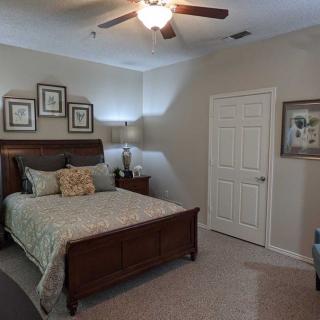
Vitality Living Shadow Hills
$3,230 to $4,095 / month5.3 miles away -
from +$350 / mo
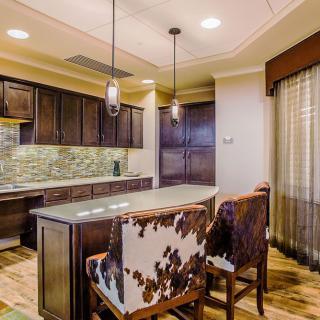
The Legacy at South Plains
$3,850 to $5,250 / month2.5 miles away -
from +$105 / mo
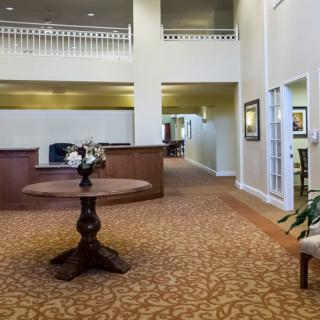
Brookdale Remington Park
$3,605 to $9,340 / month1.9 miles away -
from +$208 / mo
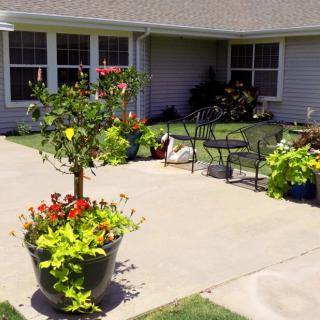
Mackenzie Place
$3,708 to $4,985 / month1.7 miles away
Overall Review of Silvertop Assisted Living
Pros
 The staff are gentle, patient, and loving.
- The staff consistently provide excellent care and keep residents safe and healthy.
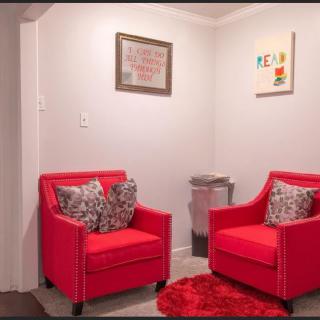
- The home environment feels like a real home and is clean and tidy.
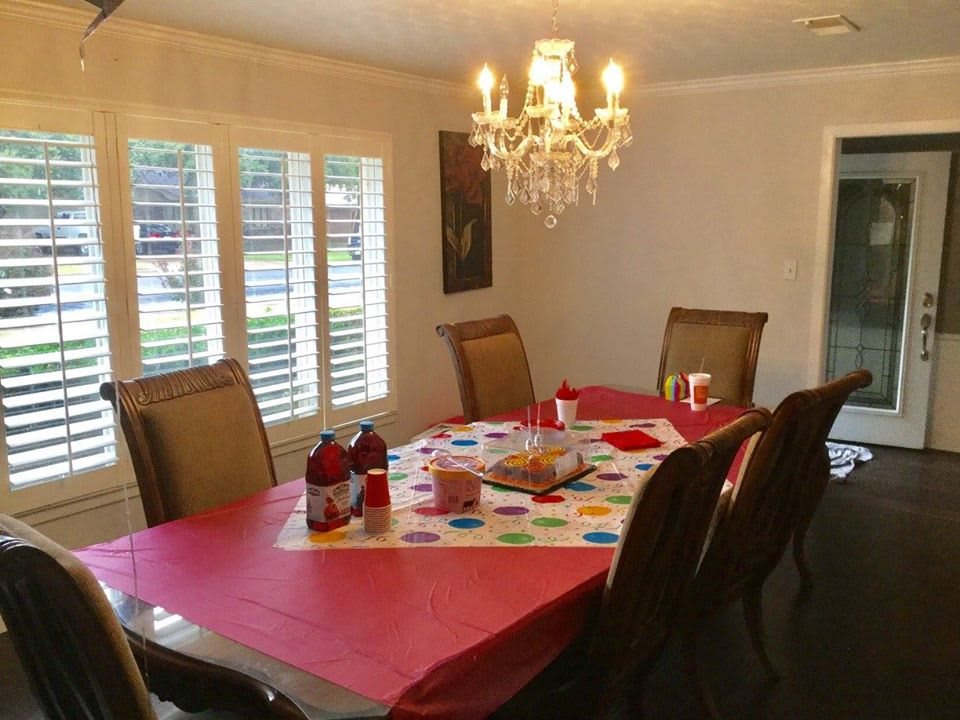
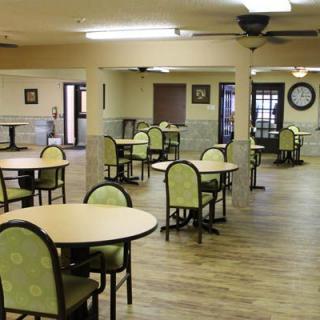
- The meals are home-cooked and enjoyed in a family-style dining setting.
- The caregivers are committed, kind, and caring, making residents feel loved.
- Residents feel welcome when visited and are well cared for by staff.
- Families have peace of mind knowing their loved ones are well cared for.
- The facility offers activities, music, birthday parties, and holiday meals.
- Care is personalized and, where possible, one-on-one, enhancing the residents’ experience.
Cons
 None found — the reviews are all positive and do not contain negative third-person statements.
Review
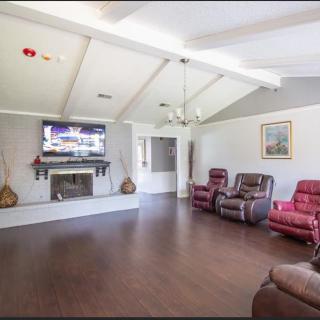
Silvertop Assisted Living in Lubbock, TX is best suited for families seeking a warm, intimate, home-like environment where daily care feels personalized and consistently attentive. It serves seniors who value a small-community feel, reliable routines, and caregivers who treat residents with gentleness and patience. The atmosphere is clearly designed to feel like a true home, home-cooked meals, a shared dining table, and frequent family-friendly activities that foster belonging. The anecdotes consistently highlight a welcoming staff, an involved owner, and residents who appear safe and well-cared-for in a setting that emphasizes comfort and personal connection.
Those who should consider alternatives are families prioritizing robust medical oversight or memory-care-specific programming. The emphasis here is on daily living support and companionship rather than a hospital-like environment or a large, clinical campus. For seniors with complex medical needs, frequent skilled-nursing interventions, or specialized dementia care, a larger facility with dedicated medical staffing or a memory-care unit may deliver the level of oversight that such cases require. Additionally, families seeking secular programming or a setting without a faith-centered frame may want to compare options that align with those preferences.
The strongest advantages center on relationships and daily quality of life. Reviews consistently praise the staff for being kind, respectful, and genuinely invested in each resident’s well-being. Families trust the owner and caregivers to keep loved ones safe and healthy, and they value the sense that care happens in a real home rather than a clinical setting. The care model includes proactive daily routines, help with getting dressed, beds made, and meals served in a communal, affectionate atmosphere, that promote dignity and independence as much as possible. Residents enjoy an at-ease dining experience with home-cooked meals and a family-style setup that supports sociability and ease of conversation.
Cleanliness, calm surrounds, and accessible staff further offset the small trade-offs of a non-clinical setting. The homes are described as neat, tidy, and well-maintained, reinforcing comfort and peace of mind for visiting family members. The culture emphasizes personal attention and predictable routines, which translates into fewer surprises and more stability for residents who thrive on familiarity. The combination of a home-like environment, visible staff engagement, and consistent safety measures creates a compelling balance: high-quality daily life in a setting that feels like family, rather than a barebones or impersonal facility.
Nevertheless, certain gaps are worth weighing. The absence of explicit, on-site medical programming or a dedicated memory-care designation means Silvertop is best for seniors who primarily need assistance with activities of daily living and companionship, not ongoing, high-level clinical support. Families should assess whether the care plan can accommodate evolving medical needs without relocating. Another consideration is the faith-based atmosphere; while many families appreciate the Christian home environment, those seeking a secular or differently oriented community may prefer other options. Finally, the footprint of a smaller, intimate setting may limit certain organized events or specialized therapies compared with larger campuses.
For families evaluating options, the decisive question is whether the priority is a heartfelt, home-centered living experience with highly attentive caregivers, or a setting that prioritizes medical intensity and expansive programming. If the former, Silvertop delivers clear value: attentive staff, trustworthy ownership, consistent daily routines, and a nurturing atmosphere that promotes dignity and belonging. If the latter, alternatives that offer more formal medical oversight and memory-care resources should be explored. In considering a move, prioritize a tour focusing on staff interactions, daily schedules, meal rituals, cleanliness, and the ease of coordinating with caregivers on health concerns. This approach will reveal whether Silvertop’s strengths align with the senior’s needs and the family’s expectations.
 6 resident community capacity
 Assisted Living
 Board and Care Home
 Activities on-site
 Air-conditioning
 Bath tubs
 Beautician on-site
 Cable or satellite TV
 Dining room
 Fully furnished
 Garden
 Housekeeping services
 Indoor common areas
 Move-in coordination
 Outdoor common areas
 Private
 Private bathrooms
 Respite or short term stays offered
 Telephone
 Wheelchair accessible showers
 Wi-Fi/high-speed internet available
 Lubbock International (10 miles away)
 24-hour supervision
 Assistance with bathing
 Assistance with dressing
 Assistance with transfers
 Diabetes diet
 Diabetic care
 High acuity care
 Incontinence care
 Meal preparation and service
 Medication management
 Special dietary restrictions
 Transportation arrangement (medical)
 Transportation to doctors appointments
 Art classes
 Birthday parties
 Forever fit




 Senior Transition Services: Understanding Their Role, Cost, and Importance
 Exploring the Path to Senior Living: A Comprehensive Look at Independent Living and Assisted Living
 Is Assisted Living Deductible on Your Taxes? Understanding the Complexities of Assisted Living Expenses and Deductions