
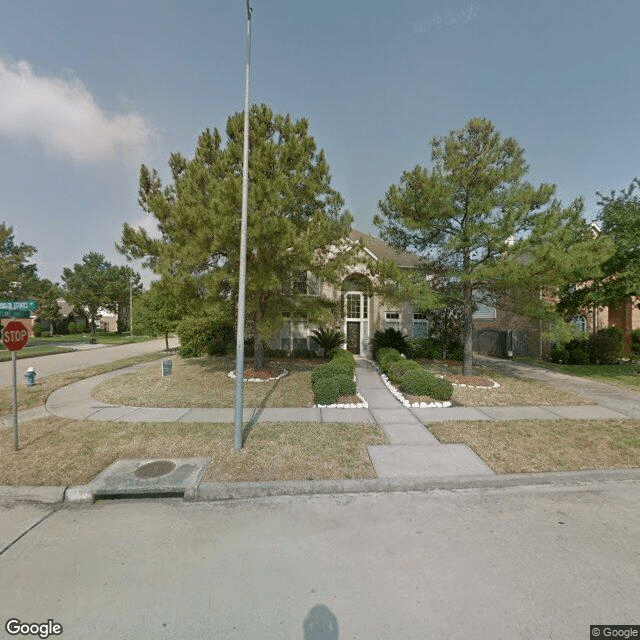
12501 Silverglen Estates Drive, Houston, TX 77014
To contact a resident: (281) 687-3021
For more information about senior living options: (866) 208-4318
Well-Come Home Care Costs & Pricing
Well-Come Home Care offers competitive rates for its services, with a semi-private room costing $2,000 per month and a private room at $2,500. In contrast, the average monthly costs in Harris County stand significantly higher at approximately $3,518 for a semi-private room and $3,784 for a private room. Expanding to the state level, Texas averages even more, with semi-private rooms priced around $3,680 and private rooms reaching about $4,096. This pricing structure not only illustrates Well-Come Home Care's affordability but also highlights its commitment to providing quality care options that are accessible compared to the broader market in both county and state arenas.
| Floor plans | Well-Come Home Care | Harris County | Texas |
|---|---|---|---|
| Semi-Private | $2,000 | $3,518 | $3,680 |
| Private | $2,500 | $3,784 | $4,096 |
Senior living communities with a similar price nearby
-
About the same
Open Angels - Shaman
$2,000 to $3,000 / month21.0 miles away -
from -$175 / mo

Watercrest at Kingwood Garden Village
$1,825 to $3,700 / month13.6 miles away -
from +$200 / mo

Nixon Assisted Living Of Houston
$2,200 / month12.5 miles away -
from +$99 / mo

Watermere at Woodland Lakes
$2,099 to $3,300 / month18.2 miles away -
from +$295 / mo

Tarrytowne Estates
$2,295 to $2,795 / month18.0 miles away
Overall Review of Well-Come Home Care
Pros
 They provide wonderful care with professional and kind staff.
- The caregivers are compassionate, gentle, and patient.
- The service brings comfort and peace of mind to families.
- The team is reliable, dedicated, and highly capable in times of need.
- They are a lifesaver, delivering immediate and compassionate care.
- Families highly appreciate and would recommend Elderly Home Care to others.
- The staff goes above and beyond, offering heartfelt support for both patients and their families.
Review
This Houston community is best suited for families seeking warm, reliable in-home elder care where a senior can stay in familiar surroundings while receiving attentive, hands-on support. It is especially well-matched for seniors who need help with daily activities and safety oversight but do not require constant hospital-grade medical supervision. For households facing demanding caregiving schedules, the appeal lies in caregivers who feel like trusted extensions of the family, delivering steady presence and peace of mind. In short, Well-Come Home Care serves families that prize personal connection, consistency, and the comfort of home without sacrificing dependable support.
The core strengths reflected in the reviews are unmistakable: caregivers are consistently described as kind, patient, professional, and genuinely compassionate. Families note that their loved ones form attachments to the caregivers, often relaxing and feeling safer with their presence. The credibility of staff shines through in reports of reliable, capable care that allows family members to work or attend to other responsibilities with confidence. The tone throughout emphasizes not just routine tasks, but a humane, respectful approach that treats aging individuals with dignity. When emergencies arise or night shifts loom, the staff’s reliability becomes the decisive factor for families seeking continuity and stability.
Still, prospective clients should weigh the practical realities that accompany in-home care. The strongest pro, exceptional caregiver quality, does not automatically equate to the kind of 24/7 medical oversight or structured programming found in some assisted living options. For seniors with complex clinical needs, multiple nurses, or highly scheduled therapeutic activities, a home-care model can leave gaps unless the agency coordinates closely with medical providers. Continuity hinges on caregiver scheduling and backup coverage; without a deliberate plan, families may worry about variation in who is present on any given day. Additionally, in-home care often carries cost considerations and logistics around travel time, which can influence overall affordability and coverage.
The benefits documented by reviewers help offset these potential drawbacks in meaningful ways. The immediate, around-the-clock responsiveness implied by the ability to mobilize care quickly in emergencies reduces the risk that a family member must endure slow or delayed support. After-hours accessibility, mentioned as a real, practical advantage, means night-time needs are less likely to escalate into disruptive events. The personal bond formed with caregivers translates into better adherence to routines, safer transfers, and a more dignified daily experience for the senior. These qualitative strengths, the empathy, reliability, and steadiness, can compensate for the absence of a campus setting or on-site nursing if the care plan is well-structured and match-making is thoughtful.
For families evaluating options, a practical approach is essential. This community is particularly compelling for those who value intimate, home-based care and prioritize a caregiver team that consistently demonstrates kindness and reliability. If the priority shifts toward robust on-site medical oversight, specialized programming, or highly supervised social environments, an alternative such as a traditional assisted living facility may be a more fitting fit. Before committing, families should probe caregiver-to-client ratios, the agency’s supervision structure, and the process for replacing a caregiver if needed. Request a documented care plan, inquire about after-hours protocols and backup coverage, and seek references from families with similar needs to gauge real-world consistency.
Ultimately, the decisive takeaway is clear: for households where the senior’s well-being hinges on compassionate, dependable, home-based care with rapid responsiveness, this provider stands out as a leading option in Houston. The strongest advantages, the human warmth, the professional reliability, and the ability to respond decisively at night or in emergencies, often tip the scales in favor of staying in a familiar home environment. Caution is warranted for those whose priorities center on intensive medical nursing or formal, facility-based social programming. With diligent due diligence, care plans, staffing transparency, and a clear sense of coverage, Well-Come Home Care offers a credible, practical path to preserving independence and peace of mind without relinquishing support.
 Board and Care Home
 Bath tubs
 Indoor common areas
 Outdoor common areas
 Private
 Private bathrooms
 Respite or short term stays offered
 George Bush Intercontinental (7 miles away)
 Ambulatory care
 Meals provided







 Weight Training for Seniors: Building Strength and Vitality
 Understanding the Sandwich Generation: Stress and Responsibilities for Multigenerational Caregivers
 8 Essential Assistive Devices for Older Adults