
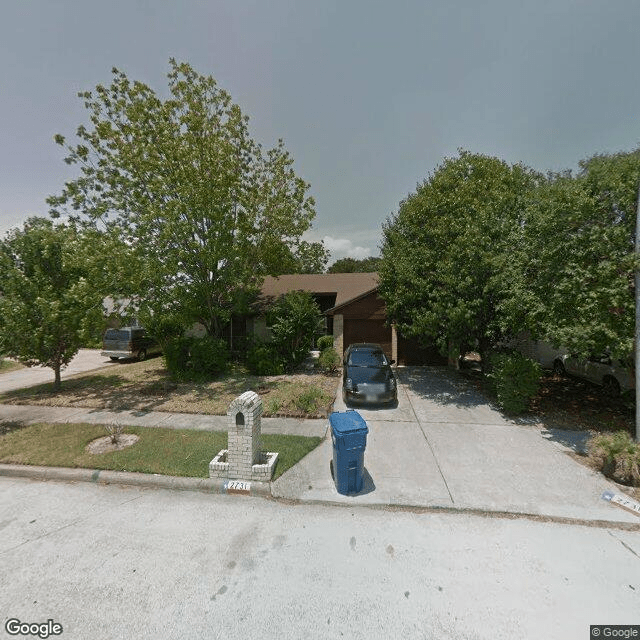
2731 Flintrock Circle, Houston, TX 77067
To contact a resident: (281) 893-3533
For more information about senior living options: (866) 208-4318
Cottage Home Care Costs & Pricing
Cottage Home Care offers competitive pricing for its services compared to the broader market in Harris County and the state of Texas. For a semi-private room, Cottage Home Care charges $2,800 per month, which is notably lower than the Harris County average of $3,518 and well below the Texas average of $3,680. Similarly, their private room option is available at $3,000 per month, while residents in Harris County typically pay around $3,784 and those across Texas may expect to spend approximately $4,096. These cost differences highlight Cottage Home Care's commitment to providing quality care that is more accessible financially than many other options in the area.
| Floor plans | Cottage Home Care | Harris County | Texas |
|---|---|---|---|
| Semi-Private | $2,800 | $3,518 | $3,680 |
| Private | $3,000 | $3,784 | $4,096 |
Senior living communities with a similar price nearby
-
from +$200 / mo
Plantation Assisted living B
$3,000 to $4,910 / month14.9 miles away -
from +$200 / mo
Northgate 2 Assisted Living
$3,000 to $3,500 / month8.8 miles away -
from -$300 / mo
Grace Memory Care
$2,500 to $3,000 / month12.5 miles away -
from -$300 / mo
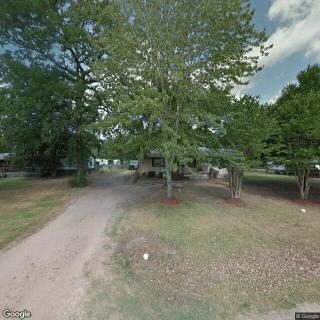
Gina's Angels Private Care
$2,500 to $3,500 / month15.8 miles away -
About the same
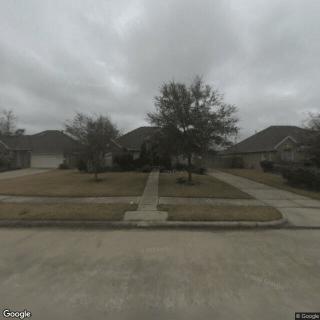
Atascocita Seniors Care Home
$2,800 to $3,300 / month15.5 miles away
Overall Review of Cottage Home Care
Pros
 The owner was great.
- The owner was a former nurse, very nice, and took care of mom.
- A Place for Mom was great in helping them choose where to go.
- It was a good place for the amount of time her mother spent there.
Cons
 The home was a little bit cluttered.
- It was smaller, with fewer amenities.
- Some little things slipped through the cracks.
Review
Cottage Home Care in Houston, TX is best suited for families seeking a small, home-like environment where intimate, hands-on caregiver attention takes priority over campus-style amenities. The model fits residents who benefit from direct access to a caregiver who also functions as a medical resource, rather than a large staff with a formalized program. The owner is described as a former nurse who delivers practical, personal care, and the home itself is compact, with only one other resident observed and modest amenities. This combination supports highly individualized routines and rapid responsiveness, which can be a major relief during transitions or brief stays. It is a setting where comfort, trust, and daily attentiveness carry more weight than polish or institutional scale.
Families should understand that Cottage Home Care is not a fit for those chasing robust programming, multiple dining options, or extensive rehab equipment. If the goal is a bustling activity calendar, on-site therapy breadth, or elaborate social life, a larger assisted living community will likely meet expectations more consistently. Likewise, long-term residents who rely on a broad network of specialists or on-site, ongoing therapies may find the smaller footprint limiting. Those who prefer quiet privacy and a simple, straightforward routine will appreciate the environment, but the trade-off is fewer built-in social opportunities and less in-house infrastructure to support growth and exploration over time.
On the positive side, the owner’s nursing background translates into practical medical oversight and reassuring, hands-on care. That clinical touch can be a decisive advantage during transitions or early recovery when medical nuance matters. The small scale also means caregivers can tailor plans quickly and monitor daily needs with minimal bureaucratic drag. However, the same strengths illuminate the principal drawbacks: a cluttered, less spacious setting, limited amenities, and scant opportunities for diverse activities. An eight-day stay provides only a snapshot, leaving questions about consistency, routine, and how care would hold up under longer-term or evolving medical needs. The accounts note occasional minor lapses, which matter more when longer residency is anticipated.
Safety and comfort hinge on the physical environment, and a cluttered home can introduce hazards or complicate mobility and emergency responses. Fewer amenities translate to fewer supports that sustain independence, such as planned exercise, formal social clubs, or on-site therapies. With only one other resident seen, social opportunities are minimal, which can be a blessing for some but a real drawback for those who rely on peer interaction for daily motivation or companionship. The setting benefits residents who want close supervision without corporate formality, yet it may leave families uneasy about continuity if the owner’s hands-on availability fluctuates or if unexpected care demands arise and backup staffing is needed. A clear plan for sustained care is essential.
Prospective families should push for practical assurances: a longer trial period or extended observation, a clearly defined daily routine, and a written care plan detailing medications, meals, mobility support, and emergency procedures. Meeting potential caregivers who would be part of daily care and understanding how medical issues are escalated are essential steps. Verify licensing, staffing ratios, and backup coverage during vacations or illnesses, and clarify how needs evolve and whether the home can adapt without abrupt transitions. A detailed agreement helps determine if the intimate, nurse-guided model can scale to a longer stay without sacrificing safety or reliability.
When the priority is intimate, hands-on care delivered by a nurse-owner, Cottage Home Care can be a compelling short-term or transition option. The decisive advantage is the level of bedside attention and daily adaptability, which can ease the vulnerable period following hospital discharge or during early recovery. However, for families seeking a long-term residence with rich social programming and a full slate of amenities, more expansive communities deserve consideration. The best choice aligns with a resident who tolerates a smaller, quieter environment and values ongoing, direct caregiver involvement, balanced against the need for predictable operations, safety supports, and opportunities for social engagement as circumstances evolve.
 Board and Care Home
 Private
 Respite or short term stays offered
 George Bush Intercontinental (8 miles away)
 Ambulatory care
 Diabetic care
 High acuity care
 Incontinence care
 Medication management



 Understanding the Full Cost of 24/7 In-Home Care: A Detailed Overview
 Exploring the World of Home Health Nurses: Qualifications, Roles, and Hiring Tips
 Navigating Medicare Coverage for In-Home Care Services