
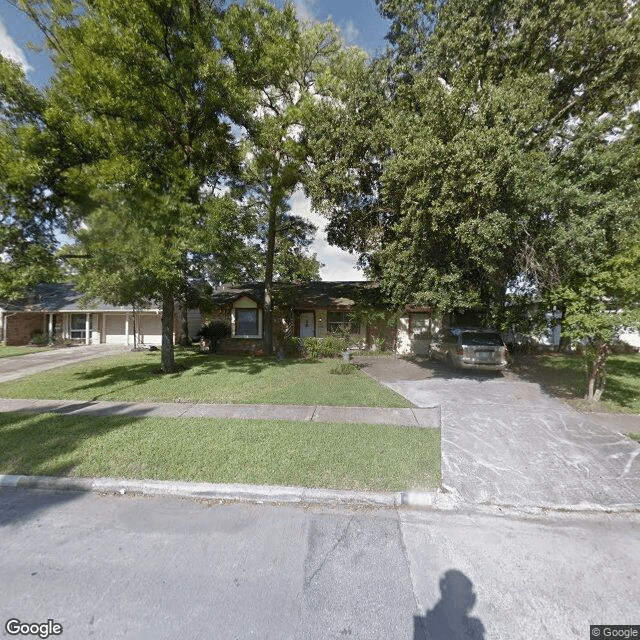
3815 April Lane, Houston, TX 77092
To contact a resident: (713) 467-4444
For more information about senior living options: (866) 208-4318
Spring Branch - Oak Forest Care Homes II Costs & Pricing
Spring Branch - Oak Forest Care Homes II offers competitive pricing for their care services, making it an attractive option for families in the region. The monthly cost for a semi-private room is $1,900, which significantly undercuts both the Harris County average of $3,518 and the state average of $3,680. For those seeking a private room, the rate is $2,200 - again considerably lower than the county's average of $3,784 and Texas's average of $4,096. These favorable rates highlight Spring Branch - Oak Forest Care Homes II as a cost-effective solution for quality care in a supportive environment.
| Floor plans | Spring Branch - Oak Forest Care Homes II | Harris County | Texas |
|---|---|---|---|
| Semi-Private | $1,900 | $3,518 | $3,680 |
| Private | $2,200 | $3,784 | $4,096 |
Senior living communities with a similar price nearby
-
from +$100 / mo
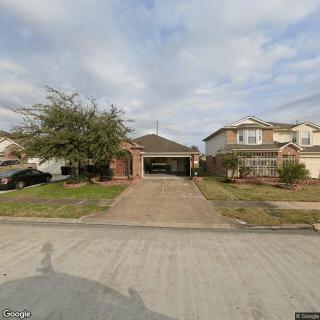
Open Angels - Shaman
$2,000 to $3,000 / month12.5 miles away -
from -$75 / mo
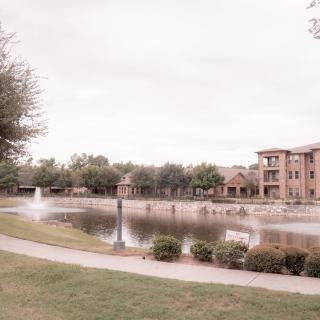
Watercrest at Kingwood Garden Village
$1,825 to $3,700 / month20.8 miles away -
from +$300 / mo

Nixon Assisted Living Of Houston
$2,200 / month8.3 miles away -
from +$99 / mo

Watercrest at Shadow Creek Ranch
$1,999 to $2,499 / month19.0 miles away -
About the same

Morada Deer Park
$1,860 to $2,820 / month23.0 miles away
Overall Review of Spring Branch - Oak Forest Care Homes II
Pros
 Spring Branch Care Homes is an awesome place for a loved one needing personal care or assisted living.
- The owners, Vicky and Cindy, have set the bar high for other caregivers.
- Their personal attention, caring, and empathy make this the best place for a loved one to be.
- From the moment you walk in, the home feels special.
- The home is clean and well organized, and the staff are very attentive to the residents.
- There are great CNAs and nurses there.
- The reviewer credits God with opening the door to move their mother there.
Cons
 Everyone works doubles just to survive, which is no way to live.
- Employees are forced to work 16-hour shifts to make ends meet.
- The CNA scheduler is very rude and unprofessional.
- The CNA scheduler can’t speak to people without yelling.
- The scheduler lies about pay and lowers it in orientation.
- The ADON is unprofessional and lies to management when staff speak up.
- A sexual assault witnessed by a resident was brushed under the rug, and staff are told not to report.
- Management sucks and needs to do better.
- There are roaches everywhere.
- The facility does not accommodate wandering residents and relies on alarms on the doors.
Review
Spring Branch - Oak Forest Care Homes II is best suited for families seeking an intimate, home-like assisted living environment in Houston where staff form real relationships with residents and where the owners maintain a hands-on, empathetic approach. The setting is small, typically with a handful of residents, and the atmosphere rewards personal attention: meals, daily routines, and small touches feel individualized. For families prioritizing warmth, direct access to the owners, and a sense of being “part of a single household,” this community can feel like the right fit.
Those who may want to consider alternatives are residents who require more social programming, wider activity options, or more formalized oversight. The facility’s small scale and emphasis on personal care can leave some residents feeling underserved in terms of social interaction and structured activities. Another red flag for certain families is the reported variability in management effectiveness and safety practices. If wanderers or residents needing robust safety systems are involved, a community with stronger security, larger staff coverage, and clearer incident response may be preferable.
The strongest pros here, intimacy, attentiveness, and a genuine sense of care from owners, can compensate for some drawbacks because they translate into reliable daily support and a familiar, respectful environment. The homes are described as clean and well organized, with staff who listen and respond when problems arise. The arrangement of three meals and scheduled snacks provides a predictable routine, and the setting’s small size often means the care team recognizes personal histories and preferences. For families able to pay around private-room rates (roughly $2,100 per month in the examples given) and who value direct access to administrators, the payoff is a level of trust and consistency that larger facilities may struggle to deliver.
However, significant concerns temper the positives. Staffing and compensation issues emerge consistently in the narratives: CNAs starting wages as low as $15 per hour, pressure to work doubles, and reports that pay changes or miscommunications occur with some staff. These dynamics can fuel turnover and inconsistent coverage, undermining the stability families typically seek. Management-related tensions appear in several accounts, including claims of unprofessional behavior from supervisors and a belief that incidents or complaints may be deprioritized in favor of financial considerations. The environment also confronts notable pest issues at times, and a troubling incident described as sexual misconduct involving a resident was said to have been downplayed. Together, these factors raise legitimate red flags about reliability, safety culture, and the facility’s responsiveness to serious problems.
To make a well-grounded decision, families should approach a tour with a clear checklist. Inquire about how staff is recruited, trained, and retained; confirm current wage structures and how raises or changes are communicated; ask for a written policy on incident reporting, resident-on-resident concerns, and protection measures for vulnerable residents. Verify pest control records and recent maintenance routines, and probe the facility’s process for safety when residents wander or require secured monitoring. Speak with the nursing administrator and a few frontline staff to gauge consistency of care and how conflicts are resolved. Finally, validate the license status and ask for references from other families who can speak to both the strengths and challenges of daily life there.
In the end, Spring Branch - Oak Forest Care Homes II offers a compelling option for families prioritizing a small, caregiver-centered setting where owners are deeply involved and residents are treated with personal attention. It is a strong fit for people who value warmth, routine, and a home-like environment over high-energy programming and bulk services. Those needing robust social programming, airtight safety protocols, or a highly predictable administrative culture should consider other options or demand explicit assurances and a transparent plan before committing. The price point for private accommodations sits in a meaningful range, and the decision hinges on whether the benefits of intimate, attentive care outweigh the risks associated with staffing and governance noted in resident and family experiences.
 Board and Care Home
 Cats allowed
 Dogs allowed
 Activities off-site
 Bath tubs
 Indoor common areas
 Outdoor common areas
 Private
 Respite or short term stays offered
 George Bush Intercontinental (13 miles away)
 Ambulatory care
 Diabetic care
 High acuity care
 Incontinence care
 Medication management
 Meals provided






 Understanding the Nuances of Palliative Care and Hospice: A Comprehensive Exploration
 Fecal Incontinence in Older Adults: A Comprehensive Guide
 Nurturing Well-Being Through Gardening: A Detailed Guide for Senior Enthusiasts