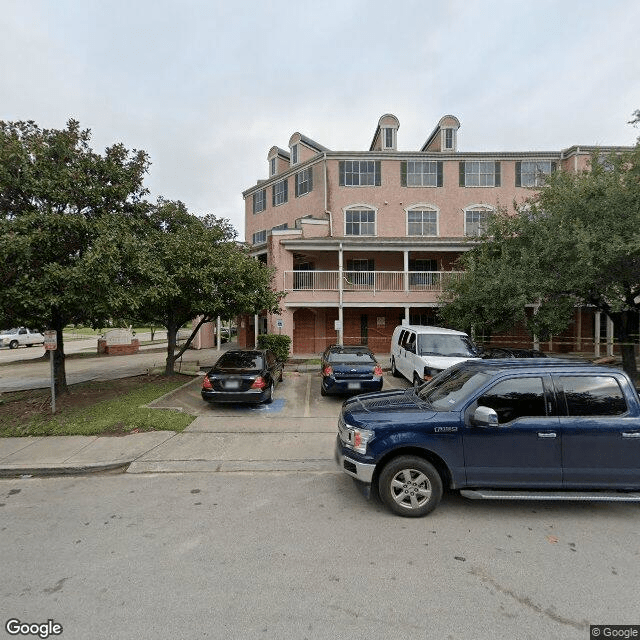
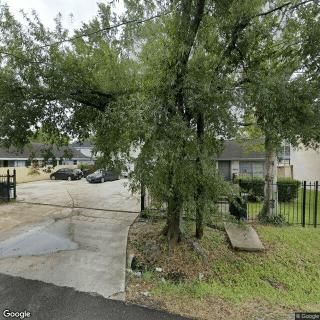
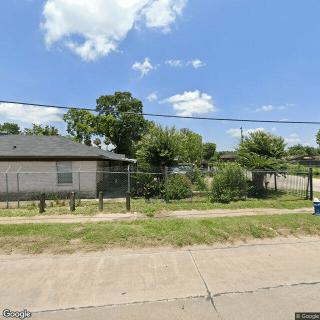
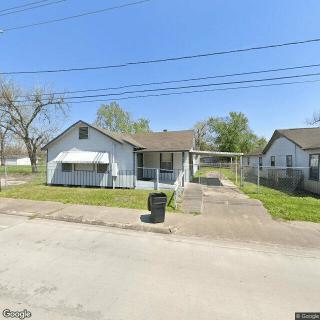
Pleasant Hill Village in Houston, TX
Save
Information last verified:
3814 Lyons Ave, Houston, TX 77020
For more information about senior living options: (844) 490-3973
Pleasant Hill Village in Houston is best suited for seniors who want affordable, apartment-style living and can tolerate ongoing maintenance and safety uncertainties. The property’s price point and location offerings, easy access to transit options and a nearby clinic, can be appealing to a budget-conscious resident who does not require pristine, turnkey conditions at move-in. In practice, the strongest argument in favor of this community is its combination of lower rent and basic mobility features (elevators, relatively straightforward layout) that can support independent or lightly assisted living for someone who is capable of supervising some repairs and staying vigilant about building conditions.
Those who should seriously consider alternatives are families or individuals who rely on consistent climate control, dependable utilities, and a stable, well-managed environment. The cadence of outages and systemic maintenance failures reported by residents, flooding and mold in units, first-floor conditions that have required boards over openings, and repeated power or water interruptions, creates a risk profile that many seniors won’t be willing to tolerate. The most consequential red flags are not minor inconveniences; they are ongoing safety concerns such as no reliable air conditioning on multiple floors during hot weather, water being turned off to fix problems, and a history of management turnover that undermines trust in responsiveness and accountability. If a loved one depends on predictable, prompt maintenance, or requires a consistently clean, well-supervised living space, exploring other communities is prudent.
The key pros, low cost, approachable staff in some encounters, and a location that supports independent mobility, do not sufficiently offset the main cons once lived-in realities are weighed. While a few reviewers praise a “nice manager” or describe the price as favorable, those positives are overwhelmed by reports of broken AC systems, flooded hallways, and mold exposure, sometimes with a pattern of repeated service delays. Several accounts describe clean-looking common areas juxtaposed with units that are dated, poorly maintained, or not cleaned prior to move-in, highlighting a gulf between perception and lived experience. The combination of aging appliances, unreliable laundry facilities, and a hallway environment that becomes hot or dirty further erodes value, because these factors directly impact daily quality of life and health risk. In short, the apparent savings on rent are not enough to compensate for persistent operational fragility and resident dissatisfaction.
Operational inconsistency stands out as the central fault line. Staff turnover, difficulties communicating with management, and a sense that repairs are reactive rather than proactive create an atmosphere where basic resident needs, hot water, functional kitchens, reliable elevators, clean hallways, feel uncertain. The reports of roaches, smoke or odor concerns, and even a few eye-opening notes about neighborhood safety shade the decision toward caution. Even when some residents experience polite, professional office staff, the pattern across reviews suggests a systemic problem with follow-through and accountability. Prospective residents should view the property through this lens: a cheap rent does not guard against health risks, service gaps, or the emotional strain of living in a building where maintenance responsiveness is inconsistent.
Practical decision-making should begin with a rigorous on-site evaluation and clear, written assurances. Prospects should request a current, comprehensive maintenance schedule and a documented commitment to addressing mold, leaks, and electrical or plumbing failures. Demand confirmation on power reliability, especially during hot months, and verify elevator service records and accessibility for residents with mobility devices. Insist on seeing a clean unit and a verified pest-control plan before signing, and ask for a recent inspection report from the city or a third party. Consider negotiating rent credits or a guaranteed remediation timeline if any serious issue is outstanding at move-in. In short, treat Pleasant Hill Village as a place to negotiate from a position of leverage, not a done deal.
Ultimately, the decision hinges on risk tolerance and supervision capacity. For a family willing to supervise and advocate for a loved one’s needs, and for someone who prizes affordability and proximity to transit over flawless infrastructure, Pleasant Hill Village can function as a viable stopgap. However, for anyone prioritizing dependable utilities, consistently clean interiors, and a stable, transparent management culture, the balance of evidence points toward exploring other options first. In the current climate of mixed reviews, the prudent path is a careful, evidence-based visit, speak with current residents, tour the units at different times of day, and push for concrete timelines on any known deficiencies, before committing.
Pleasant Hill Village is an assisted living community located in the vibrant city of Houston, TX. Situated in a convenient location, this community offers its residents easy access to various amenities and services that cater to their needs and preferences.
For those who enjoy a warm cup of coffee or tea, there are seven cafes nearby where residents can socialize with friends or simply relax and enjoy their favorite beverage. Additionally, nature lovers will appreciate the four parks within close proximity, providing peaceful and serene environments for leisurely walks or picnics.
The convenience of having 20 pharmacies nearby ensures that residents have easy access to necessary medications and healthcare supplies. Furthermore, with one physician in the vicinity, residents can receive medical attention promptly whenever needed.
When it comes to dining options, Pleasant Hill Village does not disappoint. With an impressive selection of 24 restaurants nearby, residents have countless choices to satisfy their appetites and culinary preferences.
Transportation is also readily available near the community, making it convenient for residents to run errands or explore the surrounding areas. Whether it's a trip to the grocery store or visiting popular attractions, transportation services ensure that residents can get around conveniently.
Lastly, Pleasant Hill Village acknowledges the importance of spirituality by offering three places of worship nearby. This provides residents with opportunities for personal reflection and engagement in their chosen faith practices.
Overall, Pleasant Hill Village is an ideal assisted living community for individuals looking for a comfortable and convenient lifestyle in Houston. With numerous amenities and services nearby, residents can easily access all they need while enjoying a peaceful and supportive environment.
This part of Houston, Texas offers a convenient and diverse range of amenities for seniors looking to settle down in the area. With several pharmacies, restaurants, cafes, parks, transportation options, places of worship, physicians, and hospitals within close proximity, residents can easily access essential services and recreational activities. The nearby Discovery Green and Emancipation Park provide green spaces for outdoor relaxation and enjoyment. Additionally, the presence of reputable medical facilities like Houston Methodist Hospital and Ben Taub Hospital ensures quality healthcare services are readily available. Overall, this neighborhood provides a well-rounded and accommodating environment for seniors looking to make the move to Houston.
Pleasant Hill Village is located at 3814 Lyons Ave, Houston, TX 77020 in Harris County, Texas
Understanding the Full Cost of 24/7 In-Home Care: A Detailed Overview

The guide outlines the rising costs of 24/7 in-home care, ranging from $10,000 to over $20,000 monthly, driven by factors such as location and caregiver qualifications. It discusses the limited coverage by Medicare and private insurance, potential Medicaid support, and the emotional and living condition considerations influencing families' decisions on care arrangements.
Exploring the World of Home Health Nurses: Qualifications, Roles, and Hiring Tips

Home health nursing is an expanding field where licensed professionals provide specialized medical care in patients' homes, addressing the needs of an aging population through personalized services like assessments and medication management. Effective collaboration with healthcare teams, cultural sensitivity, and quality assurance measures are essential for fostering trust and ensuring positive patient outcomes.
Navigating Medicare Coverage for In-Home Care Services
Medicare covers in-home health care services, which are medical and provided by licensed professionals under a physician's supervision, whereas non-medical personal assistance is generally not covered unless part of a broader skilled care plan. Eligibility for benefits depends on being homebound and needing intermittent skilled services from a Medicare-certified agency, with specific coverage limitations and additional resources available for navigating options.