
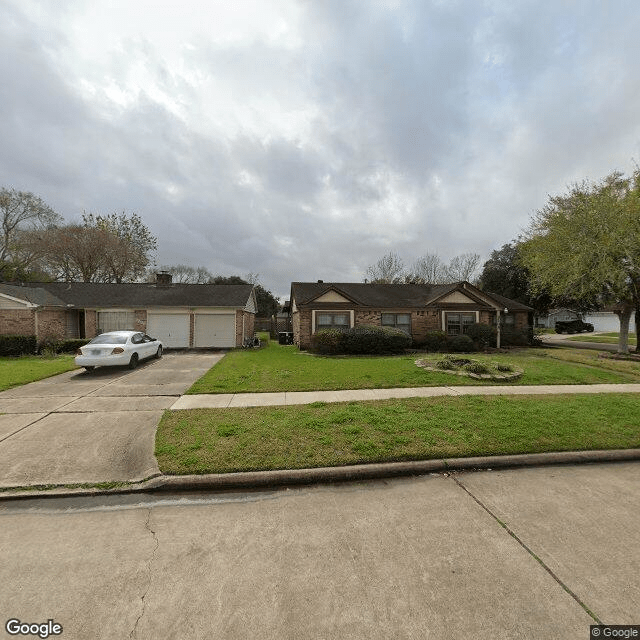
9239 McAfee Dr, Houston, TX 77031
To contact a resident: (832) 368-7194
For more information about senior living options: (866) 208-4318
Joyful Homes II Costs & Pricing
Joyful Homes II offers competitive pricing for its residential care, with monthly costs that are notably lower than both Harris County and the broader state of Texas. For a semi-private room, residents can expect to pay $2,500, which is significantly less than the county average of $3,518 and the state average of $3,680. Similarly, for those seeking more privacy, Joyful Homes II charges $3,600 for a private room - again more affordable compared to the county's rate of $3,784 and the state's figure of $4,096. This positioning not only reflects Joyful Homes II's commitment to providing quality care at accessible rates but also makes it an appealing option for families seeking financial relief without compromising on care standards.
| Floor plans | Joyful Homes II | Harris County | Texas |
|---|---|---|---|
| Semi-Private | $2,500 | $3,518 | $3,680 |
| Private | $3,600 | $3,784 | $4,096 |
Senior living communities with a similar price nearby
-
About the same
Shepherd Personal Care Home
$2,500 to $3,000 / month8.2 miles away -
About the same
Northgate Assisted Living
$2,500 to $3,000 / month23.3 miles away -
from -$300 / mo

Nixon Assisted Living Of Houston
$2,200 / month16.5 miles away -
from +$300 / mo
Evening Star Personal Care Home
$2,800 to $3,200 / month24.4 miles away -
from +$300 / mo
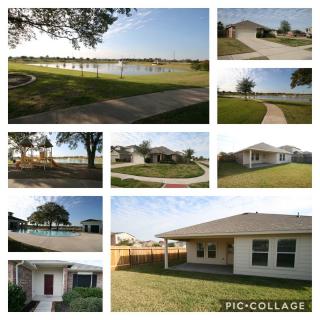
Wenzy’s Place Boarding and Personal Care Home
$2,800 / month21.0 miles away
Overall Review of Joyful Homes II
Pros
 The caregiver is very passionate about her clients.
Cons
 The reviewer believes the place would not be suitable for the reviewer's mother.
- The reviewer doubts this place would be a good fit for the reviewer's mother.
Review
Joyful Homes II in Houston is best suited for families prioritizing a small, relationship-driven living environment where staff engagement and personal connections are the core differentiators. The single reviewed experience centers on a caregiver who spoke with genuine passion about her clients, signaling a setting where warmth, empathy, and everyday attentiveness are the defining strengths. This is a place where residents are more likely to encounter staff who remember names, notice subtle changes in mood, and treat daily routines as opportunities for meaningful interaction rather than rote tasks. For families seeking a homey atmosphere with hands-on attention and an emphasis on companionship, Joyful Homes II delivers a compelling, if narrow, value proposition.
However, this environment may not fit every senior’s needs. For loved ones requiring more predictable structure, heightened medical oversight, or specialized programming, alternatives should be seriously considered. Larger assisted-living communities with formalized care plans, on-site nursing coverage, and clear escalation procedures can provide the reassurance that medical needs will be addressed promptly. Memory-care focused residences or communities with standardized activity calendars and safety protocols typically offer a sturdier framework for families navigating complex care requirements or progressive conditions. In short, the warmth of the caregiving staff matters, but it cannot substitute for a program designed to meet specific clinical and daily living needs.
The core concern raised by the reviewer is not the absence of kindness but a potential mismatch between the offered care model and the mother’s needs. Passionate caregivers are invaluable, yet without a robust, structured program that translates that care into consistent routines, measurable safety, and predictable outcomes, the fit becomes suspect for seniors who require a particular level of oversight. In practical terms, this suggests that Joyful Homes II excels in relational care but may lag in the more systematized aspects of daily living, such as care planning, crisis response, and long-range activity or nutrition strategy. For families seeking a strong blend of heart and structure, this gap becomes a decisive factor.
The advantages of a caregiver-focused approach, genuine engagement, quick responsiveness, and a sense of being known, are meaningful when daily life feels comfortable and residents maintain a sense of agency. Those benefits can offset some limitations if the resident’s needs skew toward companionship and gentle supervision rather than complex medical management. Yet the risk remains that without transparent routines, consistent documentation, and visible safety measures, care quality can feel variable. If the loved one presents with needs that require scheduled therapies, supervised mobility, or regular medical oversight, families should weigh whether opportunistic moments of connection compensate for potential gaps in programmatic care.
To make a defensible decision, conduct a thorough evaluation. Request a detailed tour focused on daily schedules, meal plans, and activity offerings; ask for staffing ratios by shift and the presence of on-site nursing or medication management; review sample care plans, incident reporting, and emergency procedures; and observe staff interactions with residents, are boundaries respected, is privacy maintained, and does the environment feel safe and navigable? Have candid conversations with the administrator about what happens when needs escalate, how visits from family are integrated into care planning, and what metrics track resident well-being. If possible, arrange a trial period or trial visits to gauge fit with the mother’s routines, preferences, and medical requirements.
Overall, Joyful Homes II presents a compelling option for families prioritizing compassion and everyday relational care within a modest, home-like setting. For seniors who thrive on personal attention and do not demand intensive medical management, it can deliver meaningful quality of life. But for those with higher needs, requiring formalized care plans, consistent clinical oversight, or specialized programming, alternatives that offer stronger structure should be pursued. The key is alignment: choose Joyful Homes II when the emphasis on warmth mirrors the resident’s preferences and independence, and turn decisively toward other options when safety nets, schedules, and medical reliability become the dominant concern.
 Board and Care Home
 Activities off-site
 Devotional services off-site
 Indoor common areas
 Outdoor common areas
 Private
 Private bathrooms
 Wheelchair accessible showers
 William P X (16 miles away)
 Ambulatory care
 Diabetic care
 Incontinence care
 Kosher


 Supportive Employee Benefits That Help Caregivers Attain Better Work-Life Harmony
 Top Cars for Senior Drivers and Essential Safety Innovations
 A Closer Look at Private Pay Home Care