

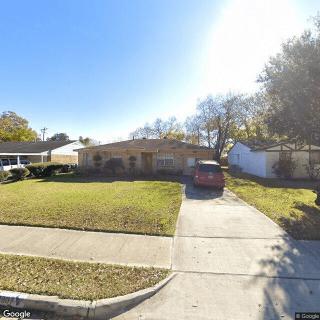
4703 Knotty Oaks Trl, Houston, TX 77045
For more information about senior living options: (866) 208-4318
Overall Review of Gluco Star Inc
Cons
 The owner is very unprofessional.
- She is last to know when patients have been admitted to hospital or moved home.
- The reviewers say not to trust this company with loved ones.
- They wouldn’t even trust their dog with this lady.
- She doesn’t even meet with the patients or families.
- The reviews describe the company as evil.
Review
This community is best suited for families who can shoulder a high level of direct oversight and accept limited proactive engagement from management. Given the feedback, the operation relies on families to fill gaps in communication and care coordination rather than providing timely, hands-on leadership. For a loved one who requires regular updates, coordinated hospital notifications, and meaningful formal meetings with the owner or administrator, this setting would demand an unusual degree of family involvement and advocacy. In practice, the model appears designed for a hands-off, self-directed approach from residents and families, not for a standard expectation of professional, proactive caregiving.
Anyone prioritizing dependable communication and transparent care planning should actively consider alternatives. In Houston, options with documented processes for hospital notifications, regular family conferences, and visible ownership accountability are preferable. If a provider cannot promptly inform families about hospital admissions, discharges, or care-plan changes, that gap signals a red flag about safety and continuity of care. Families should expect to be treated as partners in the care journey, with proactive outreach rather than sporadic or reactive updates. When this level of engagement cannot be guaranteed, exploring other communities with stronger reputations for accountability is prudent.
The reviews yield almost no positively framed aspects to balance the dominant concerns. The central critique centers on unprofessional leadership and a failure to meaningfully engage residents or their families. Repeated statements about the owner being the last to know about hospitalizations or moves indicate a systemic breakdown in essential governance and communication. There is a palpable sense that residents’ day-to-day well-being is not supported by reliable, front-facing involvement from leadership. In practical terms, the absence of timely updates, coordinated care, and visible oversight translates into a caregiving environment that feels fragile rather than dependable.
From a safety and trust standpoint, the risk is concrete. When critical information about medical events or changes in status does not reach families promptly, medical coordination becomes uncertain, and opportunities for timely intervention diminish. Confidence hinges on consistent meetings with residents and families, reviewed care plans, and proactive management of changes. The reviews imply those interactions are notably lacking, leaving families to fill crucial gaps themselves. Such disengagement can lead to miscommunications about medications, discharge instructions, or follow-up care, undermining continuity of care for seniors, especially those with complex medical needs or sensitive transitions between settings.
With no clearly articulated benefits highlighted, there is little to offset the major concerns. Unless a family is prepared to tolerate sporadic contact and a reactive management style, an atypical and risky premise, the cons clearly outweigh any potential advantages. In practical terms, a decision against this provider rests on reliability, empathy, and professional boundaries. Absent evidence of consistent, documented communication or meaningful family engagement, no asserted benefits can justify a choice that elevates risk. The absence of a professional, meeting-centric approach makes it difficult to justify placing a loved one here when stronger options exist that actively demonstrate accountability and collaborative care.
Practical next steps for families faced with this decision include arranging a face-to-face meeting with the owner before any placement decision and requesting written policies on hospital notification and care-plan updates. Ask for recent references from families with comparable needs and verify that the facility maintains regular family conferences and rapid communication about any hospital events. Check state licensing records, inspection reports, and any histories of complaints to gauge governance and safety culture. If straightforward, transparent answers cannot be provided, or if the provider resists scrutiny, it is wise to move on to communities with verifiable accountability. The decision should prioritize clear communication, proactive care coordination, and a governance structure that treats families as essential partners in safeguarding a loved one’s wellbeing.
 Assisted Living
 Activities on-site
 Devotional services off-site
 Indoor common areas
 William P X (10 miles away)
 Ambulatory care
 Diabetic care
 Meals provided
 Vibrant location with easy access to dining, pharmacies, worship venues, and hospitals.




 Exploring the Contrasts Between Assisted Living and Skilled Nursing
 8 Key Indicators That Suggest It May Be Time to Transition from Assisted Living to Skilled Nursing Care
 Vibrant Senior Living: A Comprehensive Guide for Active Older Adults