
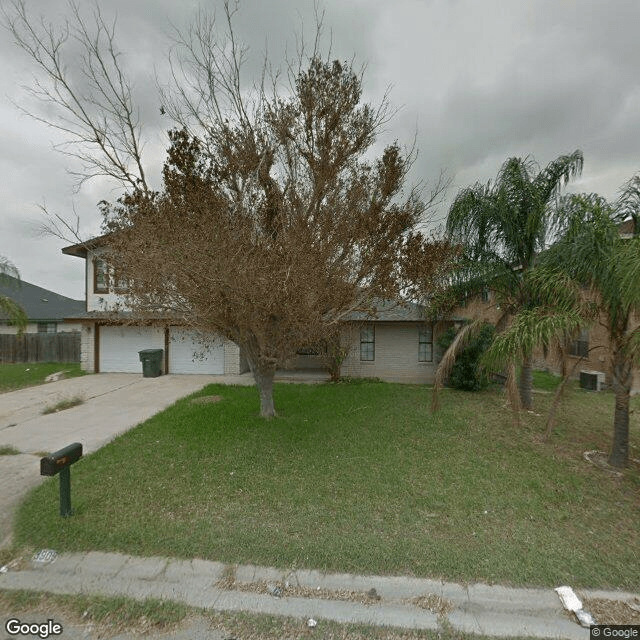
3905 Bourbon Street, Harlingen, TX 78550
To contact a resident: (210) 781-5287
For more information about senior living options: (866) 208-4318
Sister's Personal Care Home Costs & Pricing
Sister's Personal Care Home offers competitive pricing for its services, particularly when compared to the costs observed in Cameron County and throughout Texas. For a semi-private room, residents pay $2,500 per month, which is notably lower than the county average of $2,743 and significantly below the state average of $3,680. Similarly, for those opting for a private room, the monthly cost is set at $3,000 - again more affordable than both Cameron County's average of $2,875 and Texas's broader rate of $4,096. This makes Sister's Personal Care Home an appealing choice for individuals seeking quality care without the burden of excessive costs.
| Floor plans | Sister's Personal Care Home | Cameron County | Texas |
|---|---|---|---|
| Semi-Private | $2,500 | $2,743 | $3,680 |
| Private | $3,000 | $2,875 | $4,096 |
Senior living communities with a similar price nearby
-
from +$250 / mo

Assisted Living At Laguna Vista
$2,750 / month24.6 miles away -
from +$250 / mo
Medford Place
$2,750 / month24.7 miles away
Overall Review of Sister's Personal Care Home
Pros
 The care is exceptional, prioritizing residents' health, wellbeing, and happiness.
- Yvette and her team provide unmatched personalized care for their residents.
- The homes are consistently clean, with fresh smells and tidy rooms.
- The staff attend to every detail as if each resident were the only one they care for.
- Families experience peace of mind knowing their loved ones receive the best possible care.
- Meals are tasty and enjoyed by residents, reflecting thoughtful, attentive service.
Review
Sister's Personal Care Home in Harlingen, TX is best suited for families seeking a private, home-like living arrangement where care is highly personalized, especially for seniors dealing with dementia or requiring hospice or end-of-life support. The setting prioritizes safety, cleanliness, and emotional warmth, with staff who know residents well and tailor routines to individual needs. For families who value an intimate, one-to-one care experience over a larger, more clinical campus, this community stands out as a practical, confident choice.
Those who should consider alternatives include families looking for large-scale medical oversight, extensive on-site therapy services, or a bustling social calendar. A larger nursing home or campus with formal medical programming may better serve a loved one needing comprehensive, round-the-clock clinical oversight. The intimate, private-home model can be less ideal for individuals who require extensive medical equipment, frequent on-site physicians, or broad, campus-wide activity options.
The core advantages are rooted in hands-on leadership and meticulous caregiving. Yvette’s direct involvement ensures staff are trained to protect safety, maintain cleanliness, and deliver dignified, detail-oriented care. The environment consistently feels clean and fresh, with tidy rooms and meals that are both appealing and nourishing. The care model emphasizes daily routines, personal attention, and compassionate interactions, producing a sense of security and consistency that families often describe as priceless. These strengths counterbalance the trade-off of operating on a smaller footprint by delivering a level of individualized attention that larger facilities frequently struggle to replicate.
Reviews repeatedly highlight exceptional, personalized care. Families report that residents with dementia receive tailored support that prioritizes health, wellbeing, and happiness, and that caregivers extend beyond basic tasks to convey genuine warmth and love. The private-home format is praised as a meaningful upgrade from prior experiences in larger or less intimate settings, translating into a palpable sense of home and peace of mind for families. End-of-life and hospice experiences emerge as particularly strong, underscoring the model’s alignment with comfort, dignity, and consistent, attentive care. Taken together, these qualitative outcomes underscore a simple truth: when care teams are cohesive, well-led, and deeply invested in residents, the rest, cleanliness, meals, daily routines, falls into place.
Prospective decision-makers should verify a few practical realities. The intimate setting, while its strength, may come with fewer on-site medical staff or expansive therapy offerings compared with larger facilities, so confirm what medical oversight looks like, who is on duty, and how continuity of care is maintained during staff turnover. Inquire about caregiver-to-resident ratios, daily schedules, and how emergencies are handled overnight. It is also wise to discuss meal planning, activity options, and how dementia-specific routines are implemented to ensure alignment with the loved one’s preferences and progression.
Bottom line: for families prioritizing a loving, home-like atmosphere with extraordinary personalized care, particularly for dementia care and end-of-life needs, Sister's Personal Care Home stands out in Harlingen. Its leadership, cleanliness, and deeply compassionate staff deliver peace of mind and a quality of life that many private-home settings aspire to but rarely achieve. Alternatives exist for those seeking the scale and formal medical resources of larger campuses, but when the objective is intimate attention, dignity, and a familial environment, this community warrants serious consideration. Schedule a tour to observe caregiver interactions, ask about dementia-specific routines, and confirm costs and care plans to ensure alignment with expectations.
 Board and Care Home
 Cats allowed
 Activities off-site
 Bath tubs
 Devotional services off-site
 Indoor common areas
 Outdoor common areas
 Private
 Respite or short term stays offered
 Wheelchair accessible showers
 Valley International (5 miles away)
 Ambulatory care
 Diabetic care
 High acuity care
 Meals provided

 Skilled Nursing Facilities vs. Nursing Homes: Making Sense of the Differences
 A Detailed Examination of Nursing Home Costs Across the U.S.
 Exploring Nonmedical Home Care: Understanding Services, Costs, and Financial Approaches