

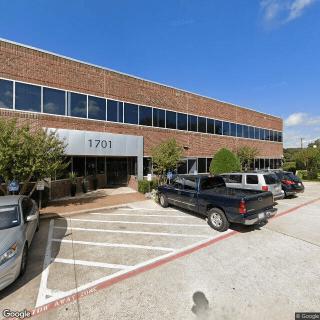
1340 South Main Suite 130, Grapevine, TX 76051
To contact a resident: (817) 488-6600
For more information about senior living options: (866) 208-4318
Overall Review of Brightstar of Mid Cities
Pros
 BrightStar Care of Grapevine is amazing; its caregivers are compassionate, reliable, and professional.
- The team is incredibly professional, compassionate, and attentive from start to finish.
- The physical therapists are knowledgeable, patient, and invested in their clients’ progress.
- Each session is encouraging and tailored to individual needs, making recovery effective and motivating.
- Their positivity and expertise help build confidence and make the process smoother.
- The nurses are dedicated, compassionate, and provide high-quality professional care.
- The office communications are top-notch, keeping families in the loop and responding quickly.
- Access to 24/7 support provides peace of mind for families.
Cons
 BrightStar Care took a week to schedule care.
- The scheduled care was incomplete per the physician’s orders.
- BrightStar Care discharged the patient without notice.
- BrightStar Care had two instances where caregivers did not show up.
- BrightStar Care’s contract policies were described as rigid.
- BrightStar Care would not assist in the hour of need due to paperwork.
- The representations BrightStar Care made during the decision-making process did not match the actual experience.
Review
BrightStar Care of Grapevine is best suited for families seeking robust, hands-on in-home care with licensed nursing and therapy support, especially when the loved one requires post-acute recovery, dementia-informed assistance, or round-the-clock availability. The service line consistently earns praise for professional, compassionate caregivers and for a leadership team that remains engaged in the care plan. This is not a “set it and forget it” home health option; it is a coordinated, clinical-focused solution designed to keep a person safe at home while delivering measurable progress in rehabilitation and daily functioning.
The strongest selling points center on the caliber of the staff and the depth of clinical resources. Reviewers repeatedly note caregivers who are reliable, kind, and skilled, with physical therapists and nurses standing out for their knowledge, patience, and tailored approach. Family members highlight the value of having a private-duty nurse who becomes a familiar, trusted presence, and the reputation for responsive, thorough office communication that keeps families in the loop. The capacity to mobilize 24/7 support and to provide a continuum of care, nursing, therapy, and wound care when needed, creates real peace of mind for those managing complex conditions or transition from hospital to home.
Yet the service is not without blemishes. Several accounts point to scheduling ebbs and flows, including a week-long delay to start care and inconsistent visit frequency, sometimes punctuated by no-shows. A few families describe rigid contract terms or pricing that feels high relative to expectations, and they report that not every caregiver meets the same standard of performance. The most consequential gaps involve care that doesn’t fully align with physician orders or the absence of proactive problem-solving when staffing gaps occur. Taken together, these reliability weaknesses can undermine confidence during urgent or sensitive care moments.
Despite the drawbacks, the pros frequently offset the cons for families prioritizing high clinical proficiency and continuity of care. When a trusted RN or PT is on the case and communication remains clear, BrightStar’s offers around oversight, tailored dementia care, and dementia-specific strategies translate into meaningful improvements in quality of life and daily functioning. Ownership involvement and consistent case management help resolve issues more quickly than what might be expected from a purely franchise-like arrangement. For families needing rehabilitation, medication management, and post-discharge support, the framework remains compelling.
This option warrants careful consideration for those who value clinical excellence but may want to avoid the risk of irregular scheduling. Alternatives may be preferable for households with extremely tight budgets, where guaranteed visit regularity and fixed staffing expectations are non-negotiable, or for families seeking a purely non-clinical, long-term companionship-focused model at home. Similarly, if a preferred caregiver stability record exists elsewhere or if the desire is for a more flexible scheduling approach with fewer formal constraints, exploring other agencies could yield a better fit. The key is to align expectations with the agency’s demonstrated strengths: skilled clinical care, responsive communication, and a readiness to intervene when plans go awry.
In practical terms, families considering BrightStar should enter with a clear service blueprint: confirm the exact mix of nursing versus therapy hours, establish a primary caregiver roster with contingency back-ups, and insist on a written plan for escalation when a shift is missed or a physician order changes. Request concrete examples of dementia-care strategies, wound-management protocols, and 24/7 coverage logistics. Seek recent references that mirror the loved one’s needs, especially in post-acute and dementia scenarios. When these elements line up, BrightStar’s combination of professional staff, clinical capability, and attentive oversight can deliver a dependable at-home care experience that reduces hospital readmission risk and sustains independence at home.
 Dallas-Fort Worth International (3 miles away)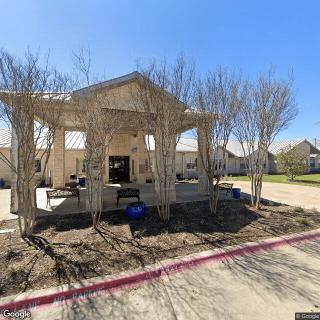

 Navigating Medicare Coverage for In-Home Care Services
 In-Home Care Costs in 2025: A Detailed State-by-State Exploration
 Understanding Home Health Care: A Comprehensive Guide