
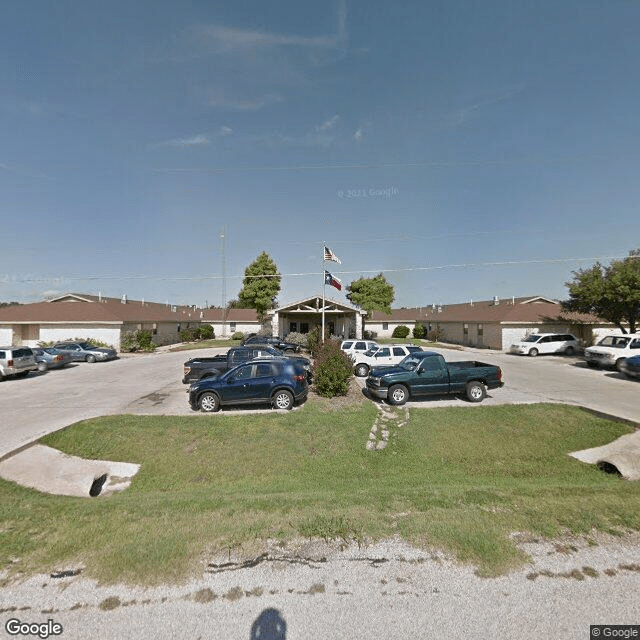
601 N Alligator Rd, Granger, TX 76530
To contact a resident: (512) 859-2671
For more information about senior living options: (866) 208-4318
Overall Review of Oakwood Personal Care Home
Pros
 The program is described as a place where lives get turned around and where some have been saved from real trouble.
- The staff are described as genuinely caring about residents and their families.
- Former attendees credit the place with life-changing impact and lasting personal growth.
- The counselors and staff are noted for their dedication and for loving their jobs.
- Graduates continue to use the communication skills learned there in daily life.
- Acceptance is portrayed as a central theme that contributed to lasting change.
Cons
 The reviewer says it was the worst eight months of his life, worse than jail and prison.
- They call the place a hell hole.
- They state the facility is not family friendly and won’t tell if a family member is okay.
- They describe the front desk staff as hateful and cruel to family members.
- They note that staff hang up on people asking if their relative is okay.
- They claim the facility is privately run and uses private company rules to strip loved ones of rights as humans.
- They describe it as a very sad place to be when a loved one needs help but still needs support.
Review
Oakwood Personal Care Home in Granger is best suited for residents who want a structured, therapeutically oriented environment where staff and counselors emphasize growth, accountability, and life-skills, particularly for individuals navigating recovery or behavioral change. The strongest voices among the reviews describe a setting that can catalyze real personal transformation, with residents and alumni crediting dedicated counselors and a community that pushes toward honesty, responsibility, and practical life lessons. This is not a passive, purely custodial home; it is a place where engagement, reflection, and discipline are emphasized, and where the potential for meaningful change is real for those willing to lean in.
That said, families should explicitly recognize who may want to consider alternatives. If transparent, proactive communication with loved ones is non-negotiable, Oakwood’s front-office experience has been described as inhospitable and inconsistent, with reports of abrupt phone encounters and limited information about a resident’s status. For anyone expecting a consistently courteous, family-centric administrative culture or a setting that minimizes conflict with staff, alternative facilities with stronger family liaison programs and steadier update routines will likely feel more reliable. Also, for residents who require skilled nursing, medical oversight, or a more purely custodial environment, other options may better align with those clinical needs.
The positives at Oakwood rest on a palpable staff commitment and a culture of care that can translate into durable personal gains. Several reviews highlight staff and counselors who genuinely love their work and, in some cases, regard residents with remarkable empathy and respect. Alumni recount formative experiences, tough but transformative lessons in communication, honesty, and self-reliance, delivered in a supportive but demanding setting. The environment appears to cultivate accountability and practical skills through structured routines, meaningful interactions, and opportunities to contribute to community projects. When the program clicks, residents describe lasting benefits that extend well beyond their stay, including skills that have helped them navigate life after discharge.
That resilience, however, is tempered by notable drawbacks that can color the overall experience. The most persistent concerns revolve around the administrative side: unfriendly or obstructive front-desk interactions, a sense that family updates are inconsistent or hard to obtain, and perceptions that private-company policies trump individual rights to timely information. In a setting where families deserve steady reassurance about their loved ones, these issues create an atmosphere of distrust or frustration that can undermine otherwise solid care. The tension between the therapeutic, peer-supported environment and the perceived rigidity of administration is real and cannot be ignored when weighing Oakwood against other options.
Against these negatives, the degree to which the positives offset them depends on the resident’s readiness and the family’s expectations. For a resident who engages fully with counselors, accepts the program’s demands, and values the chance to rebuild life-competency within a tight-knit community, Oakwood can deliver meaningful, even life-saving outcomes. The downside is that the same environment requires robust, proactive communication from the facility; without that, the gains risk feeling hollow or unmanaged. Prospective families should demand concrete assurances: regular, scheduled updates; a clear point of contact for progress reports; and documented care plans that can be reviewed together with the resident’s goals.
In the end, Oakwood is a mixed-utility option that rewards commitment and candid engagement. It is best chosen by families pursuing a rehabilitative, growth-focused trajectory for a loved one who is prepared to immerse themselves in the program and who can tolerate, or even embrace, the occasional friction with administration as a trade-off for deeper transformation. It is less suitable for those prioritizing seamless communication, consistent family involvement, or a purely comfort-oriented living situation. For those still weighing, consider whether the potential for lasting personal change justifies navigating the administrative rough edges, or whether a facility with stronger family liaison practices and steadier communications would align more closely with the family’s expectations and the resident’s needs.
 Board and Care Home



 Navigating Medicare Coverage for In-Home Care Services
 In-Home Care Costs in 2025: A Detailed State-by-State Exploration
 Understanding Home Health Care: A Comprehensive Guide