
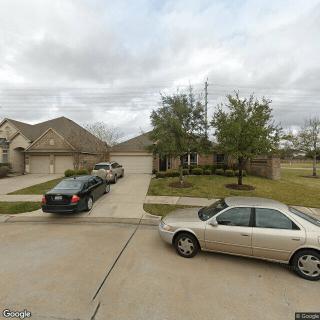
4218 Brannon Branch Court, Fulshear, TX 77441
For more information about senior living options: (866) 208-4318
Overall Review of Osa Heritage Homes
Pros
 OSA Heritage is overall very good.
- The staff are very friendly.
- They provide clean and sanitary facilities in a home environment.
- The owner has been very attentive to residents' health.
- The food is good, and residents have even eaten foods they had never eaten before.
- The room is nice and has its own bathroom, plus amenities like cable TV.
Cons
 The reviewer claims the staff are not certified.
- They say no background checks are performed.
- They report the facility is being sued.
- They state they were asked to pay $3,500 upfront to access care.
- They assert everything Joe told them about the place was a lie, including claims of daily cooking and 24-hour care.
- They allege residents were left in wet diapers, causing a severe rash and requiring wound care.
- They claim medicines were not administered properly, with a seizure medicine bottle used up in two weeks.
- They say they would not recommend the place and that some practices are illegal.
Review
OSA Heritage Homes is best suited for families seeking a small, home-like living environment where warmth from staff and a personal touch from the owner shape daily life. It works well for seniors whose needs are largely daily living support rather than highly medicalized supervision, and who value a non-institutional vibe over a traditional, large- scale facility. Positive indicators, clean, sanitary facilities, a true home atmosphere, and a private room with its own bathroom, combine with staff that are described as friendly and consistently attentive. For families who prize continuity, a familiar setting, and visible pride from the owner, this community can feel reassuring and comfortable.
Those with memory-care demands or complex medical needs should seriously consider alternatives. The strongest red flags arise from allegations suggesting neglect and a lack of appropriate safeguards: claims that memory-care residents were left in soiled conditions, concerns about caregiver certifications and background checks, and mentions of legal action against the operation. Reports of supposed rapid turnover in care standards, questions about licensure, and accusations of improper billing practices further amplify the risk profile. In short, for families prioritizing regulated memory support, medication safety, and transparent licensing, other options deserve close comparison.
The positives do carry meaningful weight. A genuinely friendly staff, a home-like atmosphere, and meals that residents actually enjoy can make daily life more pleasant and reduce stress for both the person living there and their family. The room setups, self-contained spaces with private bathrooms and the ability to accommodate equipment like a hospital bed, support a sense of dignity and independence. When visits reveal a calm, orderly routine and caregivers who remember personal preferences, these elements translate into tangible reassurance for families seeking a low-key, supportive setting.
Yet the most serious concerns lie in the service and safety gaps described by multiple reviewers. Allegations about misrepresented capabilities, such as promises of 24-hour care or daily cooking that do not materialize, complicate the decision. Problems with medication administration, including used medication and lapses in routine wound or diabetic care, add a layer of risk that is hard to offset with the positives. The absence of verified professional credentials and background checks, along with suggestions of unlawful practices and upfront payment pressures, are not minor caveats; they redefine the confidence level families must bring to the table.
How the pros offset the cons depends on the family’s priorities and the senior’s needs. If the priority is a warm, intimate setting with straightforward assistance, and if robust oversight steps can be added, clear, written care plans; direct confirmation of staff credentials; and a rigorous verification of licensure and current inspections, the positives can still offer substantial value. The lack of amenities such as a library or structured enrichment may be a preference for some, but it becomes a drawback for those seeking a more active social calendar or greater stimulation beyond routine daily living.
Bottom line: for families evaluating OSA Heritage Homes, a decisive approach is essential. Schedule a comprehensive on-site tour, press for concrete evidence of licensure, staffing qualifications, and current inspection results, and request to see the exact medication administration process and care plans. Demand recent references and opportunities to speak with current residents or families about day-to-day safety and engagement. If memory care or intensive medical oversight is non-negotiable, continue the search and compare options with transparent billing and proven regulatory compliance. If a warm, homey environment with attentive, personable staff is the priority and a careful, documented oversight plan can be put in place, this community warrants serious consideration, but only after thorough verification of those critical concerns.
 8 resident community capacity
 Assisted Living
 Board and Care Home
 Cable or satellite TV
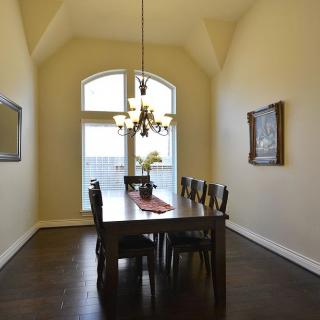
 Dining room
 Fully furnished
 Garden
 Housekeeping services
 Move-in coordination
 Outdoor space
 Telephone
 Wi-Fi/high-speed internet available
 24-hour supervision
 Activities of daily living assistance
 Assistance with bathing
 Assistance with dressing
 Assistance with transfers
 Diabetes diet
 Meal preparation and service
 Medication management
 Special dietary restrictions
 Transportation arrangement (medical)
 Transportation to doctors appointments





 Beyond the Bingo Hall: 50+ Enriching Activities for Seniors in Assisted Living
 Understanding the Distinctions: Assisted Living and Memory Care Explained
 Guiding Elderly Parents Who Refuse Assisted Living: 6 Practical Steps