
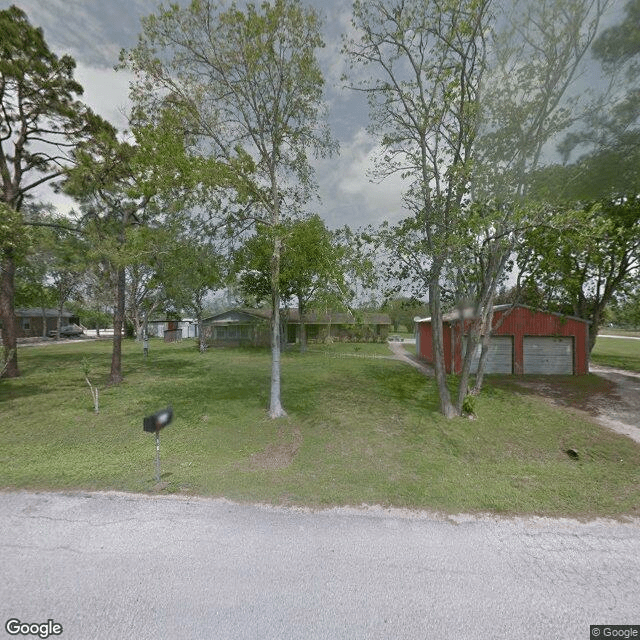
703 East Palm, Fresno, TX 77545
For more information about senior living options: (866) 208-4318
Quality Personal Care Home Costs & Pricing
Quality Personal Care Home offers competitive pricing for its services compared to the broader market in Fort Bend County and the state of Texas. For a semi-private room, residents pay $2,000 per month, which is significantly lower than the county average of $3,813 and the state average of $3,680. Similarly, the monthly cost for a private room at Quality Personal Care Home is set at $2,800 - again a more economical choice when compared to Fort Bend County's average of $3,890 and Texas's average of $4,096. This pricing structure underscores Quality Personal Care Home's commitment to providing accessible and affordable personal care without compromising on quality.
| Floor plans | Quality Personal Care Home | Fort Bend County | Texas |
|---|---|---|---|
| Semi-Private | $2,000 | $3,813 | $3,680 |
| Private | $2,800 | $3,890 | $4,096 |
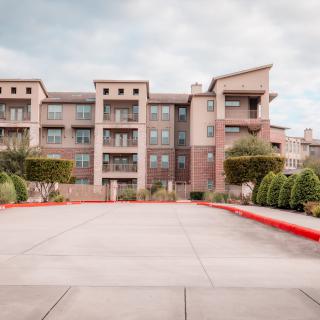
Assisted Living communities with a similar price nearby
-
from +$200 / mo
Nixon Assisted Living Of Houston
$2,200 / month21.1 miles away -
from +$370 / mo

Morada Friendswood
$2,370 to $4,385 / month15.0 miles away -
from -$380 / mo
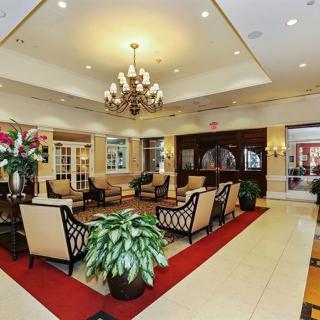
The Forum at Memorial Woods
$1,620 to $3,725 / month17.4 miles away -
from +$395 / mo

Greatwood At Sugar Land
$2,395 to $3,995 / month14.8 miles away -
About the same
Wildwood Terrace Assisted Living
$2,000 to $2,500 / month16.8 miles away
Overall Review of Quality Personal Care Home
Pros
 The staff are described as great.
- The caregiver Elizabeth was engaged, cheerful, and knowledgeable.
Cons
 The meals are unbalanced, with lots of beans and rice and hardly any milk or eggs.
- The shower does not work.
- Those who shower themselves must sit on a chair and bathe without a shower head.
- The home is in repair big time.
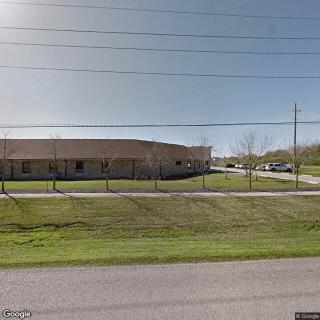
- The facility is very dark and depressing.
- The women share one bathroom which is not close to all the bedrooms.
- It is not a walk-in shower.
- The house did not look well scrubbed.
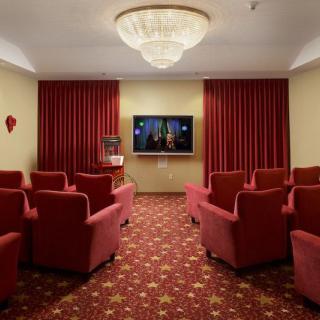
- The only activity observed was the TV.
Review
Quality Personal Care Home in Fresno, TX is best suited for a resident who needs straightforward supervision and values a small, caregiver-centered setting over polished amenities. The strongest asset is the staff, described as caring and capable, with caregivers like Elizabeth singled out for being engaged, cheerful, and knowledgeable. In a house that can feel dark and worn, the human touch becomes the primary lifeline. This setting works for someone who prioritizes dependable, personal attention and does not require a bright, modern atmosphere or a broad slate of activities.
Those who should explicitly consider alternatives include families seeking brighter surroundings, richer activity programming, or residents who require more than gentle supervision. The facility’s physical condition and operational gaps raise concerns for anyone focused on safety, dignity, and daily practicality. A nonfunctional shower, the lack of walk-in options, and a cramped, shared bathroom layout are red flags for accessibility and privacy. If a balanced, varied menu and a lively daily routine are non-negotiables, other options deserve close comparison.
The upside, the warmth of staff and the potential for meaningful personal connection, offers a meaningful buffer against the cons. A compassionate team can reduce anxiety, create a sense of belonging, and help residents feel seen in a home-like setting. Yet these strengths do not fully offset persistent maintenance issues, a dim, depressing ambience, and clear operational gaps that affect daily life. When mood and safety hinge on environmental quality as much as on kindness, good intentions alone cannot sustain long-term comfort.
During visits, there are concrete questions to guide decision-making. Confirm whether the shower systems are operational and whether accessible, walk-in options exist; verify bathroom proximity and the number of facilities for residents, especially for those with mobility needs; review the current menu and assess whether there is real variety and nutritional balance; inquire about activity programming beyond passive TV time and how residents engage throughout the day; inspect cleanliness, odor, lighting, and the overall condition of common areas and bedrooms; and evaluate safety features, including lighting and call systems. A candid tour should reveal whether warmth translates into a consistently livable daily environment or remains an occasional virtue.
If pursuing this home, create a practical checklist focused on repairs and reliability: a firm timeline for outstanding maintenance, a clear plan to address the nonfunctional shower setup, and transparency around bathroom access for residents with mobility challenges. The reported maintenance needs and the shared, non-ideal bathroom arrangements signal ongoing risk that can erode comfort and safety if not actively managed. For families juggling caregiving responsibilities, these factors matter as much as staff kindness, because upkeep lapses can quickly undermine daily well-being.
The bottom-line recommendation is to favor this community only if the primary priority is a caring, attentive staff and a home-like feel where daily rhythms are guided by consistent human interaction. For families that cannot compromise on dependable facilities, consistent cleanliness, robust meal options, and engaging programming, alternatives should be pursued. A disciplined, comparative approach, request an up-to-date, unfiltered tour, demand a detailed repair log, and benchmark against nearby options with stronger physical environments and fuller daily activities, will reveal whether Quality Personal Care Home is the right fit or a stepping stone toward a more suitable, well-rounded community.
 11 resident community capacity
 Assisted Living
 Board and Care Home
 Activities off-site
 Beautician on-site
 Cable or satellite TV
 Devotional services off-site
 Dining room
 Fully furnished
 Garden
 Housekeeping services
 Indoor common areas
 Move-in coordination
 Outdoor common areas
 Private
 Telephone
 Wi-Fi/high-speed internet available
 William P X (13 miles away)
 24-hour supervision
 Assistance with bathing
 Assistance with dressing
 Assistance with transfers
 Diabetes diet
 Diabetic care
 High acuity care
 Incontinence care
 Meal preparation and service
 Medication management
 Special dietary restrictions
 Transportation arrangement (medical)
 Transportation to doctors appointments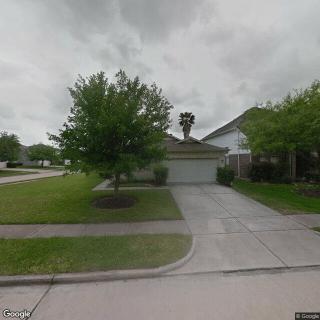


 Comprehensive Insights into Activities of Daily Living (ADLs) and Their Assessment
 Medicare Coverage for Assisted Living: An In-Depth Exploration
 Choosing the Right Senior Care: A Detailed Exploration of Assisted Living and Nursing Homes