

111 Hogeye, Elgin, TX 78621
To contact a resident: (512) 791-3342
For more information about senior living options: (866) 208-4318
Rainbow Ridge Costs & Pricing
At Rainbow Ridge, the costs for accommodation are notably competitive compared to both Williamson County and the broader state of Texas. For a semi-private room, residents can expect to pay $2,950 per month, which is significantly lower than the county average of $4,006 and the state figure of $3,680. Similarly, for those preferring a private room, Rainbow Ridge offers rates at $3,450 - again more affordable than Williamson County's average of $4,482 and Texas's average of $4,096. These pricing structures reflect Rainbow Ridge's commitment to providing high-quality care at accessible rates within a supportive community environment.
| Floor plans | Rainbow Ridge | Williamson County | Texas |
|---|---|---|---|
| Semi-Private | $2,950 | $4,006 | $3,680 |
| Private | $3,450 | $4,482 | $4,096 |
Assisted Living communities with a similar price nearby
-
from +$250 / mo
University Village
$3,200 to $5,300 / month23.7 miles away -
About the same
Maravilla at the Domain
$2,914 / month18.6 miles away -
from -$500 / mo
Argent Court
$2,450 to $2,750 / month13.4 miles away -
from +$550 / mo
Serenity Senior Living
$3,500 to $4,500 / month17.0 miles away -
from -$375 / mo
Wells Point Lodge
$2,575 to $4,300 / month16.4 miles away
Overall Review of Rainbow Ridge
Pros
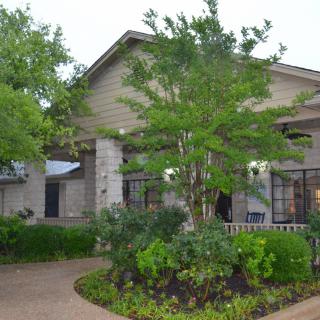
 Rainbow Ridge is described as friendly, hospitable, and having a homey feel.
- The environment is wonderful, clean, and well-maintained with pleasant surroundings.
- Caregivers are attentive and communicate effectively with families.
- Residents show improvement after moving to Rainbow Ridge and can engage in conversations.
- The facility offers activities and classes to keep residents mobile and engaged.
- The setting includes a beautiful back deck, flowers, and scenic views that create an inviting atmosphere.
Cons
 They drug them up and let them lay so they do not have to mess with them.
- It is a hell hole.
- The residents will only get worse.
- The facility is terrible.
Review
Rainbow Ridge is best suited for families seeking a compact, home-like assisted living environment where staff know residents well, care feels personal, and daily routines are adaptable to individual needs. The setting appeals to those who value warmth, a country ambiance, and intimate, caregiver-driven attention over institutional formality. It is especially appropriate for residents who benefit from flexible activities and sincere family-style communication. However, this is not the right choice for those who require heavy medical oversight, highly structured clinical programs, or barrier-free access for frequent visits; in such cases alternatives with stronger medical capabilities or accessible design may be a better fit.
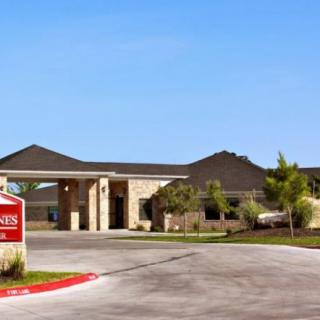
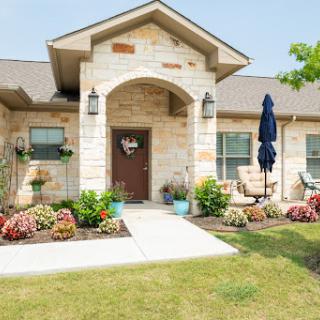
Pros are anchored in the community’s intimate feel and attentive caregiving. The country setting, clean environment, and homelike interior contribute to a sense of comfort that families consistently praise. Caregivers are described as loving and responsive, with meticulous daily records that track meals, hydration, activities, and medication times. Activities, even when modest, are present, games, crafts, and dementia-friendly engagement, and there is a lived-in charm: a back deck, flowers, and even a resident goose that adds a personal touch. The willingness to tailor programming for residents with dementia, adjusting schedules and introducing mobility-focused activities, stands out as a meaningful strength.
On the downside, a troubling minority of reviews raises serious concerns that cannot be ignored. Phrases like “hell hole” and accusations of overmedicating to avoid workload hint at potential neglect or misuse, though these claims are not representative of all experiences. The most credible caution is the accessibility question: there are steps to access the home and a long back ramp, which may pose a challenge for visiting family members or residents with mobility limitations. Additionally, some comparisons note that initial activity levels may be sparse for more advanced residents, suggesting a need for ongoing proactivity in program design and supervision.
Those positives partially offset the concerns through demonstrated care quality and personal attention. The small, home-like scale fosters closer relationships between residents and caregivers, which often translates into more nuanced monitoring and quicker responsiveness. Transparent family communication and detailed care logs reduce ambiguity and help families stay connected to daily routines. When staff commit to customizing activities and accommodating mobility needs, Rainbow Ridge can deliver meaningful engagement and mood stability that larger facilities may struggle to provide.
For families evaluating options, the practical path is to verify core guarantees: barrier-free access where needed, a transparent medication protocol, and a clear plan for dementia-specific activities led by dedicated staff. Schedule a thorough tour, meet the direct caregivers, and review the daily care logs and meal plans. Ask how mobility and engagement are tracked over time and who oversees activity programming. If accessibility and clinical oversight are non-negotiable, broader options should be explored. If, instead, a loving, highly attentive, home-like setting with adaptable programming feels right, Rainbow Ridge stands out as a compelling, decision-worthy choice.
In the end, Rainbow Ridge represents a strong fit for families seeking a small, neighborly community where care feels personal, staff are communicative, and environments foster familiarity and warmth. It may not suit those needing rigorous medical management or barrier-free design for every visitor and resident. The decisive step is a careful visit that tests accessibility, observes caregiver interactions with residents, and confirms that medication practices align with family expectations. When those checks align, Rainbow Ridge offers a sincere, practical alternative to larger, more clinical settings, a true home away from home that can support meaningful quality-of-life improvements for the right resident.
 6 resident community capacity
 Assisted Living
 Board and Care Home
 Cats allowed
 Dogs allowed
 Activities on-site
 Bath tubs
 Beautician on-site
 Cable or satellite TV
 Dining room
 Fully furnished
 Garden
 Housekeeping services
 Indoor common areas
 Move-in coordination
 Outdoor common areas
 Private
 Respite or short term stays offered
 Telephone
 Wheelchair accessible showers
 Wi-Fi/high-speed internet available
 Austin-Bergstrom International (15 miles away)
 24-hour supervision
 Ambulatory care
 Assistance with bathing
 Assistance with dressing
 Assistance with transfers
 Diabetes diet
 Diabetic care
 High acuity care
 Incontinence care
 Meal preparation and service
 Medication management
 Special dietary restrictions
 Transportation arrangement (medical)
 Transportation to doctors appointments



 Is Assisted Living Deductible on Your Taxes? Understanding the Complexities of Assisted Living Expenses and Deductions
 Assisted Living Support for Veterans: A Complete and Detailed Overview
 Exploring the Contrasts Between Assisted Living and Skilled Nursing