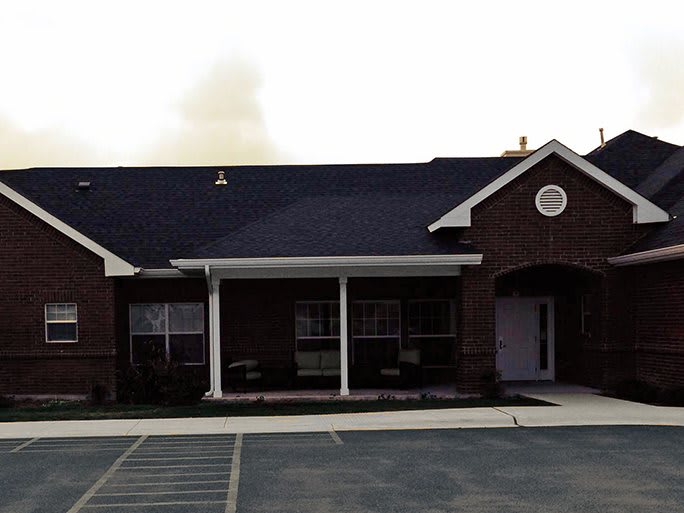
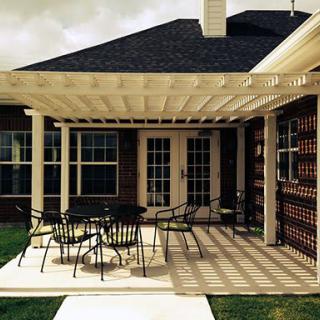
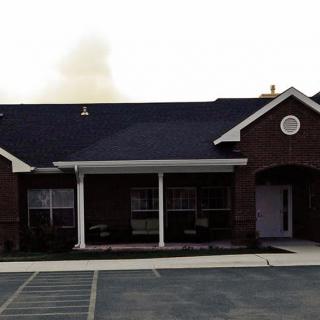
78 Tomahawk Trail, Del Rio, TX 78840
For more information about senior living options: (866) 208-4318
Southwest Assisted Living Memory Care Costs & Pricing
At Southwest Assisted Living Memory Care, the monthly cost for a studio is set at $3,880. This rate exceeds the average for Val Verde County, which stands at $3,340, reflecting the center's commitment to providing high-quality care tailored to residents' needs. When compared to the state average of $3,758 in Texas, Southwest Assisted Living's pricing positions it on the higher end. However, this investment can be justified by the specialized services and amenities offered to support individuals with memory care requirements, ensuring that residents receive comprehensive support in a nurturing environment.
| Floor plans | Southwest Assisted Living Memory Care | Val Verde County | Texas |
|---|---|---|---|
| Studio | $3,880 | $3,340 | $3,758 |
Overall Review of Southwest Assisted Living Memory Care
Pros
 They are trying very hard there.
- The place is clean and the staff is friendly.
- The food is good, and they offer activities.
- The price is comparable to other places.
- The place is small and clean.
- People would recommend them to others.
Review
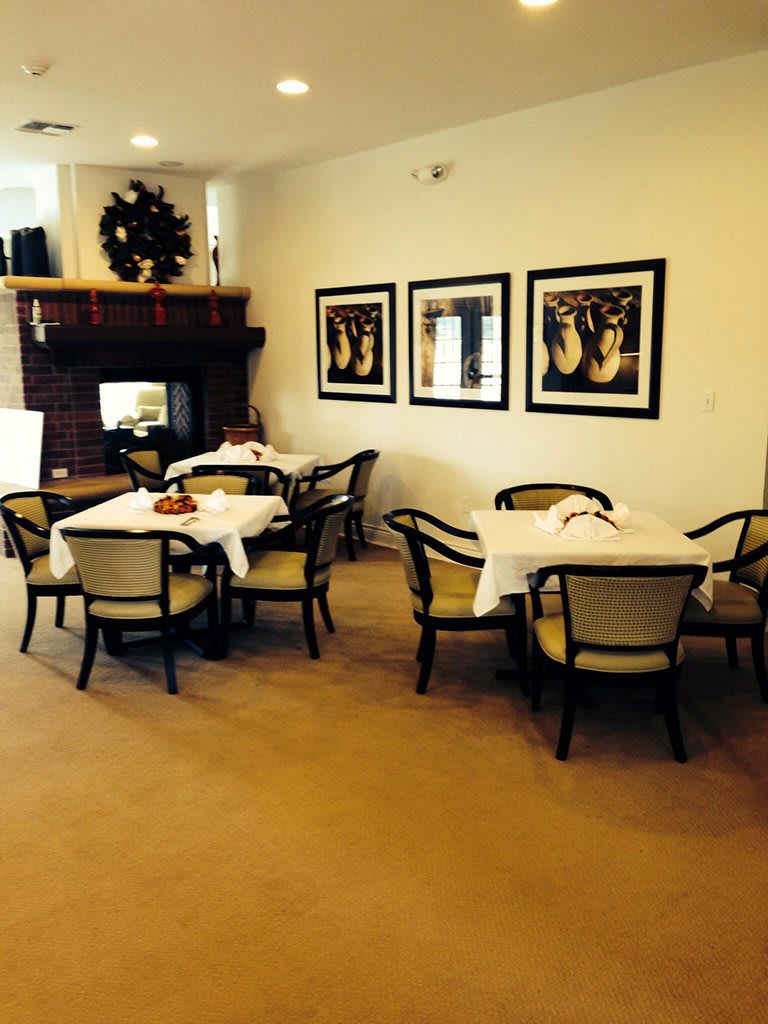
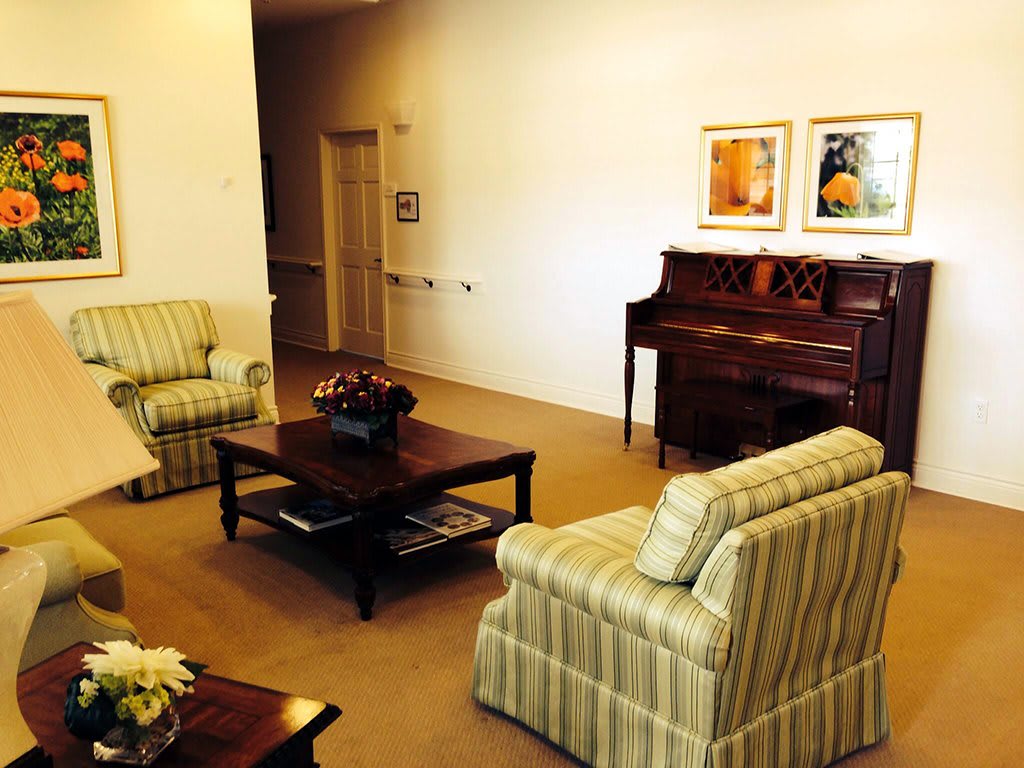
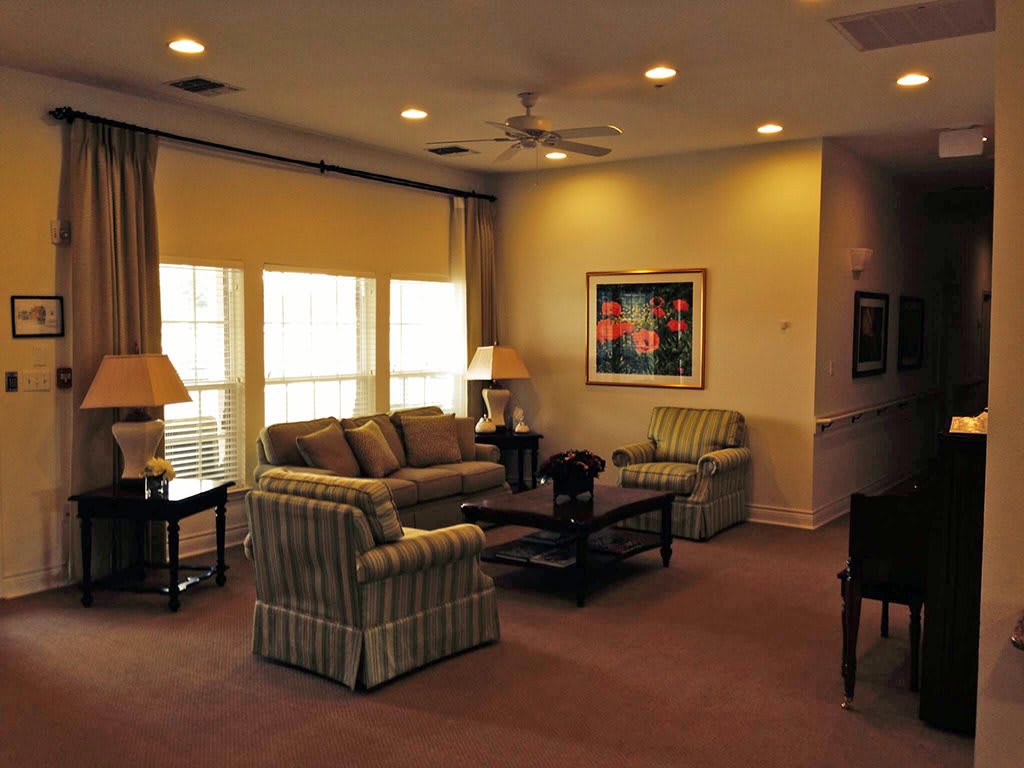
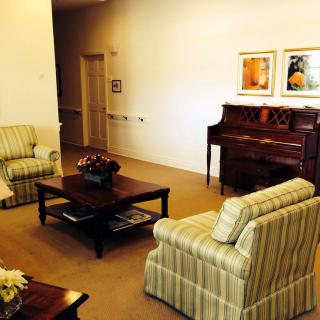
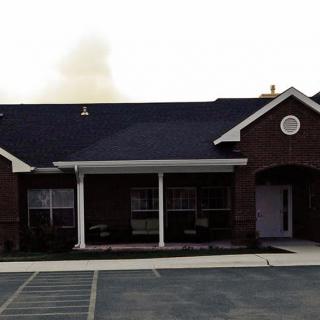
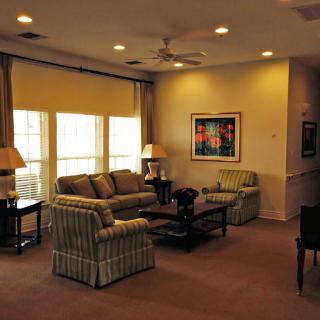
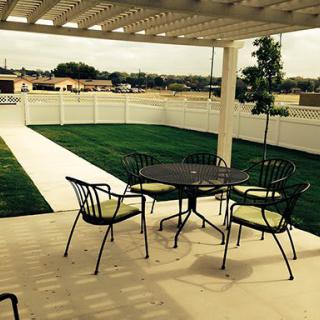
Southwest Assisted Living Memory Care in Del Rio is best suited for families seeking an intimate, well-kept memory-care setting where residents receive steady, personal attention within a compact campus. The community appears to reward approaches that emphasize familiarity, routines, and a homelike feel. It suits residents who benefit from a smaller-scale environment where staff can establish consistent, daily relationships and where care can feel individualized rather than industrial. In short, it’s a practical fit for someone who wants a calm, manageable pace, predictable programming, and a welcoming, neighborly atmosphere.
The strongest selling points are clear in the everyday experience described by families: cleanliness, approachable and dedicated staff, and dependable nourishment and activities. The setting tends to run smoothly, with staff who are perceived as friendly and responsive, and with meals that meet expectations for quality in this category. The activities program, while not exhaustively detailed in the accounts, offers engagement opportunities that align with a smaller community, avoiding the overwhelming feel of a large campus. Importantly, the price sits in a comparable range to similar offerings, which makes the value proposition straightforward for families weighing budget against level of attention and atmosphere.
That said, the most meaningful trade-offs come into focus when considering what the community is not described as offering in great depth. A smaller campus naturally presents limits on the breadth of programming, specialized services, and on-site clinical resources that larger memory-care campuses may provide. The absence of explicit notes about extensive medical oversight, advanced dementia therapies, or a wide variety of therapeutic modalities suggests that prospective residents with complex clinical needs should perform careful due diligence. For families with a loved one who requires aggressive 24/7 nursing care, a broad menu of specialty services, or highly specialized cognitive interventions, it is prudent to compare with bigger facilities that market a fuller continuum of medical and therapeutic supports.
Even with those potential gaps, the core advantages in a small, clean, and well-managed environment can offset limitations for many. The intimacy of the setting tends to enhance supervision, reduce the sense of chaos for memory-impaired individuals, and foster an easier pathway for staff to notice subtle changes day-to-day. When meals are dependable and activities are thoughtfully offered, the resident’s days feel purposeful rather than routine in a hollow sense. In short, the key pros, cleanliness, friendly staff, good food, structured activities, and a calm, compact campus, address the main risks of transition for many families: wandering, agitation, and social withdrawal. Those benefits carry disproportionate weight in a memory-care context where personal attention and predictable routines matter most.
To make a well-informed choice, families should verify several practical details that aren’t fully spelled out in the general impressions. Inquire about staffing levels across day and night shifts, the presence of licensed nursing on site, and the process for timely physician or nurse practitioner involvement. Ask about memory-care programming specifics, what therapies are routinely offered, how activities are customized to individual cognitive levels, and how safety features are implemented throughout the living spaces. Request a sample meal plan and a copy of an activity calendar, then review how transportation, family visits, and emergency procedures are handled. These questions will illuminate whether the warm, small-community feel translates into consistently reliable clinical support.
Bottom line: for families prioritizing an intimate, clean, and warmly staffed setting at a price that isn’t markedly higher than peers, Southwest Assisted Living Memory Care offers a compelling, practical option in Del Rio. It excels where personal attention, homelike atmosphere, and reliable daily routines are valued most. However, those whose loved ones require a broader medical footprint, more extensive dementia programming, or a large, resource-rich campus should consider alternatives and visit several communities to compare. A disciplined tour, clear answers on staffing and services, and a trial stay if possible will convert the choice from hopeful to confident.
 12 resident community capacity
 Assisted Living
 Board and Care Home
 Memory Care
 Cable or satellite TV
 Dining room
 Fully furnished
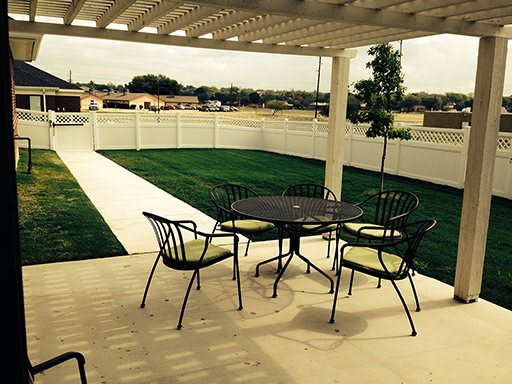
 Garden
 Housekeeping services
 Move-in coordination
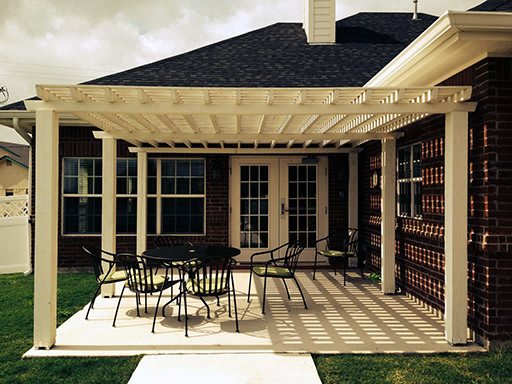
 Outdoor space
 Telephone
 Wi-Fi/high-speed internet available
 Del Rio International (2 miles away)
 24-hour supervision
 Activities of daily living assistance
 Assistance with bathing
 Assistance with dressing
 Assistance with transfers
 Diabetes diet
 Diabetic care
 Incontinence care
 Meal preparation and service
 Medication management
 Special dietary restrictions
 Transportation arrangement (medical)
 Transportation to doctors appointments


 How to Communicate with a Loved One Living with Dementia: 10 Supportive Strategies
 Comprehensive Guide to VA Nursing Homes: A Crucial Long-Term Care Resource for Veterans
 Estimating the Expenses of At-Home Dementia Care: A Detailed Exploration