
4408 Forest Bend Road, Dallas, TX 75244
For more information about senior living options: (866) 208-4318
Overall Review of Pathways Senior Living
Cons
 The staff are rude.
- They ruin quiet neighborhoods that had little street traffic.
- They redo homes cheaply to fit their needs.
- They question why this is not licensed by the state.
- They advise against sending loved ones here.
Review
Pathways Senior Living in Dallas reads best for families whose priority is affordability and a home-like living environment, with the willingness to trade off professional polish and formal regulatory assurances. The single reported experience casts the operation as a budget-conscious option that leans into a more informal, house-like setting rather than a traditional, tightly regulated assisted living program. The reviewer’s note that licensing status was questioned by the reviewer raises a red flag: if licensing or regulatory clarity is uncertain, the value proposition rests on less-than-ideal foundations. For families calculating a strict budget, this option might appear appealing, but only if the concerns about oversight and day-to-day respect from staff can be deprioritized.
Those who should actively consider alternatives are families prioritizing consistent, respectful care from trained staff, transparent licensing adherence, and a neighborhood environment that is not disrupted by the operation. If a resident’s needs include reliable medical oversight, structured activities, and a predictable, professionally managed daily routine, this community should not be the first choice. Prospective buyers should push for solid documentation of licensing, franchise oversight, and a track record of quality care. In short, any family seeking reassurance that care standards and regulatory compliance are non-negotiable should look elsewhere and evaluate other Dallas-area options with stronger, verifiable credentials.
The potential upside centers on cost control and a homey, low-frills setting. The concept of “cheaply redone homes to fit needs” suggests you may obtain a basic, neighborly living space at a lower price point than typical facilities. For some residents, that simplicity and lack of institutional feel can reduce stress and create a sense of being in a private residence rather than a clinical campus. If the decisive factor is rent-levels and avoiding the expense of a more traditional, heavily staffed operation, the pros could appear to offset some concerns, at least on a surface level. However, those savings are hollow if they come with compromised staff behavior, inconsistent care, or questions about licensure and oversight.
Despite the potential cost appeal, the main cons strike at the core of safe, dignified senior living. The report cites rude staff and a negative impact on quiet neighborhoods, which translate into daily friction, stress, and a sense of instability for residents and families. When staff interactions are undermined by disrespect, the quality of daily life degrades quickly, eroding trust and willingness to remain in place. Worse, the implication that the operation might not be state-licensed raises fundamental concerns about who is supervising care, what standards are applied, and how issues are addressed when they arise. Neighborhood disturbance further complicates the decision, signaling a living situation that may be better suited to a different kind of arrangement.
If continuing to evaluate Pathways Senior Living, proceed with rigorous due diligence. Demand current, verifiable licensing status from the state and a transparent record of compliance. Seek out references from current residents and families, and arrange multiple tours that include conversations with direct caregivers, supervisors, and a regional administrator. Ask pointed questions about staff training, turnover, incident reporting, medication management, and the availability of on-site medical oversight or partnerships. Inspect living spaces for safety features, maintenance standards, and overall cleanliness. Confirm what level of care can be provided on-site and how transitions (from independent to assisted living, or to higher levels of care) are managed. A clear picture of governance, accountability, and quality metrics is essential before moving forward.
In the end, the most practical conclusion is clear: this community should not be the default choice for families seeking reliable, respectful, and compliant senior care. The combination of reported rude staff, neighborhood disruption, questionable licensing, and a perception of subpar care oversight outweigh any cost advantages. Families should explore other Dallas options that offer transparent licensure, consistent staff training, and a reputation for maintaining residents’ dignity and safety. When the goal is to protect a loved one and provide dependable daily living, pathways that emphasize professional standards and verifiable oversight are the prudent, responsible path forward.
 8 resident community capacity
 Assisted Living
 Board and Care Home
 Cable or satellite TV
 Dining room
 Fully furnished
 Garden
 Housekeeping services
 Move-in coordination
 Outdoor space
 Telephone
 Wi-Fi/high-speed internet available
 Dallas Love (5 miles away)
 24-hour supervision
 Activities of daily living assistance
 Assistance with bathing
 Assistance with dressing
 Assistance with transfers
 Diabetes diet
 Meal preparation and service
 Medication management
 Special dietary restrictions
 Transportation arrangement (medical)
 Transportation to doctors appointments
 Homelike environment with attentive, responsive staff and strong family communication.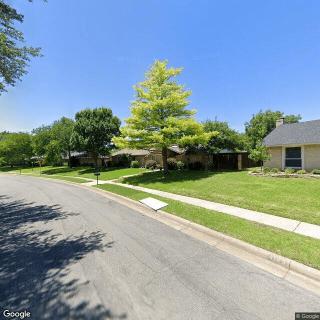





 Exploring the Contrasts Between Assisted Living and Skilled Nursing
 8 Key Indicators That Suggest It May Be Time to Transition from Assisted Living to Skilled Nursing Care
 Vibrant Senior Living: A Comprehensive Guide for Active Older Adults