


7701 Queens Ferry, Dallas, TX 75248
To contact a resident: (972) 423-3600
For more information about senior living options: (866) 208-4318
Manchester Place Care Homes Queens Ferry Costs & Pricing
Manchester Place Care Homes at Queens Ferry presents a unique offering in the realm of assisted living, with a monthly cost of $7,000 for private rooms. This rate stands in contrast to the average costs within Dallas County, which are approximately $4,702, and the broader Texas state average of around $4,096. While the pricing may appear higher than local competitors, Manchester Place distinguishes itself through a range of premium services and amenities that justify this investment. Residents benefit from specialized high acuity care tailored to individual needs, as well as enriching experiences such as live musical performances and theatrical events. Additionally, the presence of visiting chaplains or priests adds a valuable spiritual dimension to care. Each private room is equipped with its own bathroom, providing an added layer of comfort and privacy that enhances the overall quality of life for residents. In this context, while the costs may exceed regional averages, they reflect an exceptional commitment to comprehensive care and enriching lifestyle options that can be hard to find elsewhere.
| Floor plans | Manchester Place Care Homes Queens Ferry | Dallas County | Texas |
|---|---|---|---|
| Private | $7,000 | $4,702 | $4,096 |
Senior living communities with a similar price nearby
-
About the same

Manchester Place Care Home Spring Valley
$7,000 / month2.7 miles away -
About the same

Manchester Place Care Home Tranquilla
$7,000 / month11.3 miles away -
from -$1350 / mo

Iris Memory Care of Turtle Creek
$5,650 to $8,175 / month12.1 miles away -
About the same

Grand Brook Memory Care Of Allen
$7,100 / month10.7 miles away -
from -$600 / mo

Grand Brook Memory Care Of Mckinney
$6,400 to $6,925 / month15.2 miles away
Overall Review of Manchester Place Care Homes Queens Ferry
Pros
 The care home is warm, welcoming, and much nicer than a typical home.
- The staff are attentive, and Sandi, the director of nursing, is always on top of things.
- The facility has cared for hospice patients very well.
- Administration and nurses are extremely responsive when needed.
- The environment is warm and home-like, with skilled and compassionate caretakers.
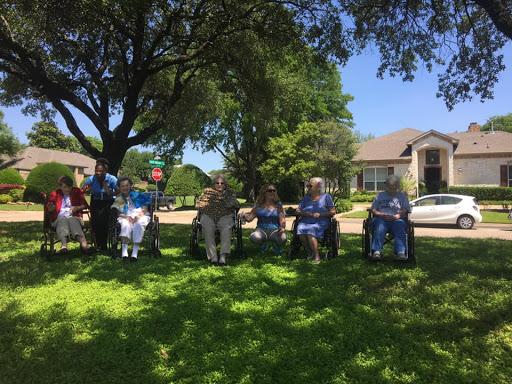
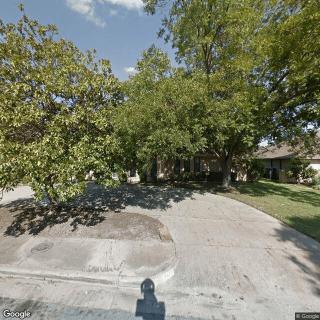
- Queens Ferry is a great place for residents; it is located in a beautiful neighborhood and feels like a home, not a facility.
- The caretakers are attentive, knowledgeable, professional, and compassionate.
- On-site services, such as a weekly hair stylist and regular musical entertainment, enhance the residents' experience.
- The nursing director is very responsive and knows each resident personally.
- The staff are welcoming, kind, and patient, treating residents with dignity.
Cons
 The food is average, which is why the reviewer did not give it a five-star rating.
Review
Manchester Place Care Homes, Queens Ferry in Dallas, TX is best suited for seniors who want a true home-like setting with consistently attentive, relationship-driven care. This community thrives when warmth and dignity are the top priorities, and when families value a tightly knit routine over a bustling campus atmosphere. It is especially appropriate for residents who respond well to staff who know their names, preferences, and daily rhythms, and for families seeking reassurance through hands-on leadership from a nursing director and an on-site administrator. In short, this is the setting for elders who want to feel truly cared for in a small, homelike environment rather than a large, hospital-like facility.
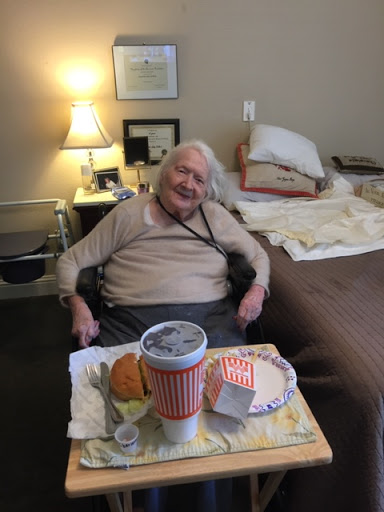
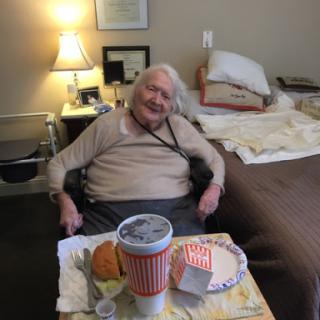
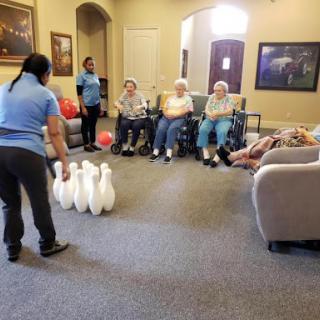
From the moment someone steps inside, the environment communicates that Cove-like warmth matters more than institutional polish. The houses convey a home, not a hallways-and-rooms vibe: private bedrooms with comfortable bathrooms, a layout that supports easy movement, and a schedule that centers personal interaction. Staffing is intimate enough to enable caregivers to be attentive and responsive, critically, the nursing director is described as personally engaged with residents, and the director of nursing is consistently on top of issues. On-site amenities extend this sense of home: a weekly hair stylist, live musicians, and seasonal celebrations make the days feel personally curated rather than clinical. Such details cultivate trust and reduce the distance families often feel when moving a loved one into care.
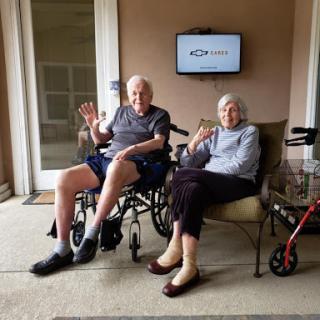
The strongest positives sit squarely on care quality and daily life. Families repeatedly note that caregivers are knowledgeable, compassionate, and patient, with staff who treat residents with dignity and personalized attention. The small-house model supports meaningful relationships; two caregivers for each resident is not uncommon, which translates into visible attentiveness to meals, hygiene, and comfort. Families describe the setting as genuinely “home-like” and consistently responsive to questions or medical needs, with leadership that remembers specifics about each resident. Activities extend beyond basic care, on-site entertainment and intimate social moments help maintain a sense of normalcy and belonging that many larger communities struggle to sustain.
There is a practical caveat worth weighing, consistency in size and amenities can also limit the social cadence and breadth of programming found in larger communities. The residence’s intimate scale means the social circle is smaller, which can be a benefit for some residents but may feel limiting for those who thrive on a wide array of peers and more structured, expansive programming. Another potential consideration is dining variety; reviewers often describe the food as average, though they praise the staff for accommodating preferences and making substitutes like soup when a particular dish isn’t appealing. For families prioritizing goal-oriented therapies, rehab options, or high-acuity medical oversight, this setting may feel undersized relative to bigger campuses with broader schedules and specialized services.
Ultimately, the pros here tend to offset the mentioned constraints very effectively. The homelike environment, coupled with unwavering staff availability and strong leadership, creates a sense of security that many families seek but seldom find in larger facilities. The on-site services, hair care, music, and festive gatherings, enhance quality of life without sacrificing the individualized attention that residents require. The intimate staff-to-resident dynamic also means medical and emotional needs are often addressed quickly, with caregivers who know each resident’s history and preferences well. For families who want a compassionate, low-stress transition for a loved one, and who can accept a quieter social milieu, the benefits clearly outweigh the potential downsides.
For those deciding between options, Queens Ferry Manchester Place is a compelling fit when the priority is a dignified, home-centered living experience with deeply personal caregiving. It is an excellent match for seniors who value continuity, personalized attention, and a nurturing, family-like atmosphere, particularly if the resident benefits from frequent one-on-one interactions and a staff-led sense of daily rhythm. Alternatives are worth considering for residents who require more robust activity calendars, larger social networks, or more extensive medical and rehabilitative services in a campus setting. Families with high medical acuity or those seeking a high-volume, restaurant-style dining program may find a larger community more suitable.
In practical terms, Manchester Place Queens Ferry should be chosen by families seeking a trusted, intimate home where staff know residents well, care plans feel bespoke, and daily life includes meaningful moments and resident-friendly touches. It is less ideal for those who crave a broad, bustling social scene or high-intensity clinical oversight. A thoughtful next step is to schedule a visit, meet the nursing director, and evaluate the sensory cues, whether the house truly feels like a well-loved home, whether staff interactions feel naturally attuned to a resident’s personality, and whether the care routines align with the family’s expectations for independence, dignity, and safety.
 Board and Care Home
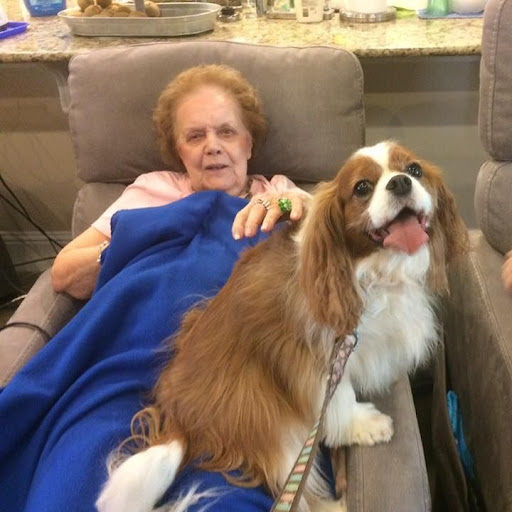
 Dogs allowed
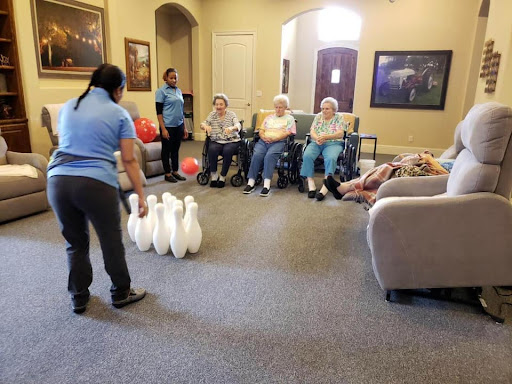
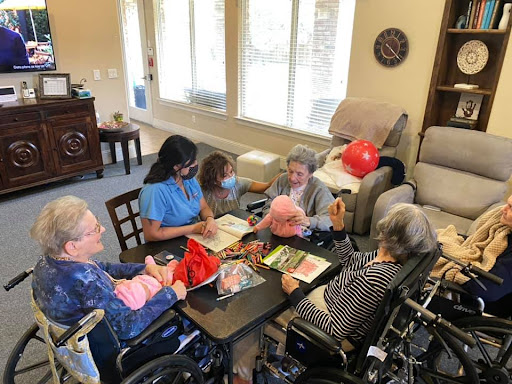
 Activities on-site
 Beautician on-site
 Cable or satellite TV
 Indoor common areas
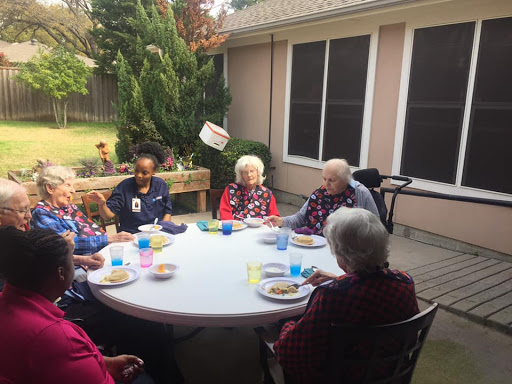
 Outdoor common areas
 Private
 Private bathrooms
 Respite or short term stays offered
 Wheelchair accessible showers
 Wi-Fi/high-speed internet available
 Dallas Love (10 miles away)
 Diabetic care
 High acuity care
 Incontinence care
 Medication management
 Low / no sodium
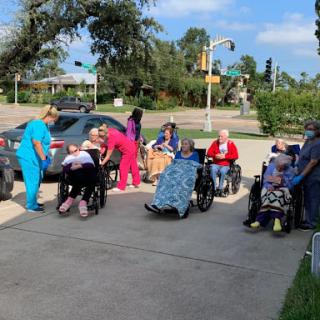
 BBQs or picnics
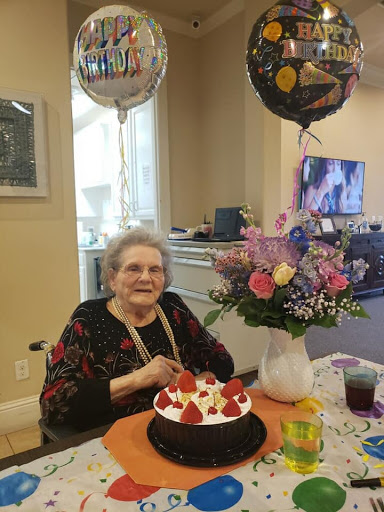
 Birthday parties
 Live dance or theater performances
 Live musical performances
 Visiting Rabbi
 Visiting chaplain or priest






 In-Depth Look at the VA Aid and Attendance Program
 Nurturing Our Loved Ones: A Daughter's Journey in Caring for Her Mother
 Nurturing Our Elders: Linda's Journey of Supporting Her Mother