
421 Glen Oaks Blvd, Dallas, TX 75232
To contact a resident: (214) 374-1880
For more information about senior living options: (866) 208-4318
King's Helping Hand Inc Costs & Pricing
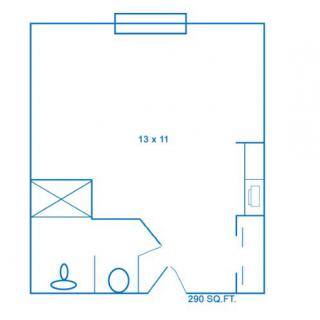
At King's Helping Hand Inc, the pricing for accommodations reflects a commitment to affordability while maintaining quality care. For semi-private rooms, residents can expect to pay $1,900 per month, significantly lower than the average costs in Dallas County at $3,535 and across Texas at $3,680. Similarly, for private rooms, King's Helping Hand offers a competitive rate of $3,000, which is more economical compared to the county's average of $4,702 and the state's average of $4,096. These cost comparisons highlight King's Helping Hand Inc as a viable option for individuals seeking compassionate care without compromising their financial well-being.
| Floor plans | King's Helping Hand Inc | Dallas County | Texas |
|---|---|---|---|
| Semi-Private | $1,900 | $3,535 | $3,680 |
| Private | $3,000 | $4,702 | $4,096 |
Senior living communities with a similar price nearby
-
from -$100 / mo

Advent House
$1,800 to $3,000 / month21.0 miles away -
from +$200 / mo

Only the Strong Survive
$2,100 to $2,500 / month15.8 miles away -
from -$125 / mo

Parkwood Independent Living
$1,775 to $2,420 / month19.8 miles away -
About the same

Town Village Crossing
$1,895 to $3,109 / month17.2 miles away -
from +$95 / mo
Silver Creek Assisted Living Garland
$1,995 to $3,675 / month18.6 miles away
Overall Review of King's Helping Hand Inc
Pros
 The food is good.
- They communicate with customers very well.
- They are all extremely friendly.
- He enjoys it.
- The reviewer would rate everything as a 5.
Review
King's Helping Hand Inc in Dallas is best suited for seniors whose families prioritize warm interpersonal care, straightforward communication, and dependable meals. The two 5-star reviews consistently highlight friendly staff and clear, proactive communication with families, alongside meals that residents enjoy. For families seeking peace of mind through daily interactions and a responsive team, this community offers a reliable match. The emphasis on dining satisfaction and accessible staff can translate into predictable routines and less caregiver turnover stress, which matters greatly to residents who rely on familiar faces. In essence, this community targets practical comfort and relational reliability over more expansive amenities.
Those who need extensive medical oversight, highly specialized memory care, or a broad calendar of structured activities may want to consider alternatives. The reviews provide no explicit mention of advanced clinical services, therapy programs, or complex care management. Families with high needs in wound care, dialysis, or significant mobility restrictions should verify that the level of nursing support and on-site clinicians meets expectations. Additionally, for budget-conscious households, the absence of pricing details in the reviews means due diligence on costs, deposits, and what is included (meals, transportation, and activities) is essential before deciding.
The strongest advantages are culinary quality, principled family communication, and a staff that feels genuinely friendly, translating into smoother daily life and less stress for caregivers. These positives offset the absence of a stated breadth of services by delivering reliable social and emotional well-being, which often determines quality of life in assisted living as much as medical care. When meals are enjoyable and the team is easy to reach, families gain reassurance that concerns are heard and addressed quickly. For residents who value warmth and predictability, these strengths create a daily experience with fewer friction points, reducing the need for constant escalation or monitoring.
Yet the data set is small. Only two reviews exist, both triumphal; no explicit cons are named. That means potential families should seek broader confirmation and ask direct questions about staffing patterns across shifts, emergency procedures, and what happens when needs escalate. The absence of information about the facility’s services, caregiver ratios, or ongoing activity programming leaves questions about long-term adaptability. The right balance will depend on whether personal interaction and meal enjoyment can sustain a resident through the course of aging, or whether more formalized care tiers are required.
Practical next steps for decision-making include touring the community, observing meals and interactions, requesting conversations with direct caregivers and a few residents or families, and asking for a written list of services and inclusions. Request menu samples for a typical week, and inquire about dietary accommodations and cultural preferences. Verify staff-to-resident ratios across shifts, and ask about response times for call bells. Compare pricing with other Dallas-area options that offer similar levels of care, and confirm what is included in monthly costs to avoid hidden fees. Collect references from multiple sources, including former residents' families.
Overall, King's Helping Hand Inc offers a welcoming, communicative environment with meals that satisfy. It stands out for families seeking visible warmth, clear updates, and a respectful, friendly staff. For those whose priorities include robust clinical services, extensive programming, or highly structured memory care, alternatives with stronger medical credentials may deliver greater confidence. Given the limited number of public reviews, due diligence remains essential before committing. When the goal is everyday comfort, predictable kindness, and a dining experience that residents look forward to, this community earns serious consideration, with a clear caveat to validate the depth of care against specific needs.
 Board and Care Home
 Activities off-site
 Bath tubs
 Beautician on-site
 Indoor common areas
 Outdoor common areas
 Private
 Respite or short term stays offered
 Dallas Love (12 miles away)
 Ambulatory care
 Incontinence care
 Medication management
 Meals provided


 A Closer Look at Private Pay Home Care
 Comprehensive Approaches for Arthritis: A Detailed Guide to Symptoms, Causes, and Care
 Comprehensive Insights and Practical Strategies to Help Older Adults Avoid Falls