Abbey Residential Care Homes offers accommodations that reflect their commitment to quality and comfort, with monthly costs for semi-private rooms at $4,000 and private rooms at $5,500. When compared to the average costs in Dallas County, which stand at $3,535 for semi-private and $4,702 for private rooms, Abbey's pricing is notably higher. Similarly, the Texas state averages are slightly lower as well, with rates of $3,680 for semi-private and $4,096 for private accommodations. This positioning suggests that Abbey Residential Care Homes may provide additional amenities or specialized services that justify their premium pricing within the local market.
Floor plans
Abbey Residential Care Homes
Dallas County
Texas
Semi-Private
$4,000
$3,535
$3,680
Private
$5,500
$4,702
$4,096
Assisted Living communities with a similar price nearby
Residents and families describe caregivers who respond quickly and communicate clearly.
Many reviewers describe a personal, family-like approach from caregivers and house managers, along with frequent updates to families. Several also mention how easy it is to ask questions and get responses, including during transitions and ongoing care. A few reviews specifically connect the experience to peace of mind—knowing a loved one is safe and being treated with love and respect.
common9 reviews mention this
Smaller homes stay spotless
The smaller home setting is consistently described as clean, comfortable, and homelike.
Multiple reviews emphasize that the houses feel more like a home than a facility, with rooms that are clean, comfortable, and maintained regularly. Several reviewers also point to day-to-day care details—like rooms staying tidy and residents being kept clean and well groomed. A few families contrast this with what they experienced at larger campuses, saying the smaller setting supports a calmer atmosphere.
differentiator7 reviews mention this
Individualized help for daily life
Residents receive individualized assistance with care routines and health needs.
Reviewers describe individualized attention that goes beyond basic supervision—such as helping residents attend doctor visits, follow healthy eating routines, and receive support for changing needs. Several families highlight smoother transitions from other communities, including planning before move-in and ongoing responsiveness when behaviors or medication needs change. The care services listed for the community include support with activities of daily living, meal preparation, medication management, and coordination with health care providers.
common4 reviews mention this
Food is described as home-style
Families mention home-style meals and attention to nutrition.
A handful of reviewers specifically talk about food feeling more personalized and home-cooked than what they saw elsewhere. Others mention that meal quality and healthy choices were important to their decision to move or to keep a loved one long-term. The community also offers meals provided and supports special dietary restrictions, including vegetarian and diabetes-related diets.
differentiator2 reviews mention this
Around-the-clock care support
Families mention around-the-clock availability when care needs increase.
Some reviewers describe needing 24-hour care and feeling reassured by the support level in the home setting. Another review notes staff availability throughout the day and links it to safety and dignity. This aligns with the community’s care services that include 24-hour supervision and assistance with care tasks and coordination with health providers.
How we summarize
Counts show how many written reviews mention each theme; a review can touch several themes, and only frequently mentioned themes are displayed.
Features
Housing
8 resident community capacity
Types of Care
Assisted Living
Board and Care Home
Pets
Dogs allowed
Amenities
Activities on-site
Bath tubs
Cable or satellite TV
Devotional services off-site
Dining room
Fully furnished
Garden
Housekeeping services
Indoor common areas
Move-in coordination
Outdoor common areas
Outdoor space
Private
Private bathrooms
Respite or short term stays offered
Telephone
Wheelchair accessible showers
Wi-Fi/high-speed internet available
Transportation
Dallas Love (5 miles away)
Dallas-Fort Worth International (15 miles away)
Care Services
24-hour supervision
Activities of daily living assistance
Ambulatory care
Assistance with bathing
Assistance with dressing
Assistance with transfers
Coordination with health care providers
Diabetes diet
Diabetic care
Incontinence care
Meal preparation and service
Medication management
Special dietary restrictions
Transportation arrangement (medical)
Transportation to doctors appointments
Dining
Diabetes diet
Kosher
Meals provided
Special dietary restrictions
Vegetarian
Activities
Activities on-site
Community-sponsored activities
Devotional activities offsite
Scheduled daily activities
Nearby Places of Interest
This area of Dallas, Texas is a vibrant and convenient neighborhood that offers a range of amenities and services for seniors. There are several reputable physicians within a short distance, including Pediatric Associates of Dallas and Betancourt Arlene Utsw Internal Medicine Pediatric Clinic. Additionally, there are multiple places of worship nearby such as Preston Hollow Presbyterian Church and Temple Emanu-El for spiritual support. For dining options, there are various restaurants like Seasons 52 and Enchilada's Restaurant where residents can enjoy delicious meals. Access to healthcare is readily available with Texas Health Presbyterian Hospital Dallas located just 1.5 miles away. Public transportation options like the Park Lane Station provide easy access to explore the city, while nearby parks such as Germany Park offer opportunities for outdoor recreation. Overall, this part of Dallas provides a comfortable and well-equipped environment for seniors looking to settle in the area.
Physicians
Pediatric Associates of Dallas (1 miles)
Betancourt Arlene Utsw Internal Medicine Pediatric Clinic Dallas (6 miles)
Places of Worship
Preston Hollow Presbyterian Church (1.1 miles)
Temple Emanu-El (1.4 miles)
Northway Christian Church (1.6 miles)
St Monica Catholic Church (3.1 miles)
Episcopal Church Of The Transfiguration (3.7 miles)
Cathedral of Hope (4.9 miles)
Redeemer Bible Church (5.5 miles)
Restaurants
Wingstop (1.3 miles)
Seasons 52 (1.6 miles)
Enchilada's Restaurant (1.7 miles)
The Cheesecake Factory (1.8 miles)
Jia Chinese (1.9 miles)
R+D Kitchen (2 miles)
Hillstone (2 miles)
Hospitals
Texas Health Presbyterian Hospital Dallas (1.5 miles)
Abbey Residential Care Homes offers accommodations that reflect their commitment to quality and comfort, with monthly costs for semi-private rooms at $4,000 and private rooms at $5,500. When compared to the average costs in Dallas County, which stand at $3,535 for semi-private and $4,702 for private rooms, Abbey's pricing is notably higher. Similarly, the Texas state averages are slightly lower as well, with rates of $3,680 for semi-private and $4,096 for private accommodations. This positioning suggests that Abbey Residential Care Homes may provide additional amenities or specialized services that justify their premium pricing within the local market.
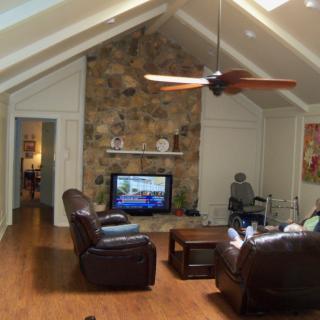
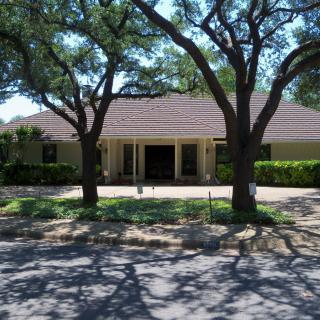
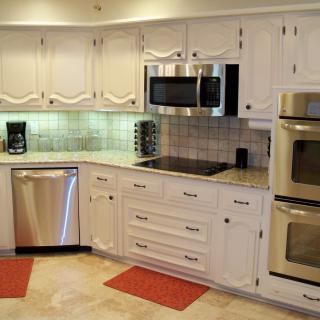
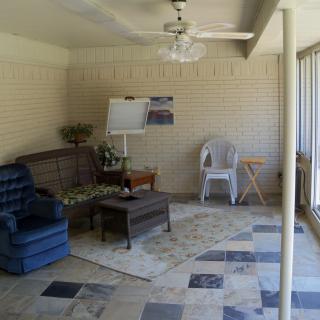
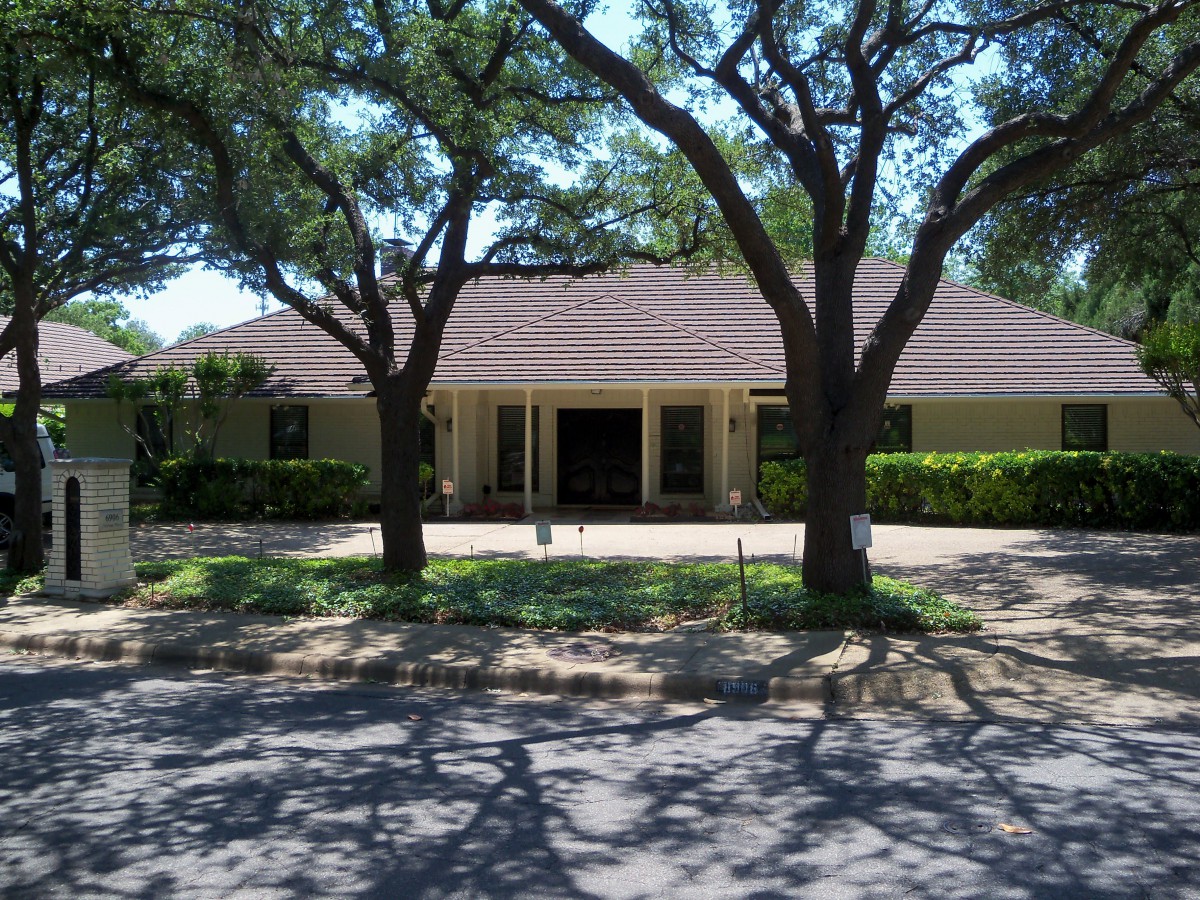
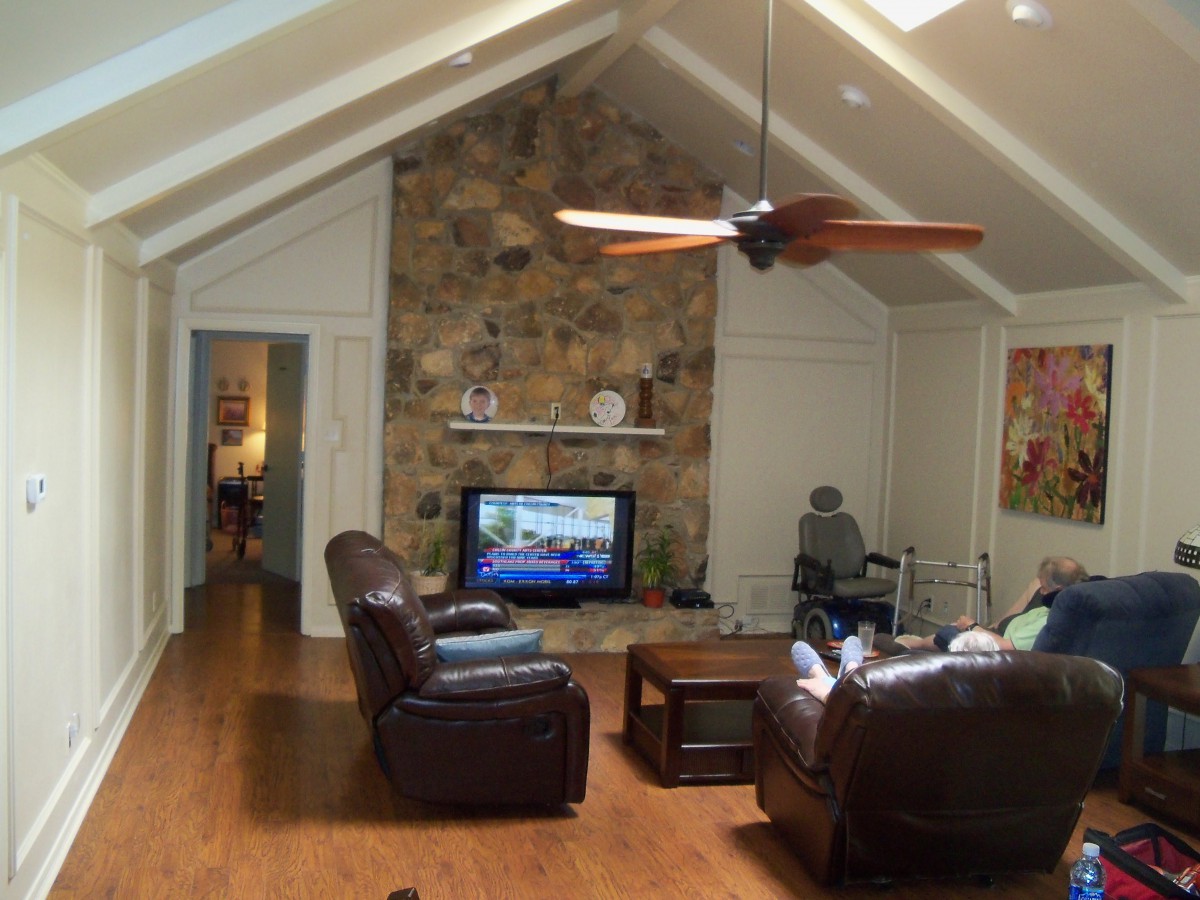
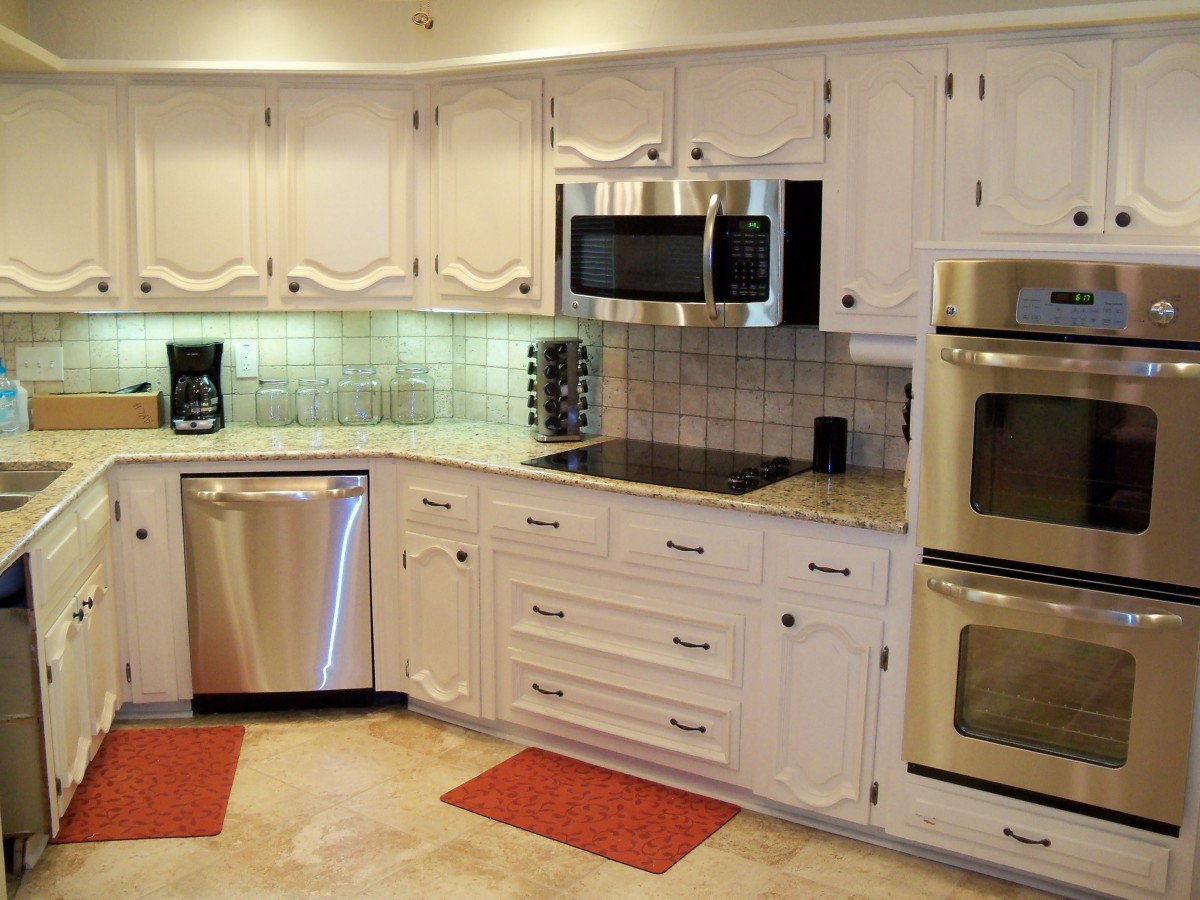
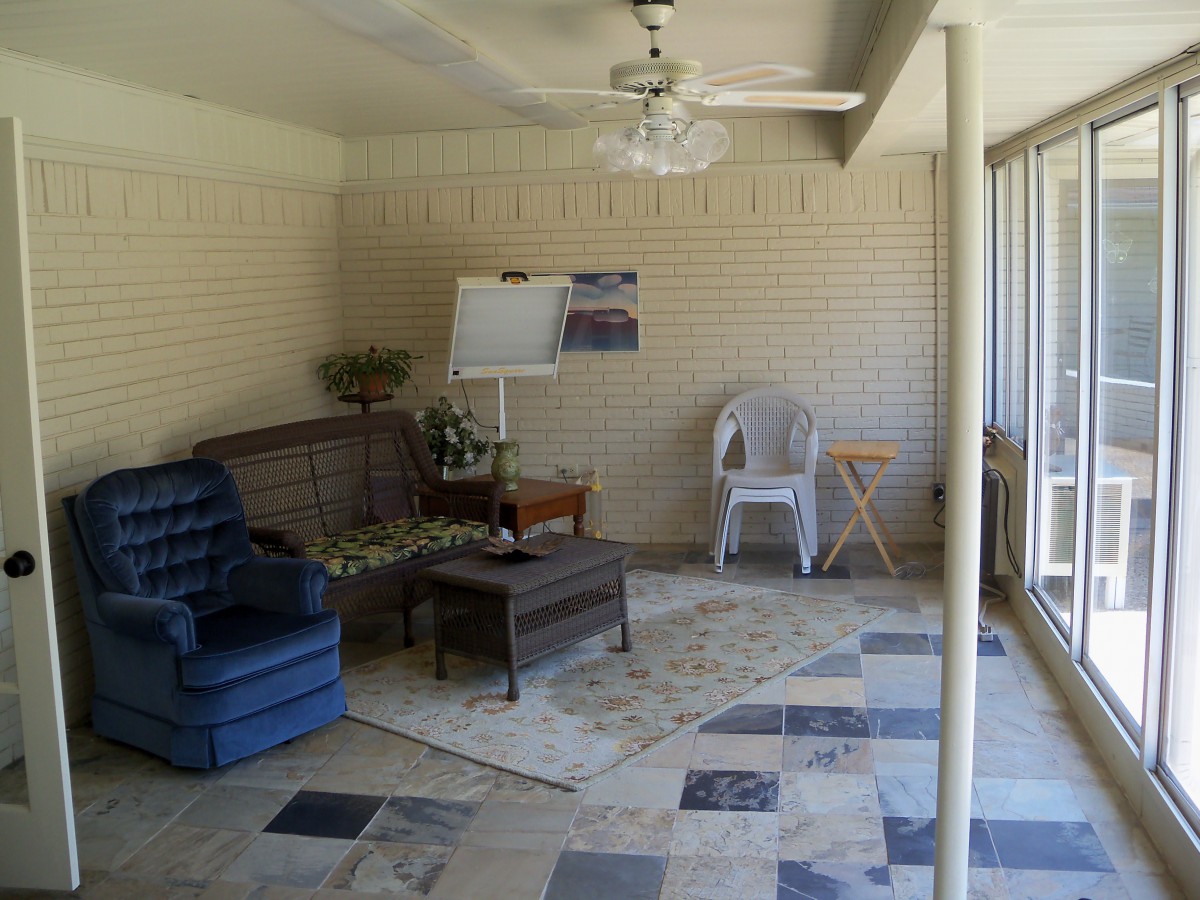
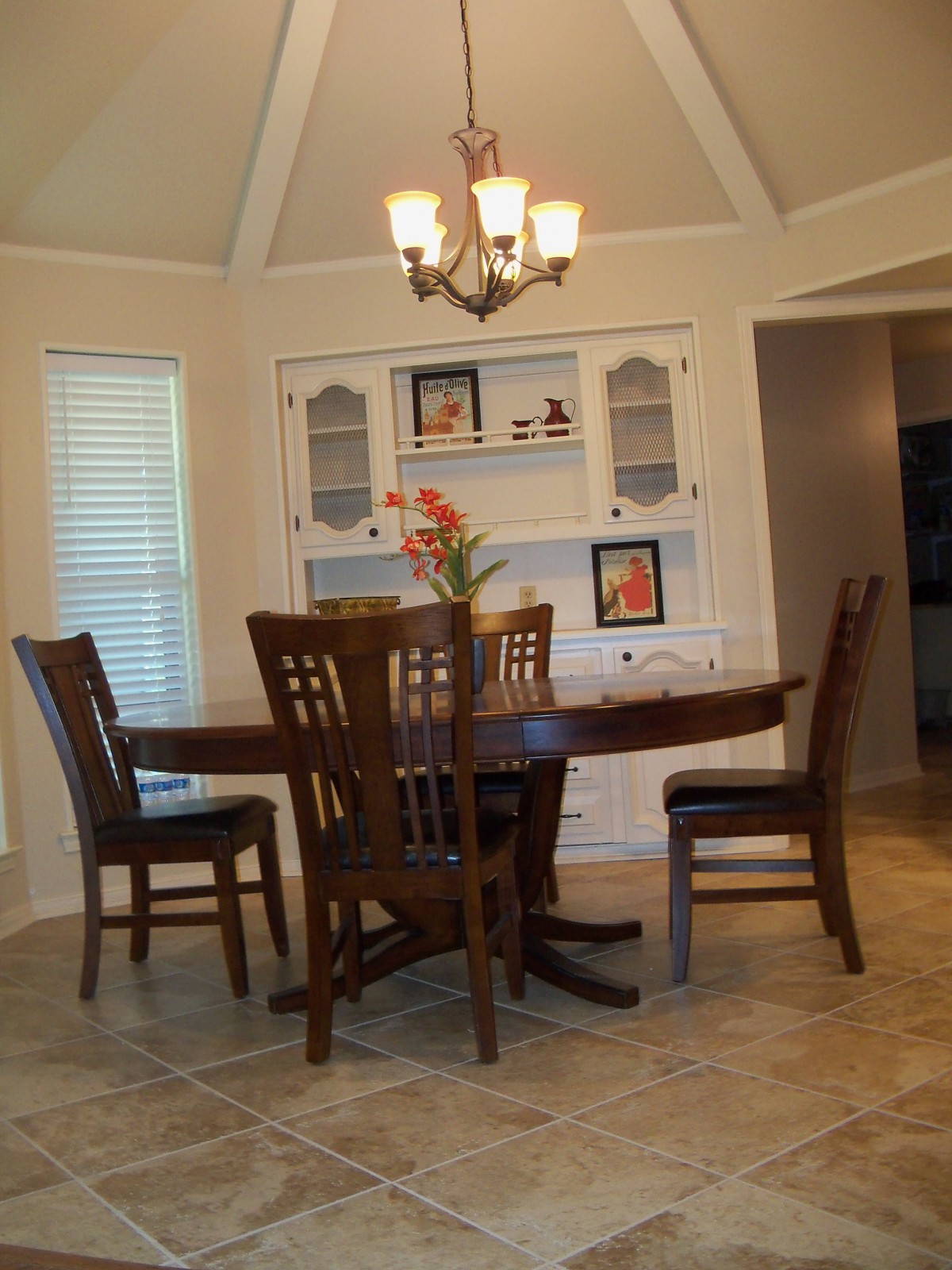
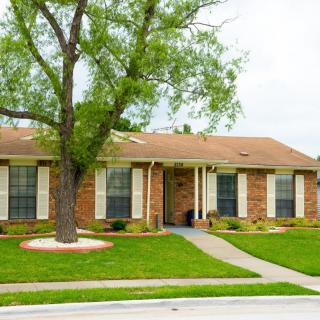
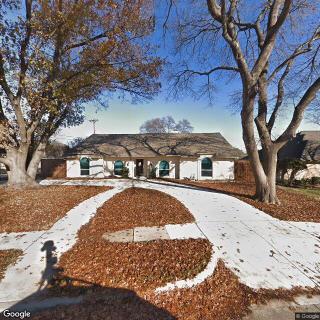
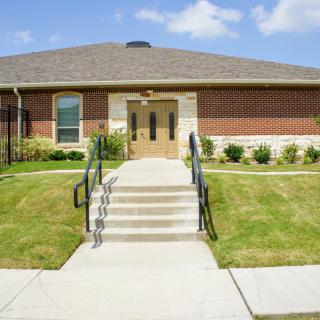
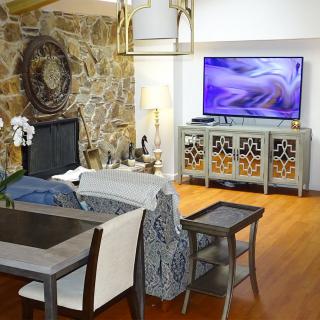
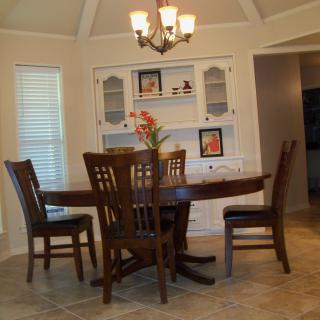
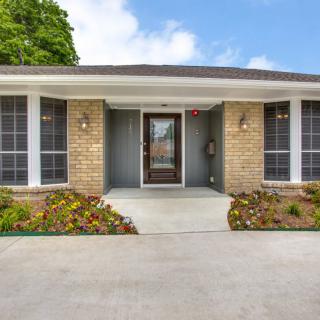
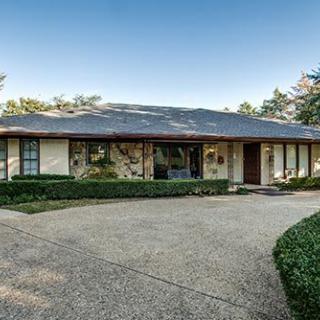
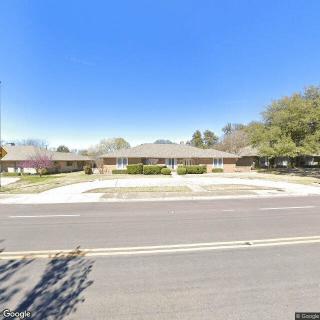
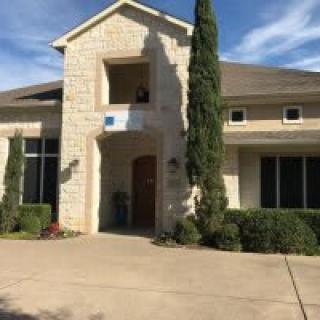
Abbey Residential Care Homes on seniors.fyi includes 6 photos including images showing interior, fireplace, television, kitchen, appliances, oven, dishwasher, sunroom, and more.
Nearby Communities
Lexington Place Assisted Living Homes Meadow
Dallas, TX
4.6 from 75 reviews
Small, personalized board-and-care with 24-hour supervision and diabetes-friendly meals.
Silver Leaf Assisted Living at Meadow Road
Dallas, TX
4.2 from 22 reviews
$4,000 to $5,000 / month
Caring, attentive staff with a personalized, home-like care approach.
Sage Oak Holdings IV
Dallas, TX
4.8 from 5 reviews
$6,775 / month
Small, intimate home with attentive, personalized care and in-house meals.
Avalon Memory Care Glendora
Dallas, TX
4 from 6 reviews
$4,875 to $5,475 / month
Dedicated, compassionate staff delivering personalized dementia care in a home-like setting.
The Jackson @ Meadow
Dallas, TX
4 from 2 reviews
$3,500 to $4,000 / month
Welcoming atmosphere with attentive staff and a convenient location.
Manchester Place Care Homes St. Michaels
Dallas, TX
4.6 from 16 reviews
$7,000 / month
Beautiful, well-maintained facility with homemade meals and an attentive owner.
Meadowstone Place
Dallas, TX
4.7 from 166 reviews
$1,865 to $2,455 / month
Friendly staff, well-maintained facilities, spacious independent-living apartments, and engaging activities.
Five Star Premier Residences of Dallas
Dallas, TX
4.8 from 59 reviews
$3,860 to $4,080 / month
Welcoming community with attentive staff and gourmet dining.
The Plaza at Edgemere
Dallas, TX
4.4 from 137 reviews
$7,589 to $10,932 / month
Attentive staff with engaging activities in a beautiful, all-inclusive community.
The deductibility of assisted living expenses on taxes hinges on factors like the individual's medical condition and service nature, typically requiring the resident to be "chronically ill" per IRS definitions. Taxpayers may deduct eligible medical expenses related to personal care services but generally not rent unless primarily for medical care, and they should maintain thorough documentation to support claims while considering itemizing versus standard deductions.
The guide highlights the importance of assisted living facilities for aging veterans needing daily support, discusses unique challenges they face, and outlines available financial assistance from the VA, including the Aid and Attendance program. It emphasizes understanding eligibility criteria and navigating the VA system to access necessary benefits effectively.
The article compares assisted living and skilled nursing facilities, detailing their differing levels of assistance, medical support, cost structures, and day-to-day experiences. It emphasizes that assisted living is for those needing help with daily activities while maintaining independence, whereas skilled nursing facilities provide intensive medical care with 24-hour staff supervision.
Get PricingAsk A QuestionSchedule A TourContact Senior Advisor
By clicking submit, you agree to our Partner's Terms of Use. You
also consent to receive calls and texts, which may be autodialed, from our Partner. Your consent is not a condition to
using our Partner's service. Please visit our Partner's Privacy Policy for information about their privacy practices.


 8 resident community capacity
 Assisted Living
 Board and Care Home
 Dogs allowed
 Activities on-site
 Bath tubs
 Cable or satellite TV
 Devotional services off-site
 Dining room
 Fully furnished
 Garden
 Housekeeping services
 Indoor common areas
 Move-in coordination
 Outdoor common areas
 Private
 Private bathrooms
 Respite or short term stays offered
 Telephone
 Wheelchair accessible showers
 Wi-Fi/high-speed internet available
 Dallas Love (5 miles away)
 24-hour supervision
 Ambulatory care
 Assistance with bathing
 Assistance with dressing
 Assistance with transfers
 Diabetes diet
 Diabetic care
 Incontinence care
 Meal preparation and service
 Medication management
 Special dietary restrictions
 Transportation arrangement (medical)
 Transportation to doctors appointments
 Small, personalized board-and-care with 24-hour supervision and diabetes-friendly meals.

 Is Assisted Living Deductible on Your Taxes? Understanding the Complexities of Assisted Living Expenses and Deductions
 Assisted Living Support for Veterans: A Complete and Detailed Overview
 Exploring the Contrasts Between Assisted Living and Skilled Nursing