Countryside Manor Assisted Living offers competitive pricing that reflects the broader market in Montgomery County, Texas. For those considering semi-private accommodations, the cost is $3,300 per month, which is notably lower than both the county average of $3,664 and the state average of $3,680. This positions Countryside Manor as an attractive option for individuals seeking affordability without compromising on quality care. For private rooms, the monthly rate is $4,300 - slightly above the county's average of $4,177 but still aligned with Texas's overall market at $4,096. These rates suggest a commitment to providing high-quality assisted living while remaining mindful of costs compared to local and state benchmarks.
Floor plans
Countryside Manor Assisted Living
Montgomery County
Texas
Semi-Private
$3,300
$3,664
$3,680
Private
$4,300
$4,177
$4,096
Memory care communities with a similar price nearby
Overall Review of Countryside Manor Assisted Living
common30 reviews mention this
Clean, well-kept facility
Residents and families repeatedly highlight how clean and well maintained the building feels.
Many reviewers point to the facility being consistently clean, sometimes down to how the place “smells” fresh. Visitors also describe spotless, organized spaces and an environment that feels cared for rather than neglected. Several comments connect that cleanliness with residents looking clean and happy as well.
common40 reviews mention this
Caring, attentive staff
Multiple reviews describe staff as genuinely caring, attentive, and responsive to residents’ needs.
The most common day-to-day feedback is about the staff being kind, compassionate, and focused on resident well-being. Reviewers mention caregivers being helpful with personal needs, as well as the manager or team staying accessible to families and answering questions. A number of reviews also describe staff treating residents like family and creating a supportive, warm atmosphere.
common22 reviews mention this
Homey, small-community feel
Reviews often describe a home-like, smaller setting that feels personal rather than institutional.
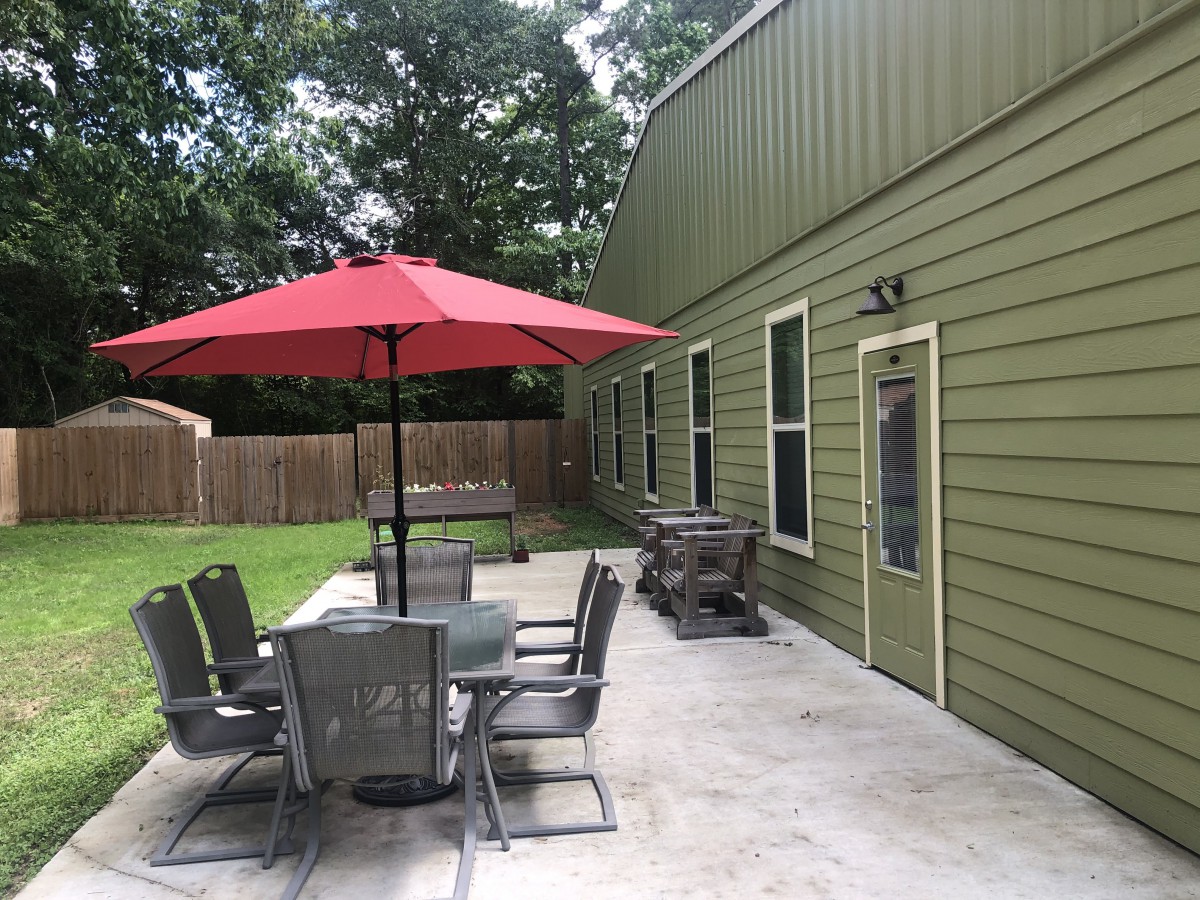
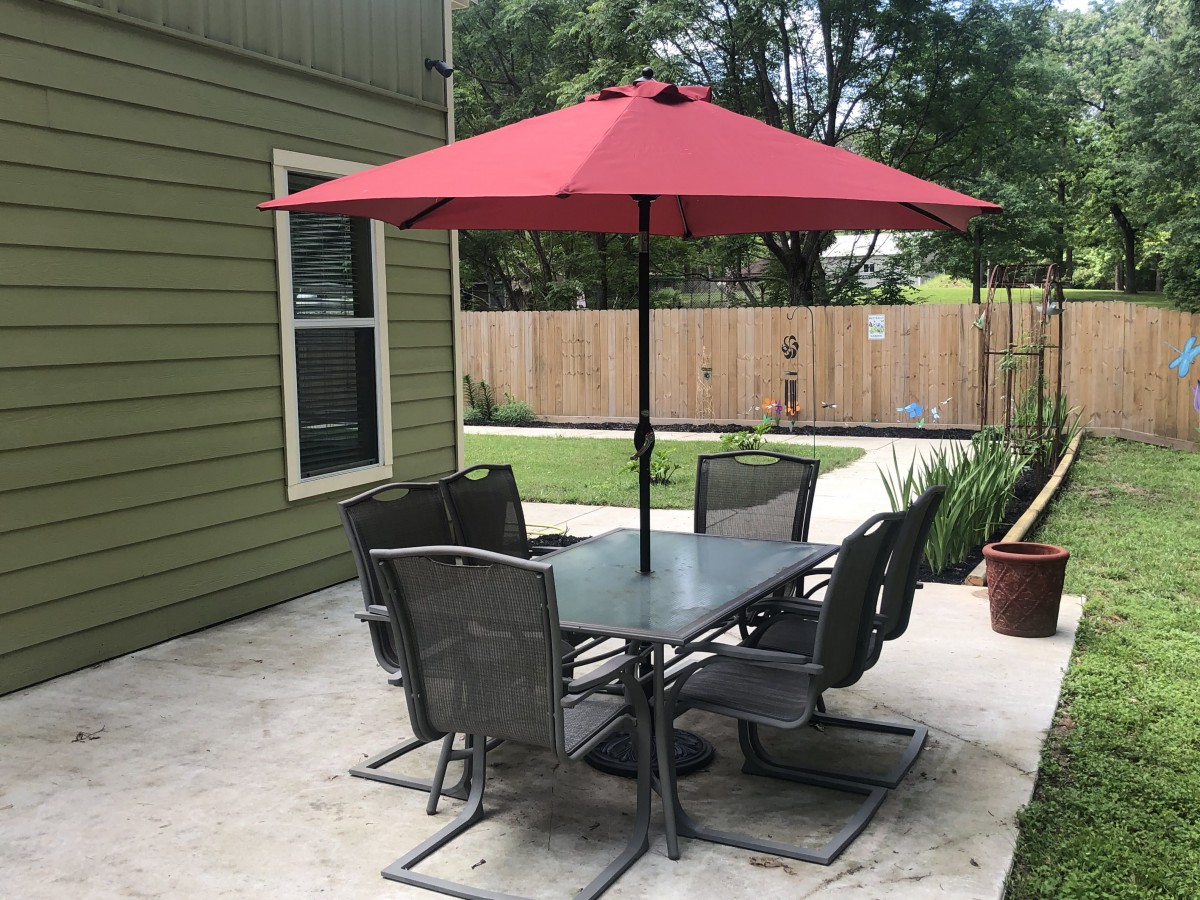
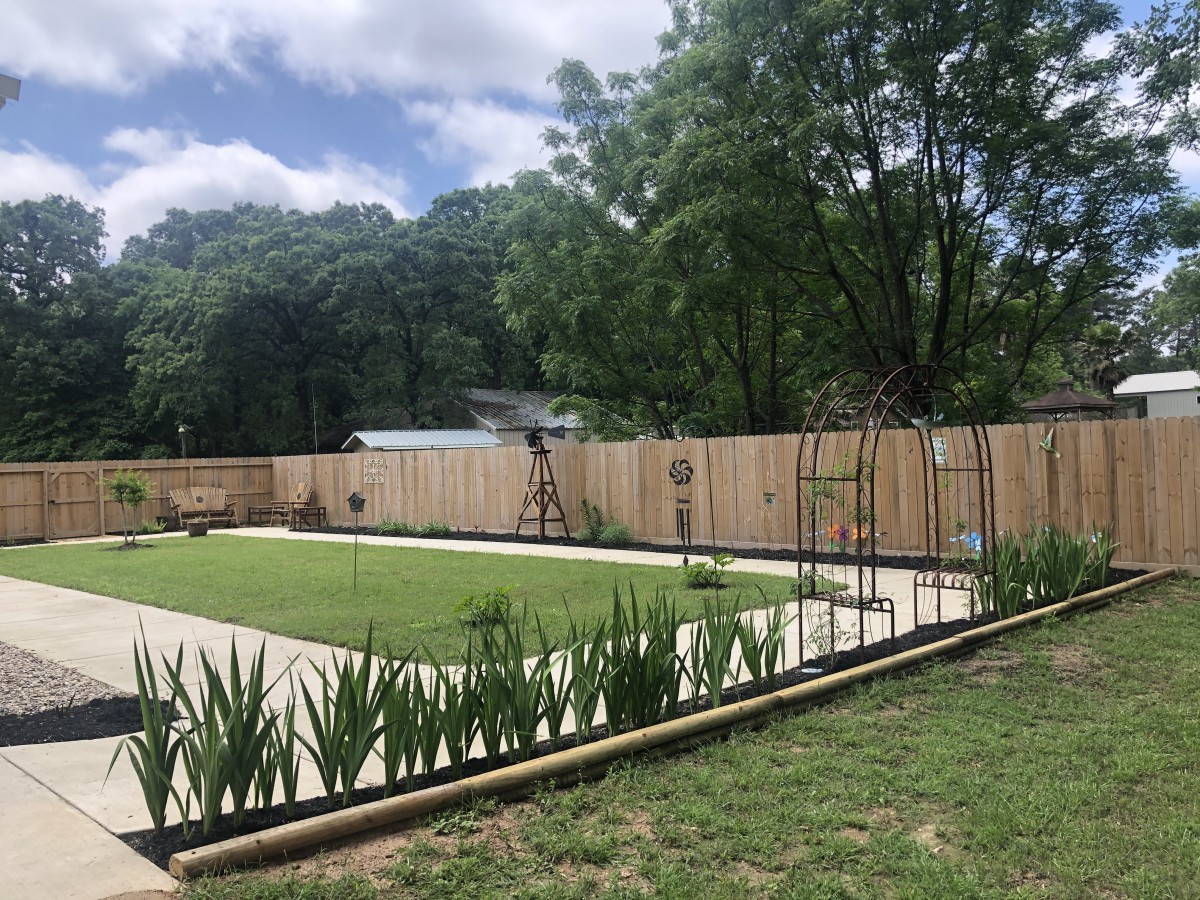
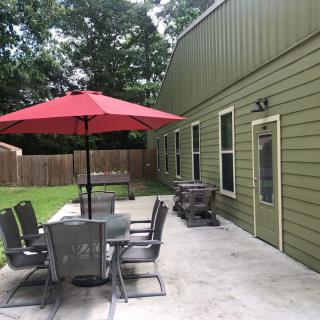
Several people compare the feel to home, mentioning a homey layout, welcoming atmosphere, and comfortable interior design. Others specifically bring up the boutique or smaller-community size, saying it helps residents know staff and feel connected. Some also describe outdoor space as a place residents can enjoy sunshine and relaxation.
common18 reviews mention this
Activities keep residents engaged
Residents and families describe a steady schedule of engaging activities and social time.
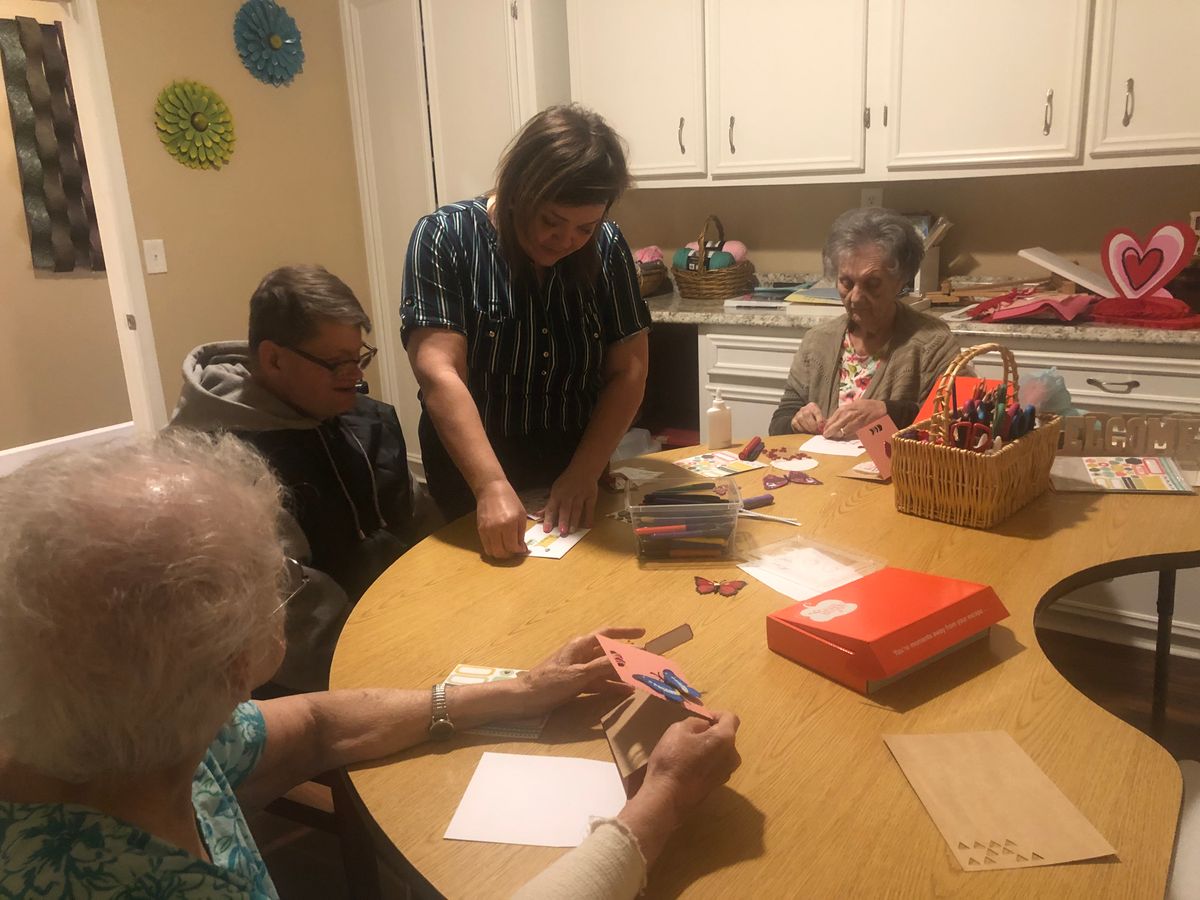
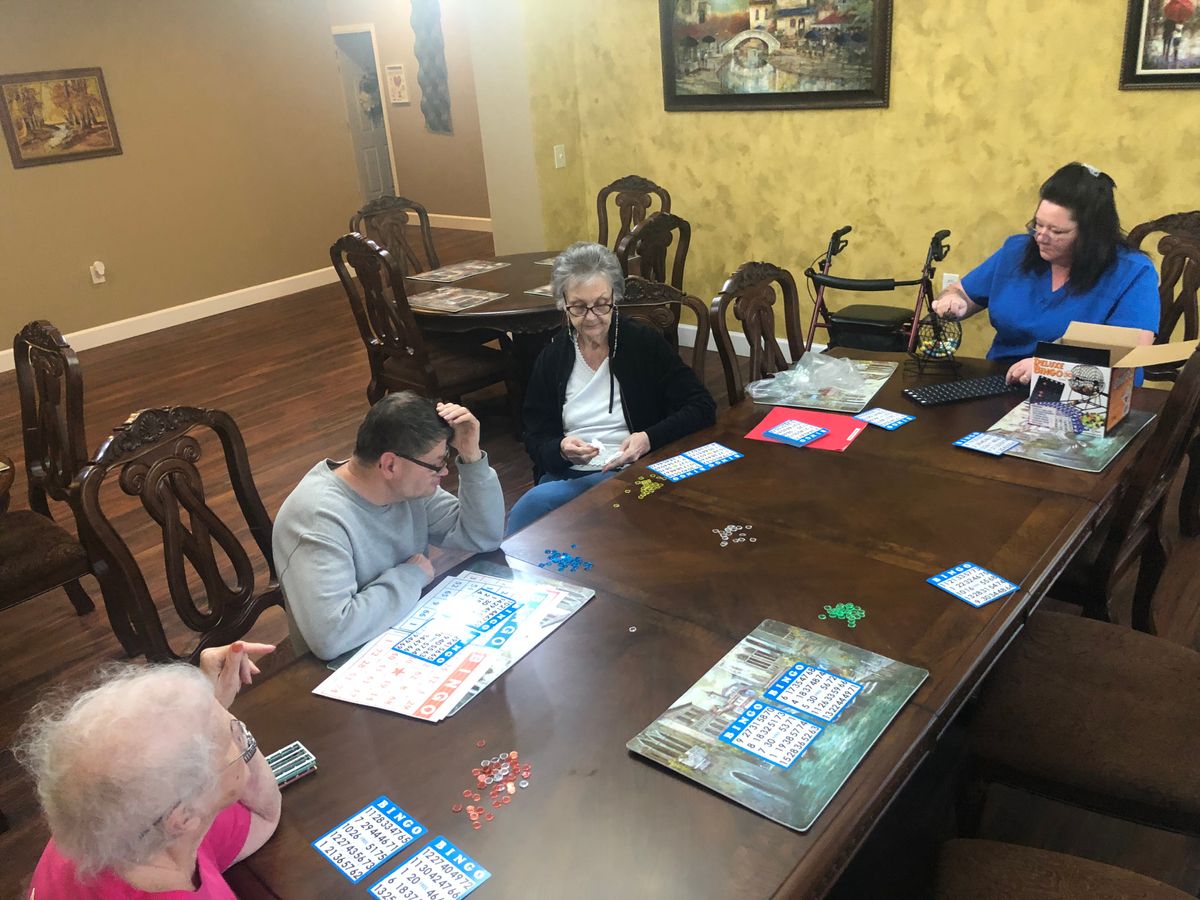
Reviewers mention regular activities being planned, with examples like singing, dancing, crafts, and memory games. A few reviews also describe larger events that bring family members into the community experience. Even visitors and professionals who stop by for work or care-related visits comment on the activity-focused environment.
common6 reviews mention this
Home-cooked meals and diets
Some reviews praise the food, and the community offers multiple dietary accommodations.
A smaller set of reviewers specifically mentions good meals cooked for residents and a full kitchen setup. The community also offers dining support for specific diets such as low/no sodium and vegetarian options, along with other special dietary restrictions. Together, that points to meal service being a visible part of the resident experience, even if it isn’t the most frequently discussed topic.
caveat1 reviews mention this
Limited medical transport access
At least one reviewer notes a limitation with medical transport.
One review says the community does not have a van for medical transport. That’s the only clear, recurring limitation mentioned in the provided feedback.
How we summarize
Counts show how many written reviews mention each theme; a review can touch several themes, and only frequently mentioned themes are displayed.
Features
Housing
12 resident community capacity
Types of Care
Assisted Living
Board and Care Home
Memory Care
Amenities
Activities on-site
Air-conditioning
Bath tubs
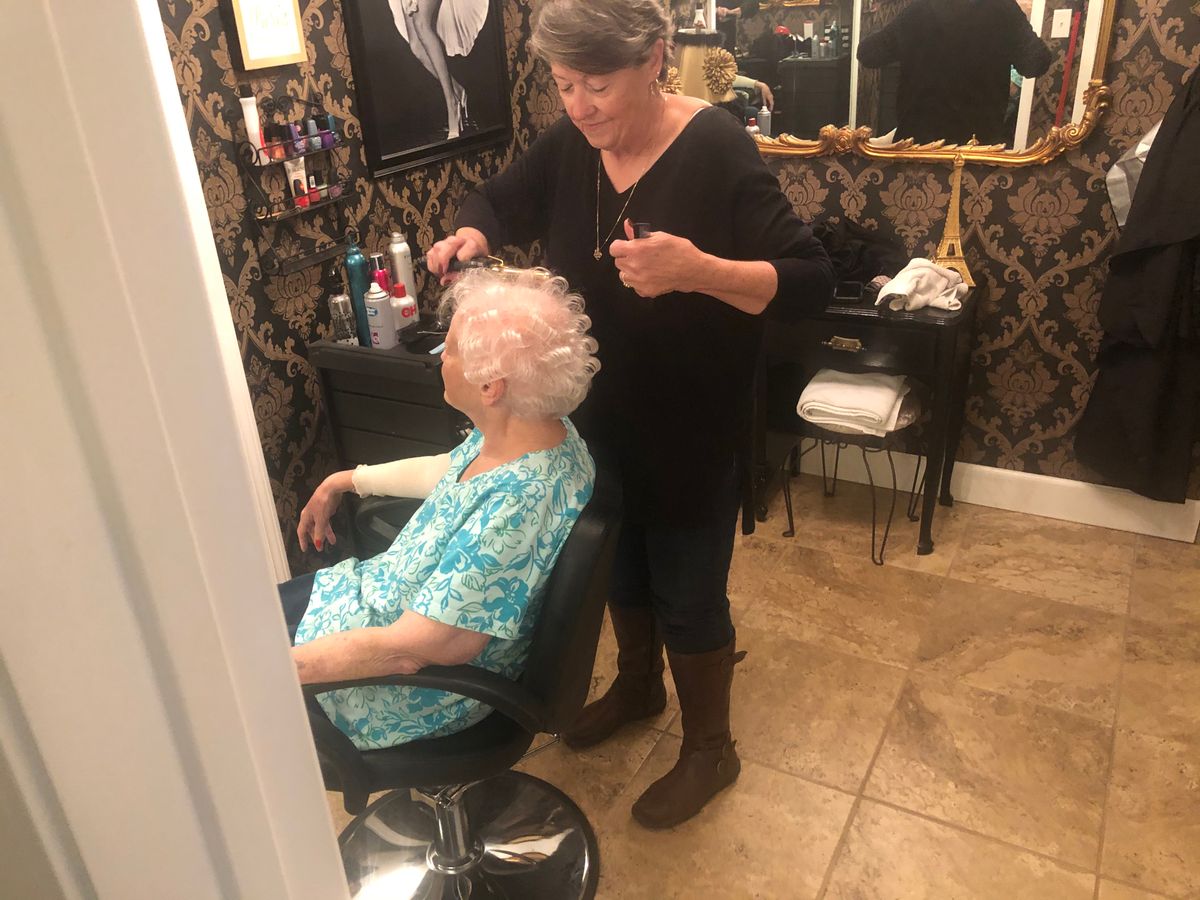
Beautician on-site
Cable or satellite TV
Devotional services on-site
Dining room
Fully furnished
Garden
Guasts at mealtime
Guest parking
Home sale assistance
Housekeeping services
Indoor common areas
Laundry
Move-in coordination
Outdoor common areas
Outdoor space
Party space
Private
Respite or short term stays offered
Small library
TV room
Telephone
VA Benefits Consultation
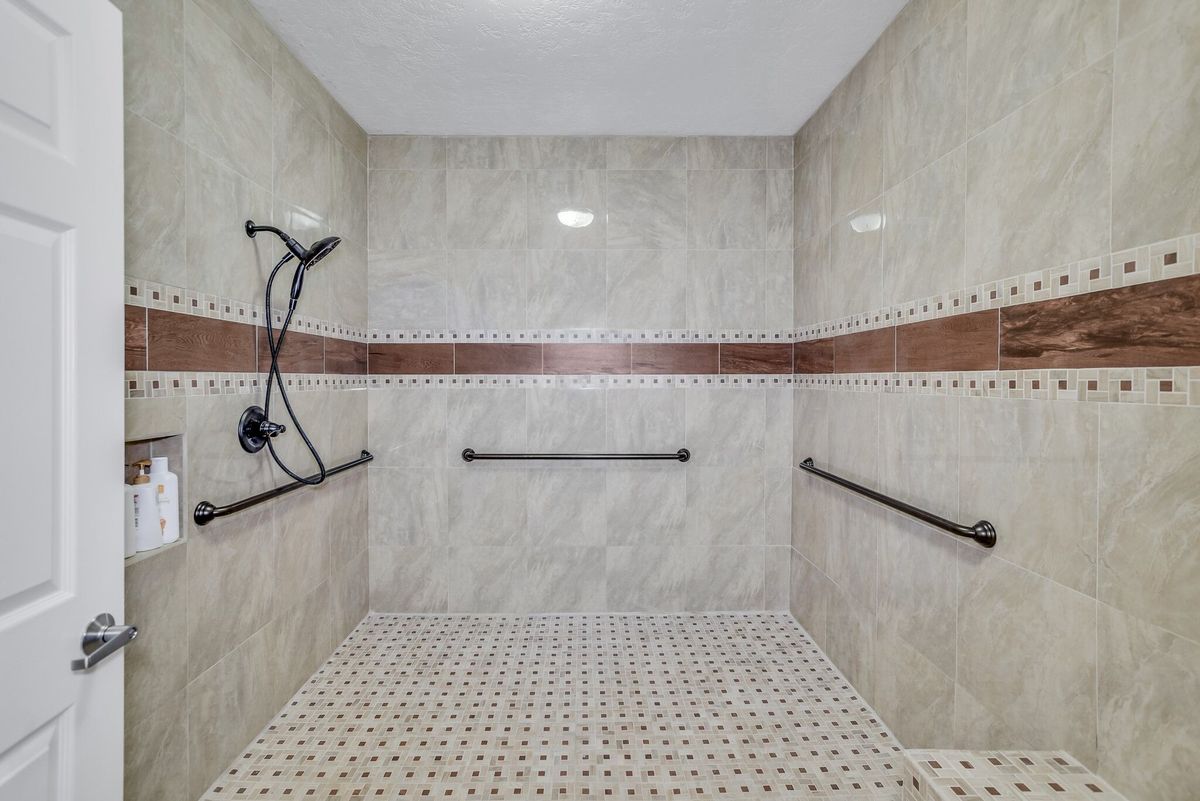
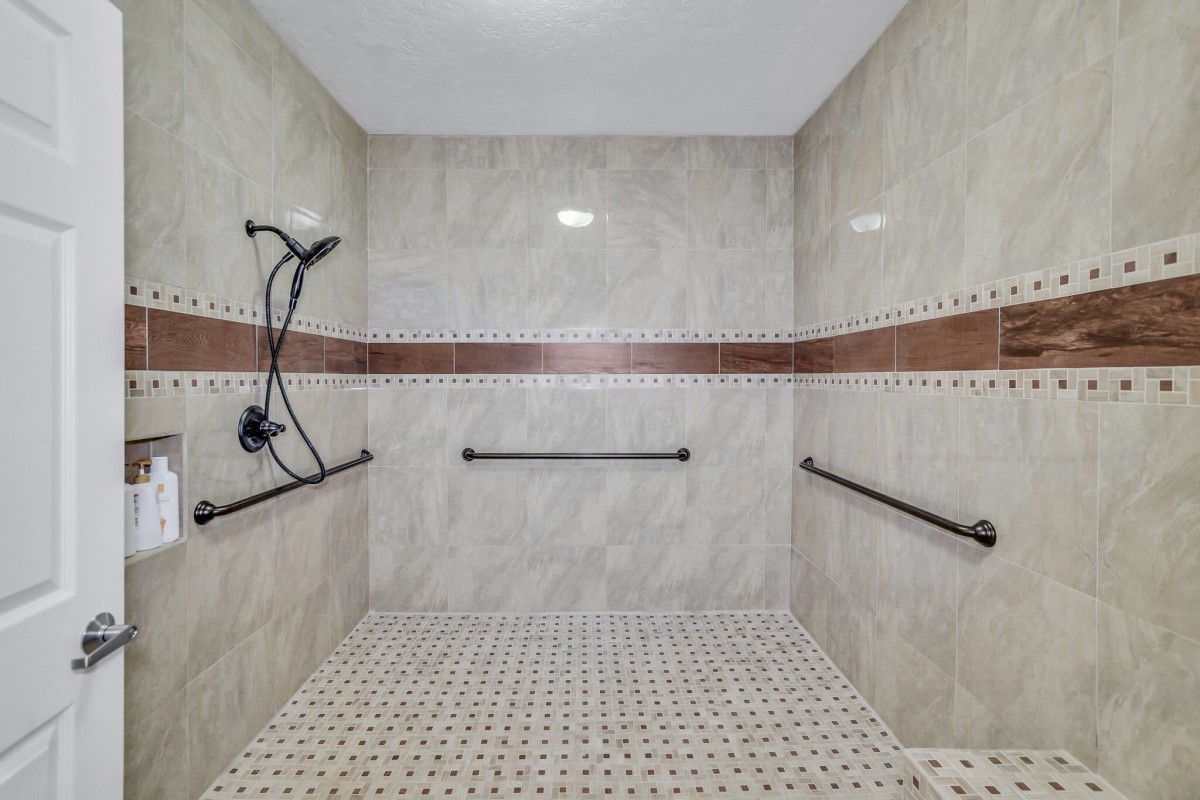
Wheelchair accessible showers
Wi-Fi/high-speed internet available
Care Services
24-hour supervision
Activities of daily living assistance
Ambulatory care
Assistance with bathing
Assistance with dressing
Assistance with transfers
Companion care
Diabetes diet
Diabetic care
Hospice care
Incontinence care
Meal preparation and service
Medication management
Mental wellness program
Mild cognitive impairment
Personal care assistants
Physical therapy
Special dietary restrictions
Specialized memory care programming
Dining
Diabetes diet
Low / no sodium
Meals provided
No Sugar
Special dietary restrictions
Vegan
Vegetarian
Activities
Activities off-site
Activities on-site
Arts and crafts
Book club
Community-sponsored activities
Cooking club
Devotional activities on-site
Educational speakers / life long learning
Fitness programs
Games
Gardening club
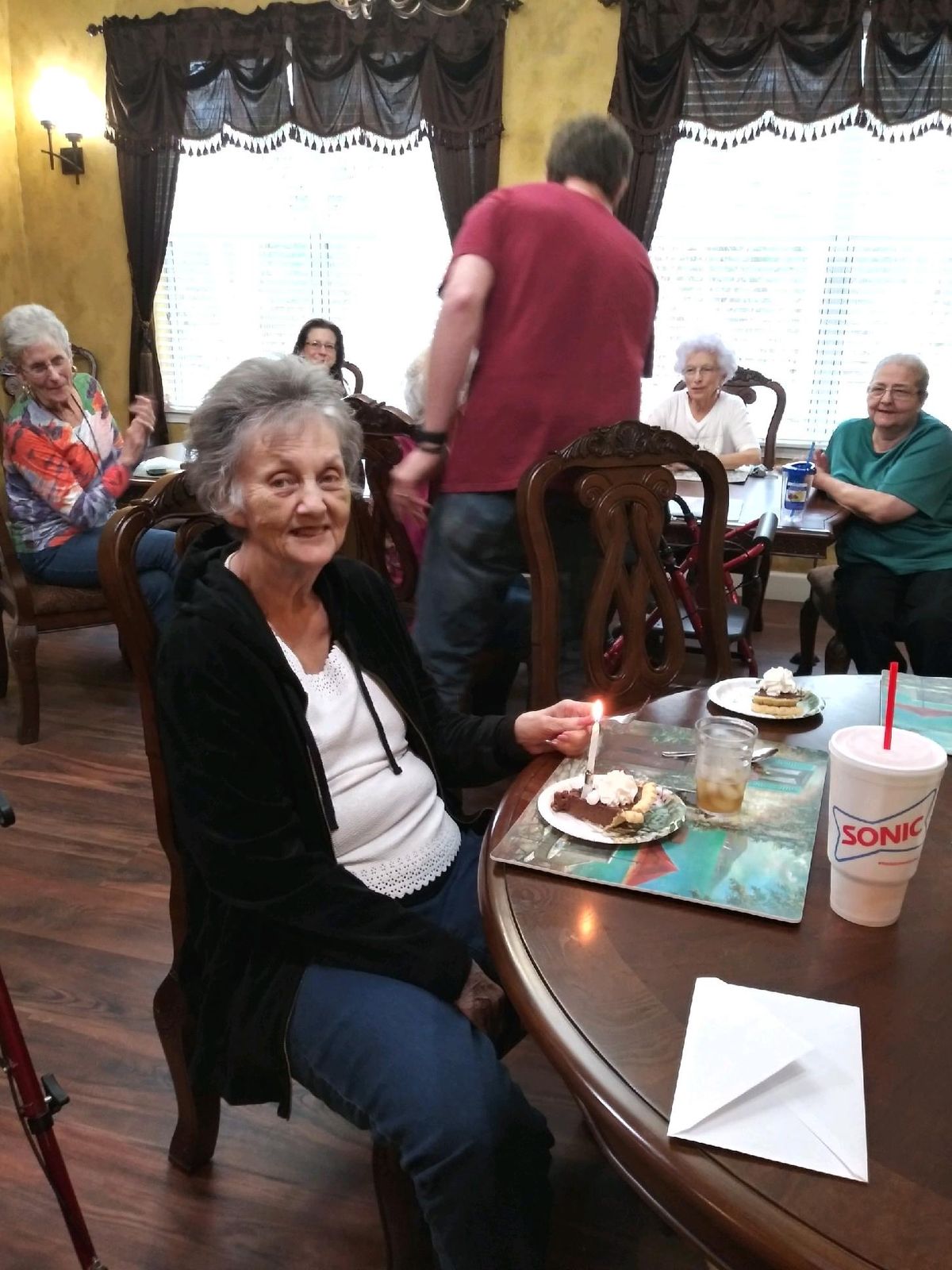
Holiday parties
Live musical performances
Religious services
Scheduled daily activities
Stories
Nearby Places of Interest
This part of Conroe, Texas, offers a variety of amenities and services that may be appealing for seniors looking for a comfortable living environment. With several places of worship nearby, such as Dawn Of Hope Ministry and Sacred Heart Catholic Church, residents can find spiritual support within their community. The area also provides convenient access to healthcare facilities like Montgomery County Mental Health Treatment Facility and Conroe Surgery Center. Additionally, there are pharmacies like Walgreens and CVS Pharmacy in close proximity for easy access to medication. Nearby parks and theaters offer opportunities for recreation and entertainment, while cafes like Starbucks and Toasted Yolk Cafe provide pleasant spaces to socialize with friends or enjoy a quiet afternoon. Overall, this area of Conroe offers a blend of essential services, recreational options, and dining establishments that may cater to the needs and preferences of senior residents.
Countryside Manor Assisted Living offers competitive pricing that reflects the broader market in Montgomery County, Texas. For those considering semi-private accommodations, the cost is $3,300 per month, which is notably lower than both the county average of $3,664 and the state average of $3,680. This positions Countryside Manor as an attractive option for individuals seeking affordability without compromising on quality care. For private rooms, the monthly rate is $4,300 - slightly above the county's average of $4,177 but still aligned with Texas's overall market at $4,096. These rates suggest a commitment to providing high-quality assisted living while remaining mindful of costs compared to local and state benchmarks.
Countryside Manor Assisted Living is designed to cater specifically to the needs of residents facing dementia or Alzheimer's disease through a comprehensive array of features that promote safety, dignity, and well-being. The provision of 24-hour supervision ensures that trained staff are always available to assist residents, offering peace of mind for both individuals and their families. Assistance with activities of daily living--such as bathing, dressing, and transfers--not only fosters independence but also helps residents maintain a sense of routine and normalcy. Incontinence care further supports personal dignity, while thoughtful meal preparation addresses nutritional needs with tailored dining options. Medication management ensures compliance and safety with prescribed treatments, while the mental wellness program alongside specialized memory care programming targets cognitive engagement and emotional health. Additionally, options for physical therapy aid in maintaining mobility and overall wellness, creating a holistic environment conducive to better quality of life for those with mild cognitive impairment or more advanced stages of dementia.
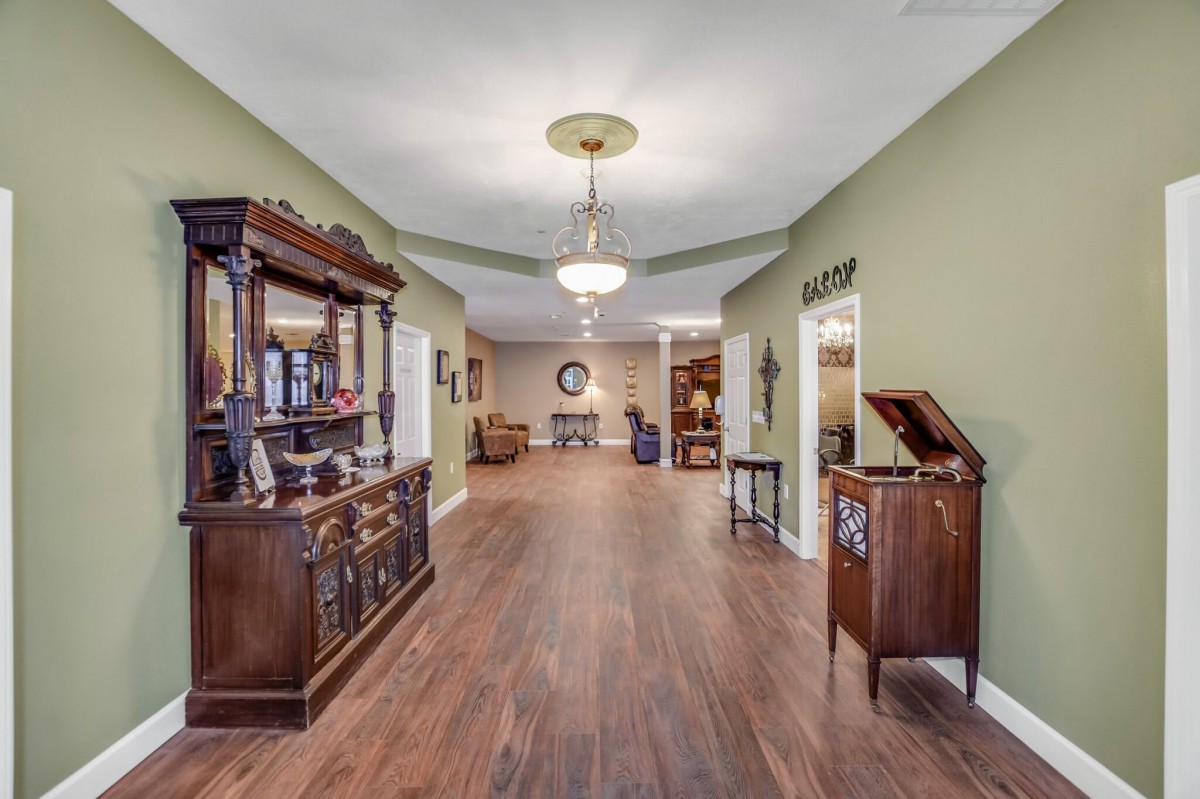
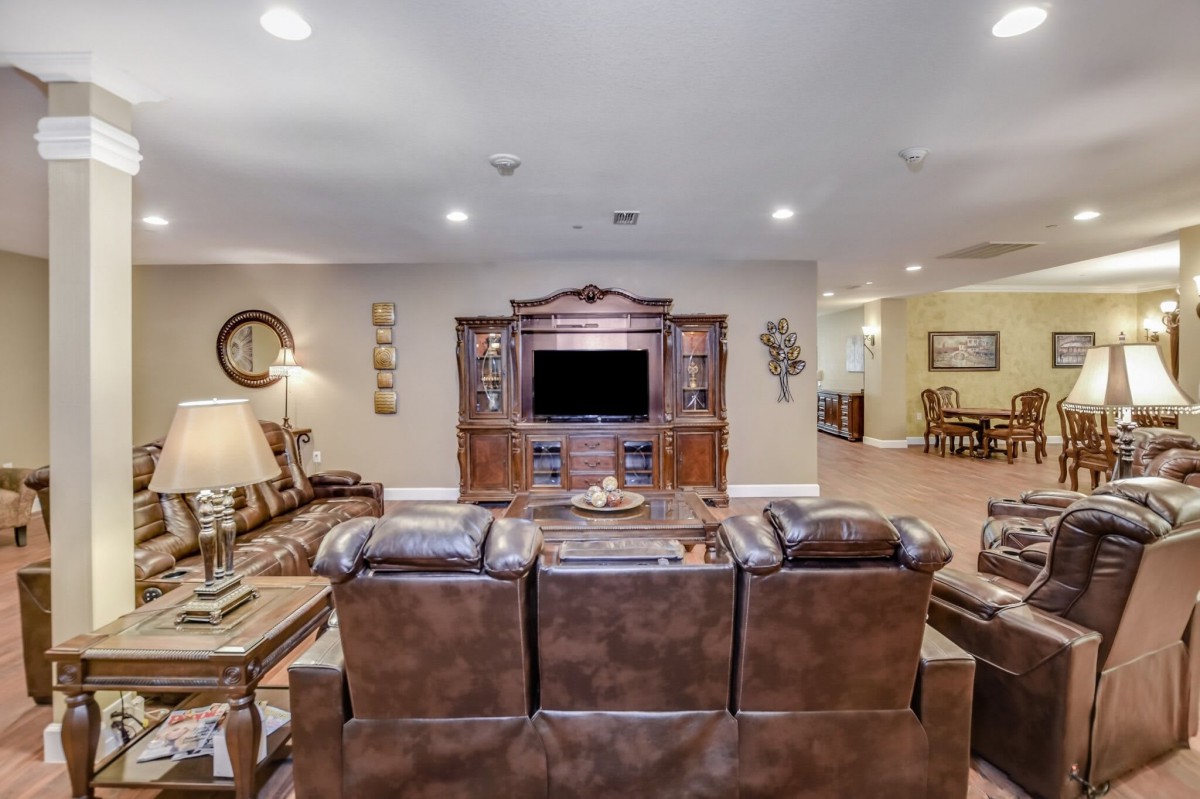
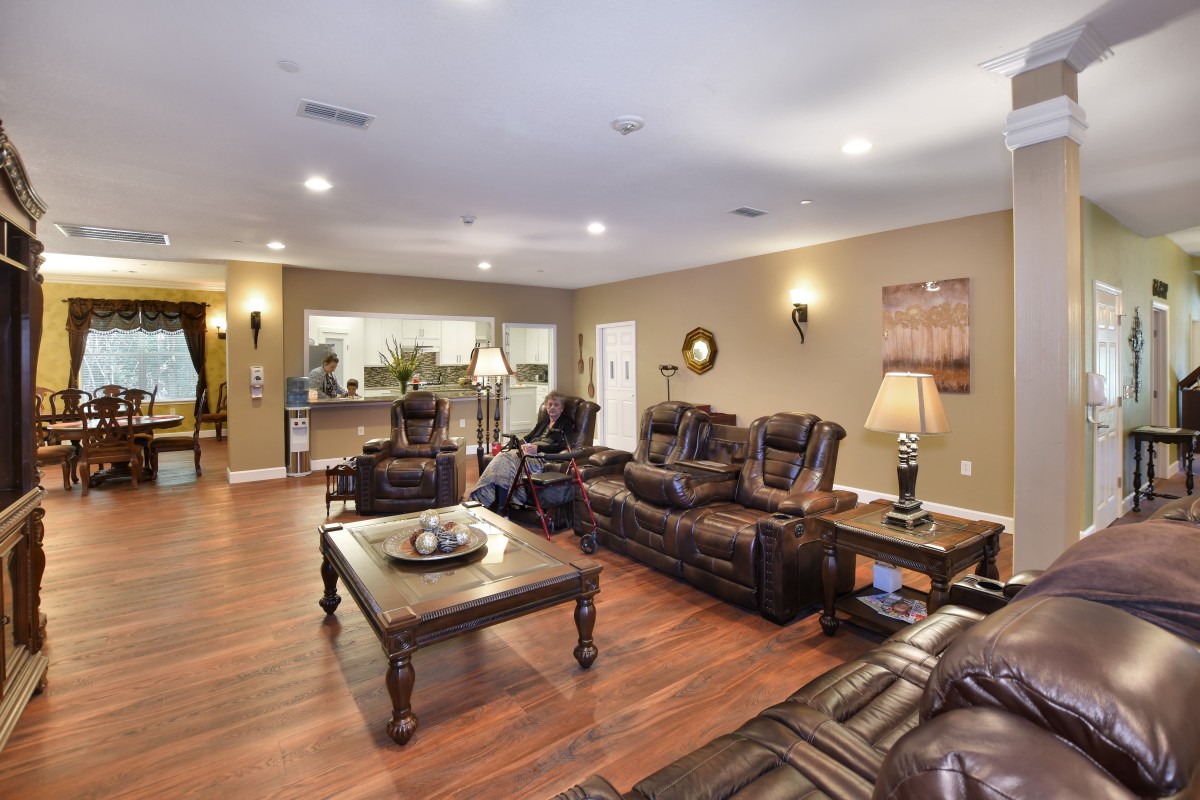
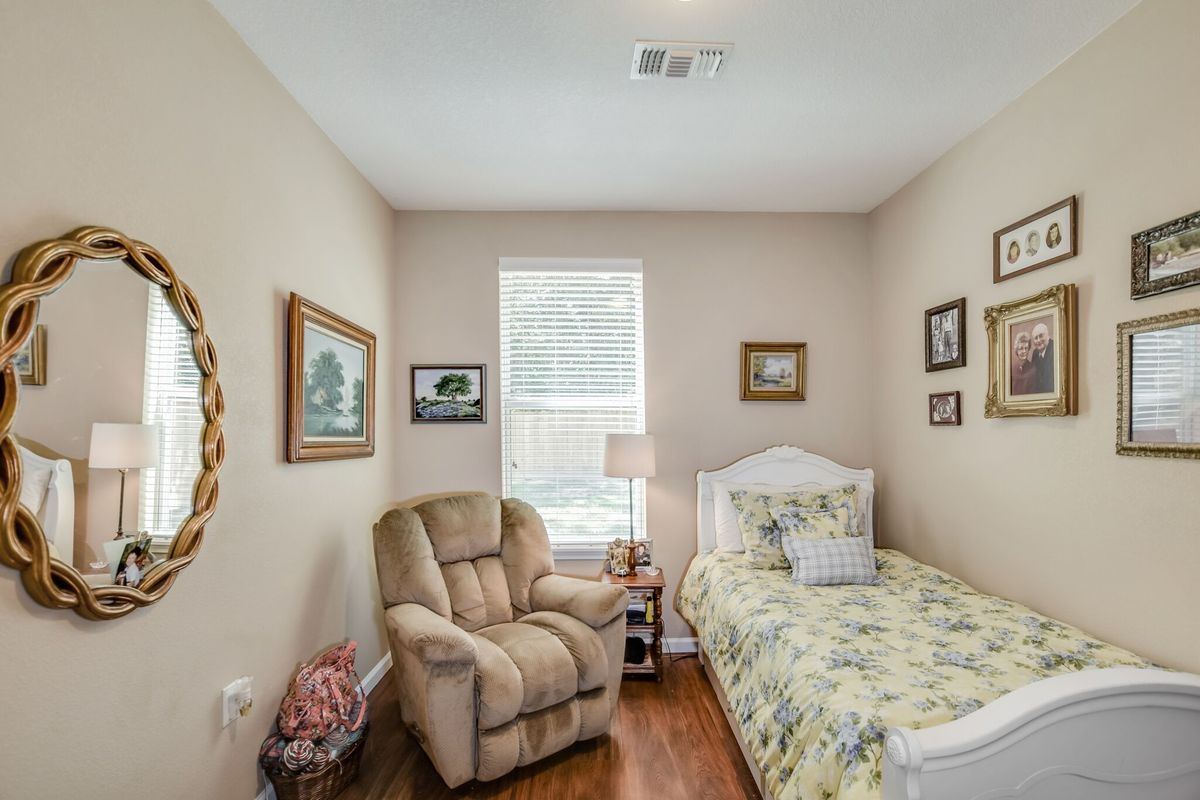
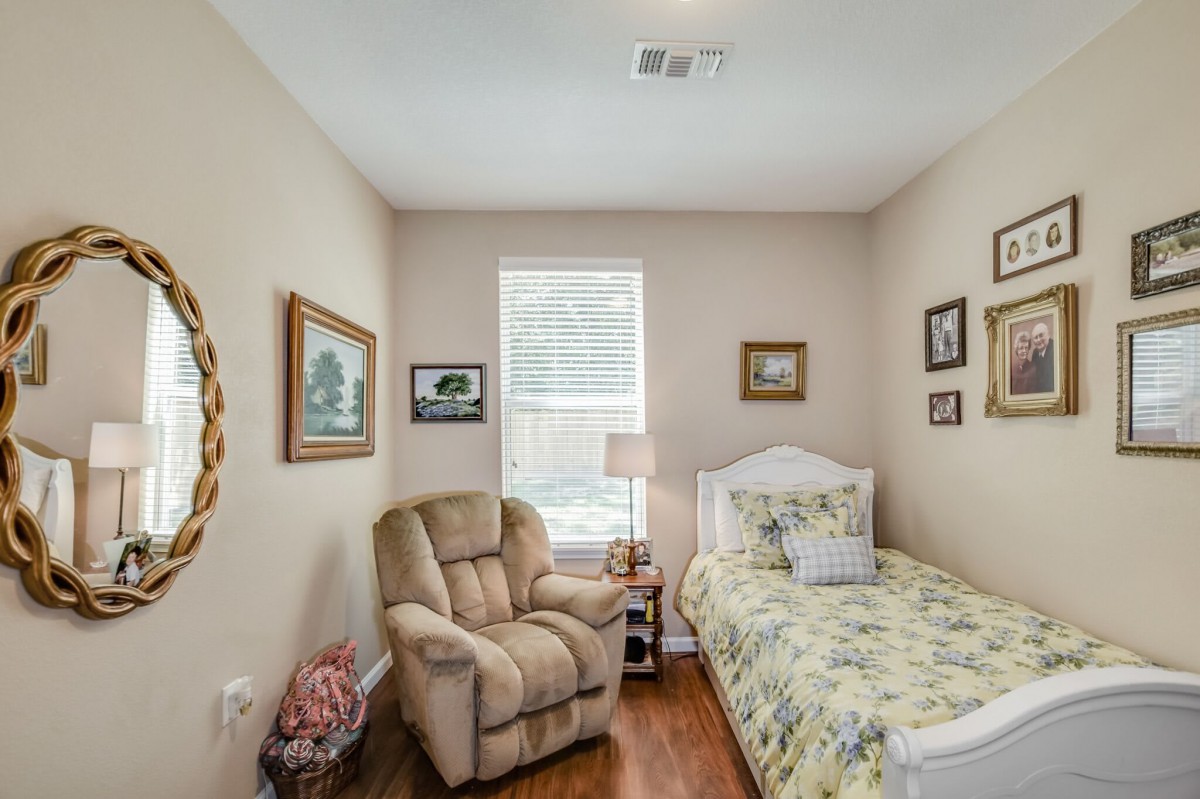
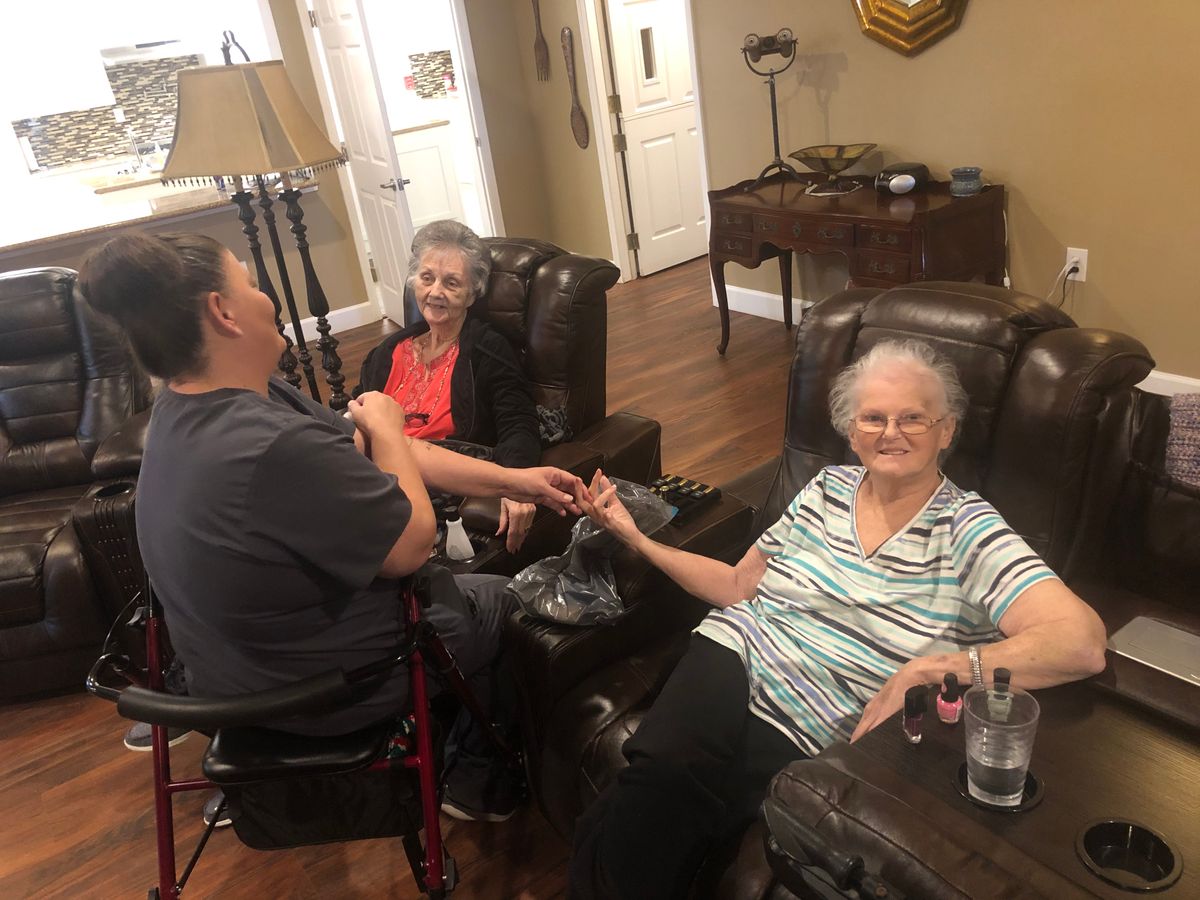
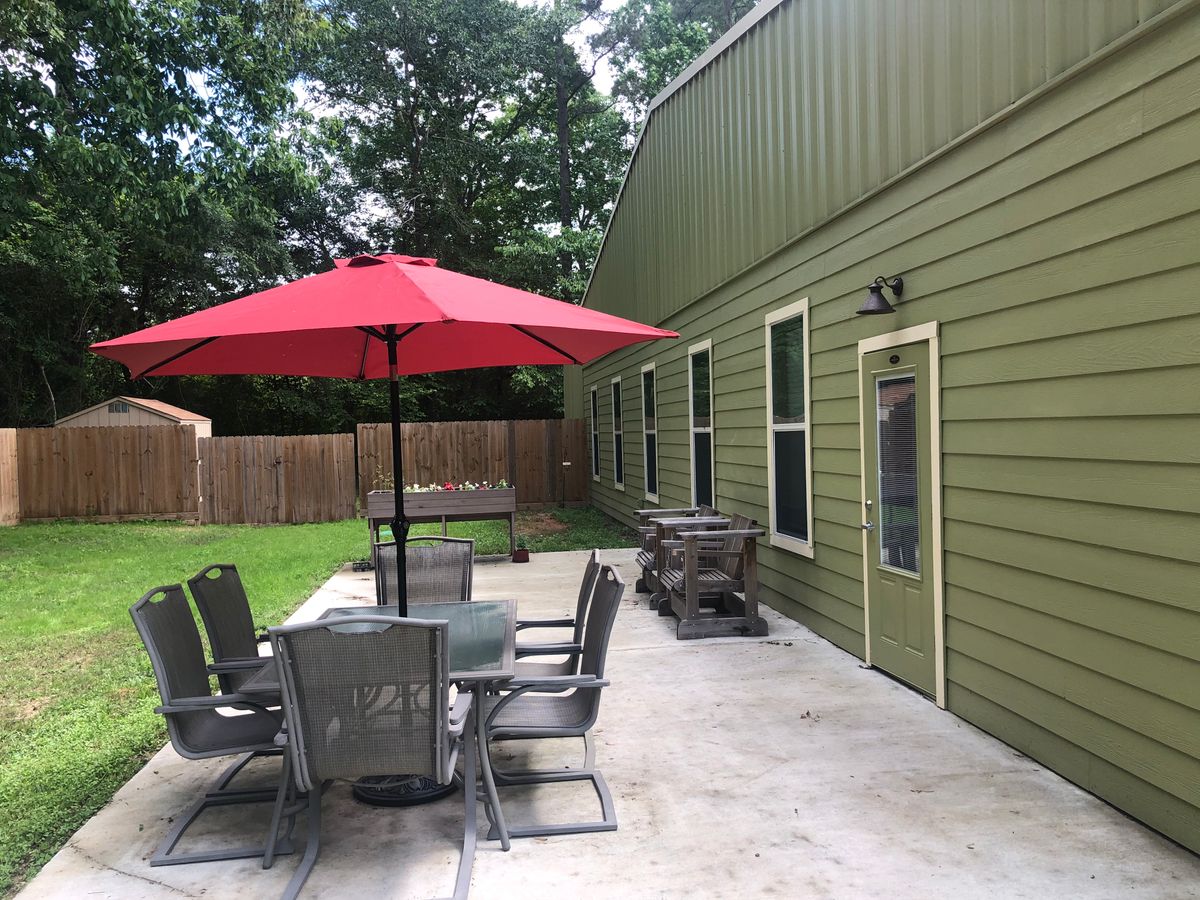
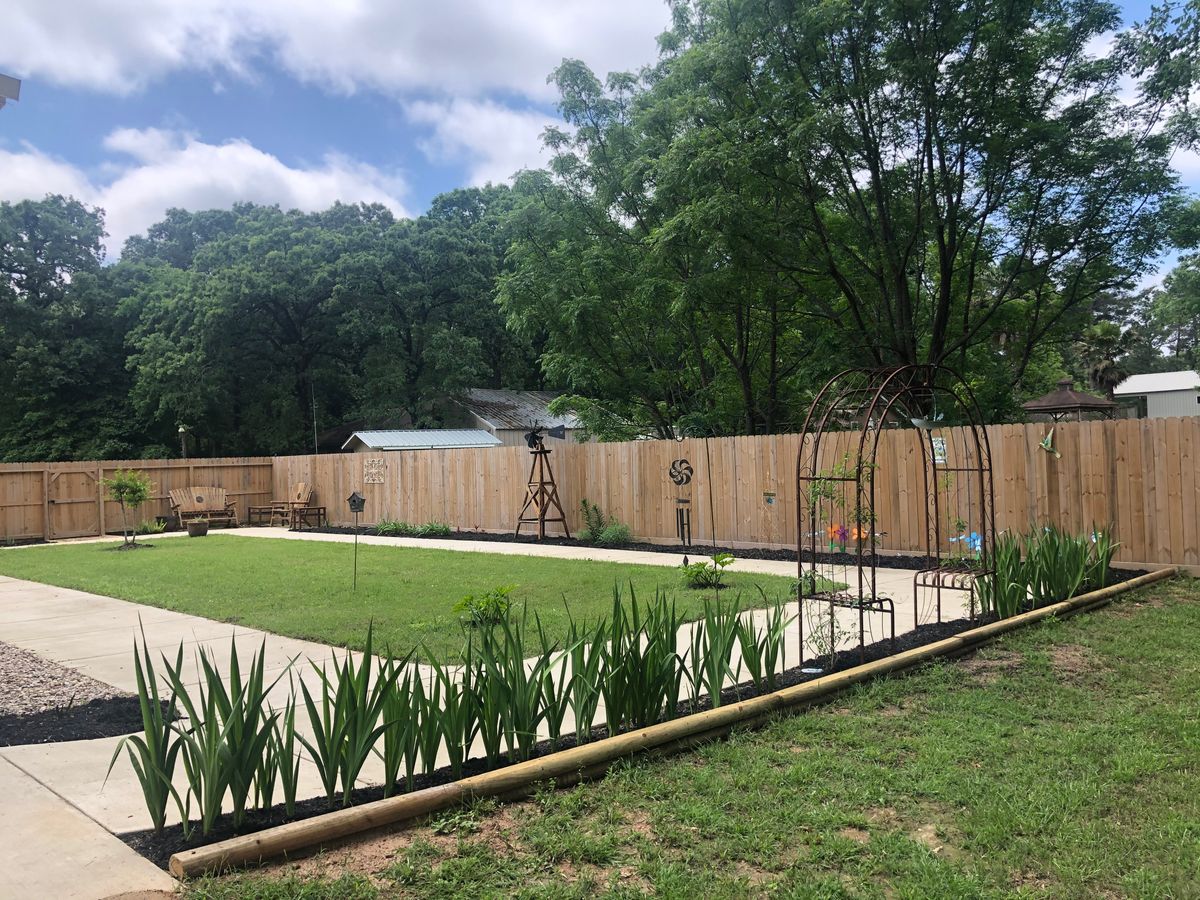
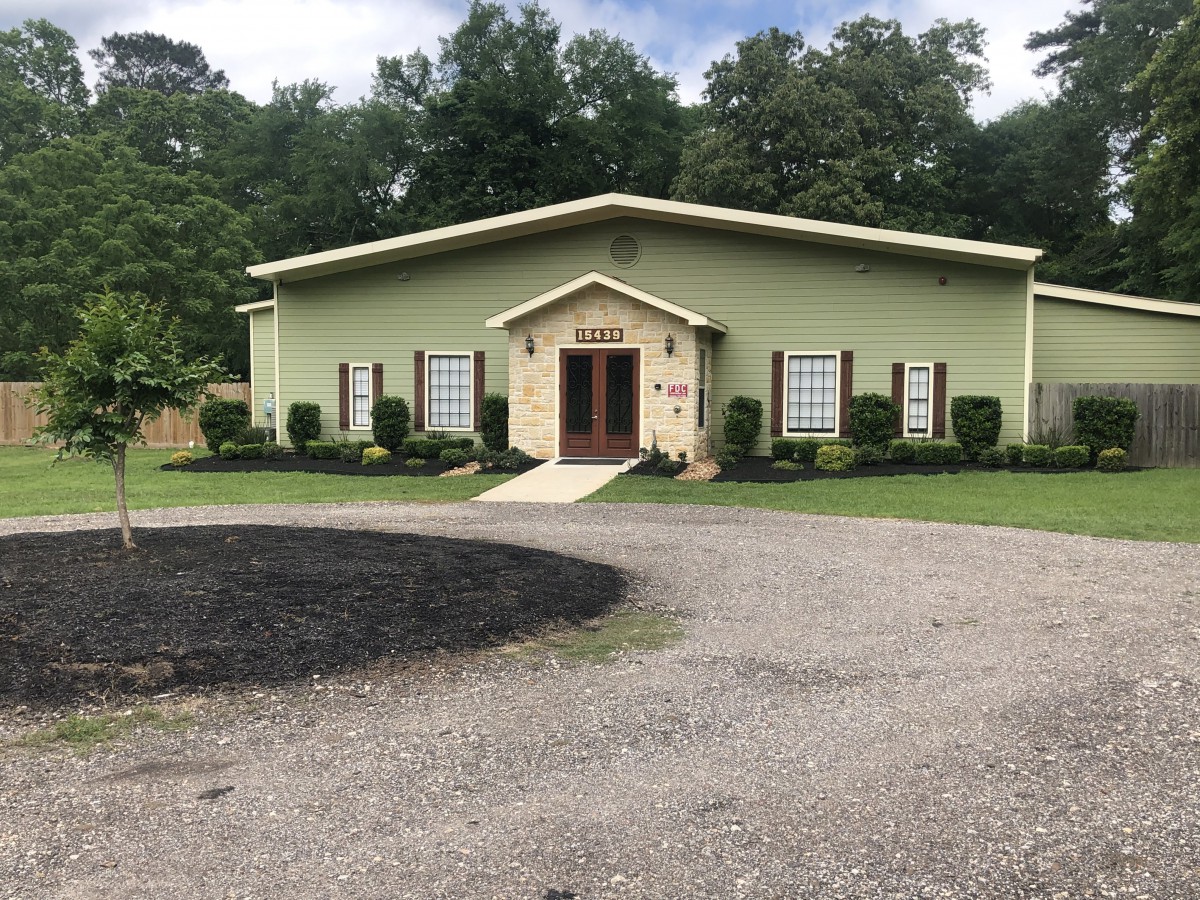
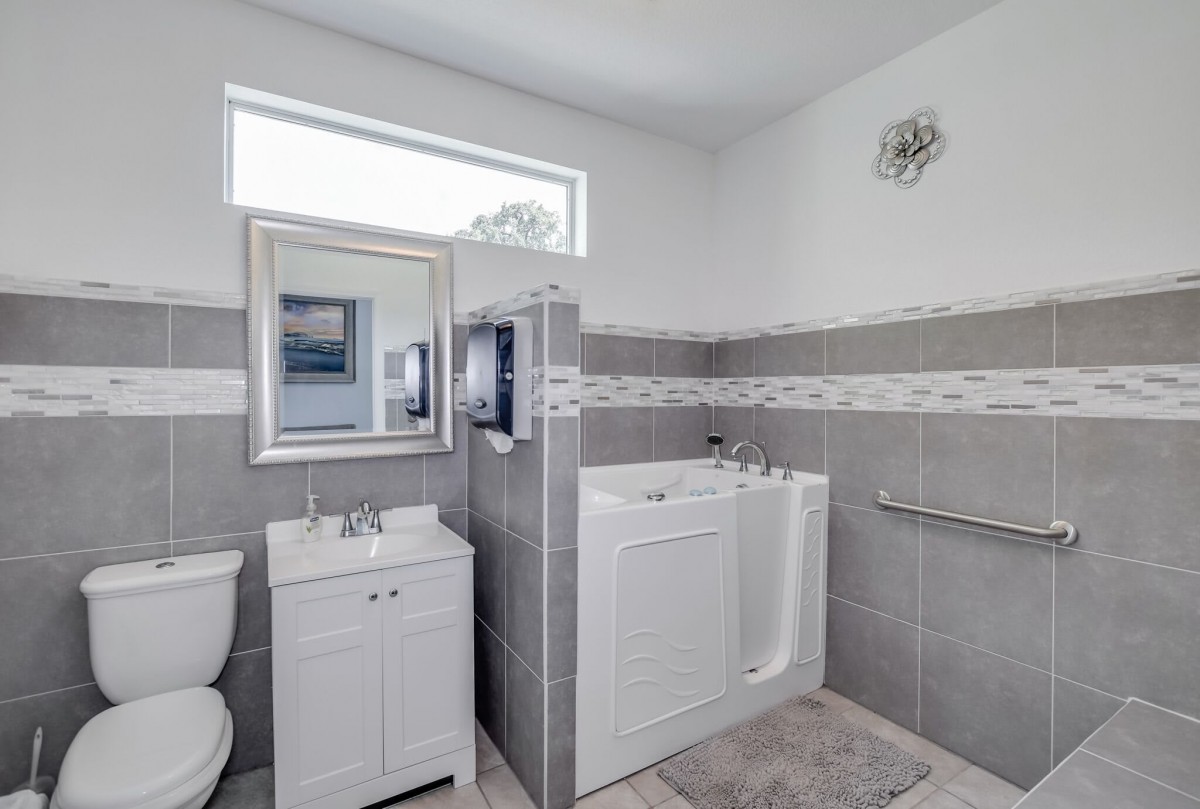
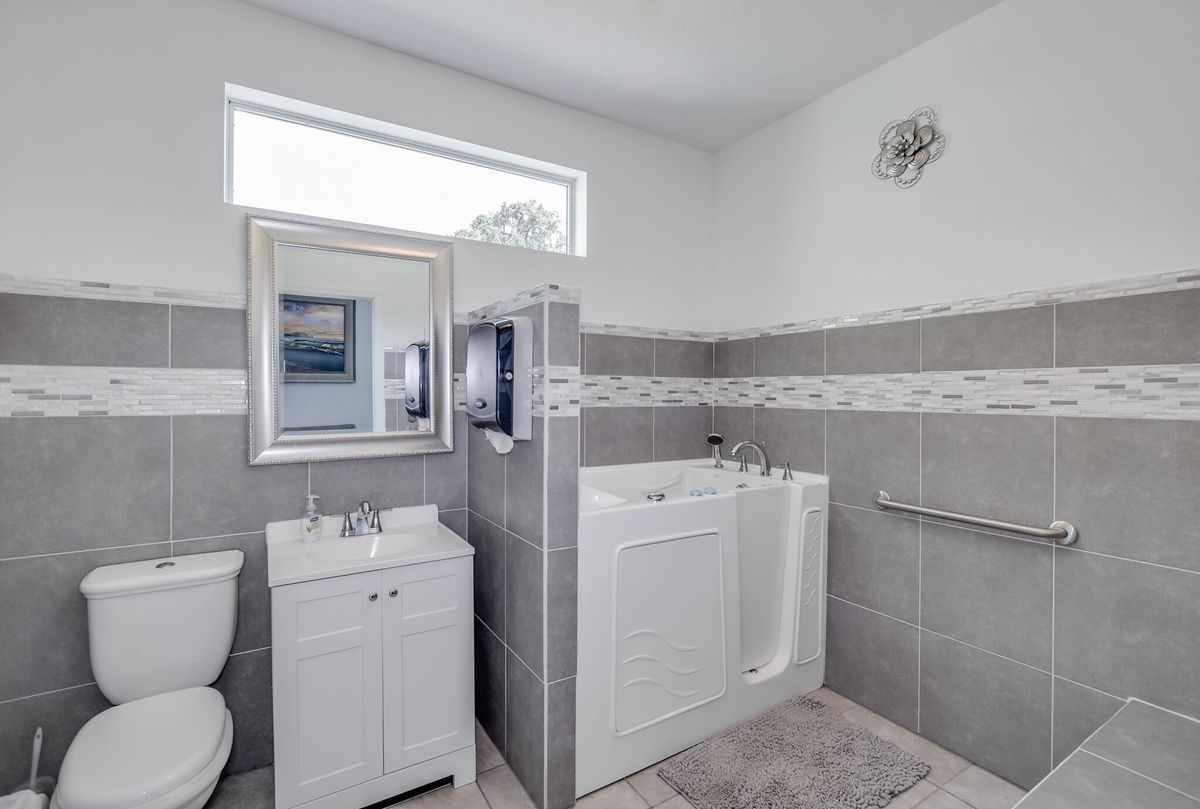
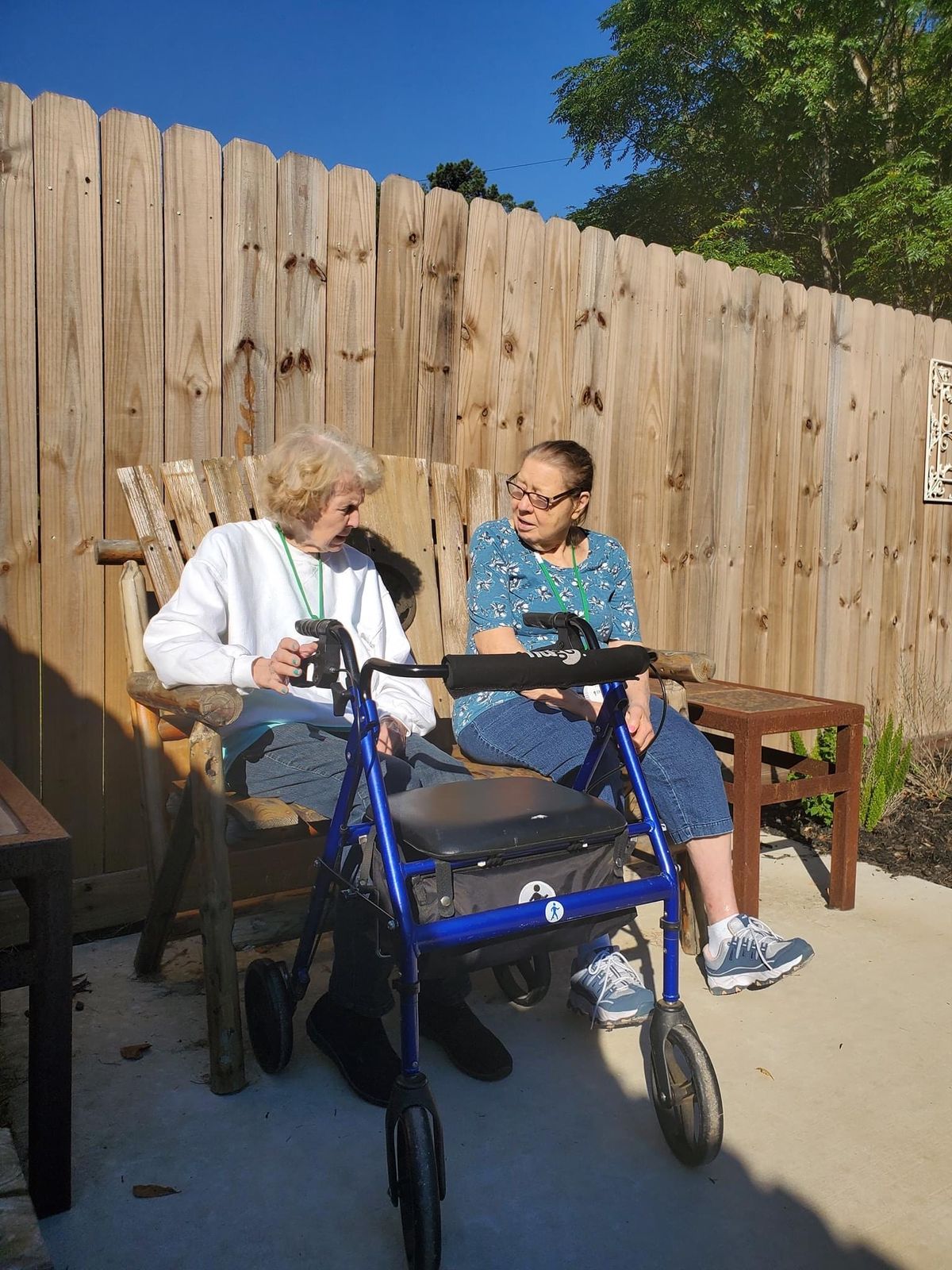
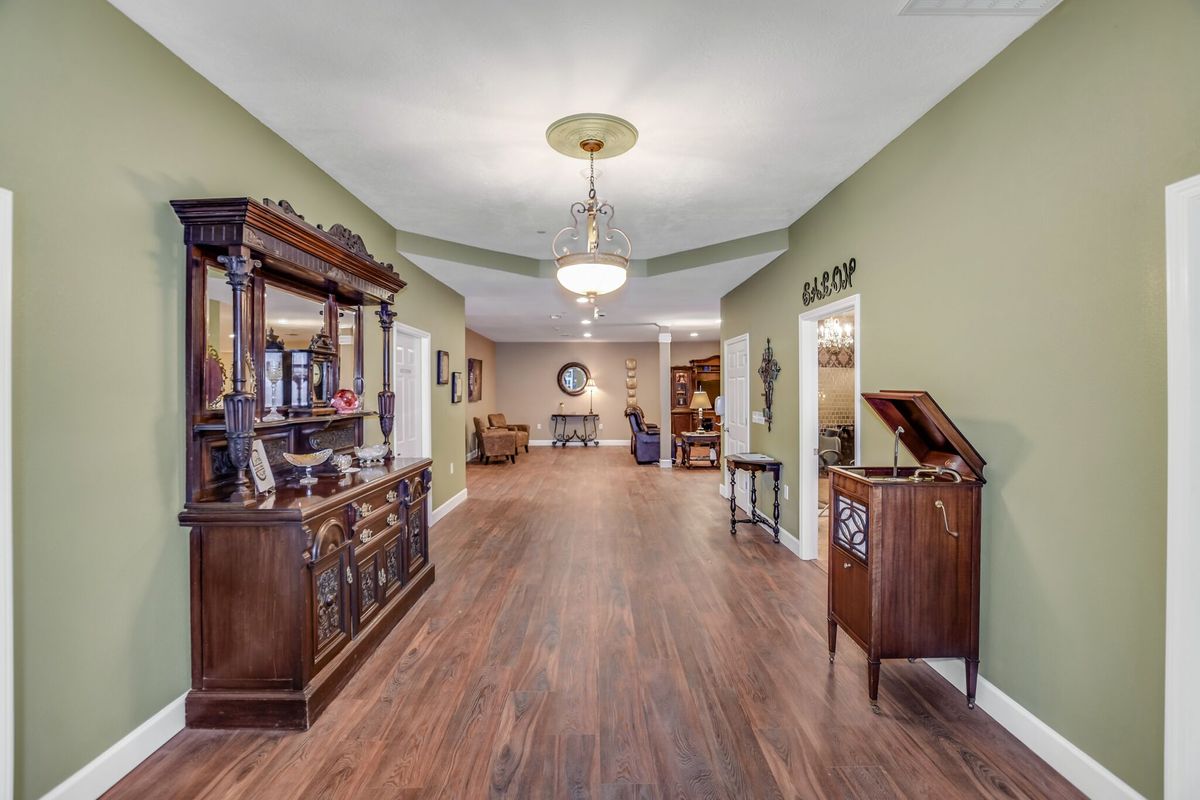
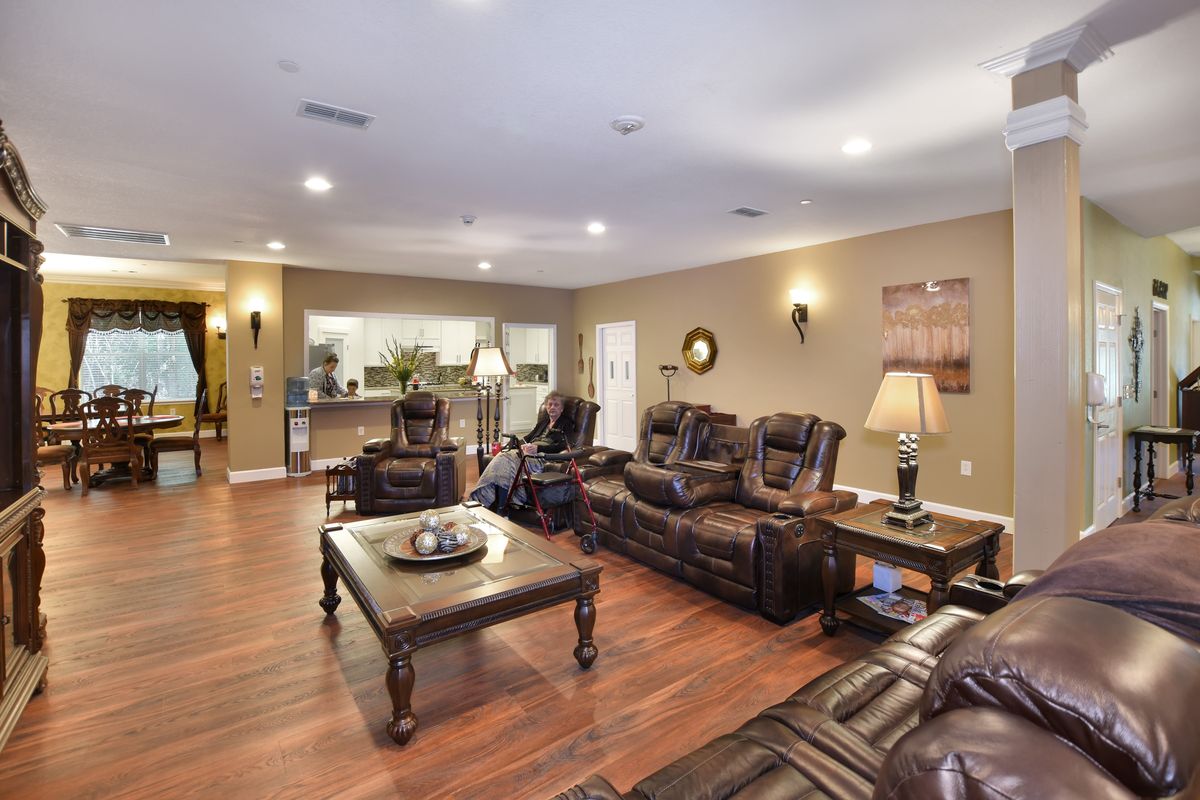
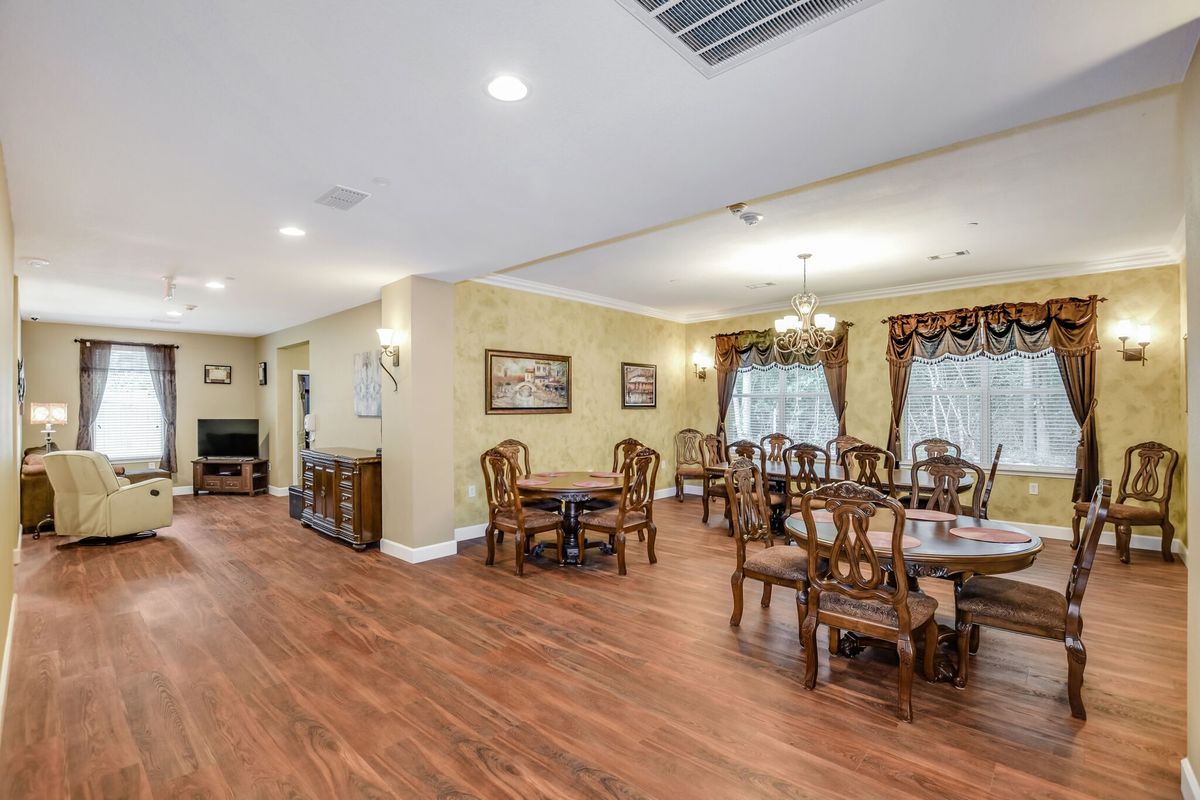
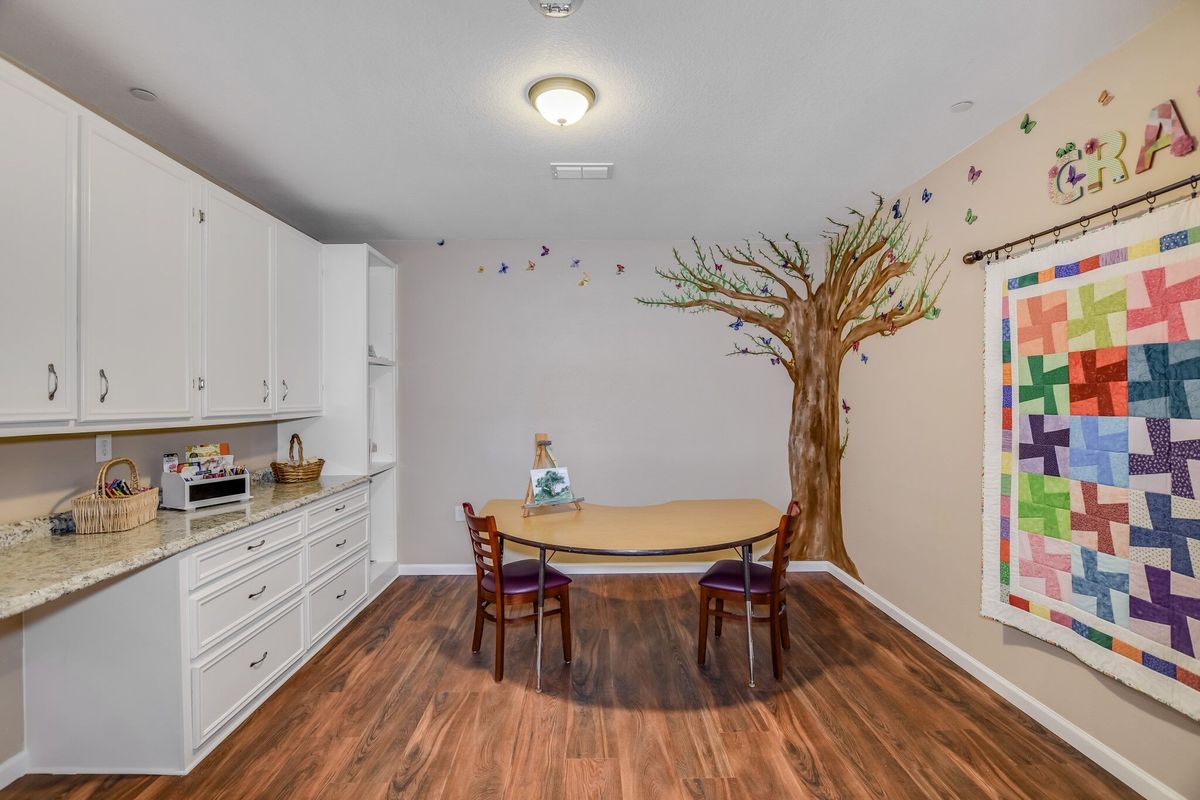
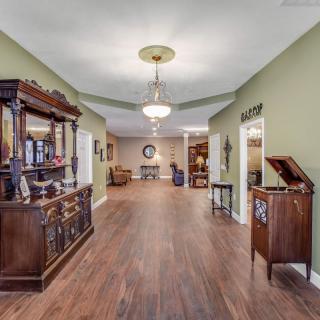
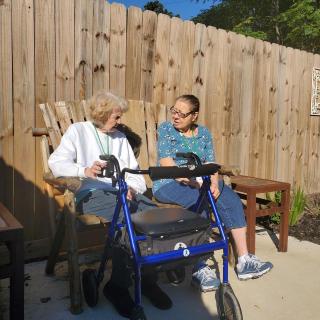
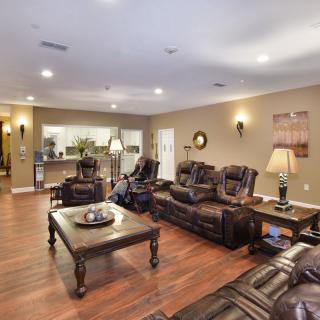
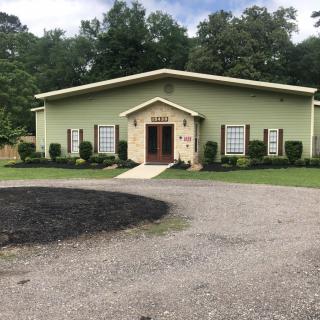
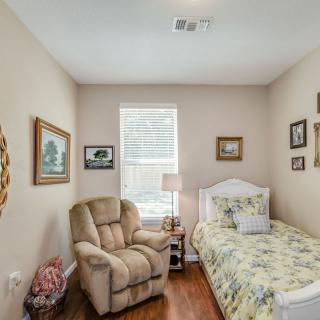
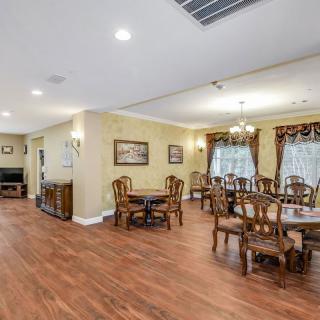
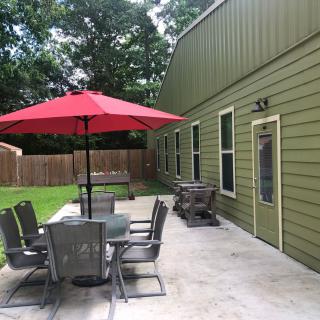
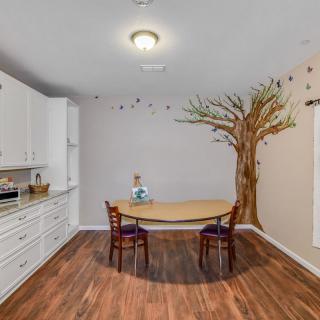
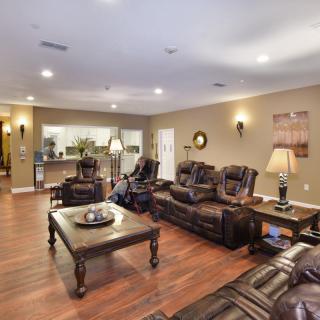
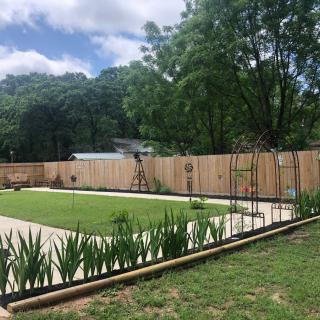
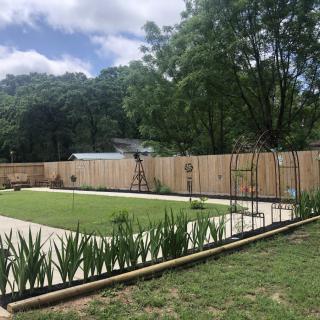
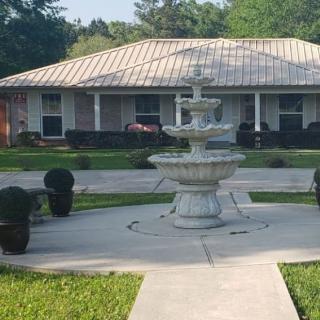
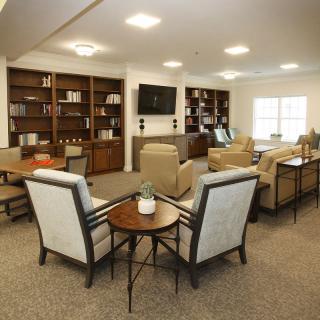
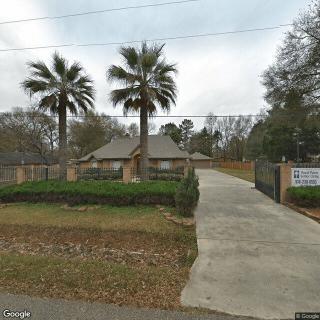
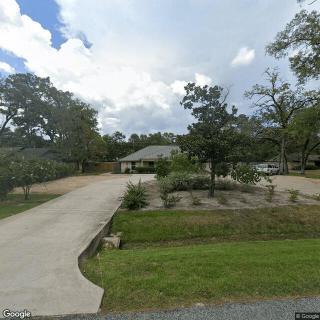
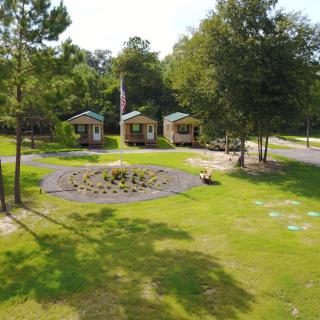
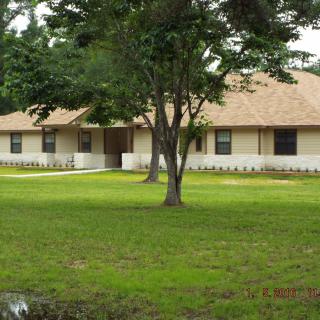
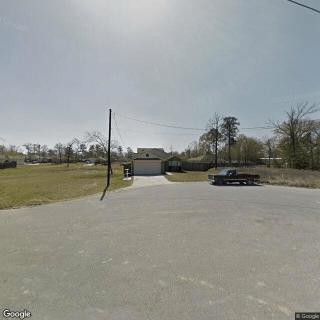
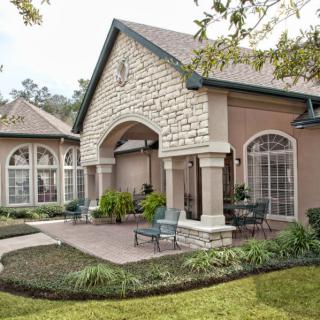
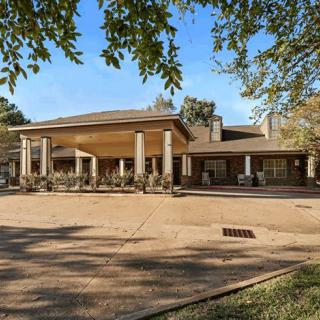
Countryside Manor Assisted Living on seniors.fyi includes 27 photos including images showing interior, landscaping, decor, bathroom, chandelier, fence, living room, bedroom, and more.
Nearby Communities
Graceland-Country Acres
Conroe, TX
$6,950 to $9,100 / month
Convenient access to nearby amenities and personalized care.
Serenity Manor Rosebud House
Conroe, TX
4.6 from 25 reviews
$2,950 to $3,750 / month
Attentive staff with a favorable caregiver-to-resident ratio.
Teigoroc 1
Conroe, TX
Small, nine-resident setting for personalized care.
Majestic Pines Senior Village
Conroe, TX
4.3 from 6 reviews
$1,850 / month
Affordable 1-bedroom independent living with on-site amenities and social activities.
Pine Hollow Ranch
Conroe, TX
4.2 from 18 reviews
$2,950 to $3,850 / month
Caring staff and a home-like atmosphere, with improvements since new ownership.
Clay and Clay House of Love
Conroe, TX
$2,500 to $3,000 / month
Affordable pricing compared to Montgomery County and Texas averages with easy access to dining, parks, healthcare, and transportation nearby.
Carriage Inn Conroe
Conroe, TX
4.9 from 111 reviews
$2,695 to $4,290 / month
Strong sense of community with friendly staff and a clean, well-maintained environment.
Lewis Park Estates
Conroe, TX
4.3 from 130 reviews
Caring staff, clean environment, engaging activities, and good dining.
Brightpointe At Rivershire
Conroe, TX
4 from 119 reviews
Extensive on-site amenities and activities that support independence.
Sundown syndrome, or sundowning, is a phenomenon in dementia patients characterized by increased confusion and agitation during late afternoon and evening, influenced by factors like disrupted circadian rhythms and fatigue. Effective caregiver strategies include establishing routines and managing environmental light while addressing caregiver stress through support services.
Delirium is a rapidly onset, reversible cognitive disturbance often caused by acute medical issues, while dementia is a gradual and irreversible decline due to chronic neurodegenerative diseases. Accurate differentiation between the two is essential for appropriate treatment and management in older adults.
Dementia, including Alzheimer’s disease, is often mischaracterized in terms of lethality as it leads to complications that can be fatal rather than being a direct cause of death; it causes a progressive decline in cognitive and physical health, making patients vulnerable to infections and other health crises. Effective management of nutrition, hydration, and communication is crucial in patient care, with palliative care becoming vital in advanced stages to enhance comfort and quality of life while caregivers play a key role amidst the challenges posed by the disease.
Get PricingAsk A QuestionSchedule A TourContact Senior Advisor
By clicking submit, you agree to our Partner's Terms of Use. You
also consent to receive calls and texts, which may be autodialed, from our Partner. Your consent is not a condition to
using our Partner's service. Please visit our Partner's Privacy Policy for information about their privacy practices.





 12 resident community capacity
 Assisted Living
 Board and Care Home
 Memory Care
 Activities on-site
 Air-conditioning
 Bath tubs
 Beautician on-site
 Cable or satellite TV
 Devotional services on-site
 Dining room
 Fully furnished
 Garden
 Guest parking
 Home sale assistance
 Housekeeping services
 Indoor common areas
 Laundry
 Move-in coordination
 Outdoor common areas
 Party space
 Private
 Respite or short term stays offered
 Small library
 Telephone
 Wheelchair accessible showers
 Wi-Fi/high-speed internet available
 24-hour supervision
 Ambulatory care
 Assistance with bathing
 Assistance with dressing
 Assistance with transfers
 Companion care
 Diabetes diet
 Diabetic care
 Hospice care
 Incontinence care
 Meal preparation and service
 Medication management
 Mental wellness program
 Physical therapy
 Special dietary restrictions
 Arts and crafts
 Book club
 Cooking club
 Educational speakers / life long learning
 Fitness programs
 Games
Games Live musical performances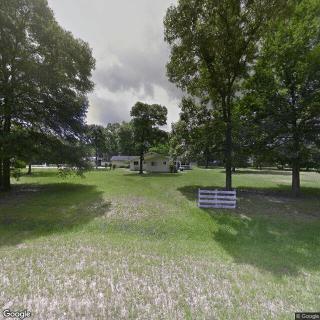
 Convenient access to nearby amenities and personalized care.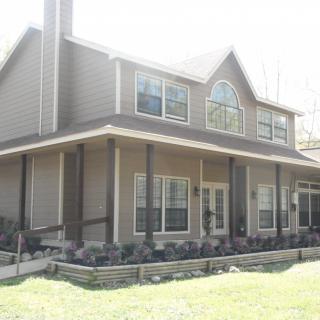


 Comprehending Evening Confusion in Dementia: Causes, Manifestations, and Support
 Delirium and Dementia: Unraveling the Key Differences
 Are Dementia and Alzheimer's Disease Lethal? A Comprehensive Exploration