
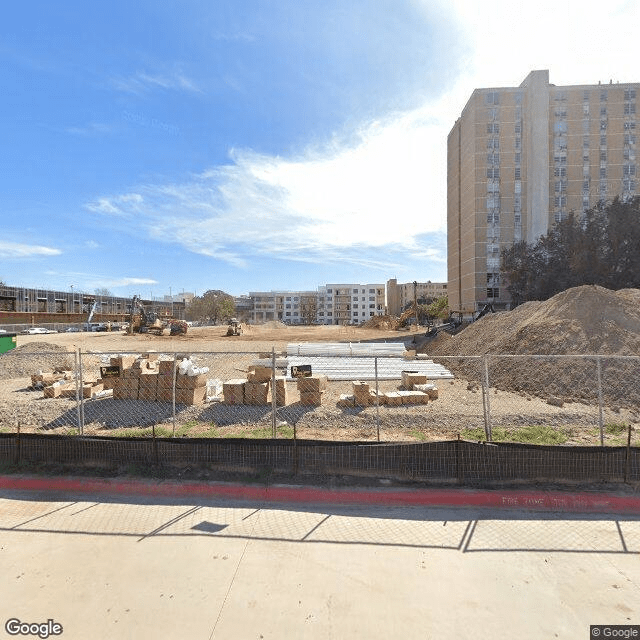
21 Waller St, Austin, TX 78702
To contact a resident: (512) 476-6051
For more information about senior living options: (866) 208-4318
Overall Review of RBJ Residential Tower
Pros
 It earns a thumbs up.
 - It is described as very good and loved.
- It offers a full set of in-building conveniences: a garbage chute, laundry facilities, mailboxes, a small grocery store, and a piano in the main room.
- It has a community center that serves pantry items, bread, salads, cookies, and occasional meats and vegetables on select days.
- It provides security in the halls and elevators with maintenance on call.
- It is called a little paradise and offers access to social workers to help with problems.
Cons
 The facility does not deserve even one star.
- Management took eight days to send someone out for a bedbug infestation.
- They charged the resident's mother $50 for each discarded item.
- Almost two months later, the discarded items were still sitting behind the dumpster.
- It is not the best place for elderly or disabled residents.
- The resident's mother is being singled out by a management employee and is under enormous stress.
Review
RBJ Residential Tower in Austin is best suited for seniors who want a truly self-contained living environment, with daily life anchored inside a single building. The campus design stacks conveniences in close reach: per-floor garbage chutes, first-floor laundry, a mailroom, a small in-building grocery option, and a central gathering space with a piano and a community kitchen. For residents who value security, predictable routines, and ready access to meals and social activities without frequent outings, this setup supports ongoing independence and a sense of belonging.
Those weighing alternatives should note that RBJ may not be the right fit for families prioritizing absolute reliability in maintenance, fully transparent charges, and consistently respectful staff interactions. If prompt crisis response, crystal-clear financial policies, and a resident-centered management tone are non-negotiables, consider other communities where management consistency and advocacy are stronger, and where pest-control responsiveness has a proven track record.
On balance, the building’s strengths center on a practical, all-in-one living pattern. The in-house amenities cut down on outside errands and scheduling, while security presence and on-call maintenance deliver a safety net for seniors who want to minimize risk and maximize independence. The social scaffolding, on-site social workers who assist with problems and connect residents to services, adds a meaningful layer of support that can stabilize daily life, especially for residents navigating complex health or care needs. These elements collectively offset some loneliness and logistics burdens typical of aging in place.
The upside is complemented by real conveniences: daily life arranged in a way that reduces trips outside, a community hub for meals and social interaction, and the sense that help is nearby when needed. The density of services, mail access, on-site dining options sourced from pantry-style offerings, and easy access to essential goods, helps preserve routines that keep seniors engaged and feeling secure. Security throughout the halls and elevators, plus maintenance on call, further reinforces a foundation where routine tasks do not spiral into a management crisis.
Yet the experience is not without red flags. The most troubling concerns center on management responsiveness during crises and on how staff interactions can impact a resident’s peace of mind. One incident described a bedbug issue that did not receive timely attention, followed by charges for discarding infested items and delays in clearing those items from common spaces. Such episodes cut into trust and can elevate stress for elderly residents and their families, undermining the advantages of a self-contained campus when problems linger rather than resolve quickly.
For families making a decision, the practical verdict hinges on priorities. If a vibrant, self-contained community with built-in social support, security, and daily conveniences is the top goal, RBJ delivers tangible value. If, instead, speed of service, transparent, predictable billing, and uniformly respectful treatment from leadership are non-negotiable, it would be wise to explore alternatives and request current pest-management policies, concrete maintenance response times, and a clear stance on item-disposal charges. A guided tour with pointed questions, and perhaps a short trial stay, will reveal whether RBJ’s strengths align with the resident’s needs and whether the documented concerns are being actively addressed by current management.
 Board and Care Home
 Austin-Bergstrom International (6 miles away)


 Ten Vital Duties of a Senior Caregiver: A Comprehensive Guide
 9 Stimulating Memory Activities for Seniors: Puzzles, Cards, and Much More
 Managing Nursing Home Expenses After Medicare Coverage Ends