
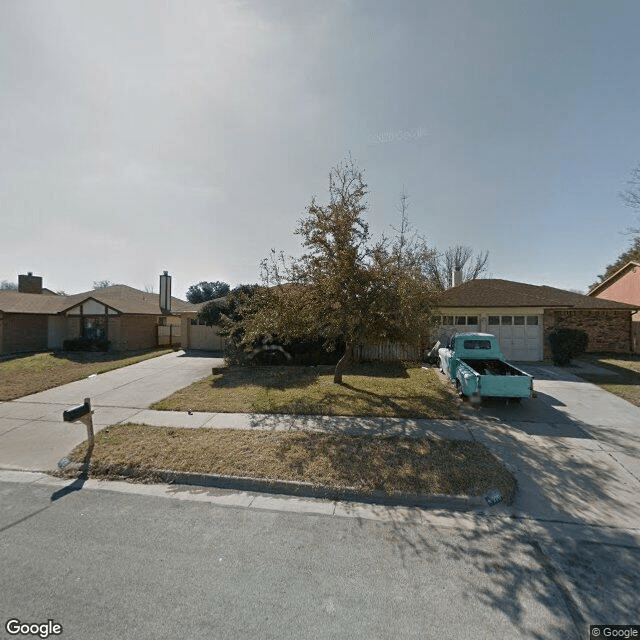
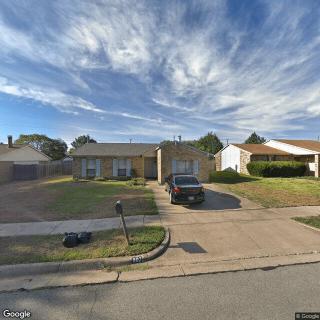
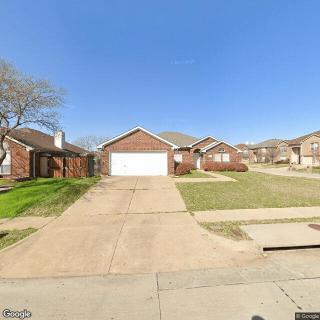
522 Valley Mills, Arlington, TX 76018
To contact a resident: (817) 465-2568
For more information about senior living options: (866) 208-4318
Overall Review of Caregivers of Texas
Pros
 The place is awesome and the staff have been very helpful.
- Sabina is described as very nice and helpful.
- The care team took great care of the dad and made him comfortable.
- The services are excellent and the staff are compassionate.
- The advisor is kind, knowledgeable, and stayed in contact during the caregiver search.
- The staff provided unwavering help during the caregiver search.
Review
Caregivers of Texas in Arlington is best suited for families seeking a warm, intimately attended caregiving environment where staff form real connections with residents and daily routines feel personalized. The prevailing pattern in the positive feedback is that loved ones are kept comfortable and well cared for, with staff taking time to learn preferences and habits. Sabina and other team members repeatedly emerge as approachable, dependable, and willing to go the extra mile to make care feel tailor-made. For households navigating caregiver transitions, this community offers a reassuring blend of attentiveness and steadiness that can ease the emotional burden of choosing long-term support.
Those who should consider alternatives are families needing highly specialized medical management, dementia-focused programming, or very specific clinical oversight beyond everyday caregiving. The reviews celebrate compassionate, hands-on care and reliable communication, yet they do not detail advanced clinical services or memory-care protocols. If the situation demands nurse-led rounds, 24/7 on-site medical supervision, or transparent budgeting for long-term residency, it is prudent to compare other options. In short, when needs skew toward high-acuity medical care or structured memory-care pathways, a deeper clinical resource may be the better fit.
The principal advantages revolve around human qualities that shine through in the feedback: genuine care, warmth, and a caregiving approach that feels individualized rather than procedural. Families note that the care team creates a sense of ease for their loved ones, and that the communication during the caregiver-search process is steady and supportive. An especially valuable element is the advisor who guided placements, kind, knowledgeable, and consistently in touch through ups and downs, reducing decision fatigue. In environments where trust and relational warmth are decisive factors, these attributes carry substantial weight and can offset generic concerns about moving into assisted living.
The main risk for prospective families is the absence of explicit detail about medical acuity, memory-care programming, or a formal clinical structure. Without concrete information on specialized services, it’s hard to gauge readiness for complex needs. Still, the demonstrated reliability, the comfort provided to residents, and proactive, ongoing communication help mitigate these uncertainties by establishing a stable daily rhythm and predictable responsiveness. The result is a caregiving atmosphere that often feels more dependable than flashy amenities, which matters greatly when daily life hinges on consistent support.
To test fit, families should arrange direct meetings with the care team and request clear, written explanations of daily routines, staffing models, and escalation protocols. Engaging with the advisor who guided the search can illuminate how ongoing communication will be managed when changes arise. A trial visit that includes informal observation of interactions and conversations with frontline caregivers can reveal whether warmth translates into consistent practice. The right questions focus on what the day-to-day experience looks like, how care plans are updated, and how families are kept in the loop during transitions.
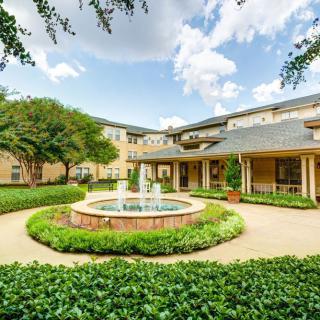
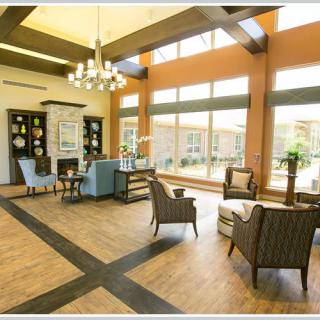
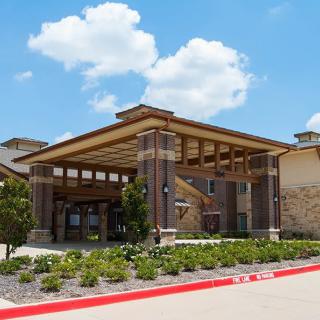
Bottom line: for Arlington families who value compassionate, hands-on care and dependable, ongoing communication, Caregivers of Texas presents a compelling option. It earns trust through tangible warmth and reliable outreach, often proving more meaningful than mere architectural polish. If the resident’s needs align with a supportive, relationship-driven model and memory-care or high-acuity medical needs are not immediate concerns, this community is a strong fit. If, however, advanced clinical oversight or dementia-centered programming is required, it is wise to explore alternatives with clearer offerings in those specific areas.
 Dallas-Fort Worth International (18 miles away)

 Understanding the Sandwich Generation: Stress and Responsibilities for Multigenerational Caregivers
 8 Essential Assistive Devices for Older Adults
 Navigating the Financial Road to Nursing Home Care: In-Depth Guidance and Resources