

3415 S Collins St Ste 107, Arlington, TX 76014
To contact a resident: (817) 468-9062
For more information about senior living options: (866) 208-4318
Overall Review of Accurate Care Health Services
Pros
 It is cheap and quick.
Cons
 The instructor is creepy.
- The teaching method is a very quick and dirty way to teach CNA.
- The approach is cheap and quick, implying low quality.
Review
Accurate Care Health Services in Arlington, TX is best suited for families operating on a tight budget who can accept a lean approach to caregiving and insist on close, ongoing family oversight. The lone reviewer points to a training program that is inexpensive and fast, which translates into lower up-front costs but raises questions about consistency and reliability in day-to-day care. This option can work for residents whose needs are minimal and who do not require complex medical attention, especially if there is a plan for vigilant monitoring by relatives or a trusted caregiver from outside the facility. For anyone weighing this community, the message is clear: cost savings come at the expense of rigorous staff development and dependable caregiver performance.
Those considering alternatives should evaluate whether robust CNA training, stable staffing, and transparent quality measures matter more than a reduced price. Families dealing with memory care, advanced dementia, complex medication regimens, or frequent medical needs should look to communities with a demonstrable track record of well-trained aides and consistent nurse supervision. If the plan relies on consistent, attentive, professional care rather than quick, inexpensive staffing, a facility with stronger clinical capabilities and documented staff competencies is advisable. In short, when safety, predictability, and proactive care are non-negotiable, alternatives are not just preferable, they’re essential.
The most evident pro of this Arlington option is the immediate cost advantage and the promise of quick placement. A lower price point can alleviate short-term financial pressure and may suit those who only anticipate light assistance, limited supervision, or interim housing while other arrangements are arranged. However, the sole positive driver rapidly clashes with the core concern raised by the available feedback: the training is described as “quick and dirty,” delivered by someone whose manner feels unsettling. In practical terms, cost savings here translate into higher uncertainty about caregiver competency, monitoring needs, and the daily experience of residents. Those gaps tend to widen once real-world tasks, mobility assistance, medication reminders, and safety checks, enter the equation.
From a decision-making standpoint, the main con, questionable training quality, must be weighed against the likelihood of meaningful benefits. If staff training is insufficient, the risk of caregiver inconsistency, mistakes, or missed cues increases, and turnover may be higher as frontline workers seek more stable environments. That reality can erode the very cost advantage families are pursuing, forcing families into frequent checks, supplemental caregiving, or emergency transitions. The absence of clear, third-party quality signals (such as multiple independent reviews, inspection histories, or transparent staffing data) makes the con more potent. In practical terms, the budget-friendly appeal cannot obscure the likelihood of suboptimal care experiences.
To guard against surprises, conduct a rigorous due diligence process before committing. Demand a frank discussion about CNA training standards, ongoing supervision, and policies governing immediate access to licensed nursing oversight. Request staff-to-resident ratios, shift patterns, turnover rates, and the facility’s approach to incident reporting. Schedule on-site observations to see how aides interact with residents, how quickly concerns are addressed, and whether the environment feels orderly and safe. Verify licensing status and check state inspection records; ask for concrete examples of training modules, competency assessments, and ongoing education. Above all, insist on a trial period with a clear exit plan if care quality does not meet established expectations.
In the end, Accurate Care Health Services should be approached with clear expectations: a potential cost win is overshadowed by concerns about training quality and consistency. For families prioritizing affordability and able to provide active oversight, this option may serve as a temporary bridge. For those whose loved ones require reliable, well-trained staff, with predictable routines and proactive care management, alternatives, particularly facilities with proven staffing stability and transparent quality metrics, should be pursued first. The decisive move is to choose a setting where care quality and staff competence are verifiable and dependable, not merely inferred from price.
 Dallas-Fort Worth International (15 miles away)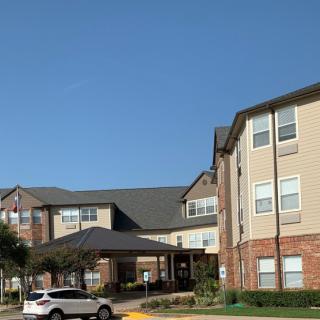






 Understanding the Nuances of Palliative Care and Hospice: A Comprehensive Exploration
 Fecal Incontinence in Older Adults: A Comprehensive Guide
 Nurturing Well-Being Through Gardening: A Detailed Guide for Senior Enthusiasts