
4904 Saddleback Road, Arlington, TX 76017
To contact a resident: (682) 587-4124
For more information about senior living options: (866) 208-4318
Accessible Living Facility Costs & Pricing
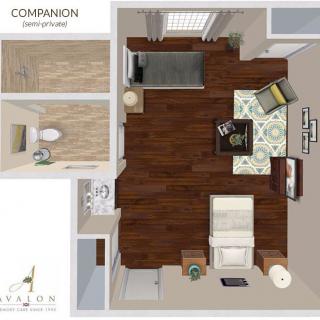
When evaluating the costs of an Accessible Living Facility, it is noteworthy to compare them against the broader pricing landscape in Tarrant County and Texas as a whole. For a semi-private room, residents can expect to pay approximately $2,500 per month at an Accessible Living Facility, which is significantly lower than the county average of $3,889 and the state average of $3,680. Similarly, for a private room, the facility's fee of $3,000 also stands out favorably against Tarrant County's average of $3,704 and Texas's average of $4,096. These competitive rates not only highlight the affordability of accessible living options but also suggest a commitment to providing quality care while ensuring financial accessibility for individuals seeking supportive housing solutions.
| Floor plans | Accessible Living Facility | Tarrant County | Texas |
|---|---|---|---|
| Semi-Private | $2,500 | $3,889 | $3,680 |
| Private | $3,000 | $3,704 | $4,096 |
Senior living communities with a similar price nearby
-
About the same

Halo Residential Care Homes
$2,500 to $3,000 / month7.4 miles away -
from +$95 / mo
Conservatory at Keller Town Center
$2,595 to $2,935 / month19.1 miles away -
from -$215 / mo
The Remington At Valley Ranch
$2,285 to $3,385 / month22.7 miles away -
from +$450 / mo
4 Seasons Senior Living Coppell
$2,950 to $3,750 / month23.8 miles away -
About the same
Home Instead - Red Oak, TX
$2,500 / month23.4 miles away
Overall Review of Accessible Living Facility
Pros
 The director, Manuel, and his team are amazing people.
- The spaces are ample, the price is reasonable, and the care is evident.
- The staff are welcoming and listen to residents' concerns.
- They keep the residents occupied and provide activities and entertainment.
- The food is delicious.
- The atmosphere is family-oriented with so much love.
- The managers and dining staff have been there for over 15 years.
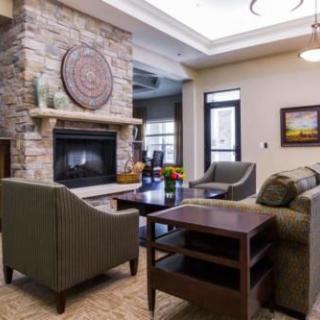
- The homes are clean with nice furniture and surroundings.
Cons
 They claim the facility is all about the money, not about the care, with caregivers having zero experience and no activities or stimulation beyond the TV.
 - They allege the aides were not properly trained to lift and that no one was certified as a nurse aide by the state of Texas.
- They report serious dehydration and bedsores occurred, and they removed their family member from the facility.
- They say the clothes smelled horrible, even though washed daily.
- They accuse the facility of using other residents’ medications for their family member and of finding ants in the bed and room.
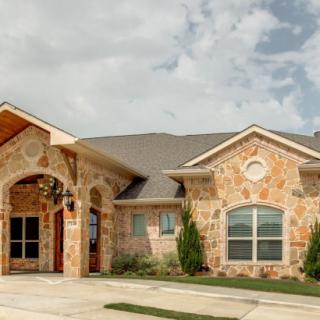
- They note that, despite the property looking nice, the residents’ condition was depressing due to widespread memory loss.
- They advise others to avoid the facility.
Review
Accessible Living Facility in Arlington, TX, is best suited for families that prize a warm, home-like atmosphere, close-knit caregiver continuity, and clear resident engagement. The community earns trust from families who value personal attention, long-tenured staff, and a dining program that feels like home cooking. When the goal is daily reassurance, that a loved one is greeted by familiar faces, that conversations happen with staff who know the resident’s preferences, and that amenities are comfortable and accessible, this setting delivers. The emphasis on a family-oriented vibe, with ample living spaces and routine daily activities, makes it a compelling option for seniors who do well in a warm, less clinical environment and for families who want meaningful involvement in care planning.
Yet there are realities to consider before committing. A subset of reviews raises caution flags about staff training and clinical oversight. Some families describe experiences where aides lacked proper lifting technique or nursing credentials, and concerns about medication handling and cleanliness surface in a few accounts. Potential residents who require robust medical supervision, highly certified aides, or strict adherence to clinical protocols may find the care model here less aligned with those needs. Additionally, a few comments hint at gaps in stimulation and program variety for residents who crave more structured activities or cognitive support. These points matter when evaluating whether this community can reliably meet higher-acuity needs.
On the positive side, the consistent thread across many reviews is staff reliability and a genuine, affectionate approach to resident care. Long-tenured managers and dining staff contribute to a sense of continuity that many families value highly. The environment often feels welcoming and nurturing, with residents appearing engaged, meals described as satisfying, and caregivers who are approachable and responsive to family concerns. The facilities themselves support comfortable living, two-bedroom suites and spacious layouts that facilitate family visits. For families prioritizing relationship-centered care and a sense of “home,” these strengths can meaningfully offset the ordinary stresses of transitioning a loved one to assisted living.
The strongest counterpoint centers on safety and clinical reliability. When questions about staffing qualifications arise, the calculus shifts: does the community provide enough on-site training, are certified nursing assistants readily available, and is there consistent medical oversight to prevent dehydration, pressure injuries, or missed medications? There are credible reports from some families that these issues did occur, underscoring the risk that a very homey, low-key model may not always guarantee the level of clinical vigilance some residents require. For residents with complex medical conditions or substantial mobility needs, these concerns are not trivial and should be weighed carefully.
The most practical takeaway is to weigh the warmth and continuity against the potential gaps in clinical rigor. The pros, affectionate staff, a homey dining experience, long-term caregiver presence, and a comfortable, visited-friendly environment, do offset many families’ concerns when care needs stay moderate and social stimulation remains a priority. For those who can tolerate a bit of variability in day-to-day clinical oversight, the value and emotional comfort here are compelling. Yet for families pursuing high-level medical supervision, frequent nursing touchpoints, or a memory-care–oriented program with tightly controlled protocols, alternatives with stronger clinical teams and more formalized CNA certification practices may be a wiser match.
In sum, Accessible Living Facility is a practical, well-priced choice for Arlington families seeking a welcoming, person-centered setting where caregivers form real connections with residents and families. It excels for those who prioritize a homelike vibe, good meals, and staff stability over a hospital-like cadence of clinical interventions. However, it may not meet the expectations of families that require rigorous nursing oversight, highly trained aides, or a structured memory-care framework. A candid tour, focusing on staffing ratios, CNA availability, access to on-site medical oversight, and the facility’s activity calendar, will reveal whether this community’s strengths align with the specific needs of a loved one.
 Board and Care Home
 Cats allowed
 Dogs allowed
 Activities off-site
 Bath tubs
 Devotional services on-site
 Indoor common areas
 Outdoor common areas
 Private
 Respite or short term stays offered
 Wheelchair accessible showers
 Dallas-Fort Worth International (19 miles away)
 Ambulatory care
 Diabetic care
 High acuity care
 Medication management
 Kosher



 Senior Move Management: Understanding the Role, Value, and Associated Costs
 Weight Training for Seniors: Building Strength and Vitality
 Understanding the Sandwich Generation: Stress and Responsibilities for Multigenerational Caregivers