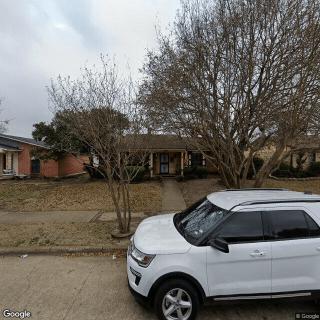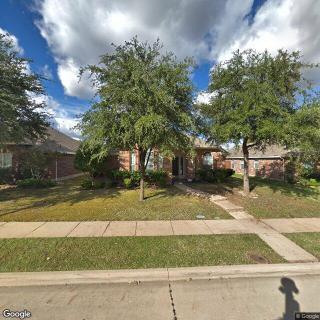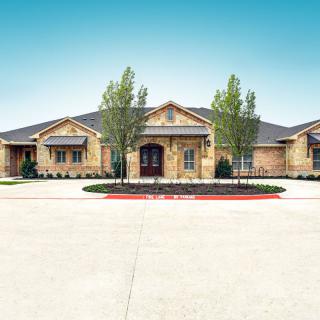
Loving Care Home in Allen, TX

Save
Loving Care Home

Loving Care Home in Allen, TX

999 West Forest Grove, Allen, TX 75002

For more information about senior living options: (844) 490-3973

4.6 from 11 reviews
5 stars
10
4 stars
0
3 stars
0
2 stars
0
1 stars
1

Assisted Living Board and Care Home

Loving Care Home Costs & Pricing

Loving Care Home offers a competitive pricing structure for its private rooms at $2,000 per month, which significantly undercuts both Collin County and the broader Texas market. In comparison, the average cost for similar accommodations in Collin County is $4,324, while the statewide average reaches $4,096. This favorable pricing not only enhances affordability for residents and their families but also positions Loving Care Home as an appealing option for those seeking quality care without the financial burden typically associated with assisted living facilities in the region.

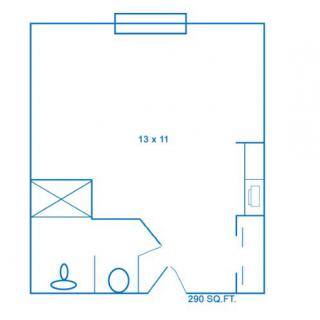
Floor plansLoving Care HomeCollin CountyTexas
Private$2,000$4,324$4,096

Overall Review of Loving Care Home

Pros

  • pro The staff provides excellent care for residents.
  • pro Families receive clear, ongoing communication from the facility.
  • pro Michael and his staff provide excellent care for seniors.
  • pro Residents enjoy a country, home-like environment.
  • pro Caregivers are very loving and give personal attention.
  • pro The owner is extremely knowledgeable and experienced with geriatric needs.
  • pro The facility offers a friendly, family-like environment.
  • pro The director is very nice.
  • pro The environment is described as the most loving in an assisted living home.

Cons

  • pro The care is terrible.
  • pro They have bed bugs and don't feed the residents enough food.
  • pro The owner drinks and drives the residents.
  • pro They also don't contact the family when there is a problem.

Review

Loving Care Home in Allen, TX, is best suited for families seeking a true home-like setting where seniors receive highly personal, hands-on care and where daily life unfolds with a strong sense of family. It works well for residents who thrive on intimate attention, predictable routines, and easy, ongoing communication with caregivers. The community favors those who value a warm, country-inflected environment, where staff can know individual histories, preferences, and dietary needs, and where meals and daily supports can be tailored to the person. Those with significant medical needs requiring frequent clinical oversight or complex memory-care programming should look elsewhere. Families prioritizing formal oversight, structured memory-support services, or a larger campus with more built-in clinical resources may want to consider alternatives.

The strongest advantages are the unmistakable sense of warmth and constant accessibility. Reviews consistently highlight a loving atmosphere, with caregivers who treat residents like family and teammates who stay with the same care philosophy day after day. Regular communication with families is cited as a key strength, delivering peace of mind through timely updates and open channels for questions. The home's small size - often described as a dozen or so residents - contributes to personal attention, enabling staff to monitor daily needs, med-pass, and dietary preferences with a degree of intimacy that larger communities struggle to match. Several accounts note that staff are experienced with geriatric needs, with a director who is approachable and a leadership presence that reinforces competent, compassionate care.

Yet the review slate is not without warnings. The lone one-star critique raises a red flag about safety and integrity: allegations of bed bugs, underfed residents, and troubling behavior attributed to the owner, including impaired conduct and poor family communication. While this single report contrasts sharply with the broad consensus of warmth and capability, it cannot be dismissed. Prospective families should weigh such claims seriously, verify pest-control history, inspect meal planning and portion adequacy, and assess governance and accountability. Because the home is small and closely led, a single episode - if real - could signal deeper vulnerabilities in oversight or response. The mix of testimonies means skepticism and due diligence are warranted during a visit.

Overall, the favorable pros tend to offset most concerns for families prioritizing affection, daily attentiveness, and straightforward, communicative ownership. The combination of a nurturing staff, personalized care, and the sense of being part of a "family" makes the setting especially suitable for seniors who value relational continuity and who do not require constant clinical intervention. The presence of trained leadership, with notes of RN involvement and an approachable director, provides a credible level of professional oversight that can cushion the transition for residents with moderate medical needs. For many families, these elements deliver meaningful assurance: a place where a loved one is treated with consistent respect, and where daily life feels predictable, safe, and supportive.

Decision-makers should approach a tour with a concrete checklist to separate truth from impression. Inquire about the actual staff-to-resident ratio during peak hours, confirm whether a licensed nurse is on-site or on-call, and review current care plans for memory-related needs. Request a comprehensive explanation of meal preparation, portion sizes, and how dietary preferences are enforced for picky eaters. Seek recent pest-control records and cleaning protocols, and observe cleanliness firsthand during mealtime and activities. Talk with residents and their families about communication frequency, responsiveness to concerns, and the process for escalating issues. Finally, demand clarity on governance: who is directly responsible for safety decisions, how problems are tracked and addressed, and what measures exist to ensure transparency with families.

In sum, Loving Care Home offers a compelling, almost ideal fit for families seeking a small, affectionate, and closely managed senior living option. The environment rewards personal attention, consistent communication, and a genuinely home-like daily rhythm. Those prioritizing clinical acuity, robust memory-care programming, or assurances against every risk should consider alternatives or insist on thorough, independent verification before committing. With diligent due diligence, the community can prove a trustworthy, enriching home where a loved one feels seen, supported, and truly cared for.

Features

Housing

  • 15 resident community capacity 15 resident community capacity

Types of Care

  • Assisted Living Assisted LivingAssisted living facilities provide crucial support and care for seniors who may need help with daily tasks such as medication management, bathing, and meal preparation. These communities offer a safe and comfortable environment where seniors can maintain their independence while receiving the assistance they need to thrive in their golden years.
  • Board and Care Home Board and Care HomeBoard and care homes provide a smaller, more intimate setting for seniors who require assistance with daily tasks but do not need the level of care offered by a nursing home. They offer personalized care, meals, and social activities in a homelike environment, ensuring that seniors receive individualized attention and support in their golden years.

Amenities

  • Cable or satellite TV Cable or satellite TVCable or satellite TV is important for seniors because it provides entertainment, news, and companionship, helping to combat loneliness and boredom. It also offers a wide range of programming options tailored to different interests and preferences.
  • Dining room Dining roomDining rooms are important for seniors as they provide a space for socialization, connection, and nutritious meals. They offer opportunities for residents to bond over shared meals, foster a sense of community, and promote healthy eating habits. Dining rooms also ensure that seniors have access to well-balanced meals tailored to their dietary needs and preferences.
  • Fully furnished Fully furnishedFully furnished senior living communities are important for seniors because they provide convenience, comfort, and a hassle-free moving experience. Seniors can easily settle into their new living space without the stress of having to buy and move furniture. This allows them to focus on enjoying their new home and community.
  • Garden GardenGardens are important for seniors as they provide a peaceful and therapeutic environment for relaxation, physical activity, and socialization. Being in nature has been shown to reduce stress, improve mood, and promote overall well-being. Gardens also offer opportunities for seniors to engage in gardening activities, which can improve mobility, flexibility, and cognitive function. Additionally, gardens create a sense of community and connection with others who share a passion for plants and outdoor spaces.
  • Housekeeping services Housekeeping servicesHousekeeping services are important for seniors because they help maintain a clean and safe living environment, promote independence, and reduce the risk of accidents or illnesses. Additionally, having assistance with household chores can alleviate physical strain and allow seniors to focus on other aspects of their well-being.
  • Move-in coordination Move-in coordinationMove-in coordination is important for seniors because it helps ease the transition into their new living environment. It ensures that all logistics, such as packing, organizing movers, and setting up utilities are taken care of, allowing seniors to focus on settling in and adjusting to their new home. Having a smooth move-in process can alleviate stress and anxiety, making the transition smoother and more enjoyable for seniors.
  • Outdoor space Outdoor spaceOutdoor spaces are important for seniors as they provide opportunities for physical activity, social interaction, exposure to natural light and fresh air, and a sense of connection to nature. Having access to outdoor spaces can improve overall well-being and quality of life for older adults living in senior communities.
  • Private PrivatePrivacy is important for seniors as it allows them to maintain their independence, dignity, and sense of control over their own lives. It also gives them the space and freedom to relax, reflect, and engage in activities that bring them joy and fulfillment. Creating private spaces within senior living facilities is crucial for promoting overall well-being and quality of life.
  • Private bathrooms Private bathroomsPrivate bathrooms are important for seniors in senior living communities because they provide independence, dignity, and comfort. Having a private bathroom allows seniors to maintain their personal hygiene routines without the need for assistance, promoting a sense of autonomy and privacy. Additionally, private bathrooms help prevent the spread of infections and provide a safe and clean environment for seniors to navigate safely.
  • Telephone TelephoneTelephones are important for seniors as they provide a lifeline for communication with loved ones, emergency services, and healthcare providers. They offer a sense of security and independence, enabling seniors to stay connected and access assistance when needed.
  • Wi-Fi/high-speed internet available Wi-Fi/high-speed internet availableWi-Fi/high-speed internet is important for seniors to stay connected with loved ones, access online resources, and participate in virtual activities to combat feelings of loneliness and isolation. It also allows them to easily manage healthcare needs, access entertainment, and engage in lifelong learning opportunities.

Transportation

  • Dallas Love (24 miles away) Dallas Love (24 miles away)

Care Services

  • 24-hour supervision 24-hour supervision24-hour supervision is important for seniors to ensure their safety, well-being, and access to immediate assistance in case of emergencies or health issues. This constant support provides peace of mind for both seniors and their loved ones, allowing them to age in place with dignity and security.
  • Activities of daily living assistance Activities of daily living assistanceActivities of daily living assistance are important for seniors because they provide essential support with tasks such as eating, bathing, dressing, and mobility. This assistance helps seniors maintain their independence, dignity, and overall quality of life as they age.
  • Assistance with bathing Assistance with bathingAssistance with bathing is crucial for seniors as it helps maintain personal hygiene, prevents infections, and ensures their overall well-being and comfort. It also provides a sense of dignity and independence for seniors who may struggle with this task on their own.
  • Assistance with dressing Assistance with dressingAssistance with dressing is important for seniors because it helps maintain their independence, promotes personal hygiene, prevents accidents and injuries, and improves overall quality of life. This service ensures that seniors can continue to dress comfortably and confidently, despite any physical limitations they may have.
  • Assistance with transfers Assistance with transfersAssistance with transfers is crucial for seniors as it helps prevent falls and injuries, maintains their independence, and ensures they can safely navigate their living environment. It also provides peace of mind for both seniors and their loved ones.
  • Coordination with health care providers Coordination with health care providersCoordination with health care providers is crucial for seniors to ensure proper medical care, medication management, and overall well-being. This collaboration helps prevent overlapping treatments, track progress more effectively, and provide comprehensive support tailored to individual needs.
  • Diabetes diet Diabetes dietA diabetes diet is crucial for seniors as it helps manage blood sugar levels, reduce risks of complications, and improve overall health and well-being. By following a balanced and nutritious diet tailored to their specific needs, seniors can better control their diabetes and enhance their quality of life.
  • Diabetic care Diabetic careDiabetic care is crucial for seniors as they are more susceptible to developing diabetes due to aging and other health conditions. Proper management of diabetes can help prevent complications such as heart disease, vision loss, and nerve damage, improving the overall quality of life for seniors in senior living communities.
  • High acuity care High acuity careHigh acuity care is important for seniors because it provides specialized medical attention and support for individuals with complex medical needs. This level of care ensures that seniors receive the appropriate treatment and assistance to maintain their health and quality of life as they age.
  • Meal preparation and service Meal preparation and serviceMeal preparation and service are crucial for seniors as they may have limited mobility or energy to cook nutritious meals. Having access to healthy and convenient food options can ensure they are getting the proper nutrition needed to maintain their overall health and well-being.
  • Medication management Medication managementMedication management is crucial for seniors to ensure they are taking the right medications at the correct dosages and times. This helps prevent adverse drug interactions, reduces the risk of medication errors, and promotes overall health and well-being. Proactive management also allows for adjustments as needed based on changing health conditions or new prescriptions.
  • Special dietary restrictions Special dietary restrictionsSpecial dietary restrictions are important for seniors because age-related changes in metabolism and health conditions can make it difficult for their bodies to process certain foods. By following a diet tailored to their specific needs, seniors can maintain their overall health and well-being, manage chronic conditions, and reduce the risk of complications such as malnutrition or food interactions with medications.
  • Transportation arrangement (medical) Transportation arrangement (medical)Transportation arrangements for medical purposes are essential for seniors as they may have difficulty driving themselves to appointments or accessing public transportation. Having reliable and safe transportation options ensures that seniors can receive timely medical care and maintain their health and well-being.
  • Transportation to doctors appointments Transportation to doctors appointmentsTransportation to doctors' appointments is crucial for seniors as it ensures they have access to necessary medical care and support for their health needs. Without reliable transportation, seniors may struggle to attend important appointments, leading to potential delays in treatment and health complications. Providing transportation services helps seniors maintain their overall well-being and quality of life.

Dining

  • Diabetes diet Diabetes dietA diabetes diet is crucial for seniors as it helps manage blood sugar levels, reduce risks of complications, and improve overall health and well-being. By following a balanced and nutritious diet tailored to their specific needs, seniors can better control their diabetes and enhance their quality of life.
  • Special dietary restrictions Special dietary restrictionsSpecial dietary restrictions are important for seniors because age-related changes in metabolism and health conditions can make it difficult for their bodies to process certain foods. By following a diet tailored to their specific needs, seniors can maintain their overall health and well-being, manage chronic conditions, and reduce the risk of complications such as malnutrition or food interactions with medications.

Activities

  • Community-sponsored activities Community-sponsored activitiesCommunity-sponsored activities are important for seniors as they provide opportunities for social interaction, mental stimulation, and physical activity. These activities can help improve overall well-being, combat loneliness and isolation, and promote a sense of belonging and purpose among older adults.
  • Scheduled daily activities Scheduled daily activitiesScheduled daily activities are important for seniors because they provide structure, socialization, mental stimulation, and physical activity. Engaging in regular activities can improve overall well-being and quality of life for seniors living in a community setting.

Description

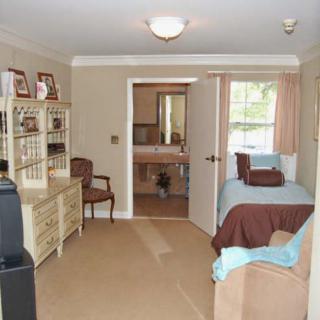
The Loving Care Home in Allen, TX is a board and care home that offers a comfortable and nurturing environment for seniors in need of assistance with daily living tasks. The home is fully furnished and provides private rooms with their own bathrooms for each resident.

Residents at Loving Care Home can enjoy delicious meals served in the dining room, with special dietary restrictions accommodated. Housekeeping services are provided to ensure a clean and tidy living space for all residents. The home also offers move-in coordination to assist new residents in settling into their new environment.

Outdoor space is available for residents to enjoy fresh air and relaxation, while Wi-Fi/high-speed internet access is provided for those who wish to stay connected. A telephone is also available for easy communication with loved ones.

The caring staff at Loving Care Home provide assistance with activities of daily living such as bathing, dressing, and transfers. They also offer medication management, coordination with healthcare providers, diabetes care including specialized diets, and high acuity care when needed. Transportation arrangements can be made for medical appointments.

Residents can participate in scheduled daily activities to promote engagement and socialization within the community. Additionally, there are 2 cafes, 1 park, 6 pharmacies, 5 physicians' offices, 10 restaurants, 1 place of worship, and 1 hospital conveniently located nearby.

At Loving Care Home in Allen, TX seniors will find a warm and welcoming community where their needs are attentively met and they can enjoy a fulfilling lifestyle.

Nearby Places of Interest

This area of Allen, Texas offers a variety of amenities and services that may be appealing to seniors looking for a convenient and comfortable living environment. With several physicians and healthcare facilities within a short distance, residents have easy access to medical care. Additionally, there are several pharmacies nearby for prescription needs. The area also boasts a selection of restaurants offering diverse cuisine options, as well as cafes for socializing and enjoying coffee with friends. For leisure activities, there are parks within a few miles for outdoor recreation, as well as theaters for entertainment. Places of worship are also close by for spiritual needs. Overall, this neighborhood provides a mix of convenience and recreational opportunities ideal for seniors looking to settle in Allen.

Physicians

  • Texas Health Family Care (2.3 miles)
  • Center For Dermatology (3.9 miles)
  • Snyder-Hopkins Family Medicine Center (3.9 miles)
  • Digestive Health Associates of Texas (3.9 miles)
  • Allergy Ear Nose & Throat Clinic (3.9 miles)
  • Pediatric Healthcare Associates PA (5.7 miles)
  • Complete Harmony Family Health (6 miles)

Pharmacies

  • CVS Pharmacy (2.4 miles)
  • Walgreens (3.2 miles)
  • Kroger Pharmacy (3.5 miles)
  • CVS Pharmacy (4.2 miles)
  • CVS Pharmacy (4.6 miles)
  • CVS Pharmacy (4.9 miles)
  • Walgreens (5.6 miles)

Restaurants

  • Whataburger (3.4 miles)
  • El Pollo Loco (3.5 miles)
  • McDonald's (3.6 miles)
  • In-N-Out Burger (3.7 miles)
  • Dodies Place (3.9 miles)
  • Kelly's at the Village (3.9 miles)
  • Lupe Tortilla (4.3 miles)

Cafes

  • Starbucks (3.5 miles)
  • Starbucks (3.8 miles)
  • Starbucks (5.4 miles)
  • Starbucks (6.1 miles)
  • Dutch Bros Coffee (6.2 miles)
  • Starbucks (7.6 miles)
  • Starbucks (7.9 miles)

Hospitals

  • Medical Center of McKinney (4 miles)

Parks

  • Quail Run Park (4.9 miles)
  • East Fork Park (7.2 miles)
  • Twin Creeks Park (8 miles)

Places of Worship

  • Gateway Community Church (4.9 miles)
  • Chase Oaks Church (7 miles)
  • First Baptist Wylie (7.7 miles)

Theaters

  • Cinemark (5.2 miles)
  • Cinemark Holdings (6.7 miles)

Frequently Asked Questions

How much does it cost to live at Loving Care Home in Allen, TX?
Where is Loving Care Home?

Nearby Communities

  • Agape Care Home

    Agape Care Home

    Allen, TX

    4.9 from 101 reviews
    $2,000 / month

    pro Warm, home-like environment with private rooms, good dining, and engaging activities.

  • Heritage Ranch

    Heritage Ranch

    Fairview, TX

    4.7 from 100 reviews
     

    pro Proximity to cafes, parks, pharmacies, restaurants, theaters, and hospitals, plus on-site meals and medication management.

  • Vintage Family Care,  LLC

    Vintage Family Care, LLC

    Allen, TX

    4.2 from 23 reviews
     

    pro Personalized care in a nurturing, accessible location.

  • Christian Care Communities & Services Allen

    Christian Care Communities & Services Allen

    Allen, TX

    4.3 from 28 reviews
    $2,450 to $4,070 / month

    pro Warm, welcoming environment with attentive staff and strong safety.

  • Avalon Memory Care - Allen

    Avalon Memory Care - Allen

    Allen, TX

    5 from 30 reviews
    $3,466 to $6,475 / month

    pro Compassionate, professional staff with strong family communication and engaging activities.

  • Sparks Loving Care Home

    Sparks Loving Care Home

    Allen, TX

    4.7 from 23 reviews
    $3,000 to $3,800 / month

    pro Caring, attentive staff in a warm, home-like setting with home-cooked meals.

  • Country Lane

    Country Lane

    McKinney, TX

    4 from 2 reviews
     

    pro Very affordable option with substantial monthly savings.

  • The Ivy of McKinney

    The Ivy of McKinney

    McKinney, TX

    4.3 from 107 reviews
    $3,275 to $5,250 / month

    pro Friendly staff and a vibrant community with spacious apartments.

  • The Heritage at Twin Creeks

    The Heritage at Twin Creeks

    Allen, TX

    4.4 from 132 reviews
    $4,175 to $5,875 / month

    pro Friendly staff, engaging activities, and a clean, welcoming environment.

Related Resources

  • activities of daily livingComprehensive Insights into Activities of Daily Living (ADLs) and Their Assessment

    Activities of Daily Living (ADLs) are fundamental tasks vital for an individual's independence, particularly in older adults over 85, and include functions like bathing and dressing; assessing ADLs alongside Instrumental Activities of Daily Living (IADLs) helps determine the level of required assistance due to age-related health challenges. Tailored support plans, involving family and community resources, are essential for maintaining dignity and autonomy in assisted living environments.

  • elderly parent refuses assisted livingGuiding Elderly Parents Who Refuse Assisted Living: 6 Practical Steps

    Family caregivers face emotional, legal, and practical challenges when elderly parents refuse assisted living, often due to fears of losing autonomy. Open conversations and professional assessments can help address these concerns while exploring alternatives and ensuring safety, potentially leading to legal guardianship if necessary.

  • luxury assisted livingYour Comprehensive Guide to Luxury Assisted Living: Elevated Facilities, Amenities, and Costs

    Luxury assisted living offers high-quality senior care in a resort-like environment that combines essential medical support, gourmet dining, and personalized services to enhance residents' independence and well-being. These upscale facilities emphasize holistic health and community-building through customized care plans and social activities, catering to the growing demand for enriched senior living experiences despite higher costs.