701 Sherrill St, Union City, TN 38261
To contact a resident: (731) 885-6992
For more information about senior living options: (866) 208-4318
The Etheridge House & The Arbors at Etheridge Costs & Pricing
The Etheridge House & The Arbors at Etheridge present a range of monthly costs that reflect both the quality of care and the amenities offered. For a semi-private room, residents can expect to pay $2,970, which is slightly above the Weakley County average of $2,780 but below the state average of $3,162. Studio accommodations are priced at $3,990; this figure is notably higher than both local and state averages - $3,261 and $3,485 respectively. Finally, for those seeking a one-bedroom option, the cost stands at $4,740, which exceeds the county's rate of $3,740 while still being marginally above Tennessee's average of $3,592. Overall, The Etheridge House & The Arbors at Etheridge offer competitive pricing within the regional market while providing valuable services for their residents.
| Floor plans | The Etheridge House & The Arbors at Etheridge | Weakley County | Tennessee |
|---|---|---|---|
| Semi-Private | $2,970 | $2,780 | $3,162 |
| Studio | $3,990 | $3,261 | $3,485 |
| 1 Bedroom | $4,740 | $3,740 | $3,592 |
Overall Review of The Etheridge House & The Arbors at Etheridge
Pros
 The family is appreciative of the car their Papa receives here.
- Having him here with such great care is a life changer for the family.
- The entire staff is attentive and helpful, always making each day interactive.
- This facility is a recommended place for families needing assisted living care.
- The Etheridge House secured a place for the mother, easing the family's apprehension.
- The staff provides attention and genuine care, which is amazing.
- The mother is in a safe environment that offers plenty of daily activities that make the senior community special.
- The family looks forward to the mother's continued residency at the Etheridge House.
Review
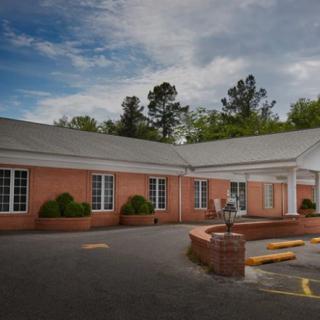
The Etheridge House and The Arbors at Etheridge is best suited for seniors who need assisted living support and for families who want reliable, hands-on care delivered in a warm, intimate setting. The reviews describe a small-community feel where care is personal and days are filled with meaningful activity rather than rote routine. Families that prize visible staff engagement, attentiveness, helpfulness, and genuine connections, will feel immediate reassurance here. Residents benefit not only from daily supervision but from a structure that invites participation, social interaction, and purposeful routine. For someone who wants a home-like environment with a clear emphasis on daily quality of life, this community checks the right boxes.
Those who may want to consider alternatives include families with strong emphasis on memory-care specialization or on hospital-level medical oversight. The reviews strongly highlight daily activities, a safe environment, and attentive staff, but they do not describe expansive medical programming or a dedicated dementia-care track. Those seeking a larger campus with broader rehab services, more on-site physicians, or a wider array of therapy options may prefer another option. If the priority is ultra-sophisticated amenities, extensive medical management, or highly specialized care workflows, it’s prudent to explore communities that advertise those strengths more explicitly. In short, this is not the ideal match for those chasing hospital-grade medical intensity.
How the positives offset potential downsides is clear. The community’s defining strengths, consistently attentive staff, a safety-first environment, and a calendar of interactive daily activities, directly counterbalance the typical trade-offs associated with smaller, intimate settings, such as limited on-site medical services. The care feels genuine and individualized, easing family concerns about oversight and responsiveness. When a resident’s day includes purposeful engagement and easy access to staff, the perceived value rises even if the campus is compact. The emotional reassurance of a homey environment matters as much as clinical oversight, and this one appears to deliver both: safety and dignity paired with meaningful connection.
Practical indicators of fit include evaluating how care plans are developed and updated, how staff communicate with families, and how residents experience daily life. The praise for interaction points to a culture where staff are present and responsive, not merely performing tasks. Prospective residents should look for concrete safety measures, medication management, and transportation support, given the positive note about “the car” as a lifeline for family mobility. A robust activity schedule that balances social, cognitive, and light physical engagement serves as a durable marker of ongoing quality. When these elements align with a loved one’s preferences, regular social contact, structured days, and dependable supervision, the setting becomes a compelling choice.
Questions to validate during visits should cover staff-to-resident ratios and shift coverage, recent updates to care plans, and the cadence of meals and activities. Observing resident interactions and chatting with current families about consistency of care will reveal whether promises translate into daily reality. Inquiring about dementia-friendly programming, respite or short-term stays, and flexibility in scheduling will illuminate how adaptable the community truly is. Clarify pricing transparency and what is included versus add-on services to avoid later sticker shock. The objective is a transparent, respectful environment where daily life feels purposeful, safety is tangible, and staff are empowered to respond quickly and compassionately to evolving needs.
Final judgment: for families prioritizing dependable, genuine, interaction-rich care in a safe, home-like setting, The Etheridge House & The Arbors at Etheridge stands out as a practical, high-value option in Union City, Tennessee. The strongest selling point is the people, the attentive, caring staff that makes daily life engaging and reassuring for both residents and families. If the goal includes highly specialized medical or dementia care or a grander campus experience, exploring alternatives is sensible. When the intent is consistent quality of life, honest communication, and visible daily purpose, this community delivers. For the right circumstances, it is the kind of choice that brings true peace of mind and a meaningful, dignified home for a loved one.
 Assisted Living
 Memory Care
 Activities on-site
 Air-conditioning
 Beautician on-site
 Devotional services off-site
 Ground floor units
 Handicap accessible
 Indoor common areas
 Kitchenette
 Outdoor common areas
 Respite or short term stays offered
 Ambulatory care
 Diabetic care
 Incontinence care
 Medication management
 Guest meals
 Birthday parties
 Live musical performances
 Live well programs
 Sensory-based programs
 Trivia games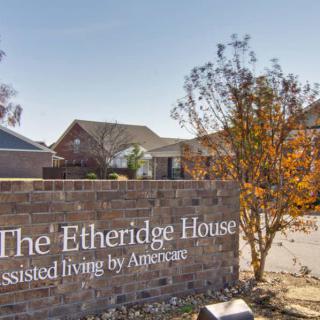



 Memory Care Pathways: A Holistic Guide to Dementia Support
 Comprehending Evening Confusion in Dementia: Causes, Manifestations, and Support
 Delirium and Dementia: Unraveling the Key Differences