
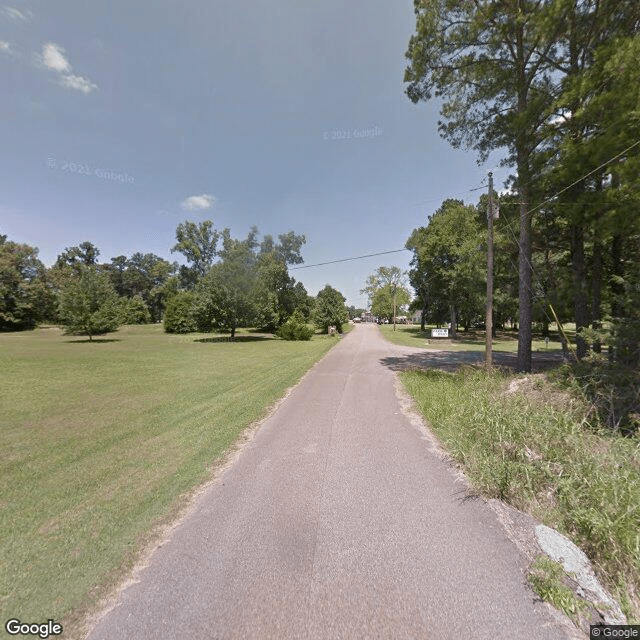
410 Shelby Dr N, Savannah, TN 38372
To contact a resident: (731) 925-1181
For more information about senior living options: (866) 208-4318
Overall Review of Park Rest Hardin County Health
Pros
 Park Rest offered an excellent group of experiences.
- The staff were very caring, attentive, and professional.
- Excellent care was observed at the facility.
Cons
 The facility has given the family the run-around after two relatives passed away.
- The facility allegedly stole a Social Security check.
- The facility did not list the next of kin at admission, leaving the family uninformed about care until Hospice contacted them.
- The facility refuses to release the deceased relative's bank account and fails to return calls, sometimes hanging up on inquirers.
- The reviewer plans to hire a lawyer and report the home to the OIA.
Review
Park Rest Hardin County Health in Savannah, Tennessee is best suited for families seeking steady, hands-on nursing care where staff are consistently described as caring, attentive, and professional. The community appears to deliver daily support with a focus on reliable clinical oversight, making it a reasonable choice for loved ones who require regular nursing assistance, closely monitored routines, and a dependable care culture. For families prioritizing personal warmth from frontline caregivers and clear, consistent daytime operations, this facility offers a practical, no-nonsense environment built around daily care needs rather than flashy amenities.
Those evaluating alternatives should weigh a couple of red flags alongside the positive impressions. One reviewer notes troubling governance concerns that would give any family pause: alleged financial mishandling and poor responsiveness in the wake of a resident’s death. That kind of account, if accurate, signals a fracture in transparency and accountability that can undermine trust at every level of care. Additionally, the lack of timely communication and difficulty in obtaining information or closure around financial matters are the kinds of issues that make other communities look more attractive, especially for families who want crisp, proactive family liaison and clear, documented policies.
On the plus side, the care-focused experience described by the other reviewer underscores what can be expected when the staff is genuinely attentive. The sentiment of caring, professional behavior from the caregiving team, coupled with evident diligence in meeting residents’ day-to-day needs, speaks to a stable, person-centered approach. Instances of consistent attentiveness and a professional demeanor from the nursing and support staff translate into smoother daily routines, timely assistance with activities of daily living, and a sense that residents are known and watched over. These strengths matter, particularly for residents who require steady supervision and compassionate bedside care.
The primary counterweight to those strengths is the governance and communication gap highlighted in the negative review. Allegations of stolen funds, a failure to list next of kin when admission occurred, and reluctance to release a deceased resident’s accounts point to systemic weaknesses that extend beyond individual mistakes. Such issues, if true, erode trust far faster than any positive testimonial about bedside care can rebuild it. They raise serious questions about financial controls, record-keeping, and the facility’s willingness to engage transparent, timely dialogue with families. For a family weighing a move, these concerns demand rigorous inquiry and verification before committing.
Given the tension between solid daily care and questionable administrative handling, the decision hinges on risk tolerance and the degree of oversight desired. The pros, consistent, compassionate bedside care and a professional care team, are meaningful, especially for residents who depend on reliable supervision and respectful treatment. Yet the cons introduce a real, practical risk area: finances and family communications require stronger safeguards, explicit policies, and demonstrable accountability. If the family can secure assurances about financial controls, access to records, and a dependable point of contact for rapid updates and problem resolution, Park Rest Hardin County Health becomes a viable option. If not, alternatives with cleaner histories of governance and more transparent financial practices should be pursued with urgency.
In practical terms, families considering this community should demand a clear statement of financial policy, evidence of internal controls, and a documented process for kin notification and access to records. Before move-in, request conversations with administration to review incident reporting practices, regulatory inspection history, and any corrective actions taken in response to past complaints. Observe how staff communicate with families during visits, and ask for direct references from other families about both daily care and administrative responsiveness. Park Rest Hardin County Health can be a sound choice for those who prioritize dependable care and warm staff engagement, but only if governance and communication standards are as strong as the bedside care itself.
 Assisted Living
 Activities on-site
 Devotional services off-site
 Indoor common areas
 Ambulatory care
 Diabetic care
 Meals provided





 Assisted Living and Memory Care: Understanding Their Core Differences
 Beyond the Bingo Hall: 50+ Enriching Activities for Seniors in Assisted Living
 Understanding the Distinctions: Assisted Living and Memory Care Explained