
322 East Washington Street, Pulaski, TN 38478
For more information about senior living options: (866) 208-4318
Overall Review of Austin Hewitt House
Pros
 The staff at Keestone were always very helpful and kind to him.
- The director was very helpful in getting him the things he needed, such as a wheelchair and a hospital bed.
- He was very well taken care of.
- The staff at Keestone Hewitt House were a Godsend for the family.
- LaWanda and her team were praised by the family.
- The staff are great.
- The mother received the best of care.
- The mother now sees Keestone as her home and is content.
Cons
 They make promises when admitting a loved one but don’t keep them; the food isn’t great; activities aren’t followed through; the phone isn’t answered.
- The facility has had numerous falls in the bathroom where there was no call bell.
- Bed bug infestations affected residents.
- There was a report that a resident fell off the balcony.
- Management sent a 30-day notice for a resident to leave.
- The administrator ejects residents and bad-mouths them to other facilities.
- The facility is very short-staffed.
- One staff member screamed at and cursed a family member during a call.
- The staff is described as worthless in providing elderly care, and the reviewer would rate it half a star.
- The reviewer would never recommend this place.
Review
Austin Hewitt House in Pulaski is best suited for families seeking a warm, homey assisted-living environment where staff know residents by name and the administrator is accessible and hands-on with individual care plans. It works particularly well for seniors who want long-term, community-oriented living with regular, direct communication between the care team and families. The strongest appeal lies in personal attention, genuine caregiver warmth, and a sense of belonging that can feel like a durable, chosen family for years. For those who require very strict safety oversight or a consistently flawless safety record, alternative options should be considered.
The standout positives center on people. Families consistently cite compassionate, responsive staff and an administrator who makes herself available to questions and concerns. Residents and relatives alike describe a staff culture that becomes like family, with caregivers who go the extra mile to address needs, whether it’s equipment to support mobility or timely assistance with daily routines. The dining program is noted as acceptable, with meal choices that enhance daily life. In short, the human side of care, trust, communication, and a sense that wishes are respected, drives much of the perceived value here.
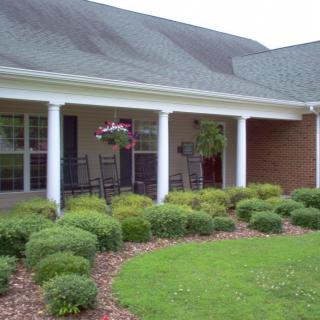
Yet the record is not uniform. Safety concerns recur in several accounts: falls, particularly in bathrooms, and reports of inadequate call-light access in some rooms. More troubling claims involve bed bugs and abrupt, threatening eviction notices after raising issues. A few reviews describe short-staffing and tense interactions, including instances of residents being spoken to harshly. While those are not universal experiences, they form a credible caution that protective safeguards, consistent staffing, and respectful, transparent communication can be uneven in practice. The front-entry appeal can mask deeper gaps in safety-system maintenance and incident follow-through.
These tensions matter because the existing strengths, strong relationships, a responsive administrator, and a home-like atmosphere, can offset the negatives for many residents, provided care remains stable and issues are actively addressed. When staff are available and issues are resolved with care, families gain real peace of mind from a setting that feels personal and loyal. The ability to trust the team to honor a resident’s wishes and to craft a practical care plan adds meaningful value for those with steady needs and a preference for a long-term, social, family-like environment. However, this depends on sustained staffing, ongoing visibility from leadership, and a culture that prioritizes quick, respectful problem-solving.
Practical decision-making should focus on concrete safety and governance questions. Prospective families must inquire about current staffing levels and turnover, the reliability of call systems, and the facility’s fall-prevention measures. Ask how promptly maintenance and safety concerns are remedied and whether bed-bug prevention and housekeeping standards are actively monitored. Clarify the policy on complaints and relocations, specifically, how a dispute is resolved and what protections exist against abrupt eviction-like moves. Given the mix of strong relational care and notable safety-management concerns, this community is best approached with vigilant oversight and a clear plan for ongoing family involvement.
Bottom line: Austin Hewitt House offers a genuine, person-centered environment where residents who fit a close-knit, attentive staff model can thrive and feel truly at home. It is not a universal fit, and families prioritizing unassailable safety, consistent issue-resolution, and eviction-free stability may want to explore alternatives. The decision should hinge on repeated visits, frank conversations with current residents and staff, and a clear view of how safety, communication, and care plans are managed day-to-day. For the right family, the combination of warmth, dignity, and daily purpose can make this community a strong, enduring choice; for others, a different setting may better guarantee the stability and safety essential to long-term care.
 54 resident community capacity
 Assisted Living
 Air-conditioning
 Beauty salon
 Cable or satellite TV
 Computer center
 Dining room
 Fitness room
 Fully furnished
 Gaming room
 Garden
 Housekeeping services
 Kitchenette
 Move-in coordination
 Outdoor space
 Private bathrooms
 Restaurant-style dining
 Small library
 Telephone
 Wellness center
 Wi-Fi/high-speed internet available
 Community operated transportation
 24-hour call system
 Activities of daily living assistance
 Assistance with bathing
 Assistance with dressing
 Assistance with transfers
 Diabetes diet
 Medication management
 Special dietary restrictions
 Concierge services
 Planned day trips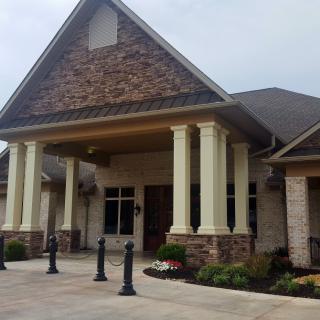



 Comprehensive Insights into Activities of Daily Living (ADLs) and Their Assessment
 Medicare Coverage for Assisted Living: An In-Depth Exploration
 Your Comprehensive Guide to Luxury Assisted Living: Elevated Facilities, Amenities, and Costs