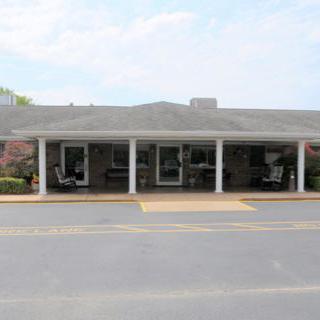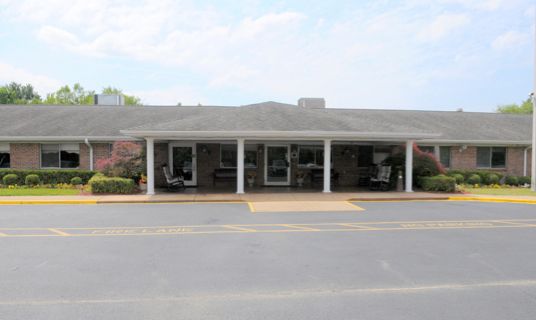
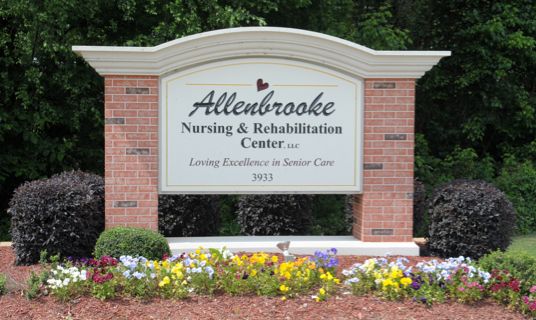
3933 Allenbrooke Cove, Memphis, TN 38118
For more information about senior living options: (866) 208-4318
Overall Review of Allenbrooke Nursing and Rehabilitation Center
Pros
 They treated her like family.
- The food was always hot and delicious.
- The facility was clean and well-kept.
- Mr. Anderson consistently ensured everything met her standards.
- The care was much better than expected.
- The staff knew her and checked in to ensure she had everything.
- The therapy department encouraged participation.
- Rachel, the therapist, was well-liked by her mother.
- The manager checked on them daily and always had a smile.
Cons
 The reviewer described the facility as the worst in Memphis, criticizing the front desk staff as unfriendly and the overall staff as the worst.
- They claimed the staff cared only about getting paid and ignored residents’ needs.
- They stated that the lack of proper care contributed to their father’s death, noting dehydration.
- Allenbrooke Nursing and Rehab was labeled the worst nursing facility, with callous and rude staff and a downhill experience.
- They alleged that staff stuck together and colluded to fabricate stories, suggesting a lack of accountability.
- They urged that the facility be shut down immediately.
- In another review, the only downside cited was the food, implying it could have been better.
- They also noted that the WiFi was not working during their visit, indicating an infrastructure shortcoming.
Review
Allenbrooke Nursing and Rehabilitation Center in Memphis is best suited for families prioritizing a rehab-forward environment where recovery, routine, and personal attention drive the experience. It works well for post-acute residents who need therapy and daily support and who respond to a warm, familial staff approach. When care plans emphasize active therapy, consistent updates, and residents who enjoy a structured, social daily rhythm, Allenbrooke can produce meaningful progress. The best reports center on clean facilities, approachable staff, and therapists who press for participation, making it a practical choice for short-term rehabilitation aimed at regaining function and returning home.
That said, serious caveats should guide any admission decision. Families who require highly consistent, long-term custodial care with guaranteed reliability and predictability may want to explore alternatives. Several reviews paint a troubling picture of uneven staffing, perceived indifference, and disputes over care quality. Front-desk interactions and some staff behavior are described as lacking warmth or professionalism in certain instances, and the specter of dehydration or insufficient medical oversight appears in multiple accounts. If the emphasis is on steady, transparent accountability and unwavering attentiveness, this is a place to scrutinize carefully or to compare against other Memphis options.
On the upside, when Allenbrooke hits the right notes, the strengths are tangible. Several residents benefited from a therapy-focused environment where therapists were engaged and motivated the patient, sometimes with a nurse or DON who communicates clearly about appointments, medications, and progress. Families repeatedly mention genuine warmth from specific staff members and managers who checked in during visits, which can make the recovery journey less stressful. Cleanliness and a welcoming atmosphere also recur as positives, and there are stories of meals and daily routines that support a sense of normalcy for someone rebuilding strength. For families seeking visible, hands-on therapy leadership and prompt updates, these elements can offset some concerns.
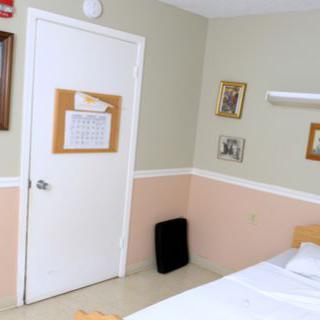
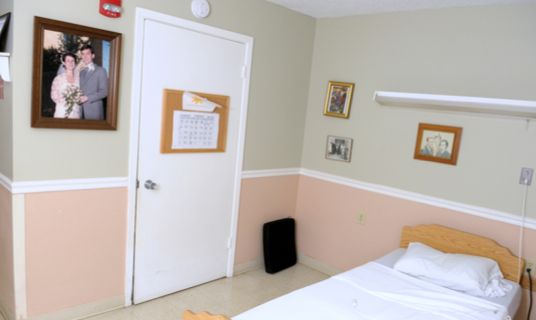
The most persistent drawbacks, however, center on perceived gaps in care consistency and safety. Accusations of rude or inattentive behavior from some staff, disputes over how care is administered, and concerns about dehydration or insufficient monitoring surface repeatedly in the reviews. Several accounts describe distressing outcomes or potential neglect, painting a risk profile that cannot be ignored by families evaluating post-hospital care. Long-term residents may feel more exposed to these inconsistencies, and the expense noted in one review adds another layer to consider when balancing value against risk. WiFi issues and space limitations in private rooms also surface as practical frictions that can chip away at a patient’s comfort over time.
Ultimately, the pros and cons must be weighed against the family’s tolerance for variance and their priorities for rehabilitation. The strongest argument in favor of Allenbrooke rests with therapy-driven care, a clean, supportive environment, and staff members who form meaningful connections with residents and families. For a patient who responds positively to hands-on therapy, daily contact with a responsive team, and a recovery-focused plan that emphasizes progress and communication, the center can deliver solid outcomes. The flip side is clear: where reliability, safety, and cost-effectiveness are non-negotiable, this facility warrants rigorous pre-admission inquiries, a careful tour, and conversations with the DON and therapy director to confirm consistency in staffing, care protocols, and escalation processes.
For families ready to move forward, a strategic approach matters most. Conduct a detailed pre-admission meeting with the DON, request to meet the therapy team, and insist on a transparent care plan with clear daily benchmarks. Ask about hydration protocols, staff-to-resident ratios, and how care plans adapt as needs evolve. If the goal is a warm, active rehabilitation experience with open communication and real progress, Allenbrooke can be a fit, provided safeguards are in place and expectations are aligned with what the facility is able to consistently deliver. If those safeguards cannot be guaranteed, or if long-term security and unwavering day-to-day reliability are paramount, a measured comparison with other Memphis options is highly advisable.
 180 resident community capacity
 Assisted Living
 Skilled Nursing Facility
 Air-conditioning
 Beauty salon
 Cable or satellite TV
 Computer center
 Dining room
 Fitness room
 Fully furnished
 Gaming room
 Garden
 Housekeeping services
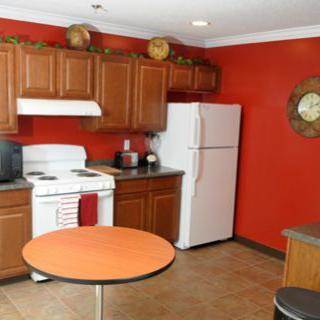
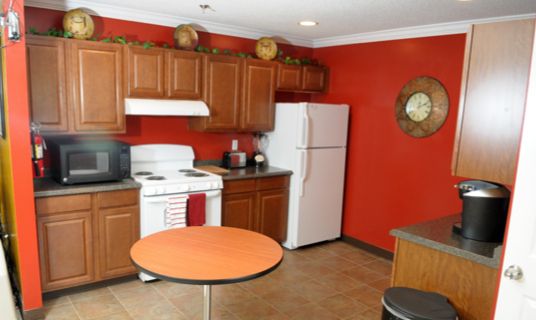
 Kitchenette
 Move-in coordination
 Outdoor space
 Private bathrooms
 Restaurant-style dining
 Small library
 Telephone
 Wellness center
 Wi-Fi/high-speed internet available
 Memphis International (3 miles away)
 Community operated transportation
 24-hour call system
 Activities of daily living assistance
 Assistance with bathing
 Assistance with dressing
 Assistance with transfers
 Diabetes diet
 Medication management
 Special dietary restrictions
 Concierge services
 Planned day trips






 Social Security Benefits and Assisted Living: Navigating Options Across the U.S.
 An Extensive Exploration of the VA Aid and Attendance Benefit
 Senior Transition Services: Understanding Their Role, Cost, and Importance