
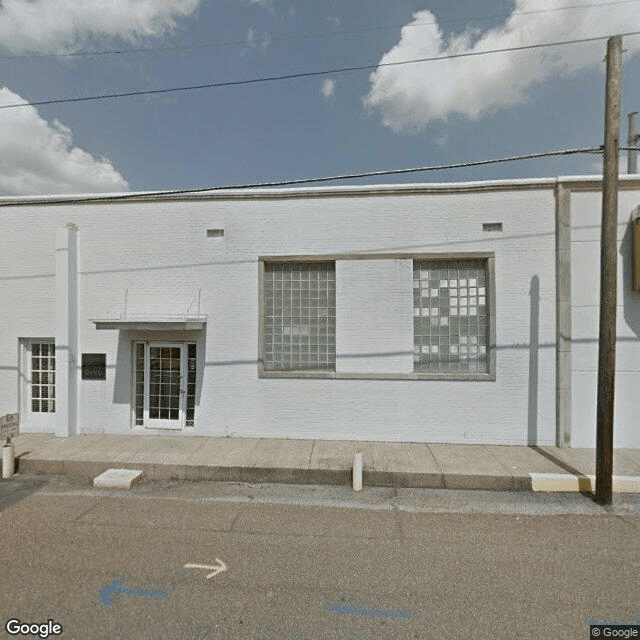
310 East College Street, Henderson, TN 38340
To contact a resident: (731) 989-3545
For more information about senior living options: (866) 208-4318
Heritage Towers Costs & Pricing
Heritage Towers offers competitive monthly costs compared to both Hardeman County and the broader state of Tennessee. For a studio apartment, residents at Heritage Towers benefit from a monthly rate of $2,895, which is slightly lower than the county average of $2,932 and significantly more affordable than the state average of $3,485. In the one-bedroom category, Heritage Towers maintains its value with a price of $3,495, closely aligning with Hardeman County's rate of $3,452 but still presenting a cost-effective alternative to Tennessee's average of $3,592. However, for two-bedroom units, Heritage Towers aligns perfectly with Hardeman County at $4,695; interestingly, this figure is notably higher than Tennessee's average rate of $3,962. Overall, while some options reflect market trends within the region and state averages, Heritage Towers continues to provide a range of living spaces that offer value in comparison to local competitors.
| Floor plans | Heritage Towers | Hardeman County | Tennessee |
|---|---|---|---|
| Studio | $2,895 | $2,932 | $3,485 |
| 1 Bedroom | $3,495 | $3,452 | $3,592 |
| 2 Bedrooms | $4,695 | $4,695 | $3,962 |
Assisted Living communities with a similar price nearby
-
About the same
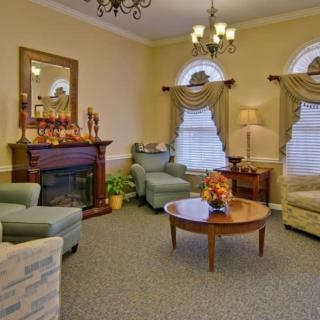
Southern Oaks
$2,880 to $4,860 / month0.8 miles away -
About the same

Regency Retirement Village - Jackson
$2,839 to $5,669 / month21.2 miles away -
from +$285 / mo
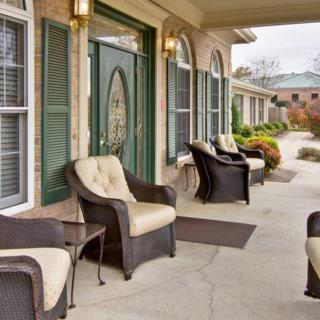
Alexandria Place
$3,180 to $4,230 / month21.0 miles away -
from +$570 / mo
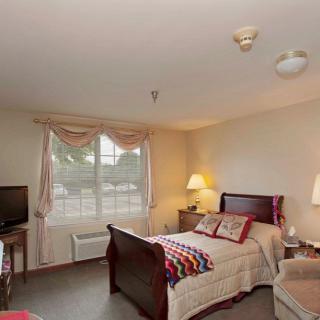
American House Jackson
$3,465 to $4,665 / month22.1 miles away -
from -$345 / mo

202 Northcliff Assisted Living
$2,550 to $3,000 / month22.6 miles away
Overall Review of Heritage Towers
Pros
 The management was awesome.
- The apartment was clean.
- The maintenance staff takes care of all needs.
- The grounds are well cared for.
- The building is clean, and the location is safe with stores nearby.
- The residents are kind and friendly.
- It is a good place to live.
Cons
 Management issued a deposit refund check to a dead woman, and now no one can cash it.
- Residents are stuck during emergencies because the building lacks a usable elevator and the stairs can’t be used.
- Nosy old people.
Review
Heritage Towers in Henderson, TN is best suited for independent seniors who prize a friendly, community-oriented atmosphere, clean living spaces, and a maintenance-conscious property team. The apartments show up clean, and the maintenance staff appears responsive to requests, making routine chores and small repairs less burdensome. The grounds are well cared for, which reinforces a sense of pride in the property and contributes to a safe, welcoming first impression. The location adds practical value, sitting in a safe area with nearby stores, reducing the friction of everyday errands for residents who still drive or rely on nearby amenities.
That practicality, however, comes with clear caveats. Prospective residents who require minimal friction in safety infrastructure or who prize strict privacy may want to consider alternatives. A notable safety red flag appears in the reports of an elevator issue that leaves residents effectively stranded and reliant on stairs during emergencies. This is not a minor inconvenience; it is a fundamental evacuation risk for anyone with mobility limits or those who anticipate emergency scenarios. In addition, there is an administrative hiccup noted around a deposit refund being issued to a deceased person, which underscores governance lapses that can erode confidence in financial handling. Those two factors push alternatives higher for anyone prioritizing flawless safety systems and precise, reliable administration.
The strongest offset to these concerns is the community’s everyday reality: friendly, supportive residents and responsive on-site leadership. The social environment is repeatedly described as warm and neighborly, with people helping one another and forming informal networks that make daily life feel lively rather than isolating. Coupled with clean units and well-kept common areas, these characteristics reduce friction in day-to-day living and can translate into tangible quality-of-life gains for residents who value social engagement alongside independence. In other words, the strong human element in this community can compensate significantly for some operational gaps, particularly for those who prioritize companionship and practical support over pristine safety paperwork.
Still, the safety and accessibility issue cannot be dismissed. The inability to rely on a working elevator as a standard element of daily life is a major consideration for residents with mobility challenges or those who anticipate needing consistent evacuation options. Prospective renters should push for a current, documented plan: the elevator’s reliability, planned maintenance windows, and explicit emergency procedures. If the building can demonstrate a reliable, well-communicated approach to emergencies, the comfort level rises substantially. If not, even excellent maintenance responsiveness elsewhere may not fully compensate for the potential risk during critical moments, making a walk-through and a candid discussion with management essential before any commitment.
Social life at Heritage Towers is a clear strength, and that advantage should be weighed alongside the practical realities of governance and safety. Residents are described as kind and helpful, creating a supportive micro-community that can ease a move into retirement living. Yet the impression of privacy being compromised by a highly social environment, some residents’ comments about nosiness, means that couples or individuals seeking quiet personal space should evaluate whether this level of neighbor interaction aligns with their comfort. Additionally, the deposit hiccup, while presumably isolated, signals a need for clarity on how financial matters are handled and resolved. In sum, the community offers real value for the right profile, but the combination of mobility safety concerns and governance questions invites careful due diligence.
Bottom line: Heritage Towers serves best those who value practical convenience, a warm resident culture, and dependable on-site support, all within a safe, well-situated Henderson setting. It is less suited for seniors who cannot tolerate uncertain elevator reliability, require stringent privacy, or demand flawless financial governance. For families evaluating options, a focused on-site tour is essential, test the elevator, review current emergency procedures, and probe how maintenance and deposits are managed in practice. If these checks pass, the community’s enduring strengths, clean, comfortable living; a vibrant social atmosphere; and responsive staff, translate into a solid, workable choice for a manageable, connected retirement in this Tennessee town.
 Assisted Living
 Activities on-site
 Devotional services off-site
 Indoor common areas
 Ambulatory care
 Diabetic care
 Meals provided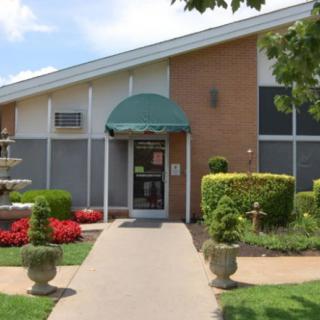


 When to Transition from Assisted Living to Memory Care: Key Indicators, Steps, and Finding the Right Community
 Assisted Living and Memory Care: Understanding Their Core Differences
 Beyond the Bingo Hall: 50+ Enriching Activities for Seniors in Assisted Living