

900 Highway 51 Byp N, Dyersburg, TN 38024
To contact a resident: (901) 644-2220
For more information about senior living options: (866) 208-4318
Canterbury Place Costs & Pricing
Canterbury Place offers competitive pricing for its studio apartments, with a monthly cost of $2,260, which aligns directly with the average costs in Dyer County. In comparison to the broader Tennessee market, where the typical monthly rent for similar accommodations reaches approximately $3,485, Canterbury Place stands out as an attractive option for those seeking affordable living without compromising on quality. This pricing strategy positions Canterbury Place favorably within both local and state markets, making it a compelling choice for prospective residents looking for value in their housing options.
| Floor plans | Canterbury Place | Dyer County | Tennessee |
|---|---|---|---|
| Studio | $2,260 | $2,260 | $3,485 |
Assisted Living communities with a similar price nearby
-
from +$410 / mo

Asbury Cove
$2,670 to $4,050 / month22.0 miles away
Overall Review of Canterbury Place
Pros
 The staff are wonderful.
- The food is very good and the attendants are very caring.
- The staff go out of their way to ensure everything is good.
- The environment is very homey.
- The administrator is very concerned about residents.
- The staff will drop everything to comply with requests.
- Canterbury Place has a wonderful, family-like environment.
Cons
 There seems to be no one in charge.
- The management could communicate more effectively.
- There is a perceived lack of clear leadership.
Review
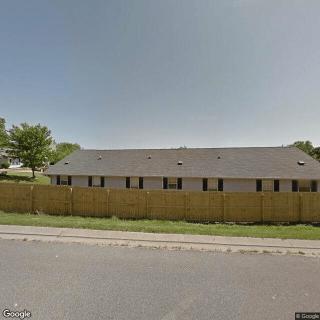
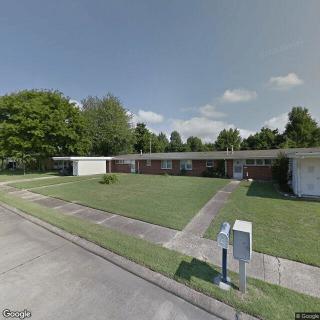
Canterbury Place in Dyersburg is best for families seeking a small, intimate setting where staff know residents well and daily life feels like a secure, homelike routine. The atmosphere is consistently described as warm and family-like, with good food and caregivers who are readily available. Longstanding residents and their families highlight a hands-on approach from caregivers and an administrator who appears deeply invested in residents’ well-being. For seniors who value personal attention, predictable daily rhythms, and a sense of belonging, Canterbury Place delivers a practical, comfortable home away from home.
Those who should consider alternatives are families that require a clearly defined leadership structure and proactive top-level communication. Some reviews suggest that no one seems clearly in charge, and management could improve how it communicates with families. While the caregiving staff are praised for responsiveness, the absence of obvious centralized leadership can complicate rapid decision-making or crisis coordination. If a larger campus with more formal programming, visible governance, or frequent formal updates is essential, other communities may better meet those expectations. Canterbury Place offers warmth and intimate care, but may fall short for families prioritizing administrative visibility.
Still, the core advantages largely compensate for the leadership questions. The staff’s care, the attendants’ kindness, and the homey environment create daily life that feels personally attended and manageable. The administrator’s concern for residents and the willingness of staff to accommodate requests translate into tangible reliability. The small size fosters security, easier communication, and the sense that staff treat residents like family. The trade-off is that without a consistently visible chain of command, some issues may require extra prompting from relatives. For families prioritizing dependable, person-centered care in a low-key setting, these strengths outweigh the governance caveats.
Residents and families repeatedly praise the living environment: comfortable, secure, and connected to one another. The small community fosters familiarity, and the overall mood tends toward contentment among residents. Food is consistently described as good, an important daily factor for quality of life. Attendants are noted for warmth and attentiveness, and the willingness to handle requests promptly reinforces a practical, supportive reality. For seniors who want a place where staff know their routines, respect privacy, and contribute to a calm pace, Canterbury Place delivers a credible, livable home atmosphere rather than a clinical, impersonal setting.
Visitors should approach with a practical checklist. Observe staff interactions and how residents respond to familiar faces; request time with the administrator and frontline supervisors to gauge responsiveness and communication tone. Ask who leads daily operations and how decisions are communicated to families, and discuss escalation processes. Inquire about meal flexibility, dietary needs, and how activities align with a quieter, homey pace. If transitioning a loved one with established routines, clarify how those routines will be preserved and who coordinates ongoing care and changes. A clear understanding of governance, communication cadence, and care planning will help determine fit more quickly.
Bottom line: Canterbury Place suits families seeking warmth, a strong caregiver presence, and a small, home-like environment where residents feel secure and personally cared for. The combination of excellent staff and a family atmosphere often offsets concerns about leadership visibility, especially for residents who thrive on routine and personal attention. Those needing a highly structured governance, frequent formal updates, or a larger activity calendar may want alternatives. The prudent next steps are straightforward: arrange a visit, meet with the administrator and supervising staff, review meal plans and care workflows, and confirm alignment with the resident’s needs and family expectations before moving forward.
 Assisted Living
 Cats allowed
 Dogs allowed
 Activities off-site
 Beautician on-site
 Cable or satellite TV
 Devotional services off-site
 Dining room
 Financial aid
 Housekeeping services
 Indoor common areas
 Laundry
 Outdoor common areas
 Respite or short term stays offered
 Wheelchair accessible showers
 Ambulatory care
 Assistance with bathing
 Assistance with dressing
 Diabetic care
 Incontinence care
 Meal preparation and service
 Medication management
 Arts and crafts
 Games
Games English





 Senior Transition Services: Understanding Their Role, Cost, and Importance
 Exploring the Path to Senior Living: A Comprehensive Look at Independent Living and Assisted Living
 Is Assisted Living Deductible on Your Taxes? Understanding the Complexities of Assisted Living Expenses and Deductions