
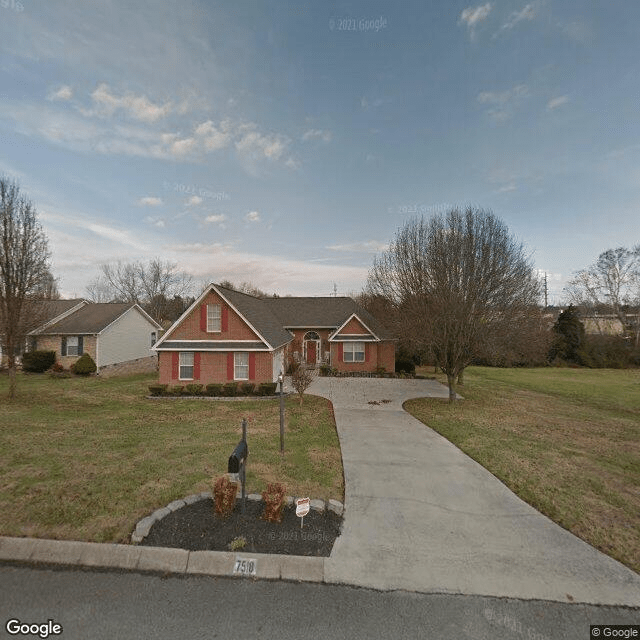
7518 Wilderness Path Rd, Corryton, TN 37721
To contact a resident: (865) 368-6119
For more information about senior living options: (866) 208-4318
In Touch Elder Care Costs & Pricing
In Touch Elder Care offers competitive pricing for its residential services, with monthly costs for a semi-private room set at $2,500. This rate is notably lower than both the average cost in Union County, which stands at $2,635, and the state average of $3,162. For those seeking more privacy, a private room at In Touch Elder Care is priced at $3,000, also undercutting the county's average of $2,875 and significantly less than the state average of $3,696. These pricing structures reflect In Touch Elder Care's commitment to providing quality elder care while remaining accessible in comparison to regional and statewide alternatives.
| Floor plans | In Touch Elder Care | Union County | Tennessee |
|---|---|---|---|
| Semi-Private | $2,500 | $2,635 | $3,162 |
| Private | $3,000 | $2,875 | $3,696 |
Senior living communities with a similar price nearby
-
from -$180 / mo
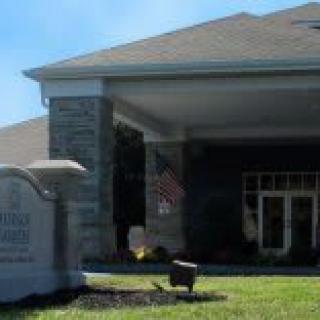
Windsor Ridge
$2,320 to $3,405 / month10.0 miles away -
from -$415 / mo
Senior Helpers Of Greater Knoxville
$2,085 to $2,585 / month21.7 miles away -
from -$425 / mo
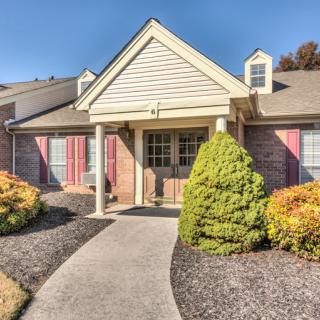
Williamsburg Villas
$2,075 to $2,925 / month16.8 miles away -
from -$255 / mo
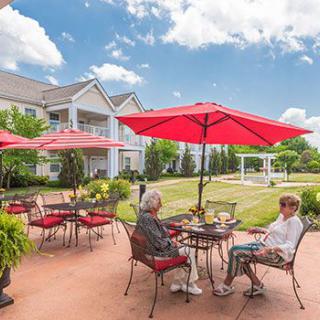
Park Place Of West Knoxville
$2,245 to $4,085 / month22.8 miles away -
About the same
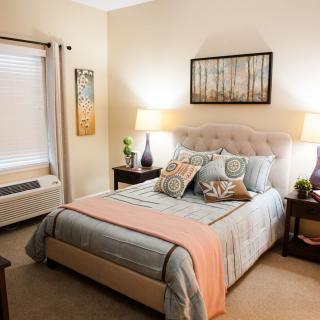
Commonwealth Senior Living at Oak Ridge
$2,475 to $3,967 / month22.6 miles away
Overall Review of In Touch Elder Care
Pros
 The fitness room is enjoyable for visitors.
- The staff are friendly and pleasant to talk to.
- The center offers a huge variety of activities and monthly classes.
- The center is highly recommended.
- Bingo and other special events are enjoyed there, and the staff are great.
- The center is clean, with good parking and bathrooms, making it great for family gatherings.
- Jill makes everything wonderful, and her efforts are appreciated.
Review
In Touch Elder Care in Corryton, TN is best suited for active, independent seniors who want an engaged, social lifestyle with easy access to fitness and a broad slate of daytime activities. The community functions as a robust senior center with a well-equipped fitness room, regular classes, and a calendar packed with social opportunities, from seated yoga and stability work to bingo, entertainment, and meals. It works especially well for residents who value companionship, predictable programming, and a welcoming staff environment that feels like a close-knit, family atmosphere. Those within striking distance and who can manage transportation to and from events will get the most reliable participation and ongoing motivation.
Those who should consider alternatives are individuals needing ongoing personal care or medical supervision. This setting excels at enrichment, not at providing licensed caregiving or memory care on-site. For families prioritizing hands-on daily living assistance, 24/7 nursing presence, or a residential environment with formal care plans, a traditional assisted living community will be a more appropriate fit. In short, this is less about housing with care and more about a socially anchored, activity-rich supplement to independent living.
The strongest pros lie in the physical and social infrastructure. The fitness room is a standout, multiple treadmills, bikes, an elliptical, free weights, bands, a rowing machine, and a universal cable setup, all supported by a schedule of classes and a generous monthly calendar of activities. The breadth of offerings, from seated yoga to planned social events, ensures there’s something meaningful for nearly every interest and energy level. The human factor matters as well: staff are described as friendly and approachable, leadership is praised, and individuals like Jill are singled out for making experiences feel effortless and enjoyable. Clean facilities, dependable parking, and a family-friendly environment further strengthen the appeal.
There is a real tension between what this community can deliver and what some residents may need. The absence of on-site caregiving means daily living support and medical oversight aren’t guaranteed here. Yet the positives, consistent social contact, structured physical activity, and a steady tempo of events, can offset many potential downsides by preventing isolation, providing purpose, and preserving independence for longer. For many families and seniors, the value of regular, engaging programming and a warm, responsive staff outweighs the lack of formal care services, especially when transportation and scheduling reliability are solid.
For families evaluating options, a practical approach is essential. Visit during a typical day and observe how easily a resident can join an activity, how staff interact with participants, and whether the calendar aligns with personal interests. Clarify transportation supports, meal service specifics, and whether participation requires heavy scheduling or is easily integrated into daily life. Consider the resident’s current level of independence and social need: if independence and community immersion are paramount, this setting can provide remarkable enrichment. When care requirements evolve, the prudent path is to compare with nearby assisted living communities that offer licensed care and more formal housing-with-care arrangements.
Bottom line: In Touch Elder Care delivers a vibrant, activity-driven environment that genuinely serves active seniors seeking connection and fitness in Corryton. It excels where social engagement, wellness programming, and warm staff interaction take center stage, making it an excellent fit for residents with minimal care needs who crave steady enrichment. Alternatives should be pursued by those prioritizing formal caregiving, medical oversight, or a true residential setting with on-site care. For families where evolving care needs emerge, transitioning to a traditional assisted living community with licensed staffing remains a practical, prudent option, ensuring continuity of support without sacrificing the community’s proven strengths.
 Board and Care Home
 Private
 McGhee-Tyson (23 miles away)
 Urinary Tract Infections in Older Adults: Comprehensive Insights on Symptoms, Treatment, and Prevention
 California's Form 602A: An In-Depth Examination of Senior Care Assessment
 Comprehensive Look at Senior Blood Pressure Charts: Normal and Elevated Levels by Age