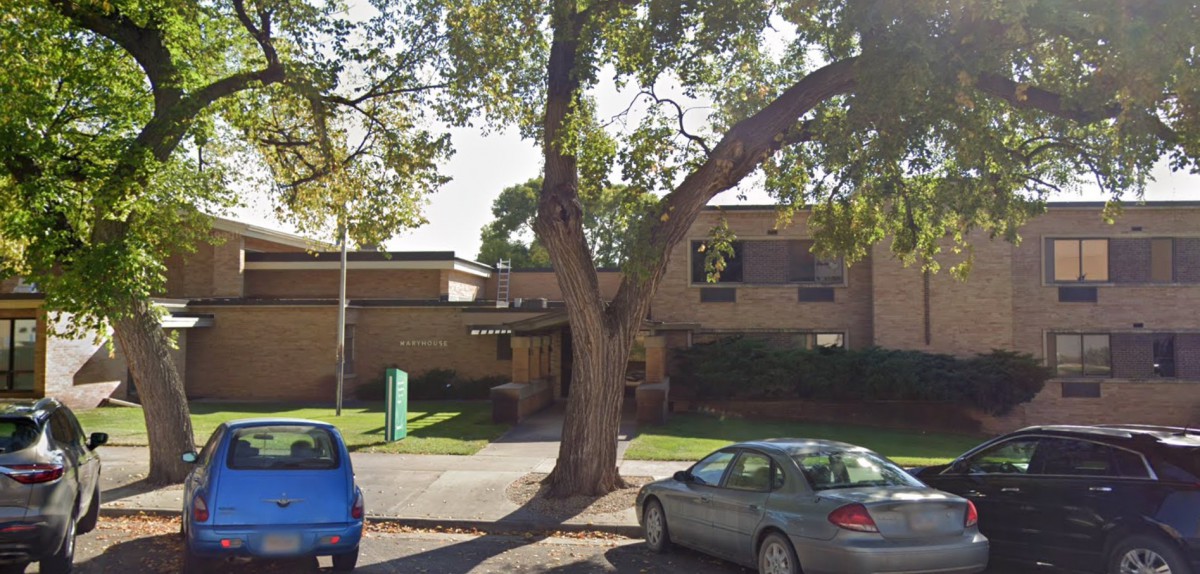




717 E Dakota Ave, Pierre, SD 57501
To contact a resident: (605) 224-4434
For more information about senior living options: (866) 208-4318
Overall Review of Maryhouse
Pros
 The transitional care unit at Avera Mary House provides excellent care.
- Mary House in Pierre, SD is described as the best place to be if you have to be there.
- Amanda the OT and Brittney the PT are amazing.
- Nora is fantastic.
- Nurses Jane and Lori are incredible.
- Andy, Edzel, Miguel, James, Giavanni, Avery, Natasha, and Christian are great.
- The reviewer was genuinely impressed with each staff member they met.
- The staff's consistent kindness, knowledge, skills, and empathy make a positive difference in the mom’s life.
- The gentleman was very polite.
Cons
 The facility was unclean.
- The staff were unprofessional and rude.
- Their experience with Maryhouse was so bad that they hired an attorney to address the issues.
- There was a long list of issues with the care.
- The staff forgot to feed residents.
- The staff forgot to provide medications.
- There were frequent arguments with the family over the care provided.
Review
Maryhouse in Pierre, SD is best suited for seniors who are leaving a hospitalization and need structured transitional care with active rehabilitation. The unit’s strongest appeal is the combination of skilled therapy and bedside nursing delivered with genuine attentiveness. When therapy teams are aligned, residents make visible progress, and families notice that every day brings better function and more independence. That pragmatic, hands-on rehab environment is what makes Maryhouse a compelling option for those aiming to regain mobility, balance, and daily living skills in a supported setting.
That said, not every experience will land in the same favorable quadrant. One review highlights a stark counterpoint: concerns about cleanliness, staff professionalism, and basic daily care tasks, including feeding and medication administration. The tone of that account is unequivocal about the negative impact of lapses, with lingering questions about how consistently the facility can meet fundamental safety and quality standards. For families prioritizing pristine environments, predictable routines, and rock-solid communication, these red flags are meaningful and deserve close scrutiny before making a placement decision.
The strongest pros, expert therapy, compassionate nursing, and consistent bedside attention, are meaningful counterweights when the goal is rehabilitation and short- to mid-term care. When therapists like Amanda (occupational) and Brittney (physical) are described as exceptional, they translate into tangible gains in mobility and confidence. The praise for nurses such as Jane and Lori reinforces that residents can expect reliable support with daily activities, careful monitoring, and a compassionate approach during what can be a stressful transition. In practical terms, these strengths can shorten recovery timelines, improve safety with mobility tasks, and relieve family members who cannot be present around the clock.
However, the main cons cited cannot be brushed aside lightly. A facility that cannot consistently feed residents, administer medications on schedule, or maintain a clean environment undermines the very foundation of competent care. Medication mistakes or omissions, missed meals, and friction with families about the care plan are indicators of operational gaps that can escalate quickly in a post-acute setting. For families with residents who require strict medication management, meticulous housekeeping, and steady, professional communication, these concerns demand direct vetting and ongoing monitoring.
For families evaluating Maryhouse, concrete steps ahead of move-in are prudent. Request a detailed tour focused on cleanliness, dining routines, medication handling processes, and how staff communicate care changes. Ask to meet with the rehabilitation team to review typical goals, expected timelines, and discharge planning. Inquire about staffing levels on evenings and weekends, turnover rates, and the facility’s approach to incident reporting and responsiveness to family concerns. Compare what is promised in writing with what is observed in practice during a trial period or a few weeks of care.
Ultimately, Maryhouse delivers a compelling package for transitional care when the core needs are rehabilitation, stability, and compassionate support. It is less ideal for families who cannot tolerate even a hint of lapses in cleanliness, medication safety, or daily accountability. The decision will hinge on prioritizing rehab outcomes and relational warmth versus ensuring flawless operational consistency. If the priority is robust therapy and personalized attention in a structured setting, Maryhouse stands out; if safety-critical consistency and immaculate housekeeping are non-negotiable, alternatives should be explored with equal rigor.
 Board and Care Home
 Pierre Regional (3 miles away)



 Understanding the Nuances of Palliative Care and Hospice: A Comprehensive Exploration
 Is In-Home Healthcare Tax Deductible? Your Comprehensive Guide
 Nurturing Well-Being Through Gardening: A Detailed Guide for Senior Enthusiasts