

421 E 4th St, Miller, SD 57362
To contact a resident: (605) 853-2701
For more information about senior living options: (866) 208-4318
Overall Review of Good Samaritan Society - Miller ALC
Pros
 The organization is committed to treating every staff member with respect and dignity.
- Management and nursing leadership prioritize a supportive and inclusive work environment.
- The team values diversity and strives to provide equal opportunities for all employees.
- Leadership encourages open communication, ensuring all voices are heard.
- The workplace focuses on accountability, professional growth, and collaborative teamwork.
Cons
 Management and nurses are disrespectful to Black staff.
- They would not recommend anyone to work there if their color doesn't fit.
Review
Good Samaritan Society - Miller ALC in Miller, SD is best suited for families seeking a small, straightforward assisted-living option in a rural setting where daily routines are predictable and care needs stay within a routine, non-medical scope. This is a place for residents who want a home-like, no-frills environment and relatively simple care tasks handled in a modest, low-key setting. It is less clearly aligned with those who require high-touch care coordination, frequent clinical oversight, or robust memory-support services, where larger teams and more specialized programs tend to exist at other facilities.
On the flip side, those weighing alternatives should pay close attention to the culture of the staff and leadership here. One troubling review raises a red flag: management and nurses allegedly behave disrespectfully toward Black staff, a signal that cultural and leadership issues could undermine resident well-being and safety. That kind of dynamic is not only a moral concern; it can translate into inconsistent staffing, higher turnover, and uneven quality of care. For families who prioritize a consistently respectful, inclusive work environment as part of the care equation, this location warrants serious scrutiny or a clear plan for reassurance before committing.
The limited public feedback hints at some basic strengths, residents who tolerate a modest, uncomplicated setup may experience dependable daily routines and basic assistance when operations run smoothly. However, the overall rating of 2.5 from two reviews underscores inconsistency in experiences. The absence of detailed positives means the defaults you’d expect from a small community, reliability, warmth, straightforward scheduling, cannot be assumed without firsthand verification. The main takeaway is that comfort with ambiguity is not a luxury here; certainty about culture, care consistency, and staff conduct must come from direct conversations and observations.
To offset the most significant drawbacks, prospective families should insist on transparent, specific assurances before moving in. Schedule candid meetings with the administrator and several front-line staff, and request concrete data on staff-to-resident ratios, turnover rates, and ongoing training, especially around respectful communication and cultural sensitivity. Observe interactions between staff and residents, and ask to speak with current residents and family members about day-to-day care, response times, and how concerns are escalated. A formal, well-communicated grievance process, along with evidence of accountability for any lapses, is essential.
Practical decision guidance follows a clear line: if choosing this community, expect to privilege verification over assumption. Use tours to probe whether leadership visibly models respectful behavior, and whether staff consistently engage residents with dignity and attentiveness. Compare the environment to other options in the region, noting that some rival communities may offer stronger staff stability and clearer cultural commitments. If the culture concerns cannot be satisfactorily addressed through leadership action and transparent reporting, alternatives with proven inclusive practices and steadier staffing will be the safer, more reliable choice for long-term comfort and safety.
Bottom line: this Miller location can serve as a fit for families prioritizing affordability and a simple, home-like setting, provided there is rigorous due diligence on staff culture and leadership accountability. If the family cannot obtain convincing assurances that every resident will be treated with consistent respect and that care will be coordinated reliably, it is prudent to look elsewhere. The best fit emerges only when culture, staffing stability, and clear lines of accountability align with the resident’s care expectations; without that alignment, the cons loom too large to overlook.
 Assisted Living
 Activities on-site
 Devotional services off-site
 Indoor common areas
 Ambulatory care
 Diabetic care
 Meals provided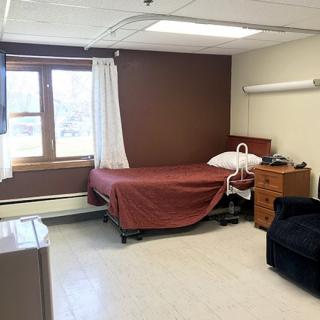




 Comprehensive Residential Support and Assisted Living Solutions for Individuals with Disabilities
 Comprehensive Supportive Living Arrangements for Adults with Disabilities
 Funding and Affording Assisted Living: A Thorough Overview