
Good Samaritan Society - Miller

Save

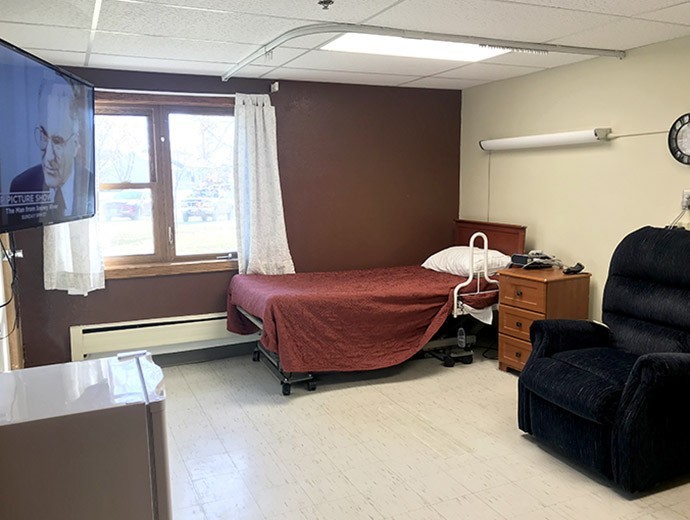
  • Interior

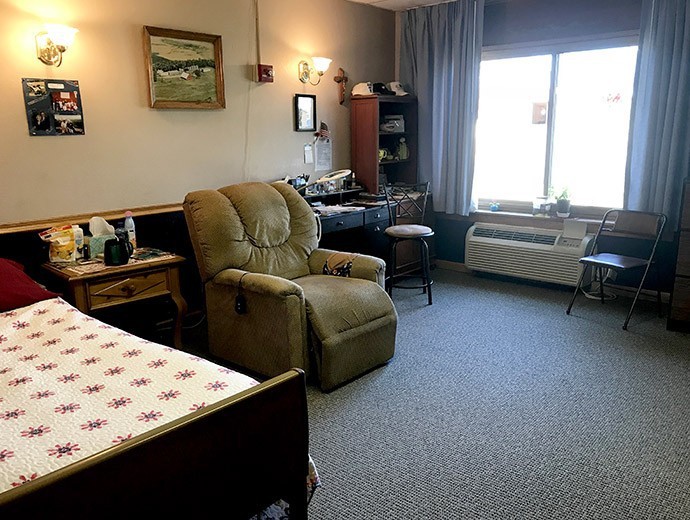
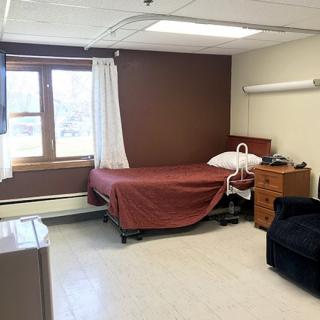
    A simple hospital room with a single bed near a window, a bedside table, and a chair.
  • Decor

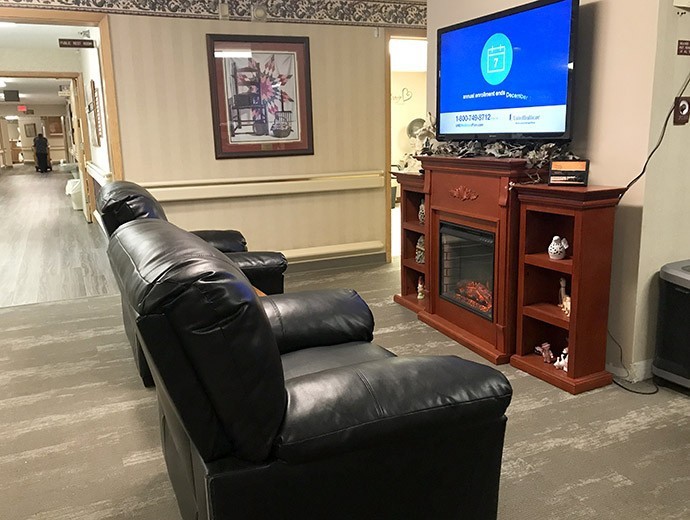
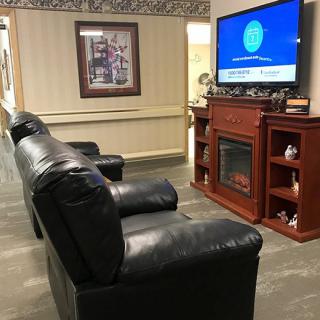
    A cozy living room setup with armchairs facing a television and an electric fireplace.
  • Living Room

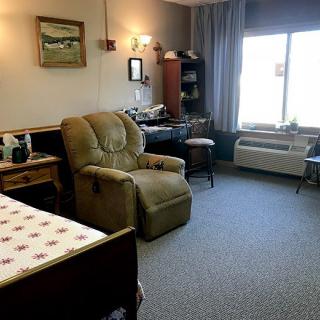
    A cozy living room with a recliner, side table, and large window allowing natural light.
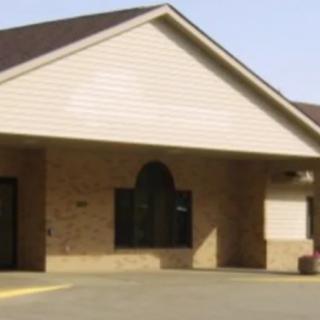
  • Building

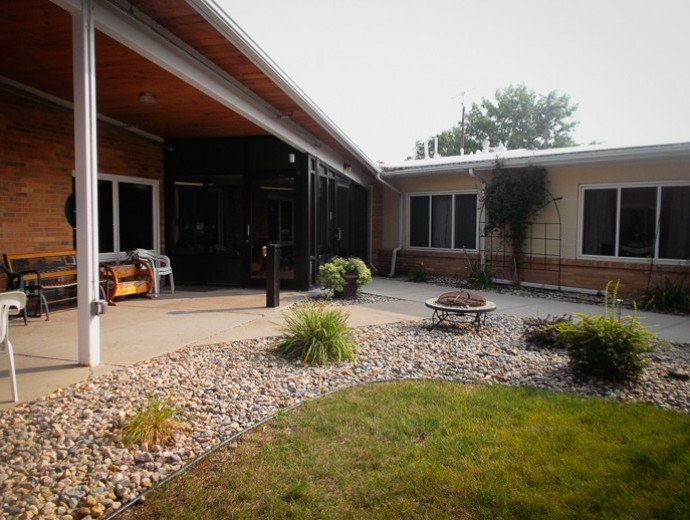
    A building surrounded by a landscaped garden with a sidewalk and trees.
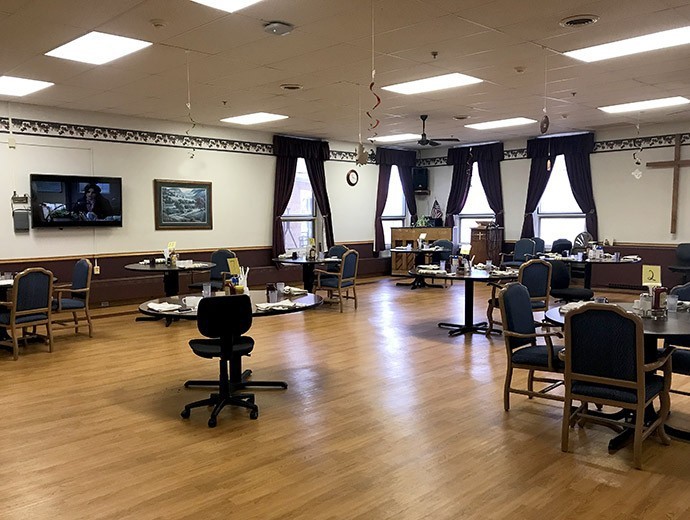
  • Windows

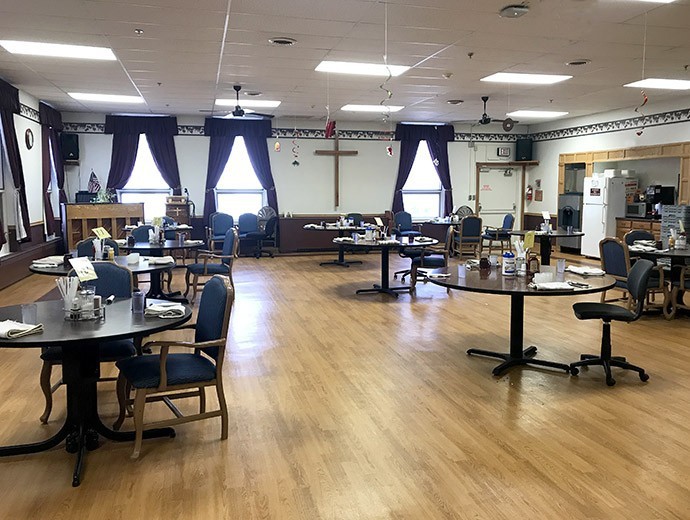
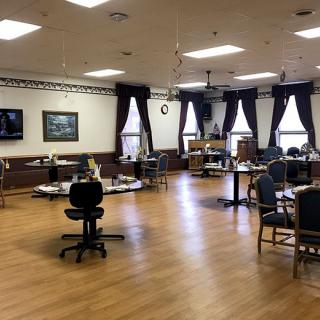
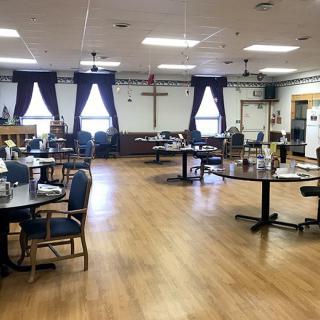
    An interior room with chairs and tables arranged in a spacious setting, featuring large windows with curtains.
  • Dining

    A community dining hall with tables and chairs, featuring a cross on the back wall.
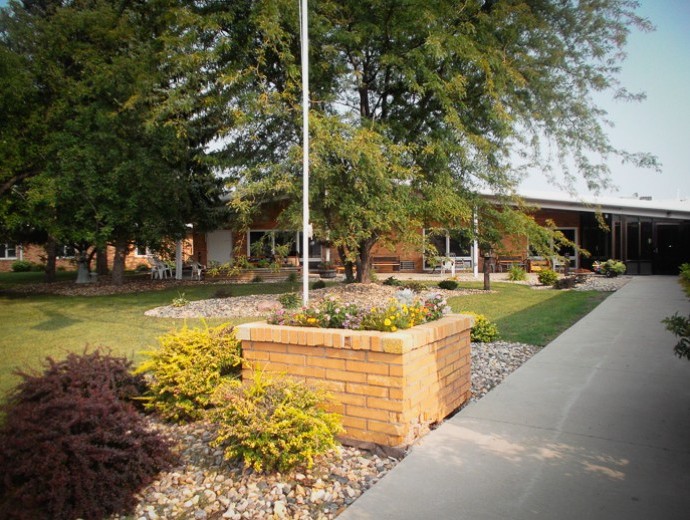
  • Landscaping

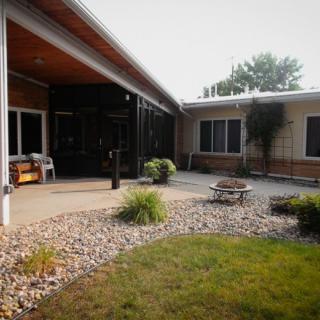
    A peaceful courtyard with a patio and landscaped garden.
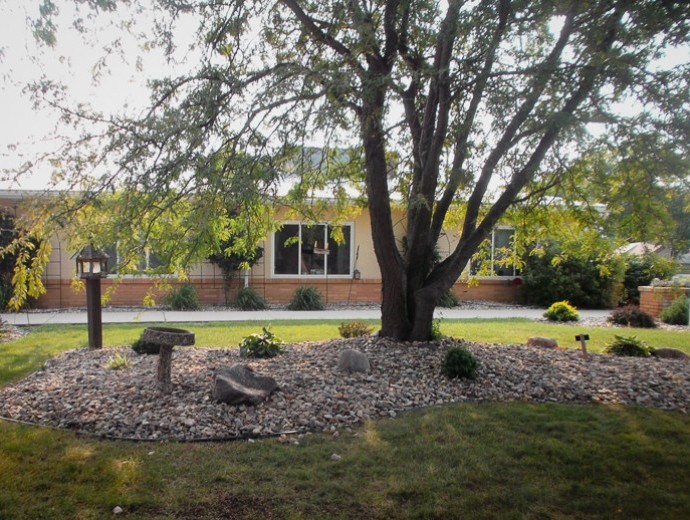
  • Tree

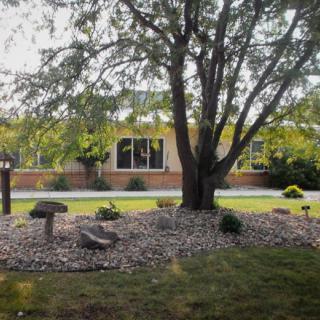
    A view of a house with a landscaped front yard featuring a large tree and decorative rocks.
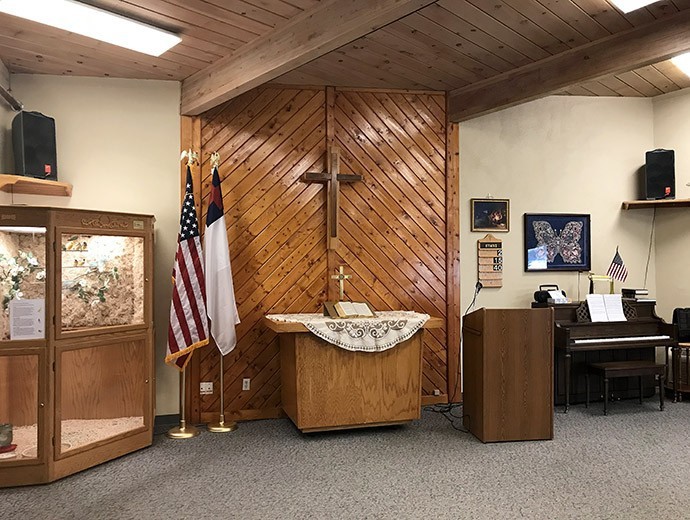
  • Flag

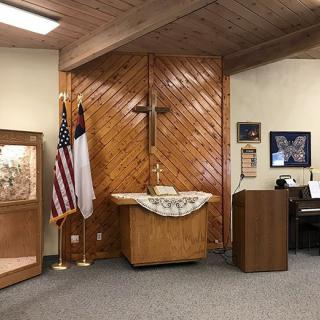
    A church interior featuring a wooden altar with a cross, flanked by American and Christian flags, alongside a pulpit.

Good Samaritan Society - Miller

421 East 4Th Street, Miller, SD 57362

For more information about senior living options: (844) 490-3973

2.5 from 2 reviews
Assisted Living Board and Care Home Skilled Nursing Facility

Overall Review of Good Samaritan Society - Miller

Cons

  • pro The management and nurses are very disrespectful to Black staff.
  • pro They would not recommend anyone to work there if their color doesn't fit.
  • pro The workplace atmosphere is discriminatory toward employees based on skin color.

Review

A troubling image emerges from a single account of a workplace where the atmosphere for Black staff is described as hostile and demeaning. The reviewer states that "Management and nurse's are very disrespectful to black staff," painting a picture of daily interactions that feel demeaning, dismissive, and perhaps even openly hostile. The message is clear: this is not a place where Black employees are treated with basic consideration or fairness. The reviewer adds a blunt warning that they would not recommend anyone to work there if their color doesn't fit, signaling not just dissatisfaction but a strong belief that the color of a person's skin should not determine how they are treated on the job.

What exactly does disrespect look like in this account? While the review doesn't enumerate every behavior, it implies a pattern of unequal treatment tied to race. Disrespect in a healthcare setting can manifest as condescension, exclusion from meaningful conversations or decisions, biased perceptions of capability, and a willingness to overlook or normalize unfair scrutiny of Black staff. It can also include overt or subtle forms of microaggression, offhand jokes or comments that lessen the value of Black employees, or a culture where concerns raised by Black workers are minimized or dismissed. In this reading, such patterns don't appear to be isolated incidents but a recurring dynamic that shapes how Black staff are seen, treated, and able to advance within the organization.

The personal impact of living in a climate described as disrespectful toward Black staff is likely profound. Anxiety, diminished sense of safety at work, and a chronic sense of being undervalued can take hold when respect is consistently denied. Career progression may feel out of reach if decisions and opportunities are framed through a biased lens rather than a staff member's demonstrated skills and merit. The emotional toll - frustration, vigilance, and fear about how one is perceived - can erode day-to-day motivation and increase turnover. When respect and dignity are not guaranteed, even competent and dedicated employees may start to question whether staying in such a environment is sustainable in the long term, which has ripple effects on morale and team cohesion.

Beyond the experience of individuals, the review hints at broader organizational concerns. A culture that permits or overlooks disrespect toward Black staff may reflect deeper systemic issues in leadership, accountability, and the effectiveness of policies designed to protect workers from discrimination. If frontline managers and nurses are described as part of the problem, questions arise about who sets the norms, how aggressively inappropriate behavior is challenged, and whether there are real pathways for reporting abuse without fear of retaliation. When discriminatory dynamics are allowed to persist, they can erode trust in teamwork, hinder accurate communication, and create breakdowns in coordination - problems that can also impact patient safety and the quality of care.

The potential consequences for the organization as a whole are significant. A hostile environment toward a protected group can deter qualified applicants, particularly from diverse backgrounds, leading to a less diverse workforce and a loss of varied perspectives that enrich patient care. Persistent dissatisfaction among Black staff can drive higher turnover, increase recruitment costs, and tarnish the institution's reputation in the community. For patients and their families, a staff that feels undervalued and disrespected may inadvertently convey a sense of unease or reduced empathy, compromising the very foundation of patient-centered care. In sum, the issue goes beyond individual discomfort and bears on organizational performance, safety, and legitimacy.

Addressing these concerns requires deliberate, accountable action. The most effective responses begin with a clear commitment from leadership to an inclusive culture and zero tolerance for discrimination or disrespect. Practical steps could include comprehensive anti-discrimination training for all levels of staff, robust and confidential reporting mechanisms with protections against retaliation, and transparent processes for investigating concerns with timely remediations. Leadership should model inclusive behavior, ensure diverse representation in decision-making, and implement equitable pathways for advancement. Regular climate surveys, independent reviews, and ongoing monitoring of progress can help demonstrate that the organization takes these concerns seriously and is committed to real change. Providing access to mentorship and support resources for Black staff can also help rebuild trust and foster a more inclusive environment.

Ultimately, the account underscores a serious warning about the conditions in a particular workplace. It signals that for Black staff, a respectful and supportive environment is not guaranteed and that the current culture may be unsafe or unwelcoming. For anyone evaluating whether to join such an organization, this perspective matters: it highlights the importance of asking tough questions about respect, equity, and leadership accountability before making a decision. If the concerns described are addressed, the organization could move toward a healthier, more inclusive workplace where all staff feel valued and capable of delivering high-quality care without fear of discrimination.

Features

Housing

  • 8 resident community capacity 8 resident community capacity

Types of Care

  • Assisted Living Assisted LivingAssisted living facilities provide crucial support and care for seniors who may need help with daily tasks such as medication management, bathing, and meal preparation. These communities offer a safe and comfortable environment where seniors can maintain their independence while receiving the assistance they need to thrive in their golden years.
  • Board and Care Home Board and Care HomeBoard and care homes provide a smaller, more intimate setting for seniors who require assistance with daily tasks but do not need the level of care offered by a nursing home. They offer personalized care, meals, and social activities in a homelike environment, ensuring that seniors receive individualized attention and support in their golden years.
  • Skilled Nursing Facility Skilled Nursing FacilitySkilled Nursing Facilities are crucial for seniors as they provide round-the-clock medical care, rehabilitation services, and assistance with daily activities. These facilities ensure that seniors receive the specialized care they need to maintain their health and well-being as they age.

Amenities

  • Cable or satellite TV Cable or satellite TVCable or satellite TV is important for seniors because it provides entertainment, news, and companionship, helping to combat loneliness and boredom. It also offers a wide range of programming options tailored to different interests and preferences.
  • Dining room Dining roomDining rooms are important for seniors as they provide a space for socialization, connection, and nutritious meals. They offer opportunities for residents to bond over shared meals, foster a sense of community, and promote healthy eating habits. Dining rooms also ensure that seniors have access to well-balanced meals tailored to their dietary needs and preferences.
  • Fully furnished Fully furnishedFully furnished senior living communities are important for seniors because they provide convenience, comfort, and a hassle-free moving experience. Seniors can easily settle into their new living space without the stress of having to buy and move furniture. This allows them to focus on enjoying their new home and community.
  • Garden GardenGardens are important for seniors as they provide a peaceful and therapeutic environment for relaxation, physical activity, and socialization. Being in nature has been shown to reduce stress, improve mood, and promote overall well-being. Gardens also offer opportunities for seniors to engage in gardening activities, which can improve mobility, flexibility, and cognitive function. Additionally, gardens create a sense of community and connection with others who share a passion for plants and outdoor spaces.
  • Housekeeping services Housekeeping servicesHousekeeping services are important for seniors because they help maintain a clean and safe living environment, promote independence, and reduce the risk of accidents or illnesses. Additionally, having assistance with household chores can alleviate physical strain and allow seniors to focus on other aspects of their well-being.
  • Move-in coordination Move-in coordinationMove-in coordination is important for seniors because it helps ease the transition into their new living environment. It ensures that all logistics, such as packing, organizing movers, and setting up utilities are taken care of, allowing seniors to focus on settling in and adjusting to their new home. Having a smooth move-in process can alleviate stress and anxiety, making the transition smoother and more enjoyable for seniors.
  • Outdoor space Outdoor spaceOutdoor spaces are important for seniors as they provide opportunities for physical activity, social interaction, exposure to natural light and fresh air, and a sense of connection to nature. Having access to outdoor spaces can improve overall well-being and quality of life for older adults living in senior communities.
  • Telephone TelephoneTelephones are important for seniors as they provide a lifeline for communication with loved ones, emergency services, and healthcare providers. They offer a sense of security and independence, enabling seniors to stay connected and access assistance when needed.
  • Wi-Fi/high-speed internet available Wi-Fi/high-speed internet availableWi-Fi/high-speed internet is important for seniors to stay connected with loved ones, access online resources, and participate in virtual activities to combat feelings of loneliness and isolation. It also allows them to easily manage healthcare needs, access entertainment, and engage in lifelong learning opportunities.

Care Services

  • 24-hour supervision 24-hour supervision24-hour supervision is important for seniors to ensure their safety, well-being, and access to immediate assistance in case of emergencies or health issues. This constant support provides peace of mind for both seniors and their loved ones, allowing them to age in place with dignity and security.
  • Activities of daily living assistance Activities of daily living assistanceActivities of daily living assistance are important for seniors because they provide essential support with tasks such as eating, bathing, dressing, and mobility. This assistance helps seniors maintain their independence, dignity, and overall quality of life as they age.
  • Assistance with bathing Assistance with bathingAssistance with bathing is crucial for seniors as it helps maintain personal hygiene, prevents infections, and ensures their overall well-being and comfort. It also provides a sense of dignity and independence for seniors who may struggle with this task on their own.
  • Assistance with dressing Assistance with dressingAssistance with dressing is important for seniors because it helps maintain their independence, promotes personal hygiene, prevents accidents and injuries, and improves overall quality of life. This service ensures that seniors can continue to dress comfortably and confidently, despite any physical limitations they may have.
  • Assistance with transfers Assistance with transfersAssistance with transfers is crucial for seniors as it helps prevent falls and injuries, maintains their independence, and ensures they can safely navigate their living environment. It also provides peace of mind for both seniors and their loved ones.
  • Coordination with health care providers Coordination with health care providersCoordination with health care providers is crucial for seniors to ensure proper medical care, medication management, and overall well-being. This collaboration helps prevent overlapping treatments, track progress more effectively, and provide comprehensive support tailored to individual needs.
  • Diabetes diet Diabetes dietA diabetes diet is crucial for seniors as it helps manage blood sugar levels, reduce risks of complications, and improve overall health and well-being. By following a balanced and nutritious diet tailored to their specific needs, seniors can better control their diabetes and enhance their quality of life.
  • Meal preparation and service Meal preparation and serviceMeal preparation and service are crucial for seniors as they may have limited mobility or energy to cook nutritious meals. Having access to healthy and convenient food options can ensure they are getting the proper nutrition needed to maintain their overall health and well-being.
  • Medication management Medication managementMedication management is crucial for seniors to ensure they are taking the right medications at the correct dosages and times. This helps prevent adverse drug interactions, reduces the risk of medication errors, and promotes overall health and well-being. Proactive management also allows for adjustments as needed based on changing health conditions or new prescriptions.
  • Special dietary restrictions Special dietary restrictionsSpecial dietary restrictions are important for seniors because age-related changes in metabolism and health conditions can make it difficult for their bodies to process certain foods. By following a diet tailored to their specific needs, seniors can maintain their overall health and well-being, manage chronic conditions, and reduce the risk of complications such as malnutrition or food interactions with medications.
  • Transportation arrangement (medical) Transportation arrangement (medical)Transportation arrangements for medical purposes are essential for seniors as they may have difficulty driving themselves to appointments or accessing public transportation. Having reliable and safe transportation options ensures that seniors can receive timely medical care and maintain their health and well-being.
  • Transportation to doctors appointments Transportation to doctors appointmentsTransportation to doctors' appointments is crucial for seniors as it ensures they have access to necessary medical care and support for their health needs. Without reliable transportation, seniors may struggle to attend important appointments, leading to potential delays in treatment and health complications. Providing transportation services helps seniors maintain their overall well-being and quality of life.

Dining

  • Diabetes diet Diabetes dietA diabetes diet is crucial for seniors as it helps manage blood sugar levels, reduce risks of complications, and improve overall health and well-being. By following a balanced and nutritious diet tailored to their specific needs, seniors can better control their diabetes and enhance their quality of life.
  • Special dietary restrictions Special dietary restrictionsSpecial dietary restrictions are important for seniors because age-related changes in metabolism and health conditions can make it difficult for their bodies to process certain foods. By following a diet tailored to their specific needs, seniors can maintain their overall health and well-being, manage chronic conditions, and reduce the risk of complications such as malnutrition or food interactions with medications.

Activities

  • Community-sponsored activities Community-sponsored activitiesCommunity-sponsored activities are important for seniors as they provide opportunities for social interaction, mental stimulation, and physical activity. These activities can help improve overall well-being, combat loneliness and isolation, and promote a sense of belonging and purpose among older adults.
  • Scheduled daily activities Scheduled daily activitiesScheduled daily activities are important for seniors because they provide structure, socialization, mental stimulation, and physical activity. Engaging in regular activities can improve overall well-being and quality of life for seniors living in a community setting.

Description

The Good Samaritan Society - Miller in Miller, SD is an assisted living community that offers both board and care home services as well as skilled nursing facility care. Residents can find comfort and convenience in this community with a range of amenities available to them.

The dining room provides a warm and inviting space for residents to enjoy their meals, which are prepared and served by the staff. The community is fully furnished, ensuring that residents have everything they need to feel at home.

For those who enjoy spending time outdoors, there is a garden where residents can relax and take in the fresh air. Housekeeping services are provided to keep the community clean and tidy.

The staff at Good Samaritan Society - Miller also assist residents with various daily living activities such as bathing, dressing, and transfers. They also coordinate with healthcare providers to ensure that residents receive the care they need. Special dietary restrictions, including diabetes diets, can be accommodated.

Transportation services are available for medical appointments, making it easier for residents to access necessary healthcare services.

In addition to these amenities and care services, there are plenty of nearby amenities and attractions for residents to enjoy. There are cafes, pharmacies, restaurants, transportation options, places of worship, theaters, and hospitals all within close proximity to the community.

Overall, Good Samaritan Society - Miller provides a caring and supportive environment for seniors who require assistance with their daily activities while still offering a range of amenities and nearby conveniences for their enjoyment.

Nearby Places of Interest

Places of Worship

  • Inkwell Ministries (0.2 miles)
  • St Ann's Catholic Church (0.2 miles)
  • Church of the Nazarene (0.4 miles)
  • First Baptist Church (0.4 miles)
  • Southern Baptist Convention (0.4 miles)
  • St Lawrence Community Church (1.7 miles)
  • St Lawrence Community Church (2.2 miles)

Restaurants

  • The Take Out and Catering (0.3 miles)
  • Main St Lunchbox (0.3 miles)
  • Turtle Creek Saloon (0.4 miles)
  • Sommers Bar & Lounge (0.4 miles)
  • Subway (0.4 miles)
  • Willie's Bar & Grill (2.2 miles)
  • Willie's Bar & Grill (3.4 miles)

Transportation

  • U-Haul Neighborhood Dealer (0.3 miles)
  • U-Haul Neighborhood Dealer (0.5 miles)
  • U-Haul Neighborhood Dealer (0.6 miles)
  • City Of Miller, SD Airport (0.7 miles)
  • Highmore Airport (22.8 miles)

Pharmacies

  • Miller Rexall Drug (0.3 miles)
  • Vilas Pharmacy (22.5 miles)

Hospitals

  • Avera Hand County Memorial Hospital And Clinic (0.5 miles)

Physicians

  • Ophthalmology Associates (0.5 miles)

Cafes

  • Ranch Cafe (0.5 miles)

Theaters

  • Midway Drive In (1.1 miles)

Parks

  • Lake Louise Recreation Area (10.8 miles)

Frequently Asked Questions

Where is Good Samaritan Society - Miller?
What photos are available for Good Samaritan Society - Miller in Miller, South Dakota?

Nearby Communities

Related Resources

  • how to pay for assisted livingFunding and Affording Assisted Living: A Thorough Overview

    Assisted living facilities provide support for older adults needing help with daily activities without extensive medical care, but their costs can be high and vary by location and services offered. Families often seek various funding options and financial strategies to manage these expenses effectively while considering future needs and potential price increases.

  • assisted living insuranceAssisted Living Expenses and Long-Term Care Insurance: A Comprehensive Exploration

    The article discusses assisted living expenses, the importance of long-term care insurance in covering these costs, and various financing options, highlighting the need for careful policy review and early planning to address potential needs. It also clarifies common misconceptions about Medicare and private health insurance limitations regarding long-term care coverage.

  • how to pay for assisted livingSecuring Financial Support for Assisted Living: A Comprehensive Overview
    Assisted living facilities offer crucial support for older adults needing help with daily activities but come with varying and significant costs, which can be financed through personal savings, government assistance programs, long-term care insurance, and home equity options. Professional guidance from experts can aid families in navigating these financial complexities to establish a sustainable budgeting approach for assisted living services.