
100 Joseph Walker Drive, West Columbia, SC 29169
To contact a resident: (803) 796-0370
For more information about senior living options: (866) 208-4318

Overall Review of Laurel Crest
Pros
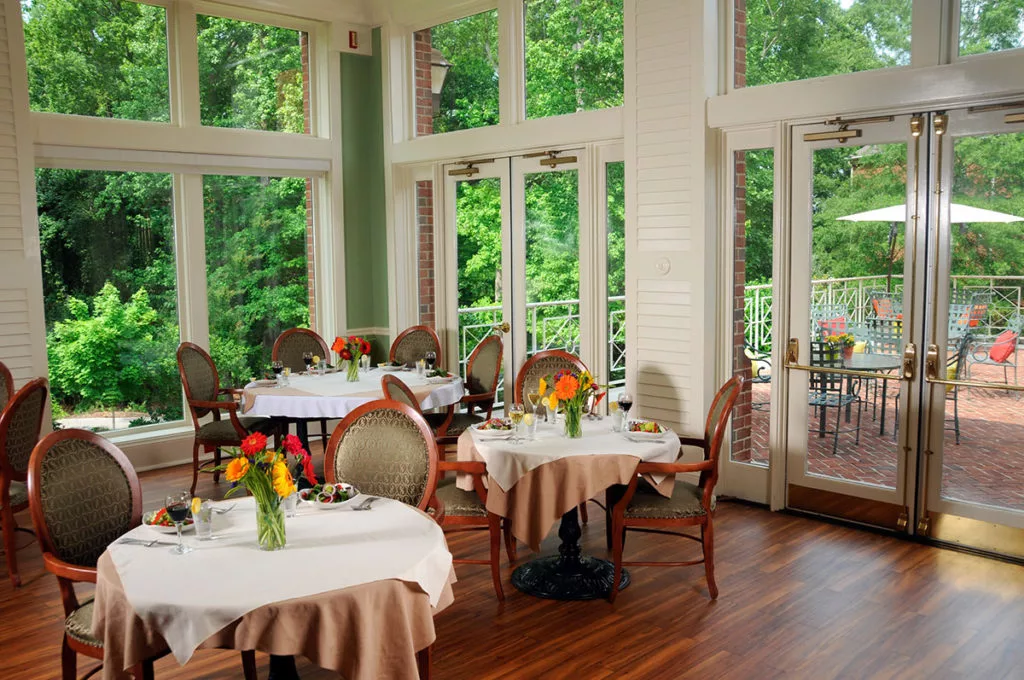
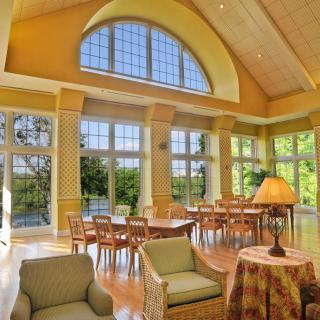
 The community offers excellent food, superb entertainment, and ample opportunities for socialization.
- Card games are a popular activity for residents.
- Families appreciate that residents can be independent while having medical care nearby if needed.
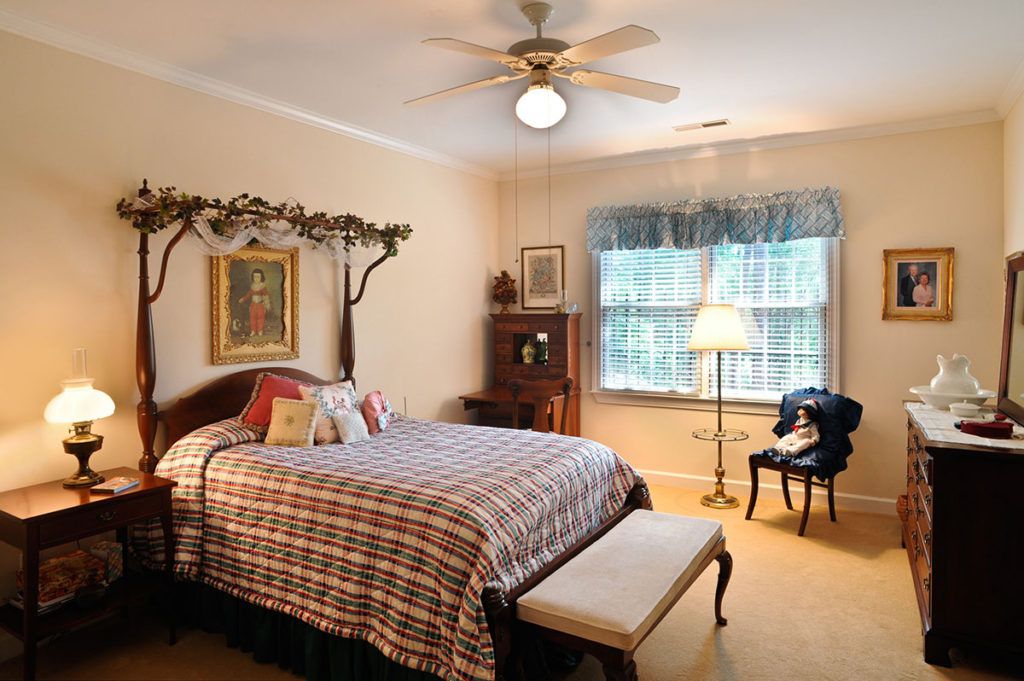
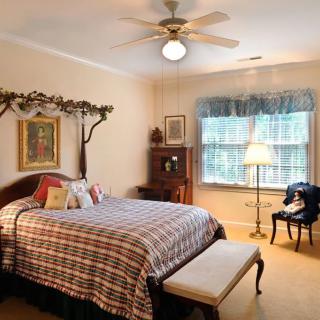
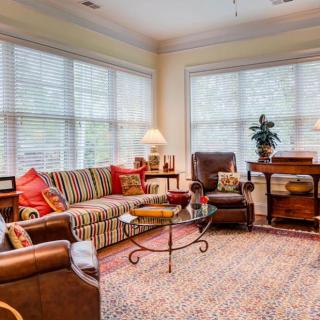
- It is a comfortable retirement community.
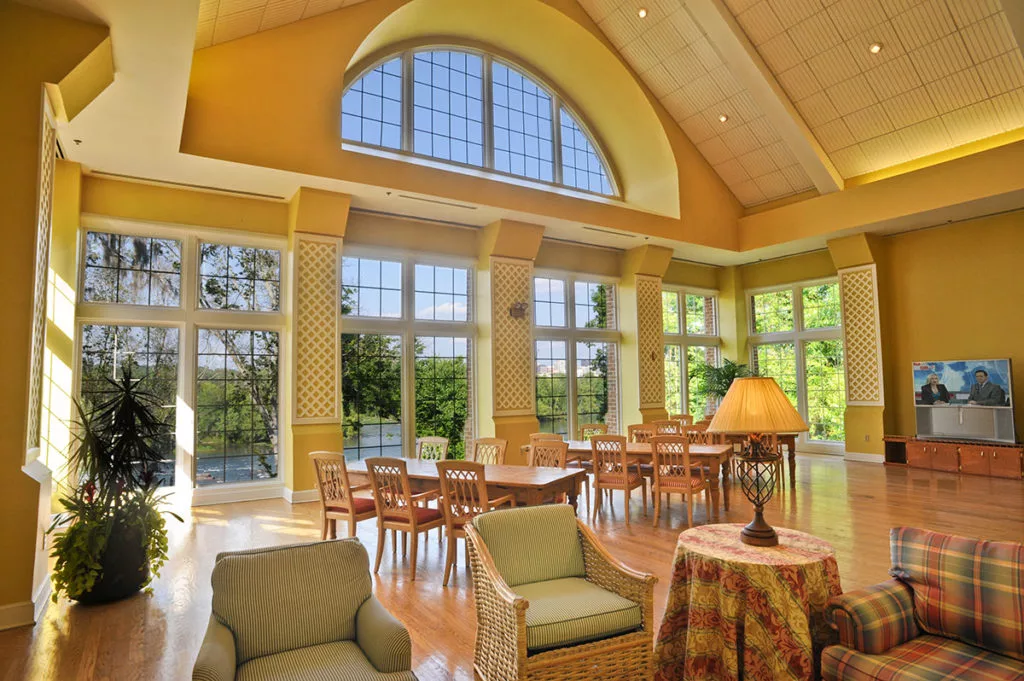
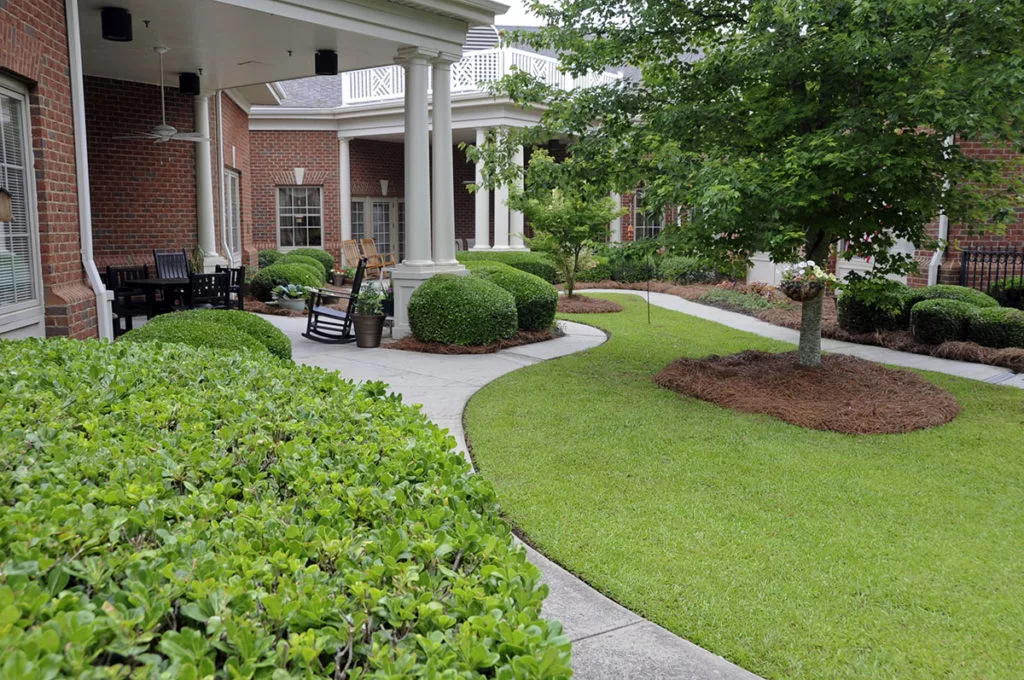
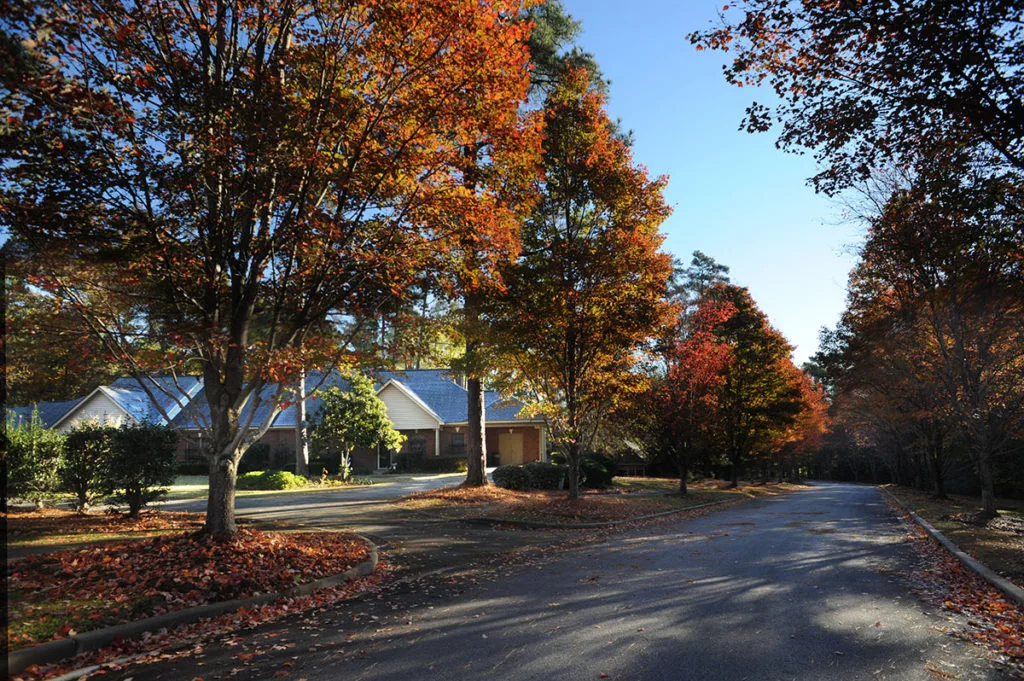
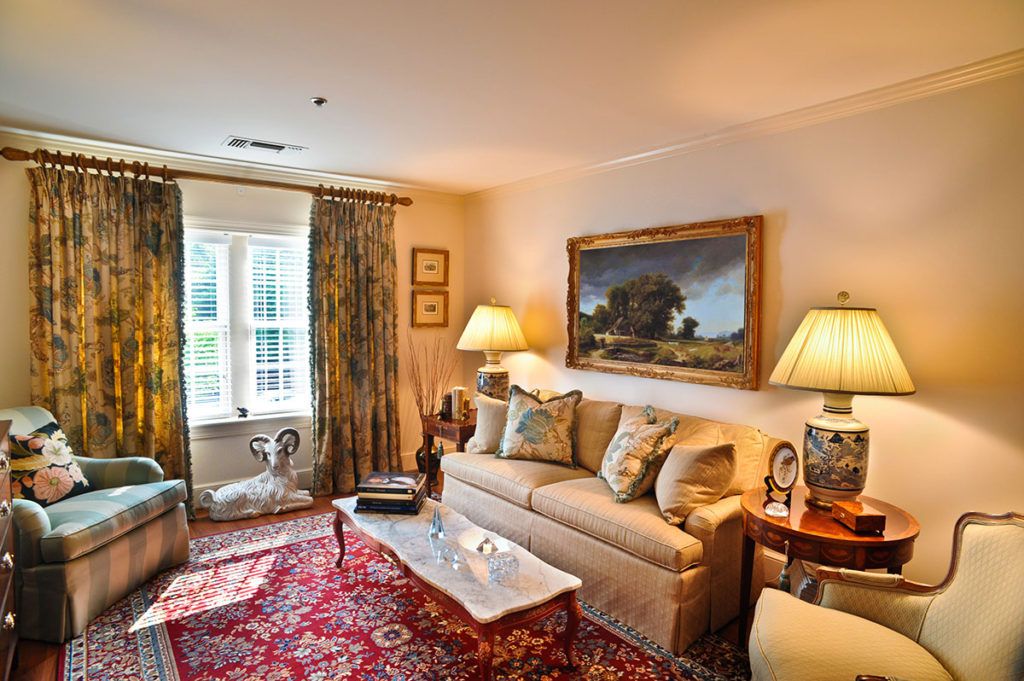
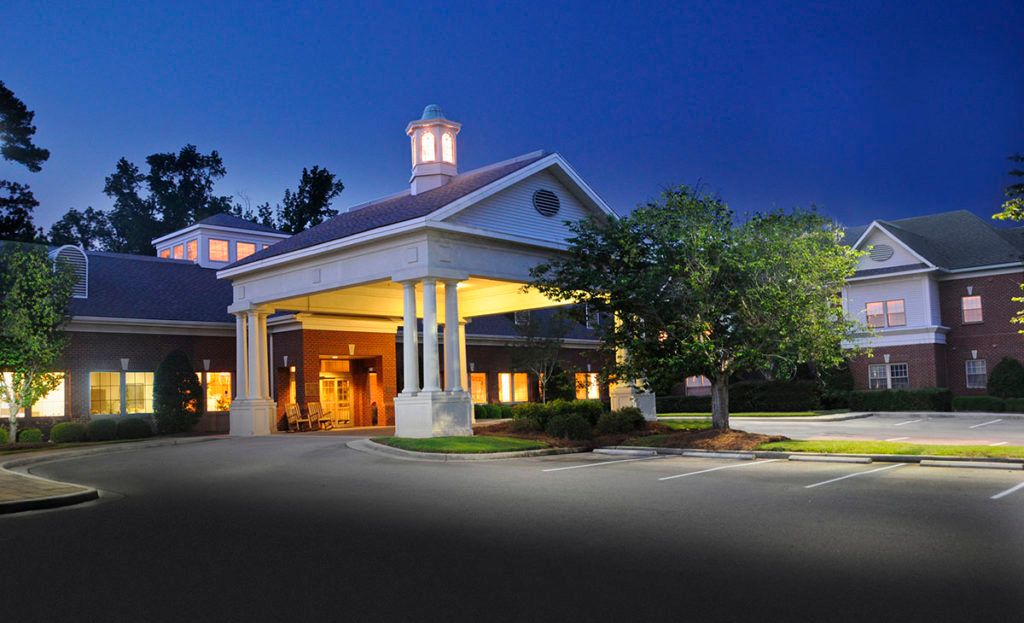
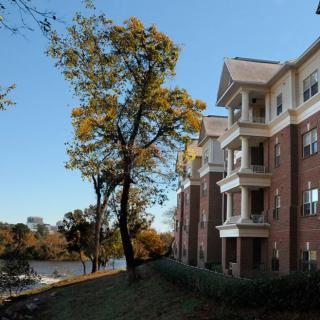
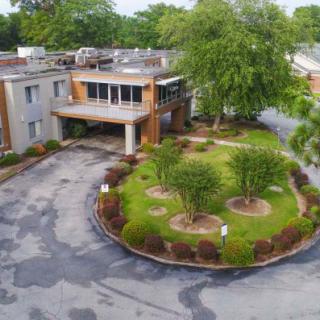
- The facility is beautiful and staffed by exceptionally sweet people.
- The staff regularly arrange concerts and other engaging entertainment for residents.
- Laurel Crest is highly regarded by families for its attentive care and thoughtful service.
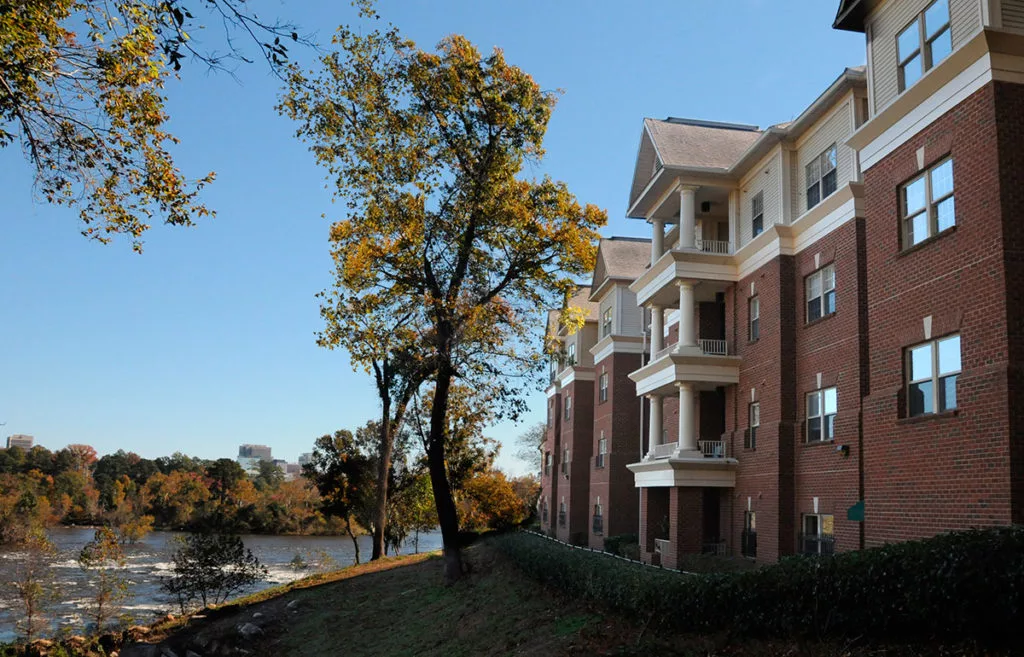
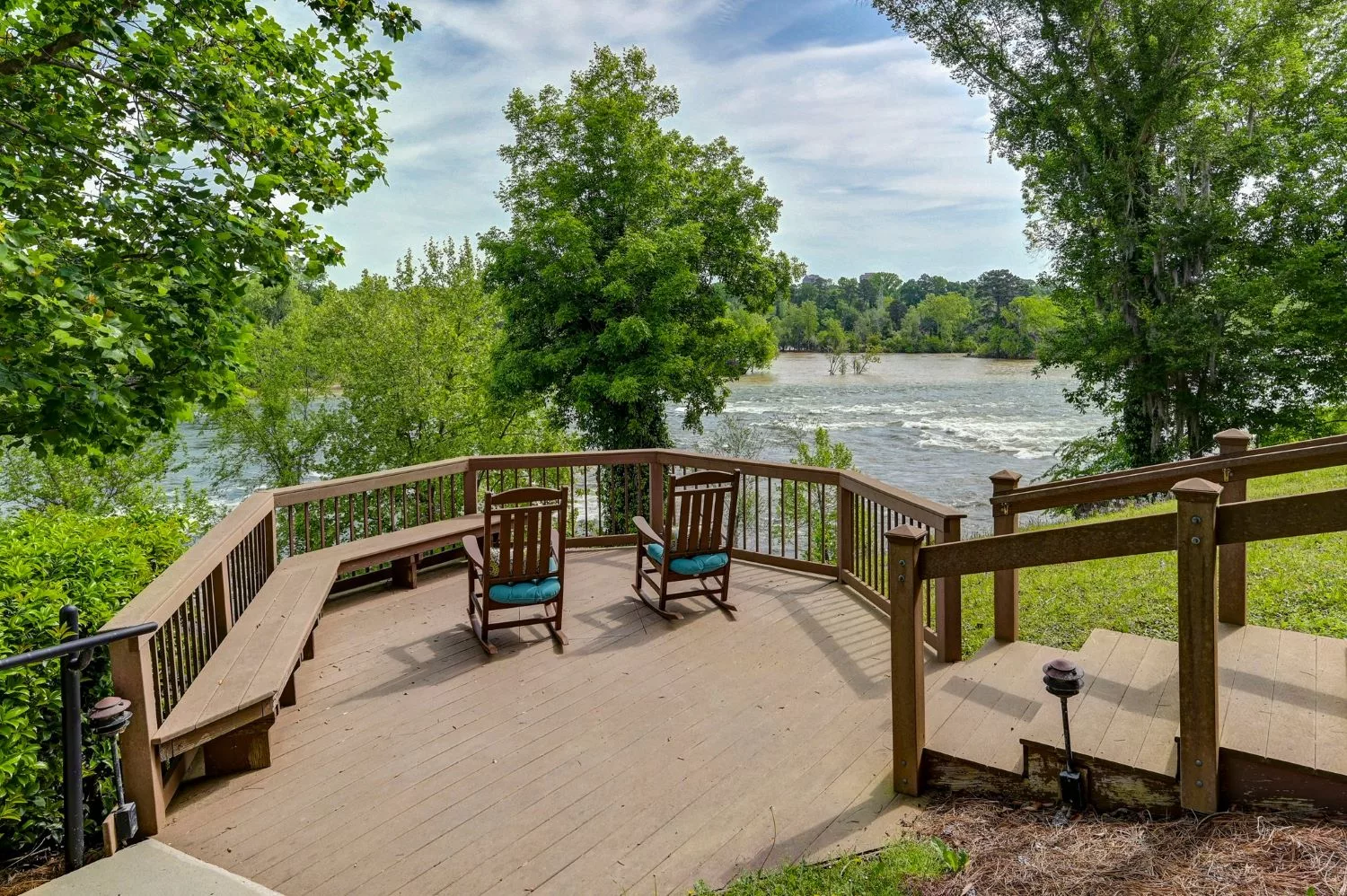
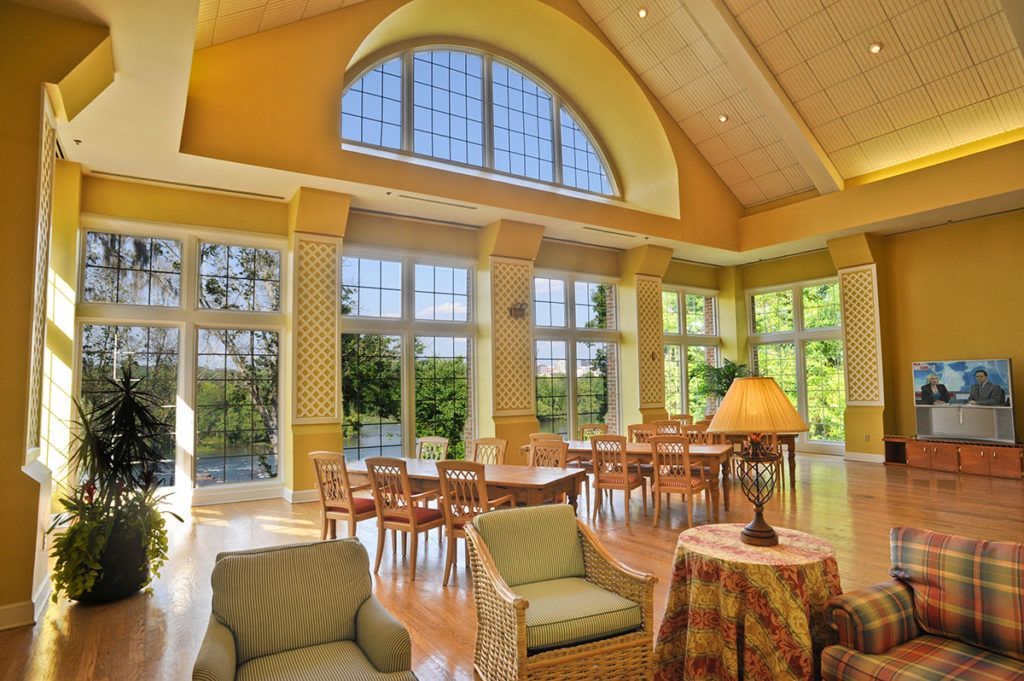
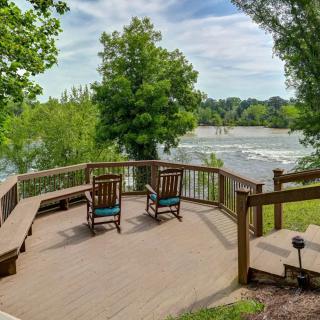
- The community has superb staff and beautiful views.
- It maintains a quiet, professional atmosphere.
- The calendar features a full range of activities, including shopping trips, visiting speakers, bridge, cards, church, and Bible study.
Cons
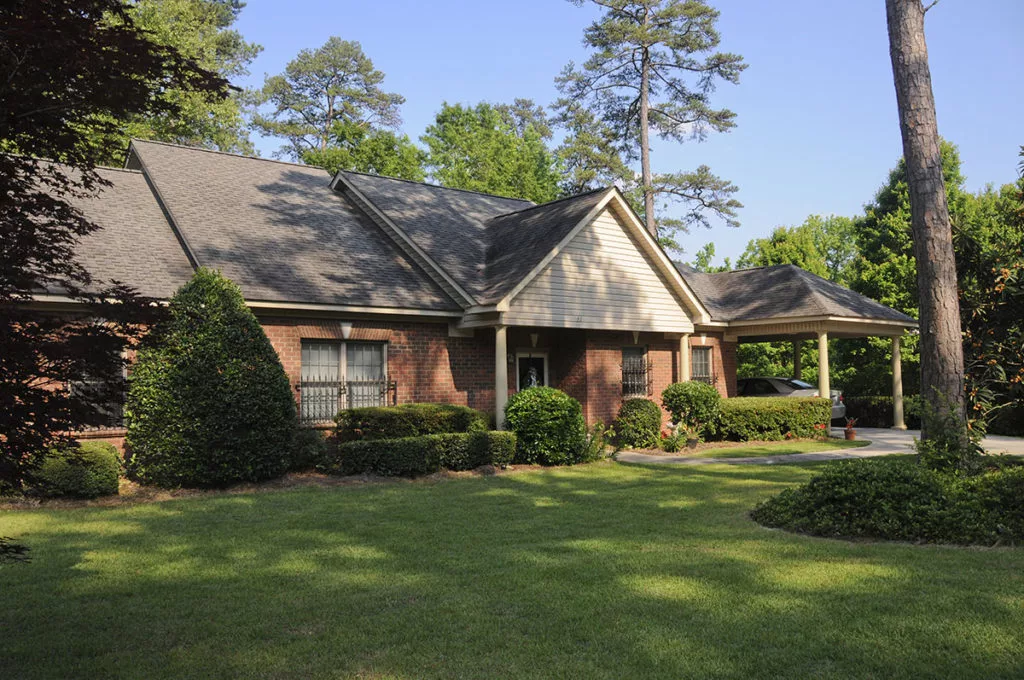
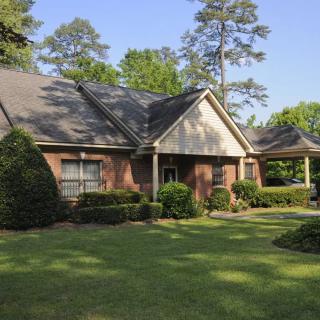
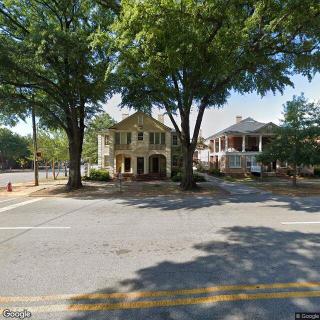
 The facility is older and has a more traditional nursing home feel.
- Laurel Crest is more expensive.
- This is not a Plan A CCRC, so one must have sufficient funds for end-of-life care.
Review
Laurel Crest in West Columbia, South Carolina is best suited for seniors who want an engaging, socially rich environment where independence is respected and medical oversight is readily accessible. This community rewards residents who crave consistent companionship, purposeful programming, and a dependable support team. A strong social ecosystem, cards and games, concerts, shopping excursions, visiting speakers, church and Bible study, helps maintain momentum in daily life, while the staff’s steadiness provides reassurance that care remains attentive over time. In short, it serves well for those who prioritize active living, meaningful interaction, and a reliable level of care without sacrificing personal autonomy.
Those weighing alternatives should consider budget realities and campus philosophy. Laurel Crest carries a higher price tag than many peers, making it less suitable for families with tighter budgets or those seeking a more modern, high-tech campus experience. The facility’s traditional, older-leaning aesthetic may feel dated to some, especially to those who equate newer construction with contemporary amenities. For families seeking a Plan A continuing-care model with guaranteed long-term care on campus, or for residents who require broader on-site specialty care and memory-care continuum, other options may align more closely with expectations and financial planning.
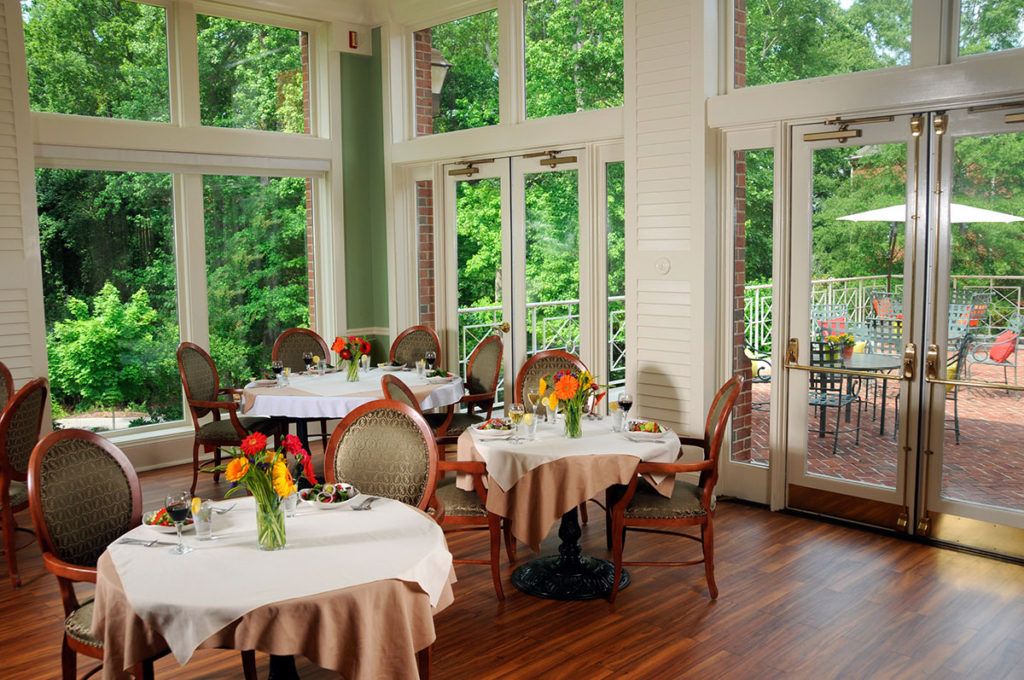
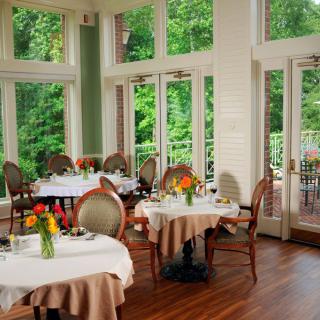
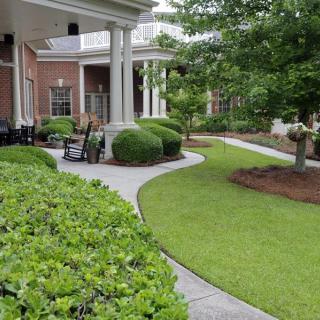
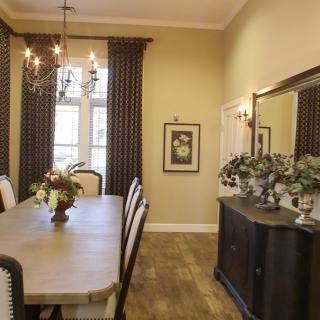
The strength of Laurel Crest lies in its tangible, day-to-day quality of life. Food is consistently praised, and the dining environment contributes to the overall uplifting vibe of the community. The social calendar is not just busy; it is coherent and accessible, giving residents predictable pathways to engage, connect, and participate. Staff performance stands out: long-tenured teams translate into nuanced, personalized caregiving, quick responsiveness, and a sense of continuity that families value deeply. The emphasis on hydration, providing large water cups and tracking intake, reflects that care is individualized and medically attentive, not just routine. Beautiful grounds, pleasant views, and a welcoming atmosphere leave residents feeling cared for and emotionally supported.
Yet the main cons cannot be ignored and must be weighed against the advantages. The financial hurdle is real: Laurel Crest is not a Plan A CCRC, which means end-of-life care planning and ongoing costs require careful, upfront budgeting and ongoing review. Age criteria matter in evaluating eligibility and long-term affordability, making early, transparent conversations essential. The older facility vibe can feel less cutting-edge to prospective residents accustomed to newer campuses, and that aesthetic may influence expectations about technology, layout, and environmental freshness. Still, the staff quality, the intimate feel, and the consistent routines can mitigate these drawbacks by delivering reliable, low-stress daily life and strong social capital.
From a practical decision-making standpoint, families should demand clear, external validation of financial terms before committing. Insist on a transparent breakdown of all fees, what memory or advanced care services are included or excluded, and how costs scale with aging needs. Verify staff tenure and request candid discussions about daily caregiving routines, escalation procedures, and how medical oversight works in practice. A firsthand look at dining areas, the activity calendar, and transportation options for outings will reveal whether the stated offerings translate into lived experience. Observing resident interactions and comfort levels during a visit is a strong predictor of future satisfaction and safety, especially in a community that prizes sociability as a core attribute.
In the end, Laurel Crest stands out as a compelling choice for families prioritizing a vibrant, supportive social environment, stable and personalized caregiving, and a warm, familiar setting. It delivers meaningful value through a robust calendar of activities, attentive staff, and a high-quality dining and living experience. This is a community to choose when the budget can accommodate a premium model and when planning for end-of-life care is part of the conversation from the start. It is less well suited for those seeking the lowest cost option, the most modern campus aesthetic, or a guaranteed Plan A continuum of care on-site. For families who want dependable care wrapped in a lively, close-knit atmosphere, Laurel Crest earns strong consideration and a clear, confident recommendation.
 22 resident community capacity
 Assisted Living
 Continuing Care Retirement Community (CCRC)
 Independent Living
 Memory Care
 Skilled Nursing Facility
 Activities on-site
 Beauty salon
 Cable or satellite TV
 Devotional services off-site
 Fully furnished
 Garden
 Housekeeping services
 Indoor common areas
 Kitchenette
 Move-in coordination
 Outdoor space
 Private bathrooms
 Respite or short term stays offered
 Wi-Fi/high-speed internet available
 Columbia Metropolitan (5 miles away)
 Community operated transportation
 24-hour call system
 Ambulatory care
 Assistance with bathing
 Assistance with dressing
 Assistance with transfers
 Diabetes diet
 Diabetic care
 Meal preparation and service
 Medication management
 Special dietary restrictions
 Fitness programs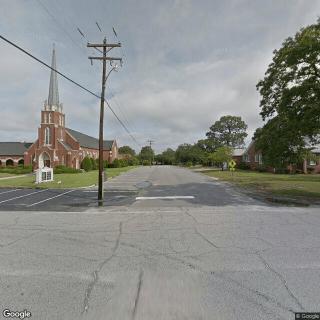

 When to Transition from Assisted Living to Memory Care: Key Indicators, Steps, and Finding the Right Community
 Understanding the Distinctions: Assisted Living and Memory Care Explained
 How to Communicate with a Loved One Living with Dementia: 10 Supportive Strategies