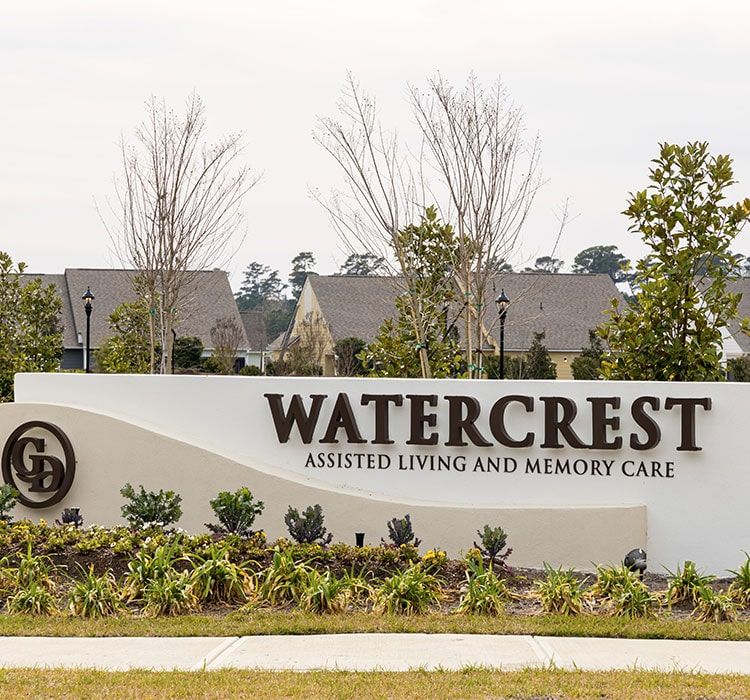
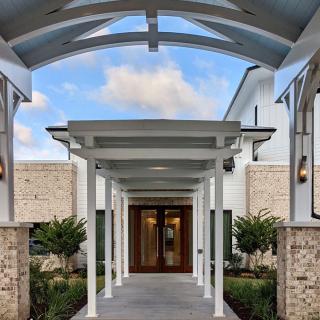
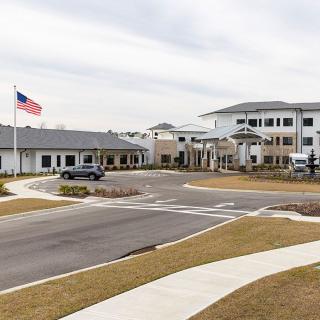
Watercrest Myrtle Beach

Save

Watercrest Myrtle Beach

Information last verified:

6151 Colline Verdi Way, Myrtle Beach, SC 29572

For more information about senior living options: (844) 490-3973

4.7 from 75 reviews
5 stars
70
4 stars
0
3 stars
0
2 stars
0
1 stars
5

Seniors.FYI Elite Community Awards

Top 5% Senior Living Community in 2023Top 5% Senior Living Community in 2024Top 5% Senior Living Community in 2025

Add this award to your website

Overall Review of Watercrest Myrtle Beach

Pros

  • pro Watercrest is an amazing community where residents receive care and compassion from a devoted team.
  • pro Candice and Candy are exceptional in enriching residents’ lives and making Watercrest feel like home.
  • pro The staff go above and beyond to make everyone feel like family.
  • pro Shannon in memory care and her team treat residents with patience, dignity, and kindness, enhancing their quality of life.
  • pro Watercrest offers care for loved ones as if they were family.
  • pro The Executive Director and leadership, especially Lauren, are compassionate, professional, and highly engaged with residents and families.
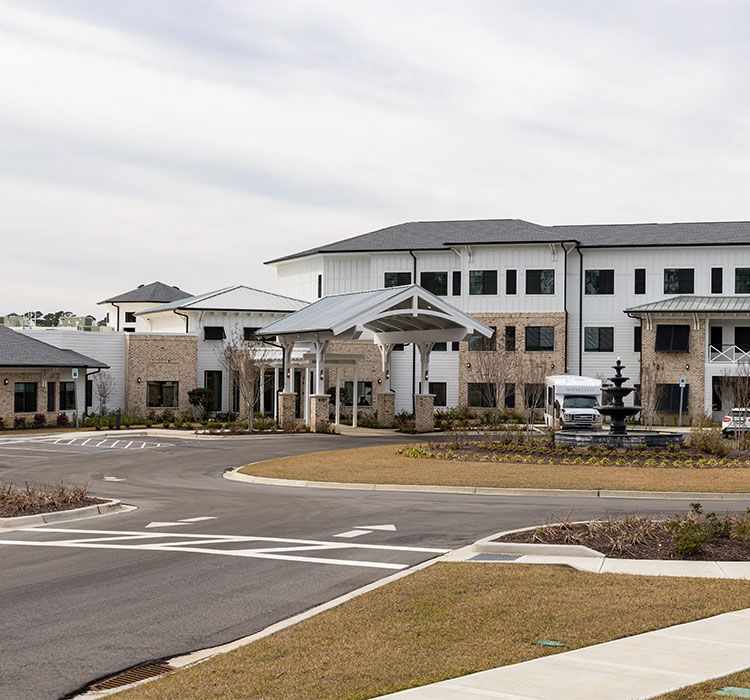
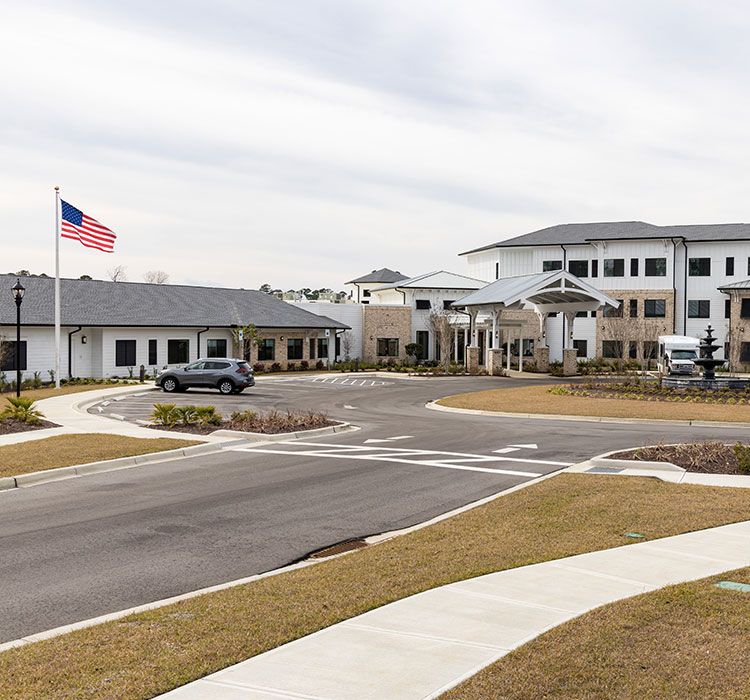
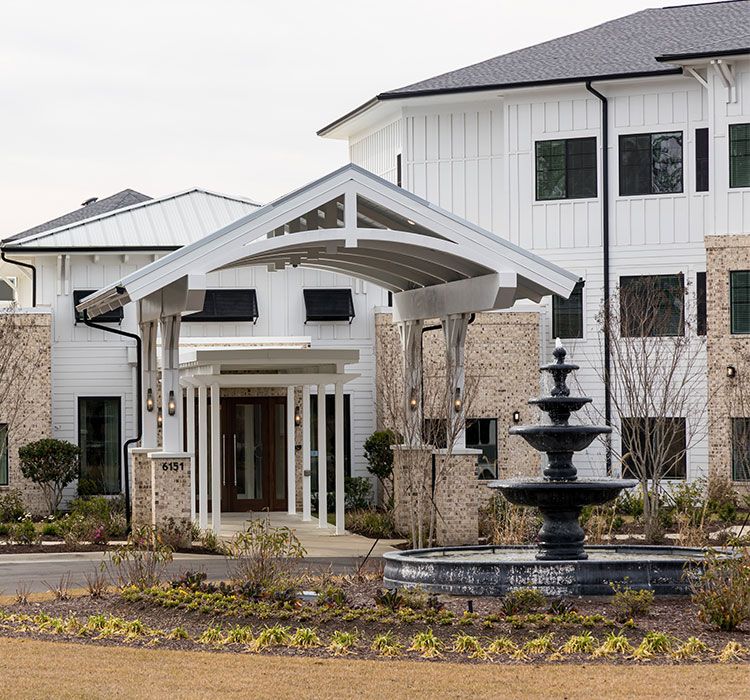
  • pro The facility is beautiful, bright, clean, and inviting, with a cheerful and respectful staff.
  • pro The dining program is outstanding, with restaurant-style service and delicious, varied meals.
  • pro The activities team delivers engaging, meaningful programs that keep residents active and connected.

Cons

  • pro The memory care unit is subpar compared to others in the area, and staff lack the skills to handle sundowning dementia patients.
  • pro Often there was only one staff member supervising 11 residents in memory care.
  • pro The facility is described as terrible and not suitable for elderly residents to be cared for.
  • pro Critics predicted the facility would not pass inspections next year.
  • pro The kitchen was criticized for poor cleaning and for not treating residents with respect.
  • pro Loretta and Melinda were described as horrible staff who would not properly care for loved ones.
  • pro The experience was described as disorganized, with no executive director and no one returning calls.
  • pro The place was labeled the worst to work for, with caregivers treating residents like trash.

Review

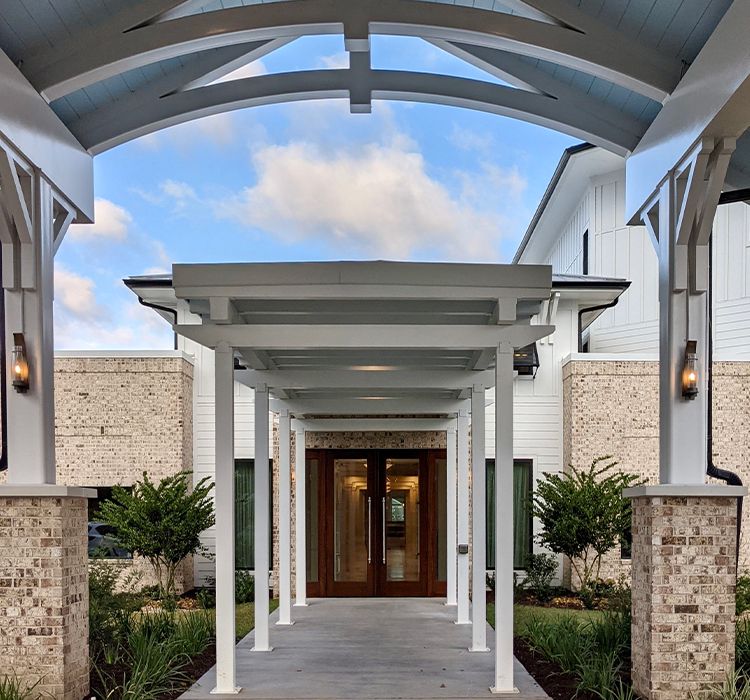
Watercrest Myrtle Beach is best suited for families seeking a resort-style senior living environment with comprehensive care options, where memory care leadership and vibrant daily programming are prioritized and where staff truly treats residents like guests in a high-end hotel. The community shines for those who want a robust activity calendar, open dining that invites family participation, and a strong sense of belonging fostered by hands-on leadership and a team culture that many families describe as genuinely caring. It is especially well-mitted for residents who prize rich enrichment, fitness classes, themed events, art and music activities, and frequent outings, delivered by staff who are visibly invested in each resident’s well-being. The emphasis on consistent, compassionate engagement makes Watercrest a compelling choice for those chasing quality, continuity, and a welcoming “home away from home” atmosphere in the Grand Strand area.

Those weighing alternatives should consider Watercrest carefully if budget constraints are nontrivial or if a stricter, more clinical, or lower-traffic environment is preferred. The property is premium-priced relative to some neighbors, and several reviewers label it as costly despite calling it the “best bang for the buck” among high-end options. For families prioritizing a more understated setting with fewer upscale amenities, or for those wanting a strictly clinical model with exacting care protocols and minimal frills, other facilities may fit better. Additionally, while leadership at Watercrest is repeatedly praised for responsiveness and compassion, a minority of posts points to past leadership gaps or organizational bumps when a director was temporarily not in place. Those timing issues matter if continuity of communication is a top priority, so prospective residents should verify current leadership stability during tours.

The strongest pros pivot around culture, care, and programming. Executive leadership, documented as highly engaged and responsive, helps create a cohesive atmosphere where residents are active participants, not afterthoughts. Families routinely receive daily updates on well-being and activities, which lowers anxiety for out-of-town relatives and enables timely care adjustments. The care teams, described across memory care and assisted living as attentive, respectful, and naturally warm, tend to go above and beyond in daily routines, therapy, and social engagement. The dining program, with its restaurant-style service, open hours, and frequent chef-driven offerings, delivers a genuinely generous experience, and the ability for families to dine with loved ones at their convenience reinforces bonds. The amenities are abundant: a spa-like setting, salt therapy and mood rooms, outdoor spaces, a pool, a salon, and an onsite cafe-like dining experience, all contributing to a sense that life here is richly curated. In memory care, directors like Rachael (and the broader memory care leadership) are repeatedly cited for calm, compassionate management and consistent, individualized attention, which matters greatly to families navigating Sundowning or other cognitive needs.

On the con side, several reviews flag affordability and the potential for organizational growing pains, particularly during periods of leadership transition. While many praise the current ED and the culture of accountability, occasional notes about past disorganization, such as gaps in communication when an executive director wasn’t visible, suggest that families should confirm current communication practices and the escalation path for concerns. Memory care, while celebrated for its compassion and staff who genuinely connect with residents, has at least one report describing staffing strains during difficult evenings, including limited staff coverage relative to resident needs. Those observations are important to weigh, because memory care quality can hinge on consistent ratios, specialized training, and dependable on-site leadership. Finally, even in a “resort-like” setting, some reviewers point to gaps that come with a large campus: the dining service, while generally lauded, can feel slow at times, and not every resident will use the full breadth of amenities or feel the same level of daily stimulation.

Taken together, the pros largely offset the cons for families who value culture fit, ongoing family involvement, and a top-tier lifestyle context for aging in place. Watercrest’s strong leadership presence translates into reliable care expectations and a unified team approach across memory care and assisted living, which lowers the risk of fragmented care as a resident’s needs evolve. The extensive activity slate and flexible dining model support continued engagement, mobility, and social connection, key drivers of quality of life that often justify the premium price for families comfortable with that investment. The resort-like ambiance and visible staff warmth ease transitions from home and reduce residents’ anxiety about new surroundings, which in turn strengthens families’ confidence that their loved ones will be treated with dignity and joy every day.

For families making a decision, the prudent course is to lean into Watercrest’s tangible strengths while verifying a few specifics before committing. Schedule a direct conversation with the current executive leadership to understand their staffing levels, turnover trends, and the exact care plans for memory care. Request to observe a live activity in progress, and insist on a clear schedule of how daily updates are shared and who communicates changes in care. Bring questions about dining timing, menu variety, and inclusion of family members in meals to see if the open dining model will meet your expectations. If possible, arrange a short stay or trial period to experience the pace, staff responsiveness, and the way residents interact with one another. In short, Watercrest Myrtle Beach represents a compelling, well-structured option for families seeking a premium, people-centered environment with a proven track record of engagement and warmth; it becomes the right choice when the price point aligns with the value of ongoing enrichment, clear communication, and a genuinely familial culture.

Features

Housing

  • 21 resident community capacity 21 resident community capacity

Types of Care

  • Assisted Living Assisted LivingAssisted living facilities provide crucial support and care for seniors who may need help with daily tasks such as medication management, bathing, and meal preparation. These communities offer a safe and comfortable environment where seniors can maintain their independence while receiving the assistance they need to thrive in their golden years.
  • Memory Care Memory CareMemory care is crucial for seniors as it provides specialized support and services for individuals with dementia or Alzheimer's disease. These programs offer a safe and secure environment where residents receive personalized care, cognitive stimulation, and help with daily activities. Memory care helps seniors maintain their independence, quality of life, and dignity while also providing peace of mind for their families.

Amenities

  • Air-conditioning Air-conditioningAir conditioning is important for seniors as they are more vulnerable to heat-related illnesses and may have underlying health conditions that make it difficult for them to regulate their body temperature. It helps to keep them comfortable, safe, and healthy in hot weather.
  • Beauty salon Beauty salonBeauty salons are important for seniors because they provide a space for them to feel pampered, socialize, and maintain their personal grooming and hygiene. Regular visits to a beauty salon can help boost seniors' self-esteem and overall well-being.
  • Cable or satellite TV Cable or satellite TVCable or satellite TV is important for seniors because it provides entertainment, news, and companionship, helping to combat loneliness and boredom. It also offers a wide range of programming options tailored to different interests and preferences.
  • Dining room Dining roomDining rooms are important for seniors as they provide a space for socialization, connection, and nutritious meals. They offer opportunities for residents to bond over shared meals, foster a sense of community, and promote healthy eating habits. Dining rooms also ensure that seniors have access to well-balanced meals tailored to their dietary needs and preferences.
  • Fully furnished Fully furnishedFully furnished senior living communities are important for seniors because they provide convenience, comfort, and a hassle-free moving experience. Seniors can easily settle into their new living space without the stress of having to buy and move furniture. This allows them to focus on enjoying their new home and community.
  • Garden GardenGardens are important for seniors as they provide a peaceful and therapeutic environment for relaxation, physical activity, and socialization. Being in nature has been shown to reduce stress, improve mood, and promote overall well-being. Gardens also offer opportunities for seniors to engage in gardening activities, which can improve mobility, flexibility, and cognitive function. Additionally, gardens create a sense of community and connection with others who share a passion for plants and outdoor spaces.
  • Housekeeping services Housekeeping servicesHousekeeping services are important for seniors because they help maintain a clean and safe living environment, promote independence, and reduce the risk of accidents or illnesses. Additionally, having assistance with household chores can alleviate physical strain and allow seniors to focus on other aspects of their well-being.
  • Kitchenette KitchenetteKitchenettes are important for seniors living in senior living communities because they provide the convenience and independence of being able to prepare simple meals and snacks in the comfort of their own living space. This can help promote a sense of autonomy and well-being for seniors, allowing them to maintain some level of control over their dietary choices and daily routines.
  • Located close to restaurants Located close to restaurantsBeing located close to restaurants is important for seniors because it offers convenience, social opportunities, and the ability to maintain a healthy and varied diet. Easy access to dining options allows seniors to enjoy meals with friends or family, try new cuisines, and support their overall well-being.
  • Located close to shopping centers Located close to shopping centersBeing located close to shopping centers is important for seniors because it provides easy access to daily necessities, social interaction, and recreational activities. This convenience can enhance their quality of life and independence, making it a desirable feature for senior living communities.
  • Move-in coordination Move-in coordinationMove-in coordination is important for seniors because it helps ease the transition into their new living environment. It ensures that all logistics, such as packing, organizing movers, and setting up utilities are taken care of, allowing seniors to focus on settling in and adjusting to their new home. Having a smooth move-in process can alleviate stress and anxiety, making the transition smoother and more enjoyable for seniors.
  • Outdoor space Outdoor spaceOutdoor spaces are important for seniors as they provide opportunities for physical activity, social interaction, exposure to natural light and fresh air, and a sense of connection to nature. Having access to outdoor spaces can improve overall well-being and quality of life for older adults living in senior communities.
  • Private bathrooms Private bathroomsPrivate bathrooms are important for seniors in senior living communities because they provide independence, dignity, and comfort. Having a private bathroom allows seniors to maintain their personal hygiene routines without the need for assistance, promoting a sense of autonomy and privacy. Additionally, private bathrooms help prevent the spread of infections and provide a safe and clean environment for seniors to navigate safely.
  • Restaurant-style dining Restaurant-style diningRestaurant-style dining is important for seniors because it allows them to enjoy delicious, nutritious meals in a social and upscale setting. This enhances their dining experience, promotes healthy eating habits, and fosters socialization with fellow residents, ultimately contributing to their overall well-being and quality of life.
  • Spa SpaSpas are important for seniors because they provide relaxation, stress relief, and therapeutic benefits which can improve their overall well-being and quality of life. Additionally, spa treatments such as massages, hydrotherapy, and aromatherapy can help alleviate common age-related ailments such as arthritis, joint pain, and circulation issues. Seniors deserve to enjoy a pampering experience that promotes physical and emotional wellness.
  • Swimming pool Swimming poolSwimming pools are important for seniors as they provide a low-impact form of exercise that can improve cardiovascular health, increase muscle strength and flexibility, and help maintain mental well-being. Additionally, swimming can relieve joint pain and stiffness associated with conditions such as arthritis, making it an ideal activity for older adults looking to stay active and healthy.
  • Telephone TelephoneTelephones are important for seniors as they provide a lifeline for communication with loved ones, emergency services, and healthcare providers. They offer a sense of security and independence, enabling seniors to stay connected and access assistance when needed.
  • Wi-Fi/high-speed internet available Wi-Fi/high-speed internet availableWi-Fi/high-speed internet is important for seniors to stay connected with loved ones, access online resources, and participate in virtual activities to combat feelings of loneliness and isolation. It also allows them to easily manage healthcare needs, access entertainment, and engage in lifelong learning opportunities.

Transportation

  • Myrtle Beach International (7 miles away) Myrtle Beach International (7 miles away)

Care Services

  • 24-hour call system 24-hour call system24-hour call systems are important for seniors because they provide peace of mind and immediate assistance in case of emergencies. This technology ensures that help is always available, promoting safety and security for elderly individuals living alone or in assisted living facilities.
  • 24-hour supervision 24-hour supervision24-hour supervision is important for seniors to ensure their safety, well-being, and access to immediate assistance in case of emergencies or health issues. This constant support provides peace of mind for both seniors and their loved ones, allowing them to age in place with dignity and security.
  • Activities of daily living assistance Activities of daily living assistanceActivities of daily living assistance are important for seniors because they provide essential support with tasks such as eating, bathing, dressing, and mobility. This assistance helps seniors maintain their independence, dignity, and overall quality of life as they age.
  • Assistance with bathing Assistance with bathingAssistance with bathing is crucial for seniors as it helps maintain personal hygiene, prevents infections, and ensures their overall well-being and comfort. It also provides a sense of dignity and independence for seniors who may struggle with this task on their own.
  • Assistance with dressing Assistance with dressingAssistance with dressing is important for seniors because it helps maintain their independence, promotes personal hygiene, prevents accidents and injuries, and improves overall quality of life. This service ensures that seniors can continue to dress comfortably and confidently, despite any physical limitations they may have.
  • Assistance with transfers Assistance with transfersAssistance with transfers is crucial for seniors as it helps prevent falls and injuries, maintains their independence, and ensures they can safely navigate their living environment. It also provides peace of mind for both seniors and their loved ones.
  • Coordination with health care providers Coordination with health care providersCoordination with health care providers is crucial for seniors to ensure proper medical care, medication management, and overall well-being. This collaboration helps prevent overlapping treatments, track progress more effectively, and provide comprehensive support tailored to individual needs.
  • Dementia waiver Dementia waiverDementia waivers are essential for seniors as they provide critical protections and accommodations for those experiencing cognitive decline. These waivers ensure individuals with dementia receive appropriate care, support, and resources to maintain their quality of life and dignity as they navigate the challenges of this progressive condition.
  • Diabetes diet Diabetes dietA diabetes diet is crucial for seniors as it helps manage blood sugar levels, reduce risks of complications, and improve overall health and well-being. By following a balanced and nutritious diet tailored to their specific needs, seniors can better control their diabetes and enhance their quality of life.
  • Hospice waiver Hospice waiverHospice waivers are important for seniors because they allow individuals to receive specialized end-of-life care and support at home or in a hospice facility. This waiver ensures that seniors can access the necessary resources and services to maintain comfort and dignity during their final days.
  • Meal preparation and service Meal preparation and serviceMeal preparation and service are crucial for seniors as they may have limited mobility or energy to cook nutritious meals. Having access to healthy and convenient food options can ensure they are getting the proper nutrition needed to maintain their overall health and well-being.
  • Medication management Medication managementMedication management is crucial for seniors to ensure they are taking the right medications at the correct dosages and times. This helps prevent adverse drug interactions, reduces the risk of medication errors, and promotes overall health and well-being. Proactive management also allows for adjustments as needed based on changing health conditions or new prescriptions.
  • Mental wellness program Mental wellness programMental wellness programs are essential for seniors as they promote cognitive stimulation, emotional support, and social engagement. These programs help prevent isolation, depression, and cognitive decline, ultimately enhancing the overall quality of life for older adults.
  • Mild cognitive impairment Mild cognitive impairment"Mild cognitive impairment" is important for seniors because it is an early stage of cognitive decline that can potentially progress to more severe conditions such as dementia. Recognizing and addressing mild cognitive impairment can help seniors receive appropriate care and support to maintain their quality of life and independence for as long as possible.
  • Special dietary restrictions Special dietary restrictionsSpecial dietary restrictions are important for seniors because age-related changes in metabolism and health conditions can make it difficult for their bodies to process certain foods. By following a diet tailored to their specific needs, seniors can maintain their overall health and well-being, manage chronic conditions, and reduce the risk of complications such as malnutrition or food interactions with medications.
  • Specialized memory care programming Specialized memory care programmingSpecialized memory care programming is crucial for seniors with cognitive impairments such as dementia or Alzheimer's disease. These programs provide a safe and supportive environment tailored to the unique needs of individuals with memory loss, helping them maintain their independence, dignity, and quality of life.
  • Transportation arrangement (medical) Transportation arrangement (medical)Transportation arrangements for medical purposes are essential for seniors as they may have difficulty driving themselves to appointments or accessing public transportation. Having reliable and safe transportation options ensures that seniors can receive timely medical care and maintain their health and well-being.
  • Transportation to doctors appointments Transportation to doctors appointmentsTransportation to doctors' appointments is crucial for seniors as it ensures they have access to necessary medical care and support for their health needs. Without reliable transportation, seniors may struggle to attend important appointments, leading to potential delays in treatment and health complications. Providing transportation services helps seniors maintain their overall well-being and quality of life.

Dining

  • Diabetes diet Diabetes dietA diabetes diet is crucial for seniors as it helps manage blood sugar levels, reduce risks of complications, and improve overall health and well-being. By following a balanced and nutritious diet tailored to their specific needs, seniors can better control their diabetes and enhance their quality of life.
  • Special dietary restrictions Special dietary restrictionsSpecial dietary restrictions are important for seniors because age-related changes in metabolism and health conditions can make it difficult for their bodies to process certain foods. By following a diet tailored to their specific needs, seniors can maintain their overall health and well-being, manage chronic conditions, and reduce the risk of complications such as malnutrition or food interactions with medications.

Activities

  • Community-sponsored activities Community-sponsored activitiesCommunity-sponsored activities are important for seniors as they provide opportunities for social interaction, mental stimulation, and physical activity. These activities can help improve overall well-being, combat loneliness and isolation, and promote a sense of belonging and purpose among older adults.
  • Resident-run activities Resident-run activitiesResident-run activities are important for seniors as they encourage social interaction, creativity, and a sense of autonomy. These activities empower seniors to stay engaged and active in their community while fostering meaningful connections with their peers.
  • Scheduled daily activities Scheduled daily activitiesScheduled daily activities are important for seniors because they provide structure, socialization, mental stimulation, and physical activity. Engaging in regular activities can improve overall well-being and quality of life for seniors living in a community setting.

Description

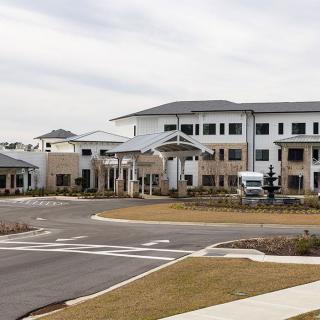
Watercrest Myrtle Beach in Myrtle Beach, SC offers exceptional memory care for seniors in a beautiful and comfortable environment. Our community provides a wide range of amenities to make our residents feel at home, including a beauty salon for pampering, cable or satellite TV for entertainment, and fully furnished apartments for convenience.

Residents have access to a spacious dining room where they can enjoy delicious meals prepared by our skilled staff in a restaurant-style setting. We also provide housekeeping services to ensure that our residents can focus on enjoying their time with us.

Located close to restaurants and shopping centers, Watercrest Myrtle Beach offers convenient access to the local community and all it has to offer. Our outdoor space provides a tranquil setting where residents can relax and enjoy the beautiful surroundings.

Private bathrooms are available in each apartment, providing privacy and comfort. Our community also features a spa and swimming pool for relaxation and therapy purposes. Residents have access to telephone services as well as Wi-Fi/high-speed internet to stay connected with loved ones.

Our dedicated staff provides 24-hour supervision and assistance with activities of daily living such as bathing, dressing, and transfers. We coordinate with health care providers to ensure that our residents receive the best care possible.

Watercrest Myrtle Beach offers specialized memory care programming tailored to the needs of individuals with cognitive impairments, including mild cognitive impairment and dementia. We also provide medication management services to ensure that medications are taken correctly.

Transportation arrangement is available for medical needs as well as transportation to doctors' appointments. Specialized diets such as diabetes diet or special dietary restrictions are accommodated by our staff.

We offer resident-run activities as well as scheduled daily activities to promote mental wellness and socialization among our residents. Nearby amenities include cafes, parks, pharmacies, physicians' offices, restaurants, and hospitals.

At Watercrest Myrtle Beach, we are dedicated to providing exceptional care while promoting independence and maintaining dignity for each of our residents.

Videos

Nearby Places of Interest

Parks

  • Barc Parc North (0.3 miles)

Restaurants

  • Luigi's Trattoria (0.7 miles)
  • Kirk's Ice Cream Parlor (0.8 miles)
  • Carrabba's Italian Grill (0.9 miles)
  • Fiesta Mexicana (1 miles)
  • Ciao Italian Restaurant (1.2 miles)
  • Early Riser Diner (1.3 miles)
  • River City Cafe (1.4 miles)

Pharmacies

  • CVS Pharmacy (0.8 miles)
  • Walgreens (1.5 miles)
  • CVS Pharmacy (1.9 miles)
  • CVS Pharmacy (2 miles)
  • Walgreens (2.1 miles)
  • CVS Pharmacy (3.9 miles)
  • Walmart Pharmacy (4.9 miles)

Hospitals

  • Coastal Lice Center (1.3 miles)
  • Grand Strand Regional Labor & Delivery Ward (1.6 miles)
  • Myrtle Beach Hospital (1.6 miles)
  • DaVita Myrtle Beach Dialysis (1.8 miles)

Physicians

  • Southeast Medical Associates (1.3 miles)
  • Coastal Interventional Pain (1.4 miles)
  • Carolina Forest Imaging Center (1.4 miles)
  • Carolina Health Specialists (1.4 miles)
  • Little River Medical Center (1.4 miles)
  • CMC Primary Care Towne (1.5 miles)
  • Elite Pain Management (1.5 miles)

Cafes

  • Starbucks (1.4 miles)
  • Starbucks (1.6 miles)
  • Earth Cafe (2.1 miles)

Frequently Asked Questions

Where is Watercrest Myrtle Beach?
Does Watercrest Myrtle Beach provide care for residents with dementia or Alzheimer's disease?
What photos are available for Watercrest Myrtle Beach in Myrtle Beach, South Carolina?

Nearby Communities

  • Del Webb Myrtle Beach

    Del Webb Myrtle Beach

    Myrtle, SC

    4.5 from 98 reviews
    $5,370 to $5,970 / month

    pro Intimate, small-community setting with meals and medication management.

  • Waterside Pointe

    Waterside Pointe

    Myrtle, SC

    4.5 from 19 reviews
     

    pro Intimate 6-resident community with personalized care and nearby amenities.

  • Magnolias of Myrtle Beach

    Magnolias of Myrtle Beach

    Myrtle Beach, SC

    4 from 117 reviews
    $2,500 to $3,100 / month

    pro Compassionate staff and help with VA benefits; pleasant environment and convenient location.

  • Covenant Towers

    Covenant Towers

    Myrtle Beach, SC

    3.9 from 13 reviews
     

    pro Friendly community with spacious, well-equipped apartments and attentive staff.

  • Brightwater Assisted Living

    Brightwater Assisted Living

    Myrtle Beach, SC

    4.8 from 127 reviews
     

    pro Compassionate staff in a welcoming, activity-filled community.

  • The Retreat At Brightwater

    The Retreat At Brightwater

    Myrtle Beach, SC

    4.8 from 100 reviews
     

    pro Comprehensive amenities and 24/7 care

  • Portside at Grande Dunes

    Portside at Grande Dunes

    Myrtle Beach, SC

    4.6 from 168 reviews
    $2,499 to $5,700 / month

    pro Beautiful, well-maintained facility with friendly staff and ample amenities.

  • TerraBella Myrtle Beach

    TerraBella Myrtle Beach

    Myrtle Beach, SC

    4.4 from 103 reviews
    $2,620 to $3,510 / month

    pro Good value for money with extensive on-site amenities.

  • Myrtle Beach Manor

    Myrtle Beach Manor

    Myrtle Beach, SC

    3.9 from 142 reviews
    $2,975 to $4,590 / month

    pro Renovated, clean facility with friendly staff and attractive outdoor spaces.

Assisted Living in Nearby Cities

Related Resources

  • assisted living vs memory careAssisted Living and Memory Care: Understanding Their Core Differences

    Assisted living provides moderate support for seniors seeking independence, while memory care offers specialized support for individuals with dementia or cognitive impairments through structured routines and trained staff. Key differences include care approaches, environment security measures, staff training levels, activity types, and cost considerations.

  • assisted living vs nursing homeChoosing the Right Senior Care: A Detailed Exploration of Assisted Living and Nursing Homes

    Choosing between assisted living and nursing homes involves evaluating emotional and financial factors, with assisted living offering independence and support for daily activities at a lower cost, while nursing homes provide intensive medical care for individuals with significant health needs. The decision is influenced by personal preferences, health status, cognitive function, and varying Medicaid coverage across states.

  • how to prevent memory loss in old ageSafeguarding Your Memory Through the Golden Years: Eight Ways to Preserve Cognitive Health
    The article presents eight strategies for preserving cognitive health and memory in older adults, emphasizing a nutrient-rich diet, regular exercise, intellectually stimulating activities, adequate sleep, social connections, stress management techniques, limiting harmful substances, and regular medical checkups to mitigate age-related memory decline.