
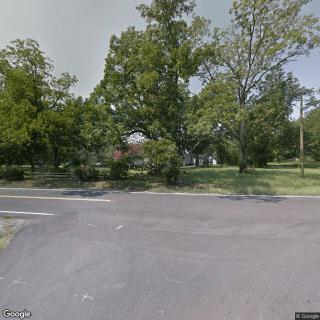
1018 Crystal Clear Lane, Hopkins, SC 29061
To contact a resident: (803) 776-1742
For more information about senior living options: (866) 208-4318
Overall Review of Lemonaide House
Cons
 The place is run by two crooks.
- They underpay and spy on staff.
- The trailer is run down.
- People should not send their families there.
Review
Lemonaide House in Hopkins, SC is best suited for seniors on a tight budget who can tolerate uncertainty in governance and facility condition, with family or trusted advocates prepared to stay deeply involved. This community does not position itself as a premium option; its appeal rests more on price and location than on reliable, transparent care practices. It will work for residents who are largely independent and require minimal hands-on assistance, provided a family caregiver coordinates outside services and remains vigilant about daily routines. For anyone relying on consistent staffing, ethical management, and a well-maintained living environment, this is not the default choice. The real value lies in cost reduction, but only when there is a clear plan for supervision and a readiness to pivot if care needs escalate.
Alternatives are worth considering for families who expect governance to be above reproach and care to be consistently reliable. If the objective is predictable daily support and a facility that demonstrates transparent leadership, this option should not be the first stop. Seniors with higher care needs, medication management, mobility assistance, or memory care, should look toward communities with documented staffing ratios, regular inspections, and proactive problem-solving cultures. For those who prize modern spaces and professional administration, there are options better aligned with those expectations. Even within budget-friendly tiers, there are facilities that balance affordability with stronger governance and clearer resident protections; Lemonaide House sits at the opposite end of that spectrum.
The lone positive rating suggests there may be individual strengths, perhaps affordability, a favorable location, or a small, neighborly feel, but the absence of concrete, shareable benefits makes those positives unreliable as a counterweight to the red flags. The negative feedback is pointed: allegations that management underpays staff and closely monitors their behavior; a trailer that appears worn, signaling inadequate upkeep. Taken together, these issues erode trust in daily operations and safety. The slim upside, whatever it may be, does not reliably offset pronounced concerns about ethical leadership and the physical condition of the core living spaces. Families cannot count on consistent quality without substantial, verifiable safeguards.
To evaluate seriously, prospective residents and their families should demand hard data and concrete safeguards. Request current licensing status and the latest inspection reports, plus a transparent staffing plan that shows nurse or aide presence by shift and caregiver qualifications. Observe a tour with questions about turnover rates, training, supervision, and how grievances are handled. Insist on access to maintenance logs, facility repairs, and safety checks for the trailer and common areas. Seek a formal agreement that limits liability for family members, codifies a responsive complaint process, and includes a defined transition plan should care needs intensify or standards fail to meet expectations.
This is a risk-forward calculus. The primary cons, suspected unethical management practices, underpayment of staff, intrusive monitoring, and a run-down physical plant, pose ongoing threats to care quality and resident safety. The potential advantage lies in cost savings and possibly a tighter-knit community if supervision is maximized by family oversight and external contractors. Still, those advantages hinge on exceedingly vigilant governance; without verifiable improvements and independent checks, the advantages evaporate in favor of avoidable stress and relocation costs. For families with any doubt, the safer path is to prioritize facilities with established reputations for ethical leadership and measurable care standards, even if that means paying a bit more upfront.
In sum, Lemonaide House is a niche option rather than a robust recommendation. It may serve a budget-conscious segment of the market where an active family can supervise care and insist on improvements. For most seniors, especially those needing dependable staffing, safe, well-maintained spaces, and transparent management, alternatives with stronger governance and better facilities are the prudent path. If this option is pursued, approach with a precise plan: set guardrails, scheduled reviews, and a concrete exit strategy should care quality slip. The decision should be driven by a clear risk assessment, not by price alone.
 15 resident community capacity
 Assisted Living
 Board and Care Home
 Memory Care
 Cable or satellite TV
 Dining room
 Fully furnished
 Garden
 Housekeeping services
 Move-in coordination
 Outdoor space
 Telephone
 Wi-Fi/high-speed internet available
 Columbia Metropolitan (17 miles away)
 24-hour supervision
 Activities of daily living assistance
 Assistance with bathing
 Assistance with dressing
 Assistance with transfers
 Diabetes diet
 Hospice waiver
 Meal preparation and service
 Medication management
 Mental wellness program
 Special dietary restrictions
 Transportation arrangement (medical)
 Transportation to doctors appointments
 Intimate 26-bed setting with 24/7 supervision and comprehensive care.





 How and When Medicaid May Cover Assisted Living Costs
 A Detailed Exploration of Assisted Living Medicaid Waivers Across the United States
 Exploring the Contrasts Between Assisted Living and Skilled Nursing