

2 Big Oak Street, Hilton Head Island, SC 29926
To contact a resident: (843) 837-3041
For more information about senior living options: (866) 208-4318
Overall Review of Home Helpers
Pros
 The family was grateful for the gentle and professional support offered by Home Helpers to their father and family.
- Home Helpers, in cooperation with a local hospice, provided the care their father needed.
- The caregiver assisted the family with changing, dressing, and moving him as he approached the end of life.
- The family felt they would not have known what to do without Home Helpers' assistance.
- They would recommend Home Helpers and their staff.
Cons
 The service was described as not inexpensive to use.
- Home Helpers allegedly did not assist him, resulting in bed sores and severely poor circulation in his legs, especially the left.
- A house meeting with three staff members led to a recommendation that the husband be moved to a skilled nursing facility for better rehab, a suggestion the reviewer viewed as inadequate.
- The discharge scheduling was mishandled due to an oversight of the calendar.
- Home Helpers stopped caring for him, leaving him bedridden 24/7 and with worsening leg circulation.
- After three visits to Savannah Memorial, the husband faced amputation of two toes on his right foot.
- The reviewer advises others not to recommend Home Helpers.
Review
Home Helpers on Hilton Head Island is best suited for families seeking in-home, end-of-life support that leans on gentle daily care and a hospice partnership to keep a loved one comfortable in familiar surroundings. The core appeal is compassionate assistance with routine tasks, safe transfers, dressing, and positioning within a quiet, home-like setting. This provider can offer steady companionship and practical hands-on help that relieves family members who cannot be constantly present, while coordinating with hospice to address comfort needs as a life-limiting condition progresses.
Those weighing alternatives should consider whether the primary goal is ongoing palliative support in a home setting or a more structured rehab pathway that requires aggressive mobility work and rapid escalation if medical needs intensify. For families facing significant rehab goals, high risk for pressure injuries, or a requirement for continuous professional oversight and medically oriented management, a skilled nursing facility or a larger, more resource-rich home health agency may deliver more consistent coverage and stronger protocols. In short, if mobility, turning schedules, and proactive complication prevention are non-negotiable, explore options beyond a small, home-based provider.
The strongest positives here are the warmth and professionalism of the staff, and the ability to work in harmony with local hospice to deliver comfort-focused care. When caregivers are attentive, patient, and respectful, they provide essential relief for families during stressful times, offering reassurance that a loved one is attended to with dignity. That emotional and practical support can meaningfully ease end-of-life moments, easing transitions for both the patient and the family. The alignment with hospice can also help ensure symptom control and a consistent approach to comfort, which matters greatly as conditions change.
However, the most serious concerns in these accounts center on mobility and there is a clear risk of preventable complications when daily assistance does not meet essential needs. In one review, a lapse in turning and repositioning, coupled with insufficient assistance with bed transfers, correlated with poor circulation and the emergence of bed sores. The implication is that without meticulous attention to turning schedules, seating, and toileting support, staff may be unable to prevent decline in mobility or sustain skin integrity. When mobility support falters, the overall value of in-home hospice-aligned care diminishes sharply, because comfort alone cannot compensate for avoidable complications or missed opportunities for timely rehab strategies.
Another red flag is the way care decisions were communicated and managed. A once-private, in-home care situation unfolded with unexpected recommendations to transfer to a skilled nursing facility, and then a sense that the provider disengaged from the patient’s ongoing care. The combination of abrupt care-model shifts, questions about eligibility timelines, and a dissolution of service after a critical decline creates a real risk for families: gaps in care, sudden transitions, and a perception of insufficient advocacy during a fragile period. These dynamics undermine confidence that the agency will sustain a steady, proactive plan when the situation demands steady oversight and clear communication.
When evaluating Home Helpers, families should demand concrete assurances: a documented care plan with specific turning protocols, pressure injury prevention measures, and metrics for mobility goals; clear staffing schedules and backup coverage; direct coordination with hospice, physicians, and family to avoid miscommunications; and a transparent, written cost structure with escalation steps for disputes or gaps in service. Request references from similar cases, and probe for the agency’s capacity to handle urgent changes, rapid discharges, or transitions to higher levels of care. The right contract will spell out responsibilities, response times, and accountability, so that care continuity is safeguarded even under complex, evolving needs.
In sum, Home Helpers offers a compassionate, hospice-informed in-home option that can deliver meaningful comfort and relieve family burdens when end-of-life needs are the primary focus. Yet the downsides highlighted, risks around mobility support, potential gaps in care, and unsettling experiences around transitions, mean that this provider may not meet every family’s safety and rehab expectations. For households prioritizing consistent mobility management and proactive, continuous oversight, exploring alternatives, including skilled nursing settings or more expansive home health programs, is a prudent course. The right choice hinges on balancing the desire for home-based comfort with the imperative to prevent avoidable decline and ensure reliable, coordinated care.
 Savannah International (25 miles away)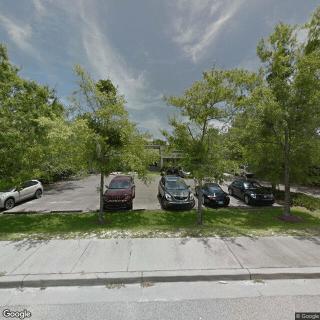







 Understanding the Full Cost of 24/7 In-Home Care: A Detailed Overview
 Exploring the World of Home Health Nurses: Qualifications, Roles, and Hiring Tips
 Navigating Medicare Coverage for In-Home Care Services