
Bloom At Hilton Head in Hilton Head Island, SC

Save

Bloom At Hilton Head in Hilton Head Island, SC

35 Beach City Road, Hilton Head Island, SC 29926

For more information about senior living options: (844) 490-3973

4.3 from 26 reviews
5 stars
20
4 stars
1
3 stars
1
2 stars
0
1 stars
4

Assisted Living Memory Care Respite Care

Bloom At Hilton Head Costs & Pricing

Bloom At Hilton Head offers competitive pricing for its various room types, each reflecting a thoughtful balance of quality and affordability. For instance, monthly rates for studios at Bloom are set at $3,200, which is considerably lower than both the county average of $3,635 and the state average of $3,649. Similarly, the 1-bedroom units are priced at $3,600, offering a more attractive option compared to Beaufort County's $4,011 and South Carolina's average of $3,806. The semi-private rooms at Bloom fall in line with the regional landscape at $3,950 but still provide exceptional value against Beaufort County's pricing of $3,773 and South Carolina's significantly lower rate of $3,243. In contrast, the 2-bedroom accommodations are positioned higher at $6,400; however, they remain above county rates of $4,530 and state averages of $4,337. Overall, Bloom At Hilton Head presents an appealing choice for those seeking quality senior living options in a vibrant community while navigating costs that compare favorably within local and state parameters.

Floor plansBloom At Hilton HeadBeaufort CountySouth Carolina
Studio$3,200$3,635$3,649
1 Bedroom$3,600$4,011$3,806
Semi-Private$3,950$3,773$3,243
2 Bedrooms$6,400$4,530$4,337

What level of care are you interested in?

Assisted Living

Memory Care

Independent Living

Skilled Nursing Facility

Continuing Care Retirement Community (CCRC)CCRC

Other


Request a tour at Bloom At Hilton Head

    Overall Review of Bloom At Hilton Head

    Pros

    • pro The Pines is a great assisted living and memory care community at Hilton Head; it is very clean, friendly, and active.
    • pro The staff at The Pines are excellent and dedicated.
    • pro The Pines offers a fun community with a variety of activities, including cooking classes, happy hour, and live music.
    • pro Steve is praised for going above and beyond to help families and for being consistently responsive and encouraging.
    • pro The Pines provides a warm, family-like atmosphere with friendly, welcoming residents.
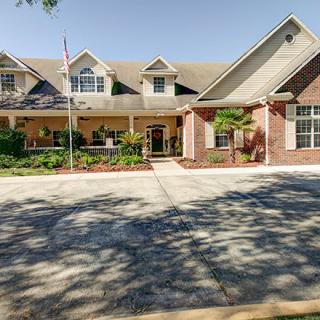
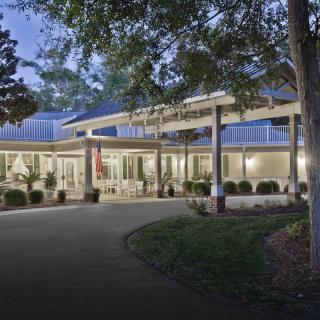
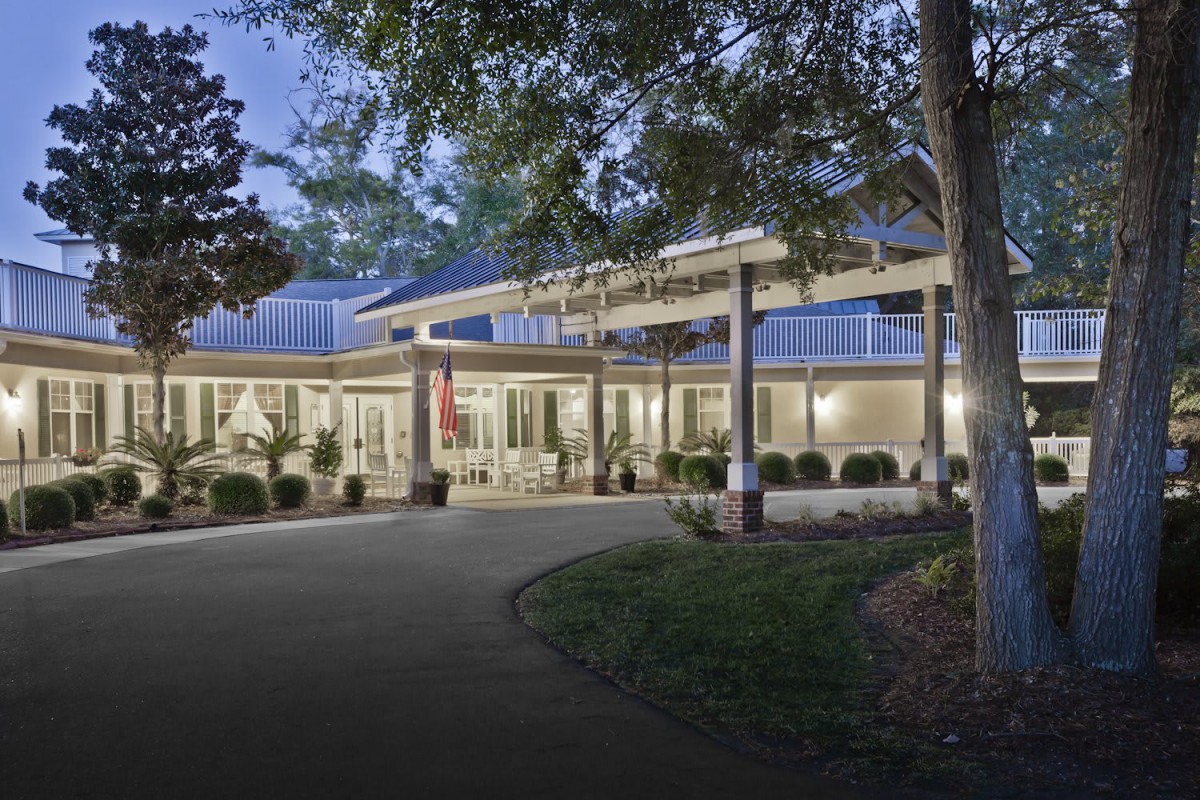
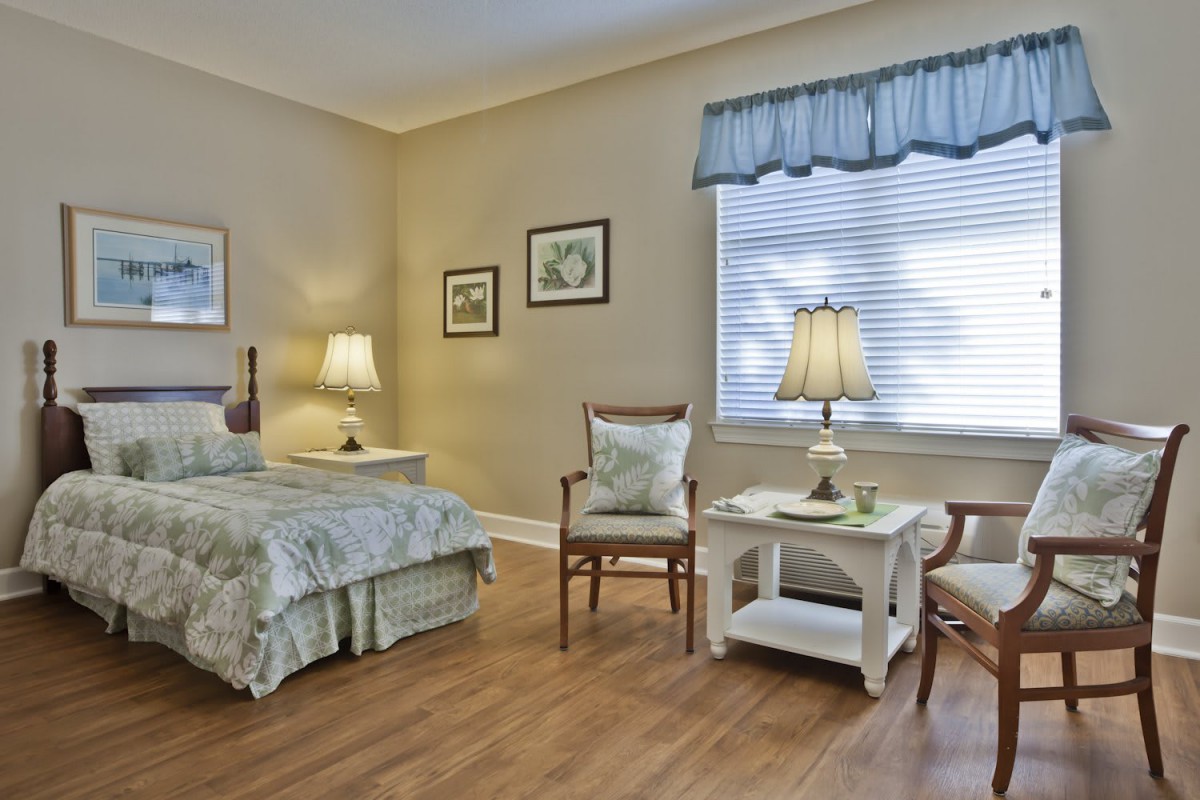
    • pro The Bloom at Hilton Head is a beautiful, well-managed facility with spacious rooms and a variety of services.
    • pro The Bloom staff are friendly, patient, and attentive, helping residents participate in activities and feel safe and cared for.

    Cons

    • pro The door goes unanswered after four rings and there is no one at the front desk.
    • pro Three nurses are observed outside while no staff respond inside.
    • pro The facility is described as normally short-staffed with little opportunity for individual assistance.
    • pro The environment is likened to an institution rather than a true care facility.
    • pro There are bed bugs on the assisted living side and furniture reportedly holds feces and urine.
    • pro The memory unit is a maze of long hallways that makes it hard for staff to monitor residents.
    • pro They warn others not to move a loved one there.

    Review

    Bloom At Hilton Head is best suited for families seeking a warm, intimate retirement community where memory care and assisted living are delivered with a personal touch. The layout and staffing pattern favor a small-campus feel, meaningful interaction with caregivers, and an active calendar of on-site programming. Residents who value direct, ongoing access to a caregiver and a sense of "family" will find this environment particularly supportive. Those whose top priority is flawless memory-care oversight, airtight cleanliness, and relentless responsiveness should consider alternatives, as some reviews point to persistent gaps in those exact areas.

    Operational strengths show up in the long-tenured caregiving teams, visible enthusiasm from staff, and robust activity options. Comments praise the friendliness of residents, the quality of meals with choices, and the breadth of on-site services such as hairdressing, podiatry, physical therapy, and routine outings. New ownership has begun renovating the building, signaling a commitment to improvement, while families note that care teams genuinely attend to residents with warmth and attentiveness. For families needing respite placement or help during transitions, the facility has successfully offered temporary housing options that align with medical coordination through partners like the South Carolina Housecalls group.

    However, significant concerns recur in reviews of the memory-care area and, to a lesser extent, the assisted-living side. Reports describe insufficient staffing leading to delayed responses at the door, limited one-on-one assistance, and routine turnover among nurses and emergency staff. Some accounts highlight a maze-like memory-unit layout that complicates supervision and may raise safety risks for wandering residents. Odors in certain hallways and credible claims of bed bugs and soiled furniture on the assisted-living side have raised questions about cleanliness and pest control. These issues are not universal, but they are persistent enough to demand careful scrutiny.

    Pros in bloom can offset many downsides for families who prioritize continuity of care and daily engagement. The small-scale, family-forward atmosphere helps staff know residents well, enabling personalized attention that often translates into calmer mornings and smoother routines. The combination of direct-pay billing options, a la carte in-house services, and easy access to affiliated medical care creates a convenient care spine that supports families managing multiple moving parts. Ongoing renovations signal a plan to address physical deficiencies, which can translate into a more reassuring environment over time. When the staff is stable and communicative, the positives can dramatically outweigh the concerns.

    Practical due diligence is essential before making a placement decision. Request current staffing rosters for the memory-care unit, and ask how turnover has trended in the last year plus what contingency plans exist for caregiver coverage. Tour the memory wing with a critical eye toward supervision, safety features, and cleanliness; probe the director about pest-control records and any recent remediation. Clarify billing practices, including automatic payment options and how direct-pay arrangements are handled, to prevent billing friction. Inquire about respite availability, the breadth of on-site therapies, and the coordination with medical providers - especially since a partner medical group is referenced - which can shape care continuity after a move.

    Bottom line: Bloom At Hilton Head delivers a caring, activity-rich environment that many families will find deeply reassuring, particularly when staff know residents well and the operation runs with a resident-first cadence. It stands out for its warmth, program variety, and ongoing renovations, and for families seeking a smaller, community-oriented setting. Yet potential residents must weigh memory-care reliability and cleanliness against those strengths; if those concerns loom large, exploring other options with stronger, more consistently staffed memory-care oversight is prudent. The right choice hinges on balancing the need for daily companionship with the assurance of consistent, high-quality supervision.

    Features

    Housing

    • 72 resident community capacity 72 resident community capacity

    Types of Care

    • Assisted Living Assisted LivingAssisted living facilities provide crucial support and care for seniors who may need help with daily tasks such as medication management, bathing, and meal preparation. These communities offer a safe and comfortable environment where seniors can maintain their independence while receiving the assistance they need to thrive in their golden years.
    • Memory Care Memory CareMemory care is crucial for seniors as it provides specialized support and services for individuals with dementia or Alzheimer's disease. These programs offer a safe and secure environment where residents receive personalized care, cognitive stimulation, and help with daily activities. Memory care helps seniors maintain their independence, quality of life, and dignity while also providing peace of mind for their families.
    • Respite Care Respite CareRespite care provides temporary relief for caregivers, allowing them to recharge and attend to their own needs. It also gives seniors the opportunity to socialize, receive professional care, and experience a change of scenery, promoting overall well-being and reducing feelings of isolation.

    Pets

    • Cats allowed Cats allowed"Pet friendly" senior living communities are important for seniors because pets provide companionship, reduce feelings of loneliness and depression, promote physical activity and mental stimulation, and offer a sense of purpose and responsibility. Pets can improve overall well-being and quality of life for seniors in many ways.
    • Dogs allowed Dogs allowed"Pet friendly" senior living communities are important for seniors because pets provide companionship, reduce feelings of loneliness and depression, promote physical activity and mental stimulation, and offer a sense of purpose and responsibility. Pets can improve overall well-being and quality of life for seniors in many ways.

    Amenities

    • Activities off-site Activities off-siteEngaging in off-site activities is crucial for seniors to maintain social connections, stay active, and stimulate their minds. It promotes overall well-being and helps combat feelings of isolation and loneliness.
    • Activities on-site Activities on-siteActivities on-site are important for seniors because they provide opportunities for socialization, mental stimulation, physical activity, and overall well-being. Engaging in activities can help seniors stay active, maintain their independence, and improve their quality of life.
    • Air-conditioning Air-conditioningAir conditioning is important for seniors as they are more vulnerable to heat-related illnesses and may have underlying health conditions that make it difficult for them to regulate their body temperature. It helps to keep them comfortable, safe, and healthy in hot weather.
    • Beautician on-site Beautician on-siteHaving a beautician on-site at a senior living community is important for seniors as it allows them to easily access grooming and personal care services, boosting their self-esteem and overall well-being. It also provides convenience and helps seniors maintain their sense of independence and personal style.
    • Beauty salon Beauty salonBeauty salons are important for seniors because they provide a space for them to feel pampered, socialize, and maintain their personal grooming and hygiene. Regular visits to a beauty salon can help boost seniors' self-esteem and overall well-being.
    • Cable or satellite TV Cable or satellite TVCable or satellite TV is important for seniors because it provides entertainment, news, and companionship, helping to combat loneliness and boredom. It also offers a wide range of programming options tailored to different interests and preferences.
    • Computer center Computer centerA computer center is essential for seniors as it provides access to technology, communication tools, and resources that can enhance their daily lives. It allows them to stay connected with loved ones, engage in online activities, and learn new skills, ultimately promoting socialization and mental stimulation.
    • Devotional services off-site Devotional services off-siteDevotional services off-site are important for seniors as they provide spiritual nourishment, social engagement, and a sense of community outside of the senior living facility. This can enhance overall well-being and help combat feelings of isolation and loneliness often experienced by older adults.
    • Devotional services on-site Devotional services on-siteDevotional services on-site provide seniors with spiritual support and a sense of community, as well as an opportunity for reflection and guidance during their senior living experience. This can promote emotional well-being and connection to others, leading to a more fulfilling and enriching lifestyle in their later years.
    • Dining room Dining roomDining rooms are important for seniors as they provide a space for socialization, connection, and nutritious meals. They offer opportunities for residents to bond over shared meals, foster a sense of community, and promote healthy eating habits. Dining rooms also ensure that seniors have access to well-balanced meals tailored to their dietary needs and preferences.
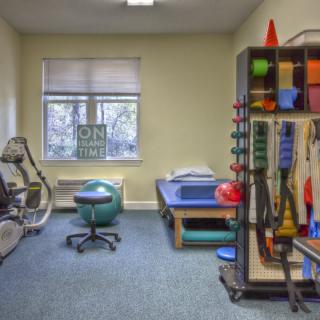
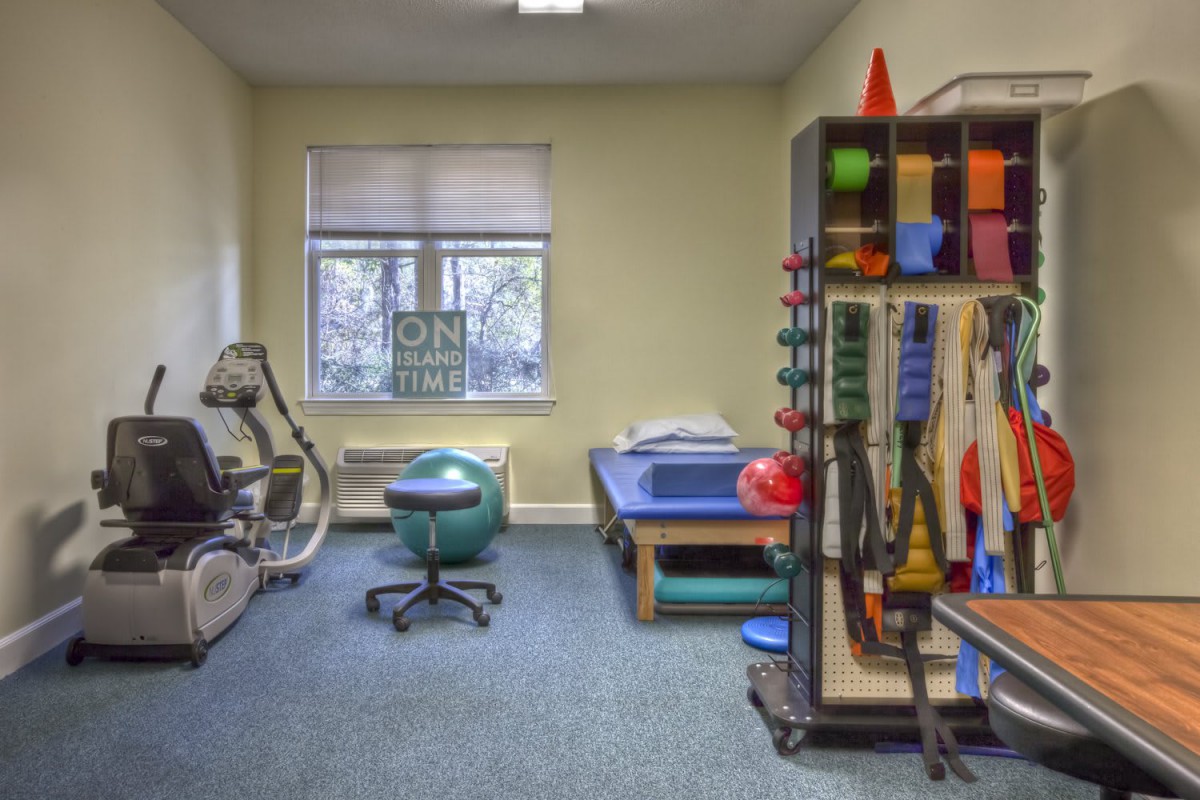
    • Fitness room Fitness roomHaving a fitness room in a senior living community is essential for seniors to stay active, maintain their physical health, and improve their overall well-being. Regular exercise can help prevent falls, reduce the risk of chronic diseases, and promote mental sharpness. It also provides social opportunities for residents to connect with others and enjoy a sense of community.
    • Fully furnished Fully furnishedFully furnished senior living communities are important for seniors because they provide convenience, comfort, and a hassle-free moving experience. Seniors can easily settle into their new living space without the stress of having to buy and move furniture. This allows them to focus on enjoying their new home and community.
    • Gaming room Gaming roomGaming rooms are important for seniors as they provide a fun and engaging environment for socializing, cognitive stimulation, and physical activity. Games can improve memory, problem-solving skills, and overall mental well-being while fostering friendships and reducing feelings of isolation.
    • Garden GardenGardens are important for seniors as they provide a peaceful and therapeutic environment for relaxation, physical activity, and socialization. Being in nature has been shown to reduce stress, improve mood, and promote overall well-being. Gardens also offer opportunities for seniors to engage in gardening activities, which can improve mobility, flexibility, and cognitive function. Additionally, gardens create a sense of community and connection with others who share a passion for plants and outdoor spaces.
    • Ground floor units Ground floor unitsGround floor units are important for seniors because they provide easy accessibility, reduced risk of falls and injuries, and convenience for those with mobility issues. Seniors can avoid climbing stairs or using elevators, making daily tasks and activities more manageable and enjoyable.
    • Housekeeping services Housekeeping servicesHousekeeping services are important for seniors because they help maintain a clean and safe living environment, promote independence, and reduce the risk of accidents or illnesses. Additionally, having assistance with household chores can alleviate physical strain and allow seniors to focus on other aspects of their well-being.
    • Indoor common areas Indoor common areasIndoor common areas are crucial for seniors as they provide a space for socialization, recreation, and community engagement, promoting overall well-being and reducing feelings of isolation and loneliness.
    • Kitchenette KitchenetteKitchenettes are important for seniors living in senior living communities because they provide the convenience and independence of being able to prepare simple meals and snacks in the comfort of their own living space. This can help promote a sense of autonomy and well-being for seniors, allowing them to maintain some level of control over their dietary choices and daily routines.
    • Move-in coordination Move-in coordinationMove-in coordination is important for seniors because it helps ease the transition into their new living environment. It ensures that all logistics, such as packing, organizing movers, and setting up utilities are taken care of, allowing seniors to focus on settling in and adjusting to their new home. Having a smooth move-in process can alleviate stress and anxiety, making the transition smoother and more enjoyable for seniors.
    • Outdoor common areas Outdoor common areasOutdoor common areas are important for seniors as they provide a space for socialization, physical activity, and relaxation. Being outside in nature can improve mood and overall well-being, while also encouraging movement and engagement with others. These spaces can help combat feelings of isolation and promote a sense of community among residents.
    • Outdoor space Outdoor spaceOutdoor spaces are important for seniors as they provide opportunities for physical activity, social interaction, exposure to natural light and fresh air, and a sense of connection to nature. Having access to outdoor spaces can improve overall well-being and quality of life for older adults living in senior communities.
    • Private bathrooms Private bathroomsPrivate bathrooms are important for seniors in senior living communities because they provide independence, dignity, and comfort. Having a private bathroom allows seniors to maintain their personal hygiene routines without the need for assistance, promoting a sense of autonomy and privacy. Additionally, private bathrooms help prevent the spread of infections and provide a safe and clean environment for seniors to navigate safely.
    • Respite or short term stays offered Respite or short term stays offeredRespite or short term stays provide seniors with a temporary solution when their regular caregiver is unavailable, offering them the opportunity to receive additional care and support during times of need, while also giving caregivers a chance to rest and recharge.
    • Restaurant-style dining Restaurant-style diningRestaurant-style dining is important for seniors because it allows them to enjoy delicious, nutritious meals in a social and upscale setting. This enhances their dining experience, promotes healthy eating habits, and fosters socialization with fellow residents, ultimately contributing to their overall well-being and quality of life.
    • Small library Small librarySmall libraries are important for seniors as they provide access to a variety of reading materials, including books, newspapers, and magazines. This can help stimulate their minds, keep them engaged, and provide a sense of community through book clubs and other social activities. Additionally, reading has been shown to improve cognitive function and overall mental well-being in older adults.
    • Telephone TelephoneTelephones are important for seniors as they provide a lifeline for communication with loved ones, emergency services, and healthcare providers. They offer a sense of security and independence, enabling seniors to stay connected and access assistance when needed.
    • Wellness center Wellness centerWellness centers are important for seniors because they offer a variety of programs and services that promote physical, mental, and emotional well-being. These centers provide opportunities for exercise, socialization, education, and relaxation, helping seniors maintain their overall health and quality of life.
    • Wheelchair accessible showers Wheelchair accessible showersWheelchair accessible showers are crucial for seniors as they provide a safe and independent bathing option for those with mobility challenges. These showers help prevent falls and allow seniors to maintain their dignity and autonomy while ensuring they can bathe comfortably.
    • Wi-Fi/high-speed internet available Wi-Fi/high-speed internet availableWi-Fi/high-speed internet is important for seniors to stay connected with loved ones, access online resources, and participate in virtual activities to combat feelings of loneliness and isolation. It also allows them to easily manage healthcare needs, access entertainment, and engage in lifelong learning opportunities.

    Transportation

    • Community operated transportation Community operated transportationCommunity operated transportation is crucial for seniors as it provides them with the means to access essential services, social activities, and medical appointments. It allows seniors to maintain their independence and quality of life by ensuring they can participate in activities outside of their homes. Additionally, community-operated transportation services offer a safe and reliable way for seniors to travel without having to rely on family or friends for assistance.
    • Transportation arrangement Transportation arrangementTransportation arrangements are crucial for seniors as they may face challenges with driving, mobility, or access to public transportation. Having reliable transportation services ensures that seniors can easily attend appointments, social activities, and maintain their independence and quality of life.
    • Transportation arrangement (non-medical) Transportation arrangement (non-medical)Transportation arrangements are essential for seniors as they provide access to essential services, activities, and social interactions outside the home. This service helps maintain independence, mobility, and overall well-being for seniors who may have limited transportation options.
    • Transportation to doctors appointments Transportation to doctors appointmentsTransportation to doctors appointments is crucial for seniors as it ensures they have access to necessary medical care and support, promoting their health and well-being. It allows them to receive timely treatment, monitor existing conditions, and address any new health concerns efficiently. Additionally, transportation services can help seniors maintain their independence and quality of life by enabling them to stay connected with their healthcare providers.

    Care Services

    • 12-16 hour nursing 12-16 hour nursing12-16 hour nursing care is crucial for seniors in order to ensure around-the-clock monitoring, timely medication administration, and prompt response to any health concerns or emergencies. This level of care helps to promote the overall well-being and safety of seniors living in senior living communities.
    • 24-hour call system 24-hour call system24-hour call systems are important for seniors because they provide peace of mind and immediate assistance in case of emergencies. This technology ensures that help is always available, promoting safety and security for elderly individuals living alone or in assisted living facilities.
    • 24-hour supervision 24-hour supervision24-hour supervision is important for seniors to ensure their safety, well-being, and access to immediate assistance in case of emergencies or health issues. This constant support provides peace of mind for both seniors and their loved ones, allowing them to age in place with dignity and security.
    • Activities of daily living assistance Activities of daily living assistanceActivities of daily living assistance are important for seniors because they provide essential support with tasks such as eating, bathing, dressing, and mobility. This assistance helps seniors maintain their independence, dignity, and overall quality of life as they age.
    • Ambulatory care Ambulatory care"Ambulatory care services provide essential medical support and treatment to seniors without requiring hospitalization, allowing them to maintain their independence and quality of life while managing chronic conditions or receiving routine medical care."
    • Assistance with bathing Assistance with bathingAssistance with bathing is crucial for seniors as it helps maintain personal hygiene, prevents infections, and ensures their overall well-being and comfort. It also provides a sense of dignity and independence for seniors who may struggle with this task on their own.
    • Assistance with dressing Assistance with dressingAssistance with dressing is important for seniors because it helps maintain their independence, promotes personal hygiene, prevents accidents and injuries, and improves overall quality of life. This service ensures that seniors can continue to dress comfortably and confidently, despite any physical limitations they may have.
    • Assistance with transfers Assistance with transfersAssistance with transfers is crucial for seniors as it helps prevent falls and injuries, maintains their independence, and ensures they can safely navigate their living environment. It also provides peace of mind for both seniors and their loved ones.
    • Diabetes diet Diabetes dietA diabetes diet is crucial for seniors as it helps manage blood sugar levels, reduce risks of complications, and improve overall health and well-being. By following a balanced and nutritious diet tailored to their specific needs, seniors can better control their diabetes and enhance their quality of life.
    • Diabetic care Diabetic careDiabetic care is crucial for seniors as they are more susceptible to developing diabetes due to aging and other health conditions. Proper management of diabetes can help prevent complications such as heart disease, vision loss, and nerve damage, improving the overall quality of life for seniors in senior living communities.
    • Incontinence care Incontinence careIncontinence care is essential for seniors to maintain their dignity, hygiene, and overall quality of life. By addressing incontinence issues promptly and effectively, seniors can enjoy a sense of independence and comfort in their daily activities.
    • Meal preparation and service Meal preparation and serviceMeal preparation and service are crucial for seniors as they may have limited mobility or energy to cook nutritious meals. Having access to healthy and convenient food options can ensure they are getting the proper nutrition needed to maintain their overall health and well-being.
    • Medication management Medication managementMedication management is crucial for seniors to ensure they are taking the right medications at the correct dosages and times. This helps prevent adverse drug interactions, reduces the risk of medication errors, and promotes overall health and well-being. Proactive management also allows for adjustments as needed based on changing health conditions or new prescriptions.
    • Mental wellness program Mental wellness programMental wellness programs are essential for seniors as they promote cognitive stimulation, emotional support, and social engagement. These programs help prevent isolation, depression, and cognitive decline, ultimately enhancing the overall quality of life for older adults.
    • Mild cognitive impairment Mild cognitive impairment"Mild cognitive impairment" is important for seniors because it is an early stage of cognitive decline that can potentially progress to more severe conditions such as dementia. Recognizing and addressing mild cognitive impairment can help seniors receive appropriate care and support to maintain their quality of life and independence for as long as possible.
    • Special dietary restrictions Special dietary restrictionsSpecial dietary restrictions are important for seniors because age-related changes in metabolism and health conditions can make it difficult for their bodies to process certain foods. By following a diet tailored to their specific needs, seniors can maintain their overall health and well-being, manage chronic conditions, and reduce the risk of complications such as malnutrition or food interactions with medications.
    • Specialized memory care programming Specialized memory care programmingSpecialized memory care programming is crucial for seniors with cognitive impairments such as dementia or Alzheimer's disease. These programs provide a safe and supportive environment tailored to the unique needs of individuals with memory loss, helping them maintain their independence, dignity, and quality of life.

    Dining

    • Diabetes diet Diabetes dietA diabetes diet is crucial for seniors as it helps manage blood sugar levels, reduce risks of complications, and improve overall health and well-being. By following a balanced and nutritious diet tailored to their specific needs, seniors can better control their diabetes and enhance their quality of life.
    • Kosher KosherKosher options are important for seniors because they adhere to dietary laws that are significant to many Jewish individuals, providing them with peace of mind and an opportunity to maintain their cultural traditions and beliefs while living in a senior living community.
    • Meals provided Meals provided"Meals provided" are crucial for seniors in assisted living communities as it ensures they have access to nutritious, balanced meals without the stress of meal planning and preparation. This can help promote overall health and well-being for seniors who may have limited mobility or cognitive abilities.
    • Special dietary restrictions Special dietary restrictionsSpecial dietary restrictions are important for seniors because age-related changes in metabolism and health conditions can make it difficult for their bodies to process certain foods. By following a diet tailored to their specific needs, seniors can maintain their overall health and well-being, manage chronic conditions, and reduce the risk of complications such as malnutrition or food interactions with medications.
    • Vegetarian VegetarianA vegetarian diet is important for seniors because it can help lower the risk of chronic diseases, maintain a healthy weight, and provide essential nutrients needed for aging bodies. Additionally, plant-based diets are often easier on digestive systems and can contribute to overall well-being in older adults.

    Activities

    • Activities off-site Activities off-siteEngaging in off-site activities is crucial for seniors to maintain social connections, stay active, and stimulate their minds. It promotes overall well-being and helps combat feelings of isolation and loneliness.
    • Activities on-site Activities on-siteActivities on-site are important for seniors because they provide opportunities for socialization, mental stimulation, physical activity, and overall well-being. Engaging in activities can help seniors stay active, maintain their independence, and improve their quality of life.
    • Bible study group Bible study groupBible study groups provide seniors with a sense of community, spiritual growth, and support during their later years. It helps them stay connected to their faith, find comfort in difficult times, and build meaningful relationships with others.
    • Book club Book clubBook clubs are important for seniors because they provide socialization, intellectual stimulation, and a sense of community. They offer the opportunity to engage in meaningful discussions, share perspectives, and connect with others who share a love of reading. Book clubs can also help seniors stay mentally active and combat feelings of loneliness or isolation.
    • Bridge club Bridge clubBridge clubs are important for seniors as they provide social interaction, mental stimulation, and a sense of belonging. Engaging in the game of bridge can help improve memory, critical thinking skills, and overall cognitive function. Additionally, participating in a bridge club can combat feelings of isolation and loneliness that are common among seniors.
    • Cards / pinochle club Cards / pinochle club"Cards / pinochle club" provide social interaction, mental stimulation, and a sense of community for seniors, promoting overall well-being and reducing feelings of loneliness and isolation.
    • Choir / singing club Choir / singing clubChoirs and singing clubs provide seniors with a sense of community, purpose, and connection through music. These groups promote social interaction, cognitive stimulation, emotional well-being, and physical activity, all of which are essential for healthy aging. Singing together also brings joy and helps boost self-esteem for seniors in senior living communities.
    • Community-sponsored activities Community-sponsored activitiesCommunity-sponsored activities are important for seniors as they provide opportunities for social interaction, mental stimulation, and physical activity. These activities can help improve overall well-being, combat loneliness and isolation, and promote a sense of belonging and purpose among older adults.
    • Concierge services Concierge servicesConcierge services are essential for seniors as they provide assistance with daily tasks and errands, enhance their quality of life by offering convenience and personalized care, and promote a sense of safety and security.
    • Devotional activities offsite Devotional activities offsiteDevotional activities offsite are important for seniors because they provide social engagement, spiritual growth, and a sense of community outside of their living environment. This can improve overall well-being, mental health, and combat feelings of isolation or loneliness.
    • Devotional activities on-site Devotional activities on-siteDevotional activities on-site provide seniors with a sense of community, spiritual fulfillment, and emotional support, promoting overall well-being and a positive sense of purpose in their lives.
    • Fitness programs Fitness programsFitness programs are crucial for seniors as they help improve strength, flexibility, balance, and overall well-being. Staying active can reduce the risk of chronic diseases, improve mental health, and enhance quality of life in older adults.
    • Light therapy programs Light therapy programsLight therapy programs are important for seniors because they can help improve mood, regulate sleep patterns, and reduce symptoms of depression and anxiety. Exposure to natural light can also have positive effects on cognitive function and overall well-being in older adults.
    • Planned day trips Planned day tripsPlanned day trips are important for seniors because they offer opportunities for socialization, mental stimulation, and physical activity. They provide a change of scenery and help seniors stay engaged and connected to their community, promoting overall well-being and quality of life.
    • Resident-run activities Resident-run activitiesResident-run activities are important for seniors as they encourage social interaction, creativity, and a sense of autonomy. These activities empower seniors to stay engaged and active in their community while fostering meaningful connections with their peers.
    • Scheduled daily activities Scheduled daily activitiesScheduled daily activities are important for seniors because they provide structure, socialization, mental stimulation, and physical activity. Engaging in regular activities can improve overall well-being and quality of life for seniors living in a community setting.

    Description

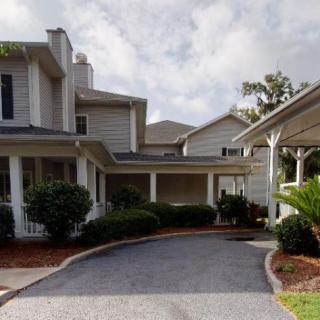
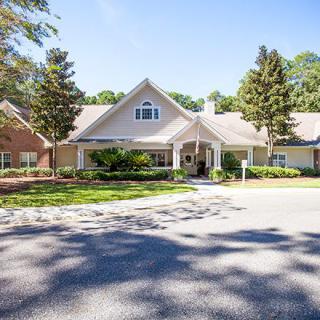
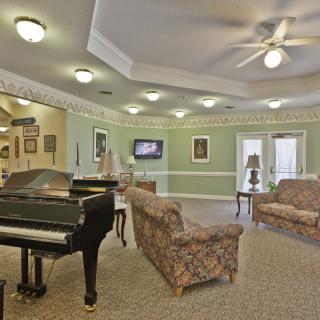
    Bloom At Hilton Head is an assisted living community located in the beautiful Hilton Head Island, SC. Our community provides exceptional care for individuals requiring Memory Care or Respite Care services.

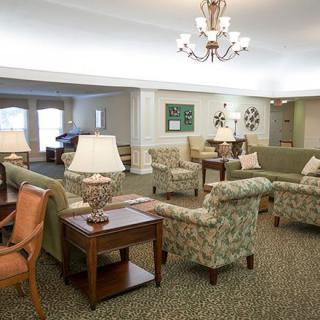
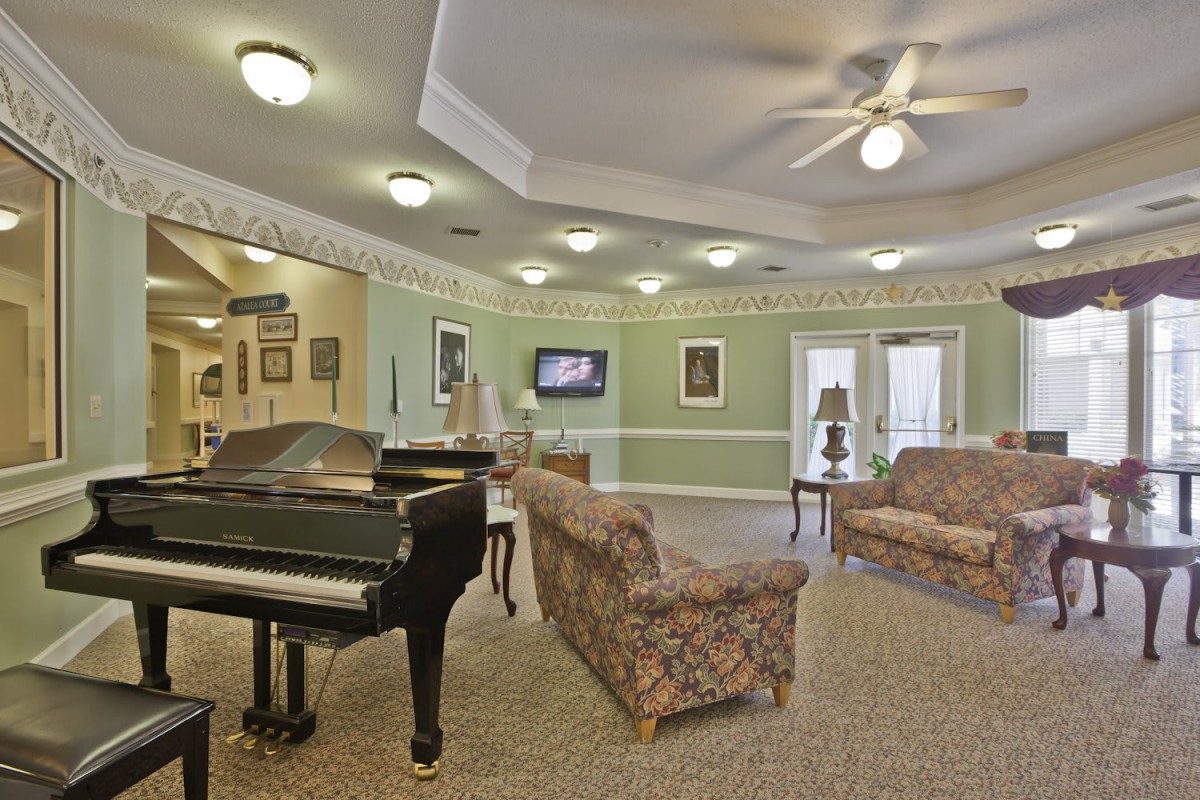
    We offer a wide range of amenities to ensure our residents' comfort and enjoyment. Our residents can participate in various on-site activities, relax in the air-conditioned common areas, and take advantage of the beautician services available at our beauty salon. We also provide cable or satellite TV, internet access, and transportation services operated by the community.

    Our dedicated staff is committed to providing quality care and support to our residents. We have a 24-hour call system and supervision, ensuring that assistance is always available when needed. Our staff assists with activities of daily living such as bathing, dressing, and transfers, as well as provide specialized care for individuals with diabetes or incontinence needs. Medication management and meal preparation are also provided.

    At Bloom At Hilton Head, we believe in promoting mental wellness among our residents. We offer a mental wellness program and specialized memory care programming for those experiencing mild cognitive impairment. Additionally, our community organizes various recreational activities including Bible study groups, book clubs, bridge clubs, fitness programs, and planned day trips.

    Our dining options cater to different dietary restrictions with kosher meals available along with vegetarian options. Residents can enjoy restaurant-style dining in our spacious dining room.

    Conveniently located near cafes, parks, pharmacies, physicians' offices, restaurants, theaters,and hospitals ensures that our residents have easy access to essential services within the vicinity.

    At Bloom At Hilton Head, we strive to create a warm and welcoming environment where seniors can receive the care they need while maintaining their independence and enjoying an active lifestyle surrounded by nature's beauty in Hilton Head Island.

    Nearby Places of Interest

    This area of Hilton Head Island, South Carolina, offers a variety of medical facilities, including Coastal Carolina Urology Group, Savannah Cardiology, and May River Dermatology, providing quality healthcare services. Additionally, there are several pharmacies nearby for convenient access to medications. The proximity to Hilton Head Regional Medical Center and other hospitals ensures that residents have access to emergency medical care when needed. In terms of recreation and leisure, there are options such as Northridge Cinema 10 for entertainment and Jarvis Creek Park for outdoor activities. The diverse dining options like Wiseguys Modern American Restaurant and Fiesta Fresh Mexican Grill provide a range of culinary experiences. Lastly, the presence of places of worship such as St Andrew by-the-Sea United Methodist Church caters to spiritual needs within the community. Overall, this area of Hilton Head Island offers a well-rounded environment with essential amenities for senior living.

    Physicians

    • Coastal Carolina Urology Group (0 miles)
    • Savannah Cardiology (0.1 miles)
    • Dr B. Robert Trotter, MD (0.1 miles)
    • Hilton Head Oral Maxillofacial - R Sidney Jones DDS (0.1 miles)
    • Pain Management Experts (0.1 miles)
    • May River Dermatology (0.2 miles)
    • Hilton Head Hearing Se (0.2 miles)

    Hospitals

    • Hilton Head Health System, LP (0.2 miles)
    • Hilton Head Regional Medical Center (0.2 miles)
    • Hilton Head Hospital (0.2 miles)

    Theaters

    • Northridge Cinema 10 (0.5 miles)

    Restaurants

    • Wiseguys Modern American Restaurant (0.7 miles)
    • Frankie Bones (0.8 miles)
    • McDonald's (0.8 miles)
    • Club Seats Grille (0.9 miles)
    • Fiesta Fresh Mexican Grill (0.9 miles)
    • Okko (1 miles)
    • Lincoln & South Brewing Company (1.1 miles)

    Pharmacies

    • Burke's Main Street Pharmacy (0.8 miles)
    • Walgreens (0.9 miles)
    • Kroger Pharmacy (2.5 miles)
    • Walgreens (5.3 miles)
    • CVS Pharmacy (5.5 miles)

    Parks

    • Jarvis Creek Park (1.3 miles)
    • Best Friends Dog Park (1.9 miles)
    • Mitchelville Beach Park (2.1 miles)
    • Lowcountry Celebration Park (5.8 miles)

    Cafes

    • Palmetto Bay Sun Rise Cafe (4.6 miles)
    • Java Burrito Co. (4.8 miles)
    • Watusi (5.7 miles)
    • Carolina Coffee & Crum (5.8 miles)

    Places of Worship

    • St Andrew by-the-Sea United Methodist Church (5.6 miles)
    • Holy Family Catholic Church (5.6 miles)

    Frequently Asked Questions

    How much does it cost to live at Bloom At Hilton Head in Hilton Head Island, SC?
    Where is Bloom At Hilton Head?
    Does Bloom At Hilton Head provide care for residents with dementia or Alzheimer's disease?
    Does Bloom At Hilton Head allow residents to have pets?
    What photos are available for Bloom At Hilton Head in Hilton Head Island, South Carolina?

    Nearby Communities

    • The Island Cove at Hilton Head

      The Island Cove at Hilton Head

      Hilton Head Island, SC

      4.6 from 28 reviews
      $2,645 to $3,300 / month

      pro Caring staff and strong sense of community

    • Harbor Cove Memory Care

      Harbor Cove Memory Care

      Hilton Head Island, SC

      4.1 from 39 reviews
      $3,325 to $4,800 / month

      pro Caring, professional staff with engaging memory-care activities and good family communication.

    • Alterra Clare Bridge Cottage of Hilton Head

      Alterra Clare Bridge Cottage of Hilton Head

      Hilton Head Island, SC

      4.7 from 17 reviews
       

      pro Caring, responsive staff in a clean, welcoming setting.

    • Life Care Center of Hilton Head

      Life Care Center of Hilton Head

      Hilton Head Island, SC

      4.2 from 45 reviews
       

      pro Caring staff with effective rehab and clean facilities.

    • Palm Meadows Village

      Palm Meadows Village

      Hilton Head Island, SC


      pro Extensive amenities and 24/7 care support (medication management, ADL assistance, wellness programs).

    • Village Cove Assisted Living

      Village Cove Assisted Living

      Hilton Head Island, SC

      4.4 from 72 reviews
      $4,305 to $5,390 / month

      pro Caring staff in a clean, welcoming environment.

    • Broad Creek Care Center Assisted Living

      Broad Creek Care Center Assisted Living

      Hilton Head Island, SC

      4.5 from 41 reviews
       

      pro Attentive, knowledgeable staff and engaging activities.

    • The Seabrook of Hilton Head,  a CCRC

      The Seabrook of Hilton Head, a CCRC

      Hilton Head Island, SC

      4.8 from 60 reviews
      $1,749 to $2,334 / month

      pro Excellent value with robust dining options and an active social calendar near the beach.

    • Pines at Bluffton

      Pines at Bluffton

      Bluffton, SC

      4 from 46 reviews
      $3,700 to $4,400 / month

      pro Friendly, attentive staff in a welcoming, well-communicated community with engaging activities.

    Related Resources

    • when to move from assisted living to nursing home8 Key Indicators That Suggest It May Be Time to Transition from Assisted Living to Skilled Nursing Care

      The transition from assisted living to skilled nursing care is often prompted by complex medical needs that assisted living cannot meet, with key indicators including frequent health declines, increased falls, severe memory issues, and caregiver burnout. Families should recognize these signs early to discuss options with healthcare providers and prepare for the emotional and logistical aspects of moving to a facility that offers comprehensive medical support.

    • best foods for dementia patients to eatNourishing the Mind: Essential Dietary Approaches for Dementia

      Dementia is characterized by cognitive decline, with nutrition playing a vital role in brain health; while no specific diet can prevent or reverse it, a nutrient-dense diet rich in antioxidants and healthy fats may support cognitive function. The MIND diet, which emphasizes beneficial foods and limits processed items, along with proper hydration and individualized meal strategies, can enhance the well-being of dementia patients.

    • dementia behaviorsUnderstanding Dementia Behaviors: Practical Insights and Strategies for Caregivers
      Dementia affects memory and cognitive function in older adults, presenting challenges for caregivers due to behavioral changes such as confusion and mood swings. Compassionate, person-centered care that considers individual history and preferences, along with effective communication and environmental modifications, is essential for supporting both patients and their caregivers.


    Get Pricing Ask A Question Schedule A Tour Contact Senior Advisor