Quality Care Residential Home in Goose Creek, SC

Save
Quality Care Residential Home Quality Care Residential Home

Quality Care Residential Home in Goose Creek, SC

107 Etling Avenue, Goose Creek, SC 29445

For more information about senior living options: (844) 490-3973

4.1 from 41 reviews
5 stars
23
4 stars
8
3 stars
4
2 stars
2
1 stars
4

Assisted Living

Quality Care Residential Home Costs & Pricing

At Quality Care Residential Home, the monthly costs for accommodations are notably competitive when compared to both Berkeley County and the broader state of South Carolina. For a semi-private room, residents are charged $2,200, which significantly undercuts the county average of $2,636 and the state average of $3,243. Those opting for a studio have a monthly fee of $2,995; while this is higher than Berkeley County's average of $3,736, it remains more affordable than the state's average cost of $3,649. Overall, Quality Care Residential Home offers an appealing pricing structure that prioritizes quality care while ensuring affordability for its residents within the region.

Floor plansQuality Care Residential HomeBerkeley CountySouth Carolina
Semi-Private$2,200$2,636$3,243
Studio$2,995$3,736$3,649

Overall Review of Quality Care Residential Home

Pros

  • pro They were really accommodating to the parents.
  • pro They were very caring.
  • pro Quality Care has an exceptional staff.
  • pro The quality of care is outstanding, and the staff are friendly and caring.
  • pro They would absolutely recommend this community to other families.
  • pro The staff has been great to work with, and the loved one is well cared for there.
  • pro The staff is friendly, and the meals are very good.
  • pro It was a great choice for a much-loved family member; the facility was clean and had friendly staff.
  • pro They love the facility; it feels like home, and the director and staff are wonderful.
  • pro The facility is clean, well maintained, and the staff are attentive and caring.
  • pro The mom enjoys bingo and community activities, and the staff support the community.
  • pro The new Administrator is very competent.

Cons

  • pro The staff told them one thing, and then they found out it wasn't happening.
  • pro Some staff weren't doing their jobs, such as not giving her mother a bath, and there was little consistency in what they claimed they could do.
  • pro The facility is awful, with staff yelling and pulling residents by the arm, and residents afraid to speak up.
  • pro A doctor there allegedly over-medicated a man so he walked around like a zombie.
  • pro A woman stole personal items from residents' rooms, and staff couldn't keep up with her.
  • pro The place is infested with cockroaches, and residents faced them in daily activities.
  • pro Not all care lived up to expectations: a resident fell and died, hospice care and hospital decisions were mishandled, and a deposit wasn't returned after many calls.

Review

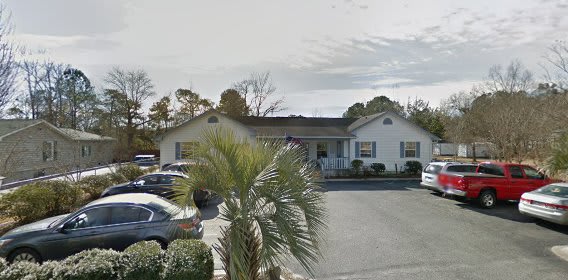
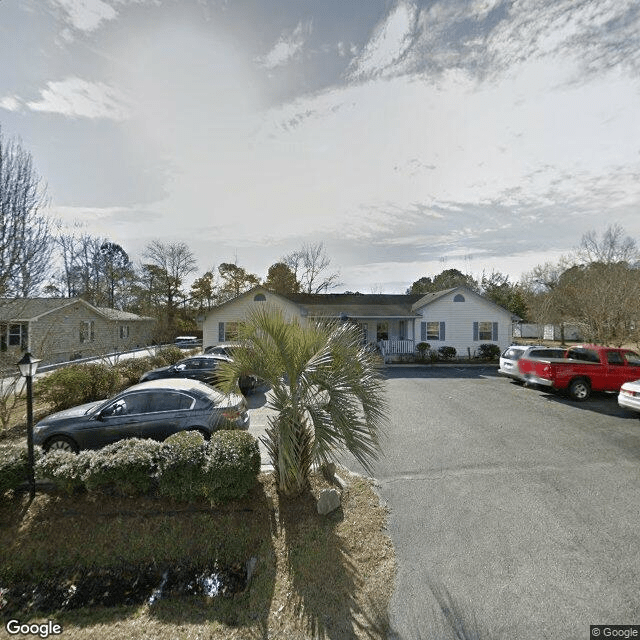
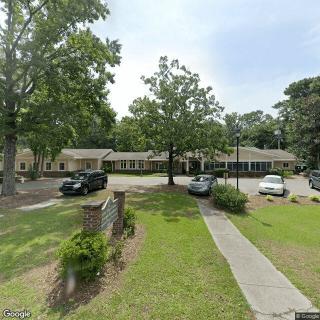
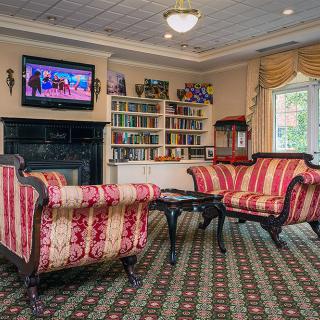
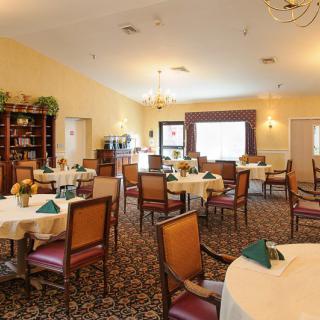
Quality Care Residential Home in Goose Creek is best suited for families seeking a small, home-like assisted living where staff treat residents with genuine warmth and consistency matters. The community shines when a resident benefits from a intimate, 16-resident setting, one-floor accessibility, and daily routines that feel personalized rather than institutional. This is the kind of place where the dining room, TV lounge, and central kitchen promote casual, neighborly interaction, and where regular activities - Bingo, devotional gatherings, and gospel singing - create predictable social rhythm. For families prioritizing clean surroundings, attentive supervision, and a strong sense of familiar care, this is a compelling option.

The conversation around alternatives remains practical: those who require high-acuity medical oversight, private rooms with en suite baths, or a facility with markedly more extensive medical staff may want to look elsewhere. Several reviews flag the possibility of inconsistency - one-thing-at-a-time promises that aren't always fulfilled, and occasional lapses in basic tasks like personal care. For families needing rigorous accountability, transparent pricing, or a facility with more formalized escalation of concerns, a larger, more resource-rich community may be a better fit. Potential residents who prize privacy and modernized, hospital-like amenities should rate this against bigger providers.

Key strengths do tilt the balance in favor of choosing Quality Care Residential Home, but only when expectations align with the model. The staff are repeatedly described as caring, friendly, and responsive, with particular praise for the director, Martina, and longtime team members such as Keisha and Jackie. The building consistently registers as clean, odor-free, and well maintained, and meals earn compliments from families who visit. Residents often arrive with confidence that if a problem arises, staff will call immediately and act quickly to address it. In this light, the human-centered approach compensates for some operational rough edges, making it a strong option for families who value daily attentiveness over scale.

Where the downside shows up most clearly are the recurring caveats about consistency and facility limitations. A few reviews recount situations where promises did not materialize, and some staff lapses in fulfilling basic tasks were observed. Reports of older infrastructure - tight spaces, tiny rooms, shared bathrooms in hallways - can feel limiting for valued independence, and a handful of harsh or neglected anecdotes about maintenance, pest concerns, or miscommunication temper the otherwise positive picture. For families weighing the price against reliability, these threads signal a need for concrete assurances: exact staffing ratios, a written care plan, and a transparent operations policy.

Facilities and programmatic offerings reinforce the distinctive, intimate appeal. The residence feels residential through and through, with a single-story plan that keeps navigation simple and companionship high. The small size fosters one-on-one attention, and the presence of an on-site doctor referenced by some families adds a practical healthcare layer without forcing constant relocation. The environment supports engagement - from intergenerational activities to in-house grooming and devotional programming - without the restless bustle of larger campuses. Yet the trade-off is evident in privacy and private-amenity options; not every room offers a private bath, and the sense of "extended family" may feel incomplete for those who require greater personal space or a broader amenity menu.

The bottom line is practical: this community excels for families seeking a warm, highly personal setting where care feels bespoke, staff know residents well, and daily life centers on comfort, routine, and community bonds. It suits seniors who thrive in a small, clean, well-run household and who place a premium on staff relationships and a homelike atmosphere. It is less suited for those demanding robust, hospital-grade medical oversight, private accommodations with en suite facilities, or a setting with a full spectrum of immediate specialty services on site. Prospective families should tour with specific questions: confirm room configurations, verify current staffing levels, request recent care plans, and probe how complaints are handled and resolved. With clear expectations and a direct conversation about priorities, Quality Care Residential Home can be a remarkably good fit for the right resident.

Features

Housing

  • 29 resident community capacity 29 resident community capacity

Types of Care

  • Assisted Living Assisted LivingAssisted living facilities provide crucial support and care for seniors who may need help with daily tasks such as medication management, bathing, and meal preparation. These communities offer a safe and comfortable environment where seniors can maintain their independence while receiving the assistance they need to thrive in their golden years.

Amenities

  • Activities on-site Activities on-siteActivities on-site are important for seniors because they provide opportunities for socialization, mental stimulation, physical activity, and overall well-being. Engaging in activities can help seniors stay active, maintain their independence, and improve their quality of life.
  • Air-conditioning Air-conditioningAir conditioning is important for seniors as they are more vulnerable to heat-related illnesses and may have underlying health conditions that make it difficult for them to regulate their body temperature. It helps to keep them comfortable, safe, and healthy in hot weather.
  • Beautician on-site Beautician on-siteHaving a beautician on-site at a senior living community is important for seniors as it allows them to easily access grooming and personal care services, boosting their self-esteem and overall well-being. It also provides convenience and helps seniors maintain their sense of independence and personal style.
  • Beauty salon Beauty salonBeauty salons are important for seniors because they provide a space for them to feel pampered, socialize, and maintain their personal grooming and hygiene. Regular visits to a beauty salon can help boost seniors' self-esteem and overall well-being.
  • Cable or satellite TV Cable or satellite TVCable or satellite TV is important for seniors because it provides entertainment, news, and companionship, helping to combat loneliness and boredom. It also offers a wide range of programming options tailored to different interests and preferences.
  • Devotional services on-site Devotional services on-siteDevotional services on-site provide seniors with spiritual support and a sense of community, as well as an opportunity for reflection and guidance during their senior living experience. This can promote emotional well-being and connection to others, leading to a more fulfilling and enriching lifestyle in their later years.
  • Dining room Dining roomDining rooms are important for seniors as they provide a space for socialization, connection, and nutritious meals. They offer opportunities for residents to bond over shared meals, foster a sense of community, and promote healthy eating habits. Dining rooms also ensure that seniors have access to well-balanced meals tailored to their dietary needs and preferences.
  • Fully furnished Fully furnishedFully furnished senior living communities are important for seniors because they provide convenience, comfort, and a hassle-free moving experience. Seniors can easily settle into their new living space without the stress of having to buy and move furniture. This allows them to focus on enjoying their new home and community.
  • Garden GardenGardens are important for seniors as they provide a peaceful and therapeutic environment for relaxation, physical activity, and socialization. Being in nature has been shown to reduce stress, improve mood, and promote overall well-being. Gardens also offer opportunities for seniors to engage in gardening activities, which can improve mobility, flexibility, and cognitive function. Additionally, gardens create a sense of community and connection with others who share a passion for plants and outdoor spaces.
  • Ground floor units Ground floor unitsGround floor units are important for seniors because they provide easy accessibility, reduced risk of falls and injuries, and convenience for those with mobility issues. Seniors can avoid climbing stairs or using elevators, making daily tasks and activities more manageable and enjoyable.
  • Housekeeping services Housekeeping servicesHousekeeping services are important for seniors because they help maintain a clean and safe living environment, promote independence, and reduce the risk of accidents or illnesses. Additionally, having assistance with household chores can alleviate physical strain and allow seniors to focus on other aspects of their well-being.
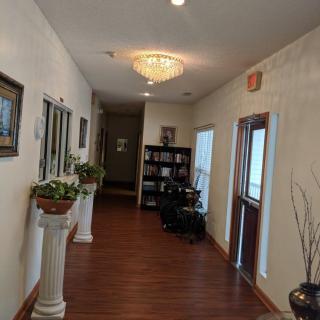
  • Indoor common areas Indoor common areasIndoor common areas are crucial for seniors as they provide a space for socialization, recreation, and community engagement, promoting overall well-being and reducing feelings of isolation and loneliness.
  • Kitchenette KitchenetteKitchenettes are important for seniors living in senior living communities because they provide the convenience and independence of being able to prepare simple meals and snacks in the comfort of their own living space. This can help promote a sense of autonomy and well-being for seniors, allowing them to maintain some level of control over their dietary choices and daily routines.
  • Move-in coordination Move-in coordinationMove-in coordination is important for seniors because it helps ease the transition into their new living environment. It ensures that all logistics, such as packing, organizing movers, and setting up utilities are taken care of, allowing seniors to focus on settling in and adjusting to their new home. Having a smooth move-in process can alleviate stress and anxiety, making the transition smoother and more enjoyable for seniors.
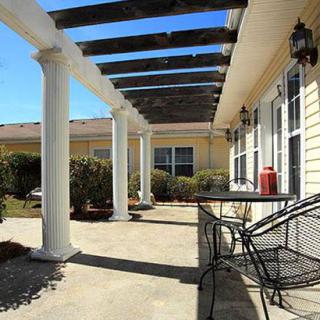
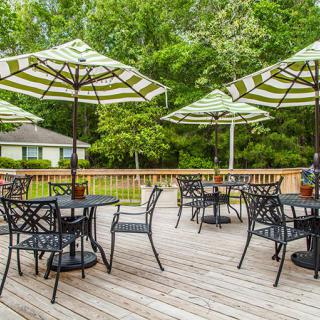
  • Outdoor common areas Outdoor common areasOutdoor common areas are important for seniors as they provide a space for socialization, physical activity, and relaxation. Being outside in nature can improve mood and overall well-being, while also encouraging movement and engagement with others. These spaces can help combat feelings of isolation and promote a sense of community among residents.
  • Outdoor space Outdoor spaceOutdoor spaces are important for seniors as they provide opportunities for physical activity, social interaction, exposure to natural light and fresh air, and a sense of connection to nature. Having access to outdoor spaces can improve overall well-being and quality of life for older adults living in senior communities.
  • Respite or short term stays offered Respite or short term stays offeredRespite or short term stays provide seniors with a temporary solution when their regular caregiver is unavailable, offering them the opportunity to receive additional care and support during times of need, while also giving caregivers a chance to rest and recharge.
  • Restaurant-style dining Restaurant-style diningRestaurant-style dining is important for seniors because it allows them to enjoy delicious, nutritious meals in a social and upscale setting. This enhances their dining experience, promotes healthy eating habits, and fosters socialization with fellow residents, ultimately contributing to their overall well-being and quality of life.
  • Small library Small librarySmall libraries are important for seniors as they provide access to a variety of reading materials, including books, newspapers, and magazines. This can help stimulate their minds, keep them engaged, and provide a sense of community through book clubs and other social activities. Additionally, reading has been shown to improve cognitive function and overall mental well-being in older adults.
  • Telephone TelephoneTelephones are important for seniors as they provide a lifeline for communication with loved ones, emergency services, and healthcare providers. They offer a sense of security and independence, enabling seniors to stay connected and access assistance when needed.
  • Wheelchair accessible showers Wheelchair accessible showersWheelchair accessible showers are crucial for seniors as they provide a safe and independent bathing option for those with mobility challenges. These showers help prevent falls and allow seniors to maintain their dignity and autonomy while ensuring they can bathe comfortably.
  • Wi-Fi/high-speed internet available Wi-Fi/high-speed internet availableWi-Fi/high-speed internet is important for seniors to stay connected with loved ones, access online resources, and participate in virtual activities to combat feelings of loneliness and isolation. It also allows them to easily manage healthcare needs, access entertainment, and engage in lifelong learning opportunities.

Transportation

  • Charleston AFB International (7 miles away) Charleston AFB International (7 miles away)

Care Services

  • 24-hour call system 24-hour call system24-hour call systems are important for seniors because they provide peace of mind and immediate assistance in case of emergencies. This technology ensures that help is always available, promoting safety and security for elderly individuals living alone or in assisted living facilities.
  • 24-hour supervision 24-hour supervision24-hour supervision is important for seniors to ensure their safety, well-being, and access to immediate assistance in case of emergencies or health issues. This constant support provides peace of mind for both seniors and their loved ones, allowing them to age in place with dignity and security.
  • Activities of daily living assistance Activities of daily living assistanceActivities of daily living assistance are important for seniors because they provide essential support with tasks such as eating, bathing, dressing, and mobility. This assistance helps seniors maintain their independence, dignity, and overall quality of life as they age.
  • Ambulatory care Ambulatory care"Ambulatory care services provide essential medical support and treatment to seniors without requiring hospitalization, allowing them to maintain their independence and quality of life while managing chronic conditions or receiving routine medical care."
  • Assistance with bathing Assistance with bathingAssistance with bathing is crucial for seniors as it helps maintain personal hygiene, prevents infections, and ensures their overall well-being and comfort. It also provides a sense of dignity and independence for seniors who may struggle with this task on their own.
  • Assistance with dressing Assistance with dressingAssistance with dressing is important for seniors because it helps maintain their independence, promotes personal hygiene, prevents accidents and injuries, and improves overall quality of life. This service ensures that seniors can continue to dress comfortably and confidently, despite any physical limitations they may have.
  • Assistance with transfers Assistance with transfersAssistance with transfers is crucial for seniors as it helps prevent falls and injuries, maintains their independence, and ensures they can safely navigate their living environment. It also provides peace of mind for both seniors and their loved ones.
  • Diabetes diet Diabetes dietA diabetes diet is crucial for seniors as it helps manage blood sugar levels, reduce risks of complications, and improve overall health and well-being. By following a balanced and nutritious diet tailored to their specific needs, seniors can better control their diabetes and enhance their quality of life.
  • Diabetic care Diabetic careDiabetic care is crucial for seniors as they are more susceptible to developing diabetes due to aging and other health conditions. Proper management of diabetes can help prevent complications such as heart disease, vision loss, and nerve damage, improving the overall quality of life for seniors in senior living communities.
  • Hospice care Hospice careHospice care is important for seniors as it provides specialized end-of-life support, pain management, and emotional comfort for both the senior and their loved ones. It allows seniors to maintain dignity, receive personalized care, and spend their remaining time in a peaceful and comfortable environment.
  • Incontinence care Incontinence careIncontinence care is essential for seniors to maintain their dignity, hygiene, and overall quality of life. By addressing incontinence issues promptly and effectively, seniors can enjoy a sense of independence and comfort in their daily activities.
  • Meal preparation and service Meal preparation and serviceMeal preparation and service are crucial for seniors as they may have limited mobility or energy to cook nutritious meals. Having access to healthy and convenient food options can ensure they are getting the proper nutrition needed to maintain their overall health and well-being.
  • Medication management Medication managementMedication management is crucial for seniors to ensure they are taking the right medications at the correct dosages and times. This helps prevent adverse drug interactions, reduces the risk of medication errors, and promotes overall health and well-being. Proactive management also allows for adjustments as needed based on changing health conditions or new prescriptions.
  • Mental wellness program Mental wellness programMental wellness programs are essential for seniors as they promote cognitive stimulation, emotional support, and social engagement. These programs help prevent isolation, depression, and cognitive decline, ultimately enhancing the overall quality of life for older adults.
  • Special dietary restrictions Special dietary restrictionsSpecial dietary restrictions are important for seniors because age-related changes in metabolism and health conditions can make it difficult for their bodies to process certain foods. By following a diet tailored to their specific needs, seniors can maintain their overall health and well-being, manage chronic conditions, and reduce the risk of complications such as malnutrition or food interactions with medications.
Dining

  • Diabetes diet Diabetes dietA diabetes diet is crucial for seniors as it helps manage blood sugar levels, reduce risks of complications, and improve overall health and well-being. By following a balanced and nutritious diet tailored to their specific needs, seniors can better control their diabetes and enhance their quality of life.
  • Low / no sodium Low / no sodiumLow/no sodium options are important for seniors because excessive sodium intake can lead to high blood pressure, heart disease, and other health issues commonly experienced by older adults. By choosing low/no sodium foods, seniors can better manage their health and reduce their risk of developing these conditions.
  • Meals provided Meals provided"Meals provided" are crucial for seniors in assisted living communities as it ensures they have access to nutritious, balanced meals without the stress of meal planning and preparation. This can help promote overall health and well-being for seniors who may have limited mobility or cognitive abilities.
  • No Sugar No SugarNo sugar diets are important for seniors because they can help prevent or manage chronic conditions such as diabetes, heart disease, and obesity. Sugar can also contribute to cognitive decline and inflammation in the body, so reducing sugar intake can lead to overall improved health and well-being in older adults.
  • Restaurant style dining Restaurant style diningRestaurant style dining is important for seniors as it offers them a social and enjoyable dining experience, promotes healthy eating habits, and provides personalized menu options to cater to their dietary needs and preferences. This type of dining setting can enhance their overall quality of life and create a sense of community within the senior living facility.
  • Special dietary restrictions Special dietary restrictionsSpecial dietary restrictions are important for seniors because age-related changes in metabolism and health conditions can make it difficult for their bodies to process certain foods. By following a diet tailored to their specific needs, seniors can maintain their overall health and well-being, manage chronic conditions, and reduce the risk of complications such as malnutrition or food interactions with medications.

Activities

  • Activities on-site Activities on-siteActivities on-site are important for seniors because they provide opportunities for socialization, mental stimulation, physical activity, and overall well-being. Engaging in activities can help seniors stay active, maintain their independence, and improve their quality of life.
  • Community-sponsored activities Community-sponsored activitiesCommunity-sponsored activities are important for seniors as they provide opportunities for social interaction, mental stimulation, and physical activity. These activities can help improve overall well-being, combat loneliness and isolation, and promote a sense of belonging and purpose among older adults.
  • Devotional activities on-site Devotional activities on-siteDevotional activities on-site provide seniors with a sense of community, spiritual fulfillment, and emotional support, promoting overall well-being and a positive sense of purpose in their lives.
  • Resident-run activities Resident-run activitiesResident-run activities are important for seniors as they encourage social interaction, creativity, and a sense of autonomy. These activities empower seniors to stay engaged and active in their community while fostering meaningful connections with their peers.
  • Scheduled daily activities Scheduled daily activitiesScheduled daily activities are important for seniors because they provide structure, socialization, mental stimulation, and physical activity. Engaging in regular activities can improve overall well-being and quality of life for seniors living in a community setting.

Description

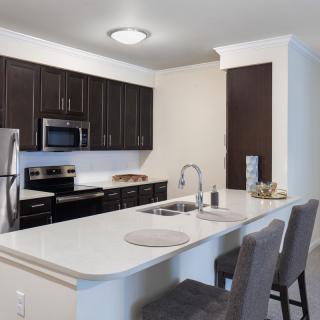
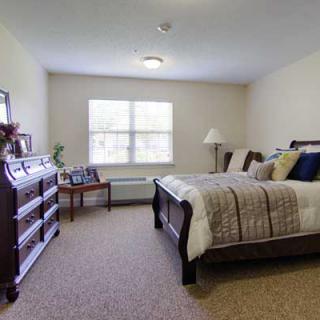
The Quality Care Residential Home in Goose Creek, SC offers a comfortable and supportive environment for seniors in need of assisted living services. With amenities such as air-conditioning, cable or satellite TV, and Wi-Fi/high-speed internet, residents can enjoy modern conveniences and stay connected with loved ones.

The community also features on-site beautician services and a beauty salon, allowing residents to indulge in a little pampering without leaving the comfort of their home. The dining room offers restaurant-style dining with a variety of meal options to cater to special dietary restrictions, including low/no sodium and diabetic care.

Residents can participate in a range of activities to promote mental wellness and social interaction. Community-sponsored activities, devotional services on-site, and resident-run activities provide ample opportunities for engagement. Additionally, scheduled daily activities ensure that there is always something happening for those who wish to join in.

The care services provided at Quality Care Residential Home are comprehensive, with 24-hour supervision and assistance available for activities of daily living such as bathing and dressing. The staff is trained to support individuals with ambulatory care needs and transfers. Medication management is also provided to ensure that residents receive their prescribed medications according to schedule.

For those needing specialized care, hospice care and incontinence care are available. Meal preparation and service are provided, adhering to special dietary restrictions as necessary. A mental wellness program is offered to support the emotional well-being of residents.

Located conveniently near three cafes, one park, eight pharmacies, 21 physicians' offices, 20 restaurants, one place of worship, and one hospital nearby – residents have easy access to a variety of amenities and healthcare services.

Overall, the Quality Care Residential Home provides a safe and welcoming assisted living community where seniors can receive personalized care while enjoying a range of amenities and engaging activities.

Nearby Places of Interest

Located in Goose Creek, South Carolina, this area offers a convenient mix of amenities for senior living. With a variety of restaurants nearby, including Japanese cuisine, fast food options, and cafes like Starbucks, residents have plenty of dining choices. Medical care is easily accessible with several physicians' offices in the vicinity, as well as pharmacies like CVS and Walgreens for prescription needs. For recreation, there are parks such as Middleton Park and Cypress Gardens for outdoor enjoyment. Places of worship like the Church of Christ In Goose Creek provide spiritual support, and hospitals like Trident Eye Surgery Center ensure quality healthcare services are close by. Overall, this area offers a diverse range of services to meet the needs of seniors looking for a comfortable and convenient living environment in Goose Creek.

Restaurants

  • Sanno Japanese Express Restaurant (0.2 miles)
  • McDonald's (0.2 miles)
  • Chinese Express (1.9 miles)
  • Zaxby's (1.9 miles)
  • Come Back Shack (2 miles)
  • Sonic Drive-In (2.1 miles)
  • Wendy's (2.1 miles)

Cafes

  • Sunoco APlus (0.4 miles)
  • Starbucks (2 miles)
  • Starbucks (4.4 miles)
  • Starbucks (6.5 miles)

Physicians

  • Charleston Ent Associates (0.9 miles)
  • Tidewater Neurology (0.9 miles)
  • Liberty Doctors (1 miles)
  • Roper St Francis Physician Partners-Orthopaedics (2 miles)
  • Pain Specialists of Charleston (2 miles)
  • MUSC Health Nuclear Cardiology at North Area Medical Pavilion (2.1 miles)
  • Medical University-South Crlna (2.1 miles)

Parks

  • Middleton Park (1.1 miles)
  • Cypress Gardens (6.3 miles)
  • Nexton Park (6.6 miles)
  • Wescott Park (7.1 miles)

Pharmacies

  • CVS Pharmacy (1.8 miles)
  • CVS Pharmacy (2.1 miles)
  • CVS Pharmacy (2.3 miles)
  • Walgreens (2.6 miles)
  • Walgreens (2.9 miles)
  • Walgreens (3.1 miles)
  • Walgreens (4.3 miles)

Places of Worship

  • Church of Christ In Goose Creek (2.2 miles)
  • Freedom Church (6.3 miles)

Hospitals

  • Trident Eye Surgery Center (2.5 miles)
  • HCA Healthcare (7 miles)

Frequently Asked Questions

How much does it cost to live at Quality Care Residential Home in Goose Creek, SC?
Where is Quality Care Residential Home?

Nearby Communities

  • Goose Creek Manor

    Goose Creek Manor

    Goose Creek, SC

    4 from 20 reviews
    $2,600 to $2,800 / month

    pro Improvements under new ownership with better meals, more engaging activities, and responsive staff communication.
  • Stratford Place

    Stratford Place

    Goose Creek, SC

    4.5 from 29 reviews
     

    pro Caring staff with a positive impact on residents' happiness in a well-maintained setting.

  • The Bridge at Charleston

    The Bridge at Charleston

    North Charleston, SC

    4.3 from 127 reviews
    $4,165 to $4,640 / month

    pro Friendly, attentive staff; clean facilities; quality meals and engaging activities.

  • Life Care Center Of Charleston

    Life Care Center Of Charleston

    N Charleston, SC

    4.3 from 109 reviews
     

    pro Clean, modern facility with attentive staff and good food.

  • The Elms of Charleston

    The Elms of Charleston

    Charleston, SC


    pro Small, intimate setting with easy access to healthcare and nearby amenities.

  • Pinewood Place

    Pinewood Place

    Goose Creek, SC

    4.4 from 91 reviews
    $2,220 to $4,165 / month

    pro Small, homey setting with personalized care and high-quality meals.

  • White Oak Manor - Charleston

    White Oak Manor - Charleston

    Charleston, SC

    3.2 from 54 reviews
     

    pro Clean, comfortable environment with good meals and engaging activities.

  • The Blake at Carnes Crossroads

    The Blake at Carnes Crossroads

    Summerville, SC

    4.5 from 138 reviews
    $3,650 to $5,750 / month

    pro Beautiful, well-maintained community with engaging activities and caring staff.

  • TerraBella Summerville

    TerraBella Summerville

    Summerville, SC

    4 from 107 reviews
    $3,010 to $4,005 / month

    pro Friendly, attentive staff; clean, remodeled interiors; engaging activities and a hospital-adjacent location.

Related Resources

  • does medicaid pay for assisted livingHow and When Medicaid May Cover Assisted Living Costs

    Medicaid coverage for assisted living varies by state and is primarily available to low-income individuals, with eligibility dependent on strict income and asset limits. Some states offer HCBS waivers for specific services in assisted living, but families must generally cover room and board costs, and should verify facility acceptance of Medicaid while considering potential waiting lists.

  • assisted living waiver programA Detailed Exploration of Assisted Living Medicaid Waivers Across the United States

    Medicaid waivers for assisted living services provide vital support for seniors and individuals with disabilities in need of long-term care, with varying state-specific eligibility criteria and benefits. These waivers cover personal care and case management but often do not fully cover room and board, leading to waiting lists for many applicants.

  • assisted living for disabled adultsComprehensive Residential Support and Assisted Living Solutions for Individuals with Disabilities

    The article examines the complexities of assisted living for individuals with disabilities, emphasizing the need for tailored care solutions that enhance quality of life and social inclusion, while addressing financial challenges and advocating for community integration. It discusses various housing options, the importance of financial assistance through public benefits, and highlights trends towards integrated and technology-driven solutions in disability-focused housing.