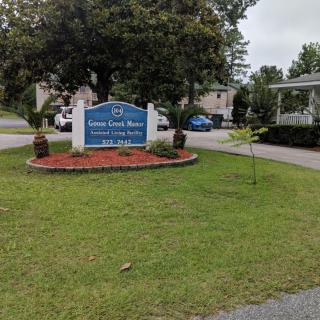




104 Marilyn Street, Goose Creek, SC 29445
For more information about senior living options: (866) 208-4318
Goose Creek Manor Costs & Pricing
At Goose Creek Manor, the monthly costs for accommodations present a competitive option within both Berkeley County and the wider South Carolina market. For a semi-private room, residents can expect to pay $2,600, which is slightly lower than the county's average of $2,636 and notably more affordable than the state average of $3,243. The 1-bedroom option at Goose Creek Manor is also priced attractively at $2,800, well below the Berkeley County average of $3,705 and significantly less than the state average of $3,806. This pricing structure reflects Goose Creek Manor's commitment to providing quality care while ensuring financial accessibility for its residents.
| Floor plans | Goose Creek Manor | Berkeley County | South Carolina |
|---|---|---|---|
| Semi-Private | $2,600 | $2,636 | $3,243 |
| 1 Bedroom | $2,800 | $3,705 | $3,806 |
Assisted Living communities with a similar price nearby
-
from -$300 / mo
Dayspring Assisted Living
$2,300 to $3,300 / month20.2 miles away -
from -$300 / mo
Carter-May Home
$2,300 to $3,650 / month13.0 miles away -
from +$500 / mo

Sweetgrass Village
$3,100 to $4,400 / month16.1 miles away -
from +$385 / mo

Somerby Mount Pleasant
$2,985 to $4,050 / month15.9 miles away -
from +$395 / mo

Oaks at Daniel Island
$2,995 to $5,000 / month12.1 miles away
Overall Review of Goose Creek Manor
Pros
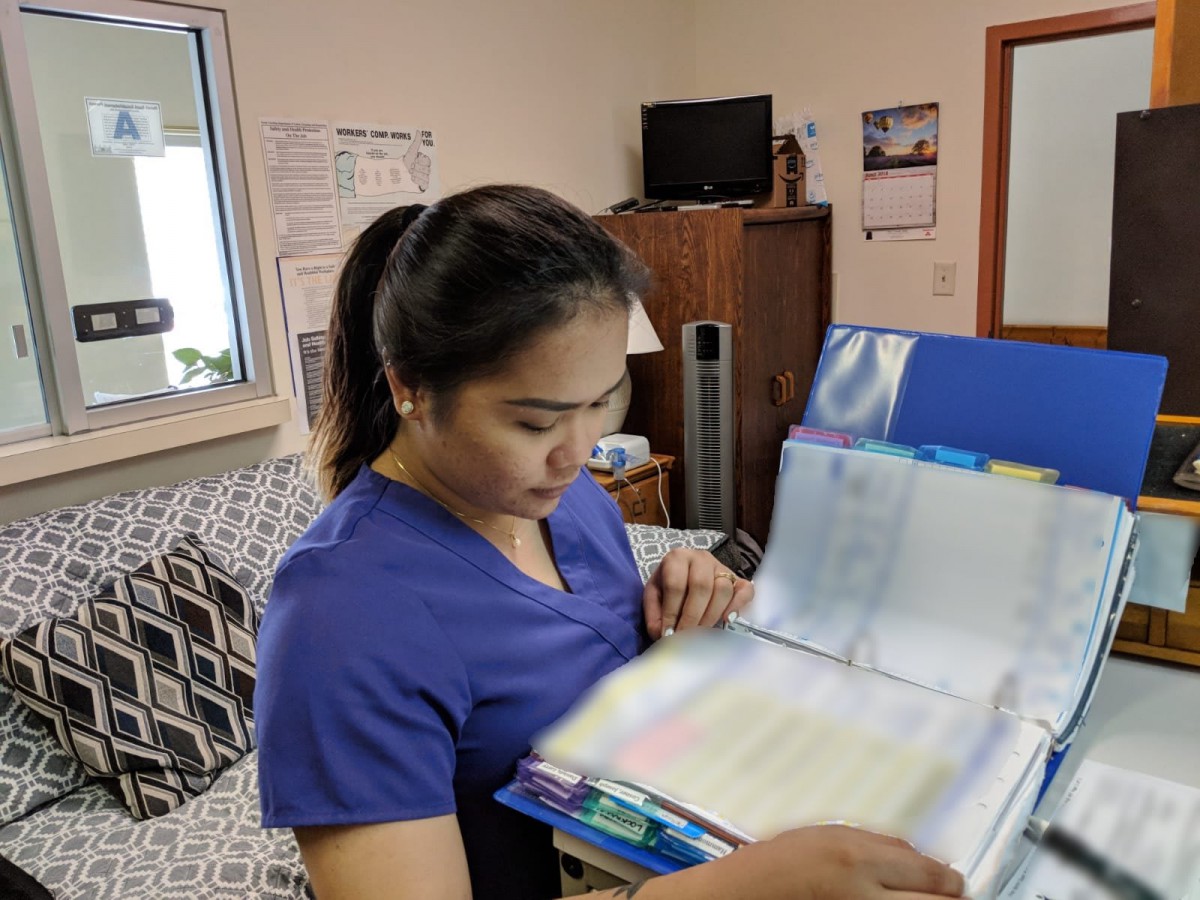
 Goose Creek Manor has a wonderful staff.
- Marie is always willing to help residents.
- Goose Creek Manor provides excellent elderly care.
- The facility is filled with attentive, creative caregivers who keep residents engaged.
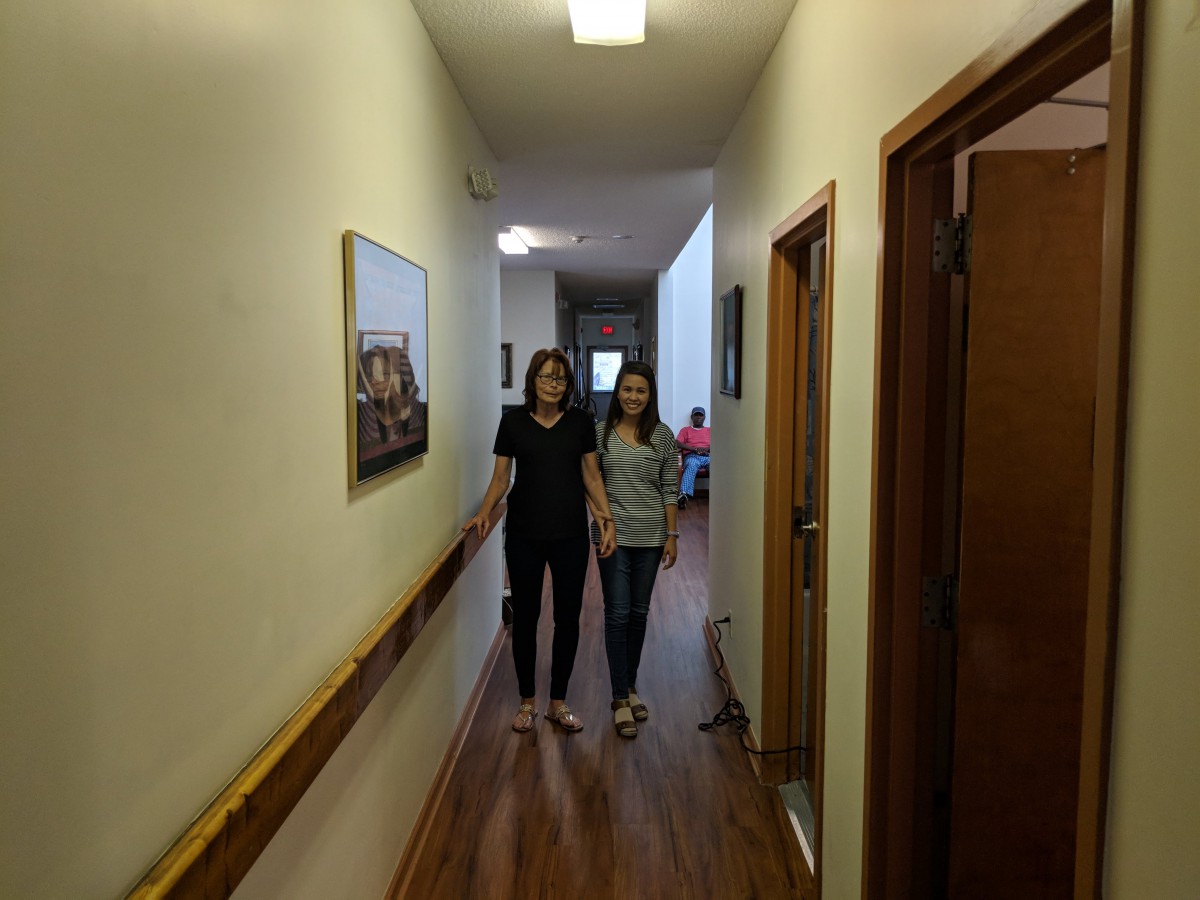
- The staff are friendly, professional, and accommodating.
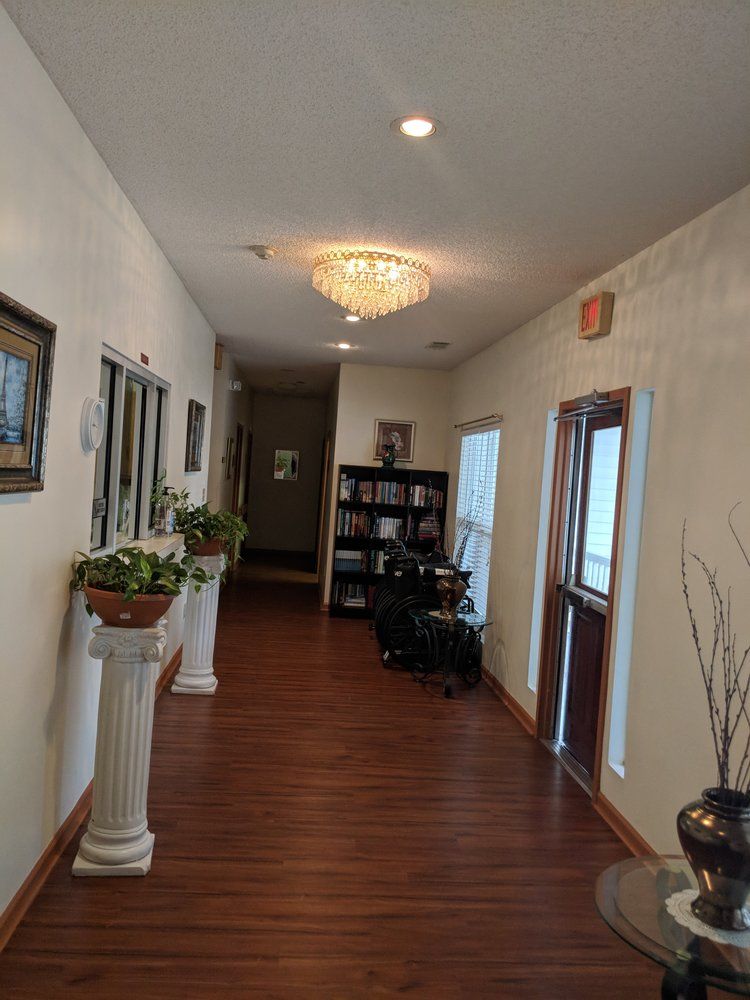
- The facility is clean and well maintained.
- Under new ownership and management, there has been a noticeable improvement in food, activities, and resident vitality.
- Martina has done a great job, and the overall environment has improved.
Cons
 They described Goose Creek Manor as disorganized and chaotic during a tour.
- They noted a urine/defecation smell and a lack of cleanliness in the facility.
- They warned that sending a loved one there could lead to rapid decline, neglect, and should be avoided.
Review
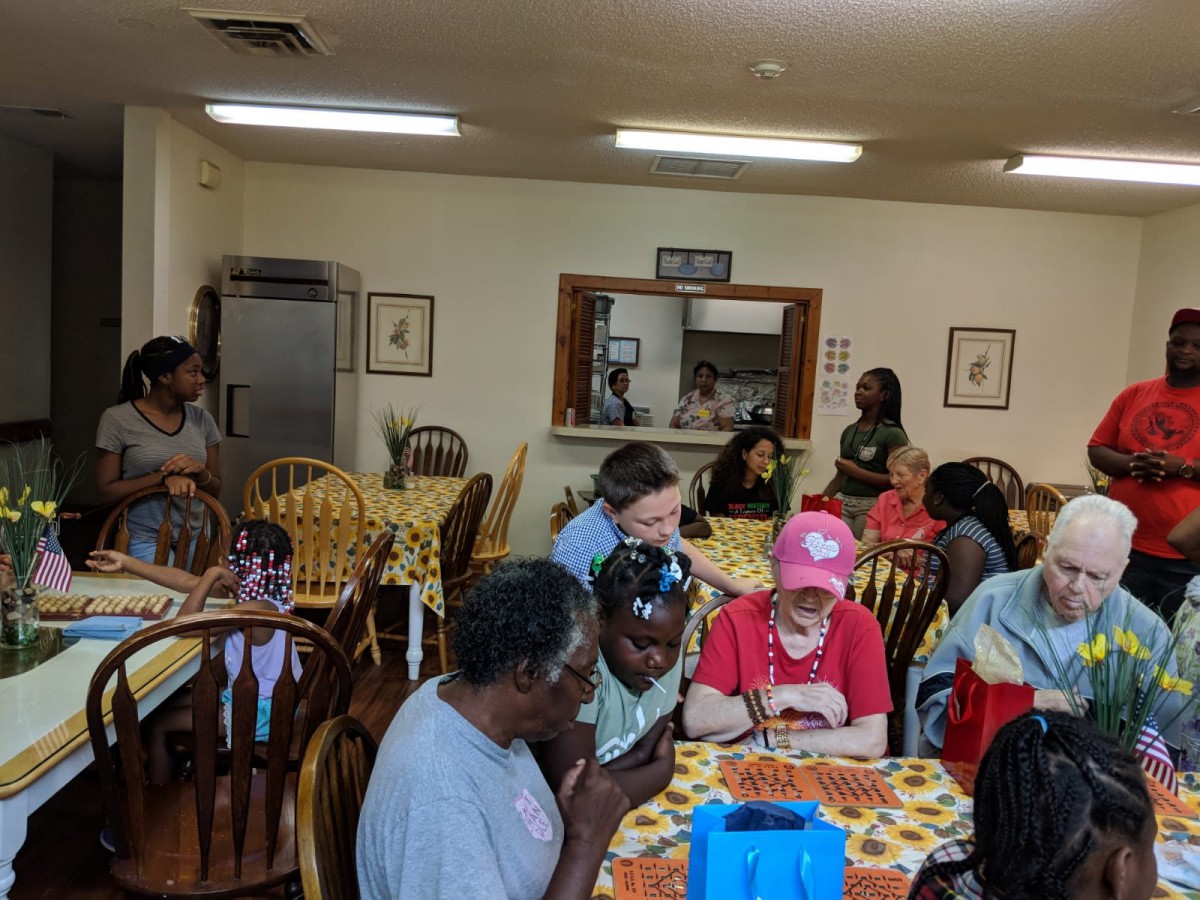
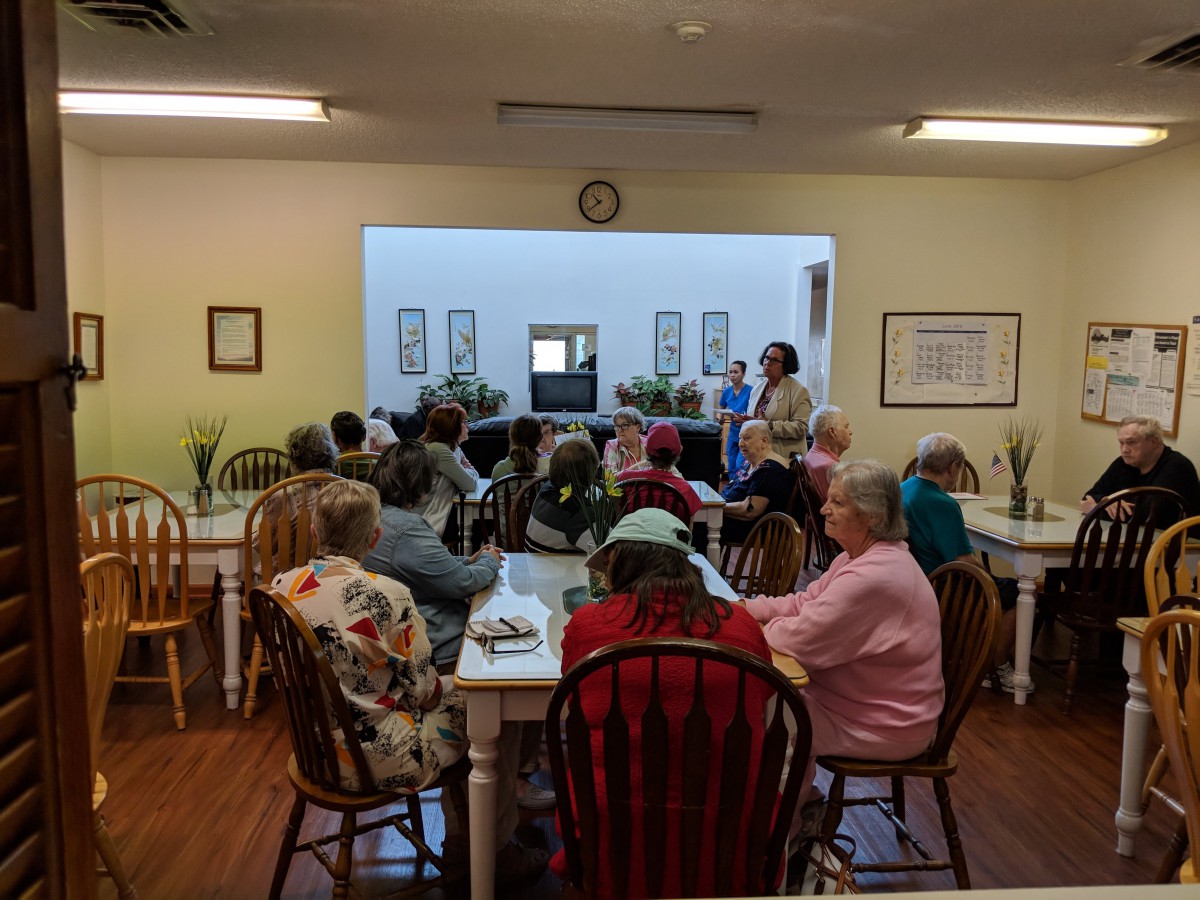
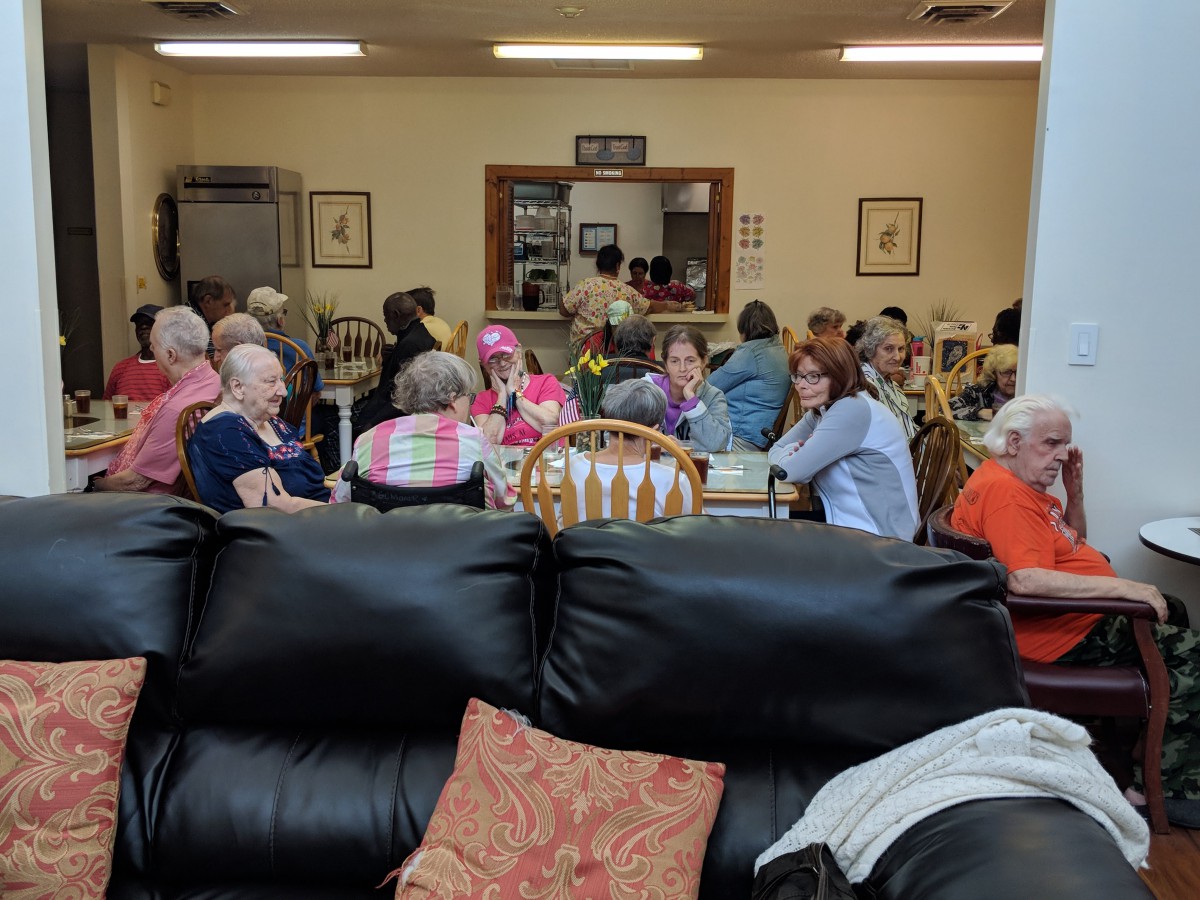
Goose Creek Manor is best suited for families that prize an emotionally engaging, socially active environment where staff attention feels personal and responsive, and where leadership has demonstrated a willingness to make visible improvements. The community’s recent move to new ownership and management has produced a tone of enhanced warmth, more organized programming, and better resident interaction. For families seeking clear, ongoing communication, from regular phone updates to photos and short videos, Goose Creek Manor can be reassuring, especially for those navigating the difficult transition of placing a loved one. Those who demand flawless consistency in care and a spotless, uniformly controlled clinical routine may want to look elsewhere.
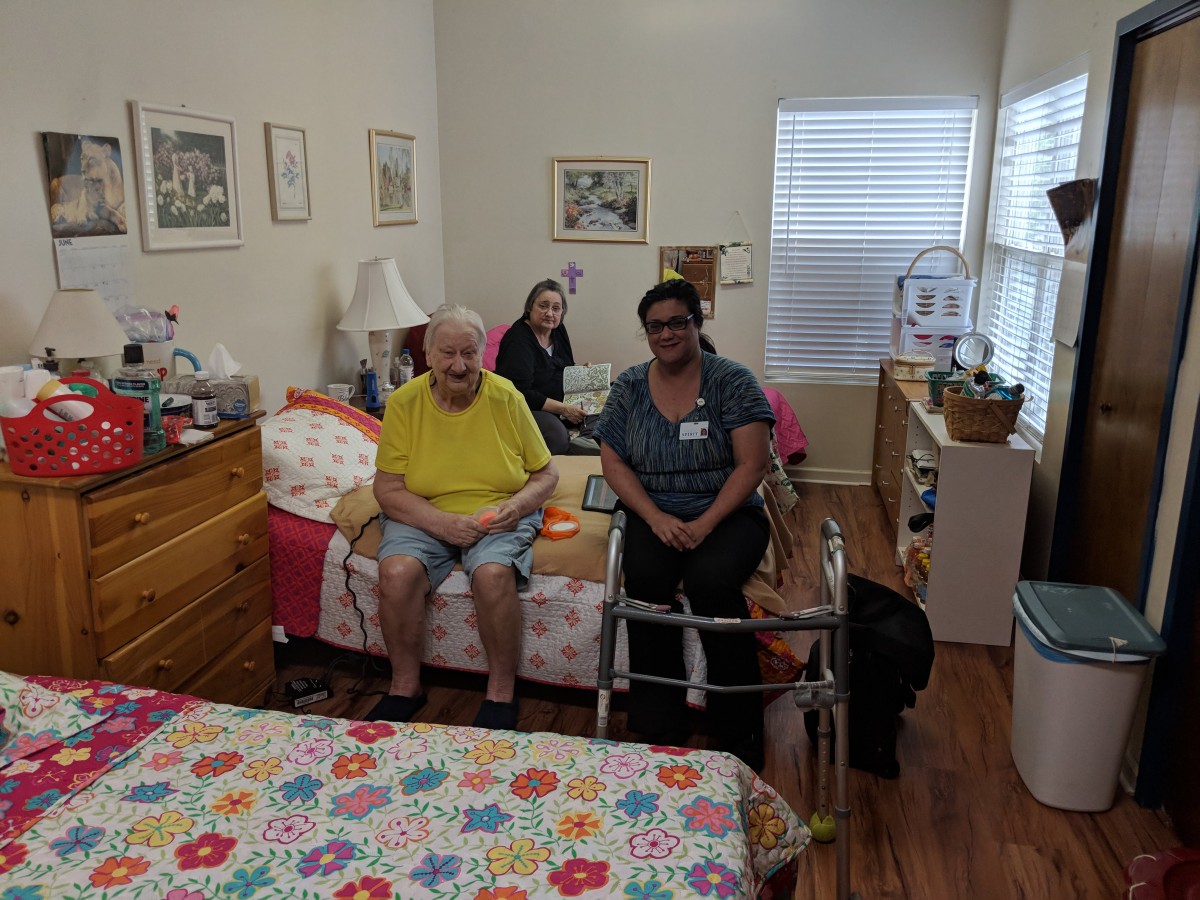
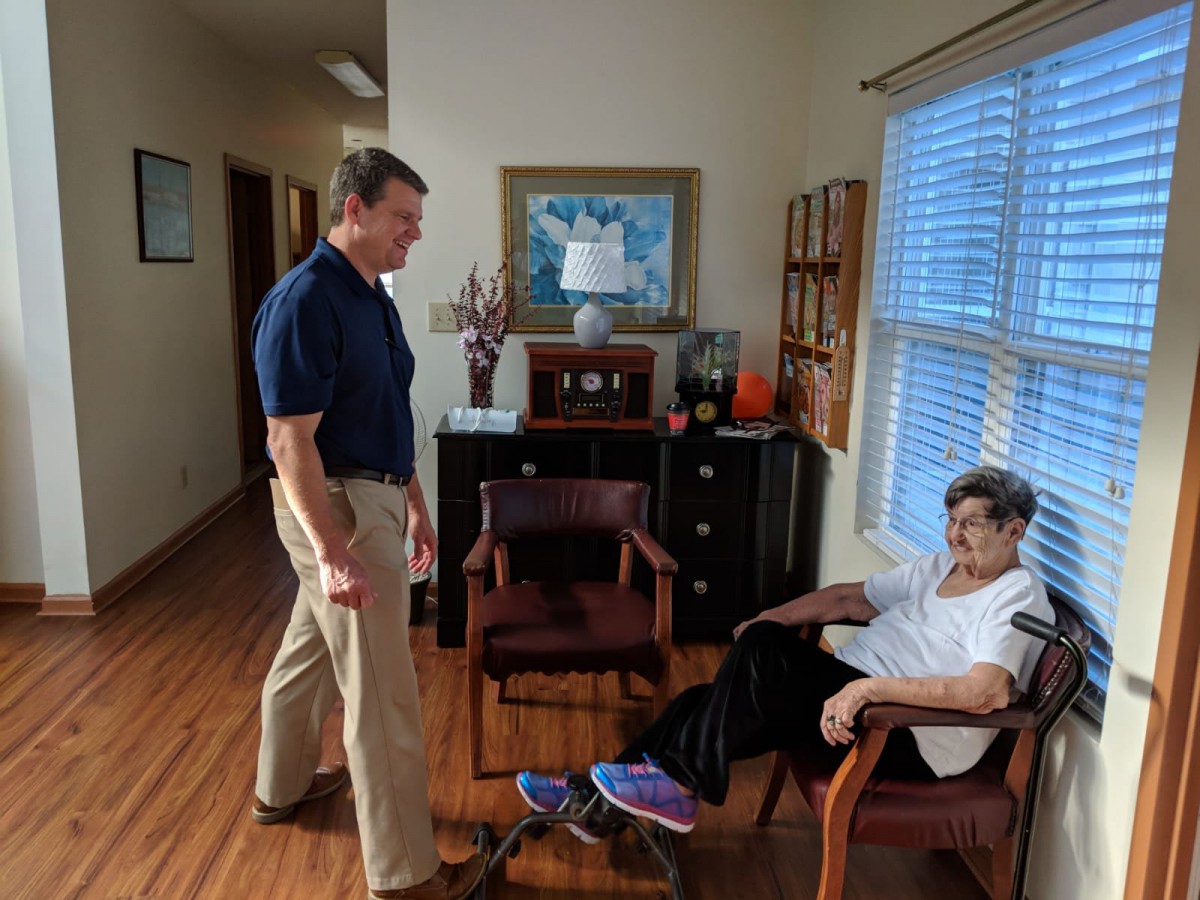
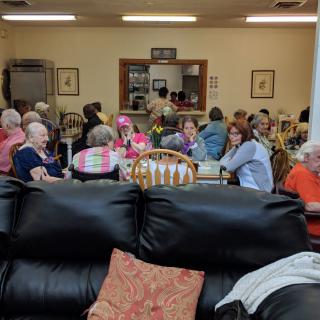
The strongest points lie with the caregiving team and the social fabric they sustain. Several reviews highlight a staff culture that is friendly, attentive, and genuinely committed to keeping residents engaged. Marie, in particular, is singled out for her willingness to help residents, and multiple accounts describe a facility that actively organizes activities, celebrations, and opportunities for residents to be out and about. The sense of community is reinforced by improvements under new ownership, with families reporting that residents look happier, and that the environment feels cleaner and more inviting than before. For families prioritizing human connection and meaningful daily life, these elements carry real weight.
Yet the picture is not uniformly positive. A subset of reviews presents a stark contrast: one extremely negative account describes neglectful conditions, residents left in soiled bedding, odors, a drop in mobility, falls, and losses of belongings, accompanied by dismissive staff responses. Another tour note cited disorganization, outdated staffing information, and a noticeable odor, which undermined confidence in hygiene and reliability. These outlier reports are serious and cannot be dismissed; they signal real risk if such issues recur or if oversight is inconsistent. Taken together, the community’s strengths and its most troubling incidents create a spectrum of experiences that demands careful, corroborated evaluation.
The positive elements can offset concerns for families who stay engaged and insist on accountability. The presence of an active administrator and a cadre of caring caregivers suggests that care quality can rise quickly when leadership prioritizes it. Regular family updates and transparent communication practices help bridge distance and maintain trust, an especially valuable feature for families living far away. Improvements in food quality, programming, and resident participation, observed after management changes, indicate that the operation is capable of fixing problems and sustaining momentum. In situations where visible, ongoing improvements align with a resident’s needs and a family’s expectations, Goose Creek Manor can deliver a genuinely supportive living environment.
Who should consider alternatives? Families dealing with high clinical risk or those requiring stringent safety, cleanliness, and care-standard consistency may wish to compare other communities with proven, steadier track records. For loved ones with complex medical needs, frequent incontinence management, or a history of wandering or behavioral challenges, it’s prudent to scrutinize staffing ratios, caregiver training, and incident reporting more closely before committing. Prospective residents should conduct a thorough tour, insist on meeting the current administrator, request recent inspection results, and seek fresh resident-and-family testimonials to verify that the latest improvements have become durable culture.
In the end, Goose Creek Manor presents a practical balance of warmth, activity, and accessible communication against a backdrop of legitimate safety and consistency questions. For families willing to invest in close oversight, engage with leadership, and monitor ongoing progress, the positives, friendly, capable staff; rich programming; and signs of meaningful improvement, can translate into a solid, livable home. For those who cannot tolerate uneven care or unresolved hygiene concerns, it is wise to explore alternatives with a clearer, consistently enforced standard of care. The decision hinges on current leadership effectiveness, concrete evidence of sustained quality, and a family’s tolerance for risk in exchange for engagement and community life.
 36 resident community capacity
 Assisted Living
 Board and Care Home
 Activities on-site
 Air-conditioning
 Beautician on-site
 Cable or satellite TV
 Devotional services off-site
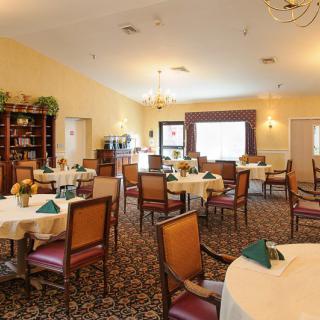
 Dining room
 Fully furnished
 Garden
 Ground floor units
 Housekeeping services
 Indoor common areas
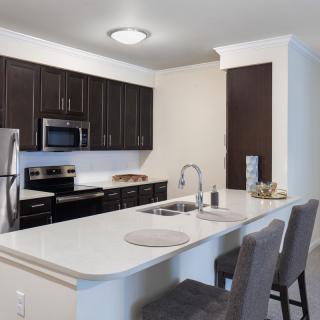
 Kitchenette
 Move-in coordination
 Outdoor common areas
 Restaurant-style dining
 Small library
 Telephone
 Wheelchair accessible showers
 Wi-Fi/high-speed internet available
 Charleston AFB International (7 miles away)
 24-hour call system
 Ambulatory care
 Assistance with bathing
 Assistance with dressing
 Assistance with transfers
 Diabetes diet
 Diabetic care
 Incontinence care
 Medication management
 Mental wellness program
 Special dietary restrictions
 Art classes
 BBQs or picnics
 Birthday parties
 Brain fitness
 Light therapy programs
 Live well programs
 Mormon/LDS services
 Trivia games





 Is Assisted Living Deductible on Your Taxes? Understanding the Complexities of Assisted Living Expenses and Deductions
 Assisted Living Support for Veterans: A Complete and Detailed Overview
 Exploring the Contrasts Between Assisted Living and Skilled Nursing