

South Island Assisted Living in Georgetown, SC

Save

  • Interior

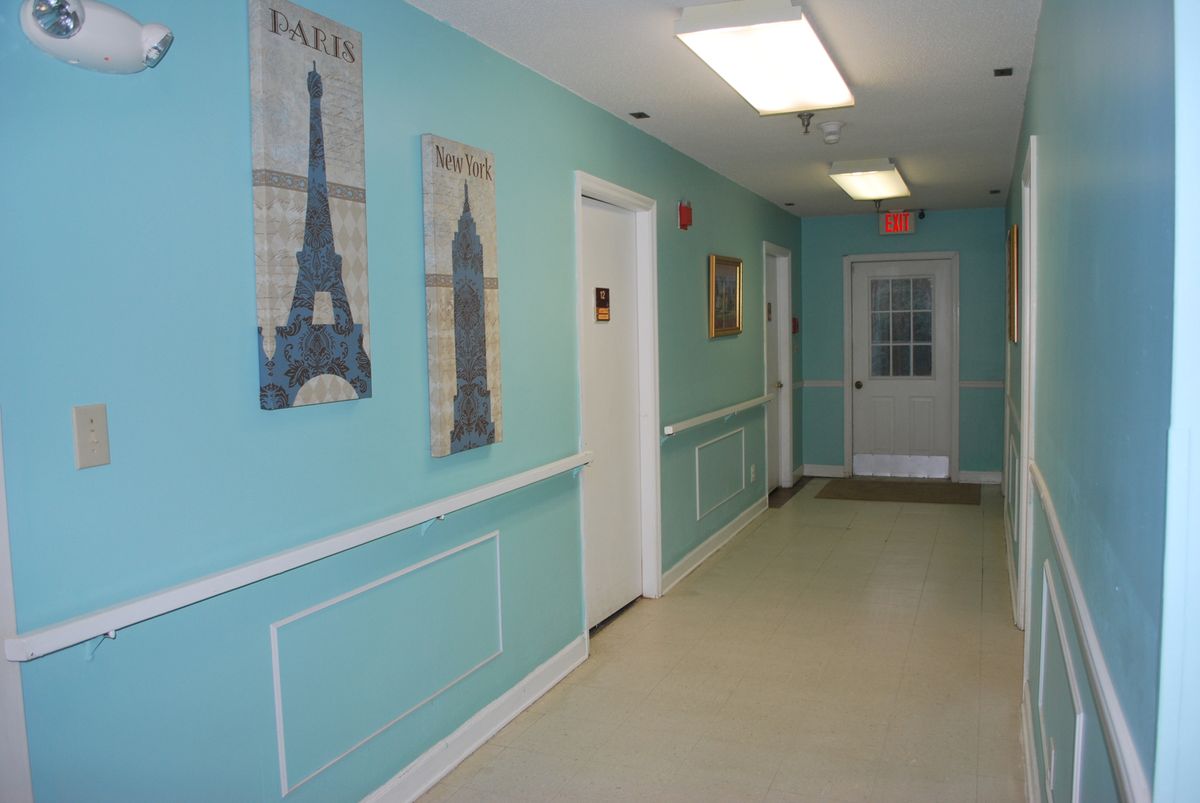
    A hallway with blue walls adorned with Eiffel Tower paintings.
  • Decor

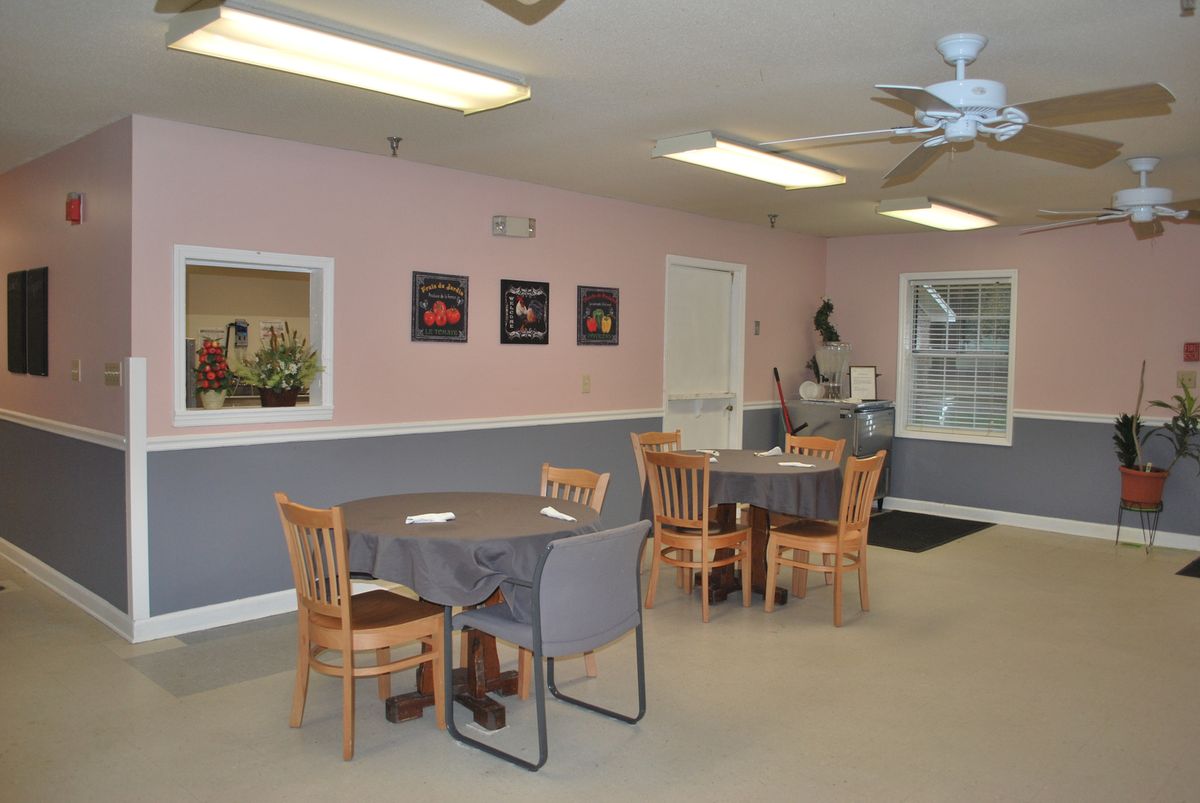
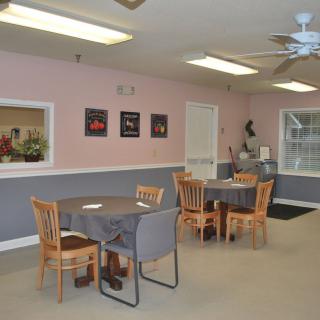
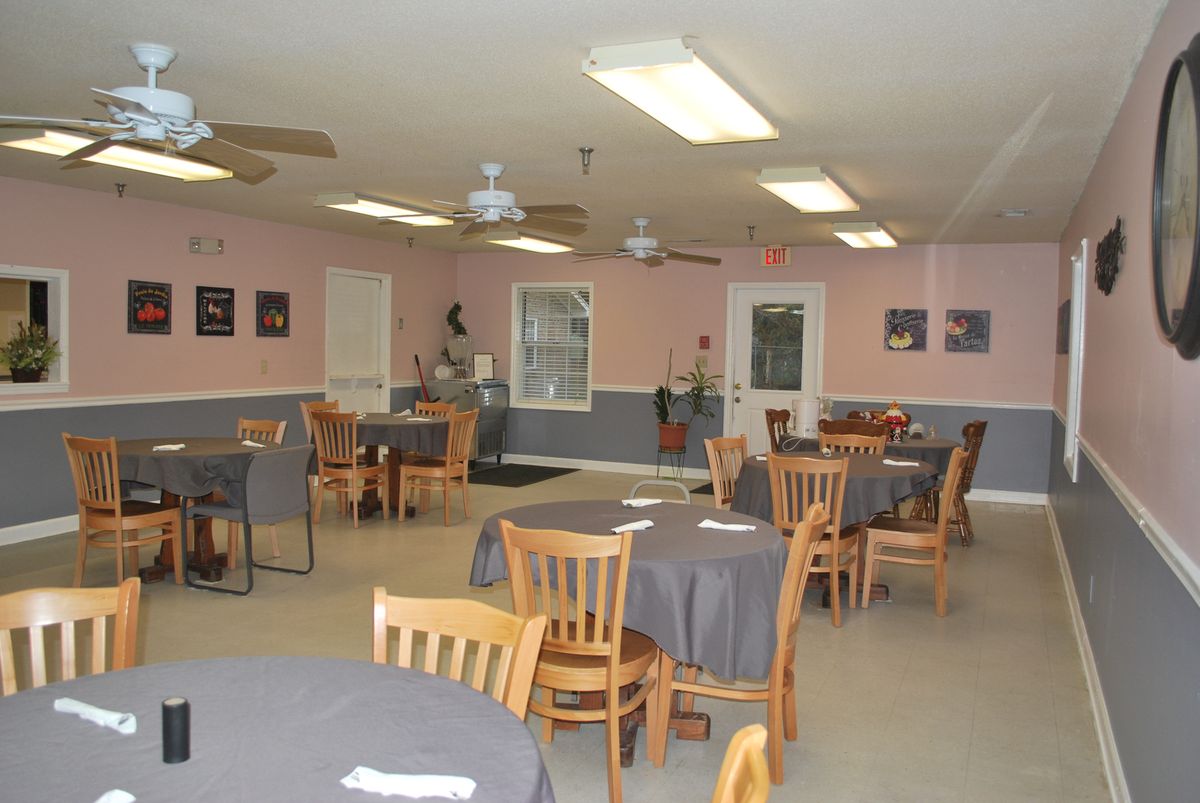
    A small dining area with tables and chairs set up, featuring simple decor and ceiling lights.
  • Living Room

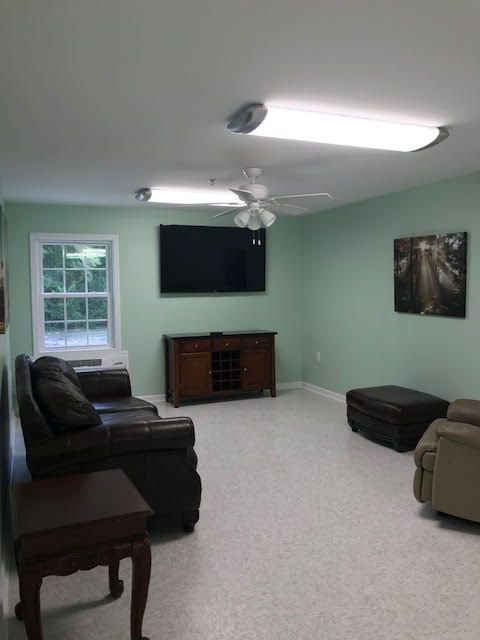
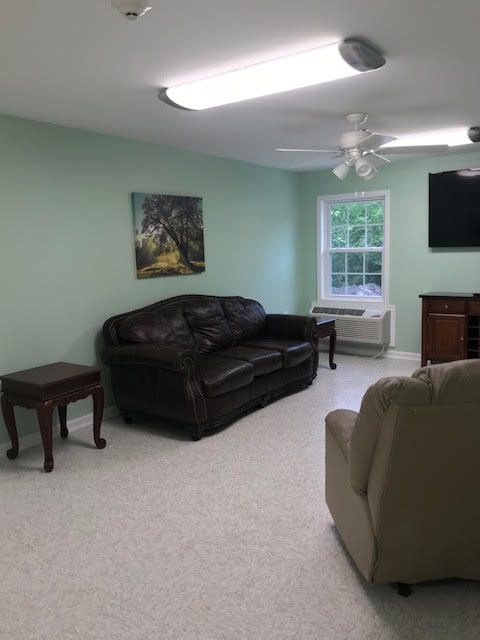
    A cozy living room with green walls, featuring a couch, TV, and framed artwork.
  • Building

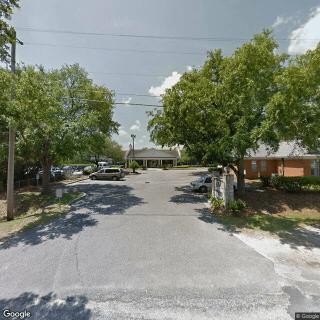
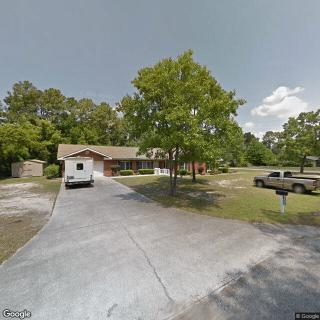
    A single-story residential house surrounded by trees and a lawn.
  • Windows

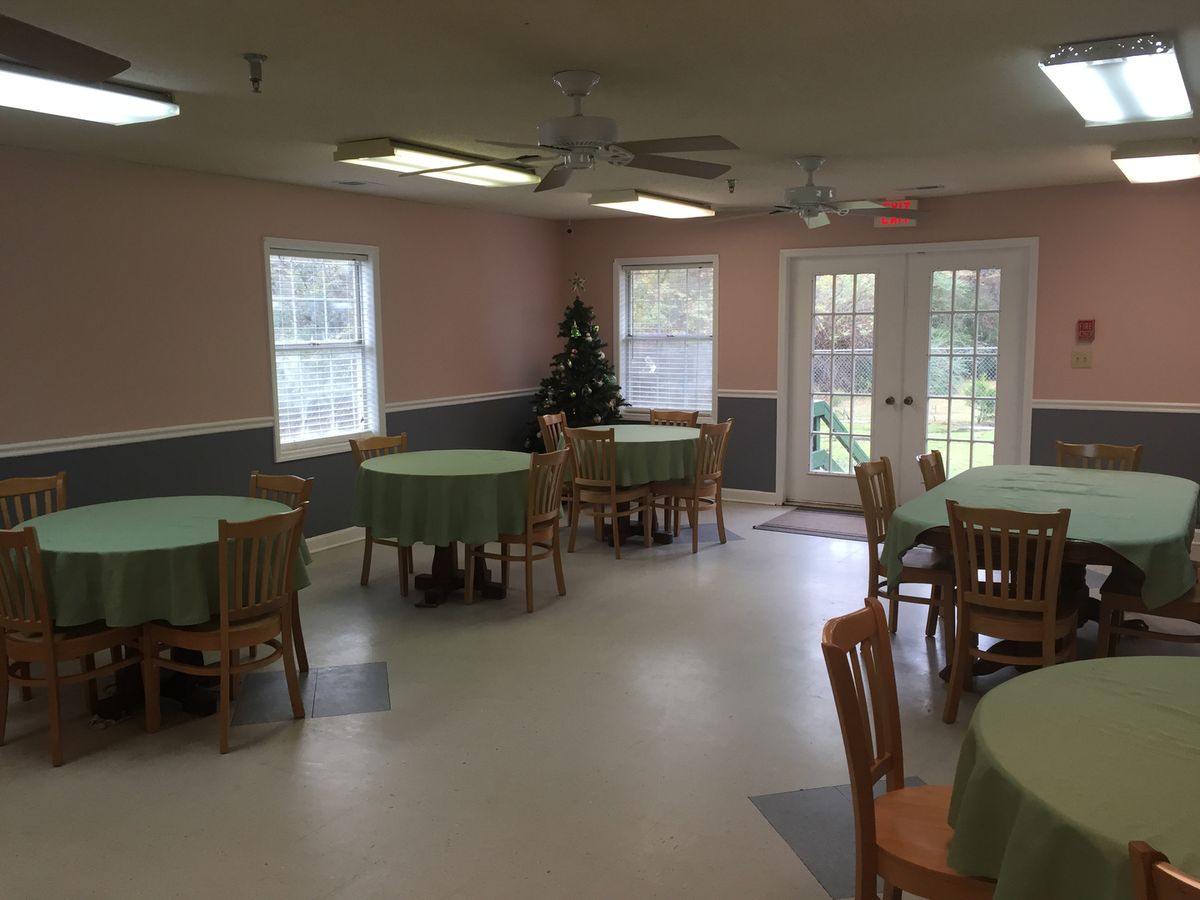
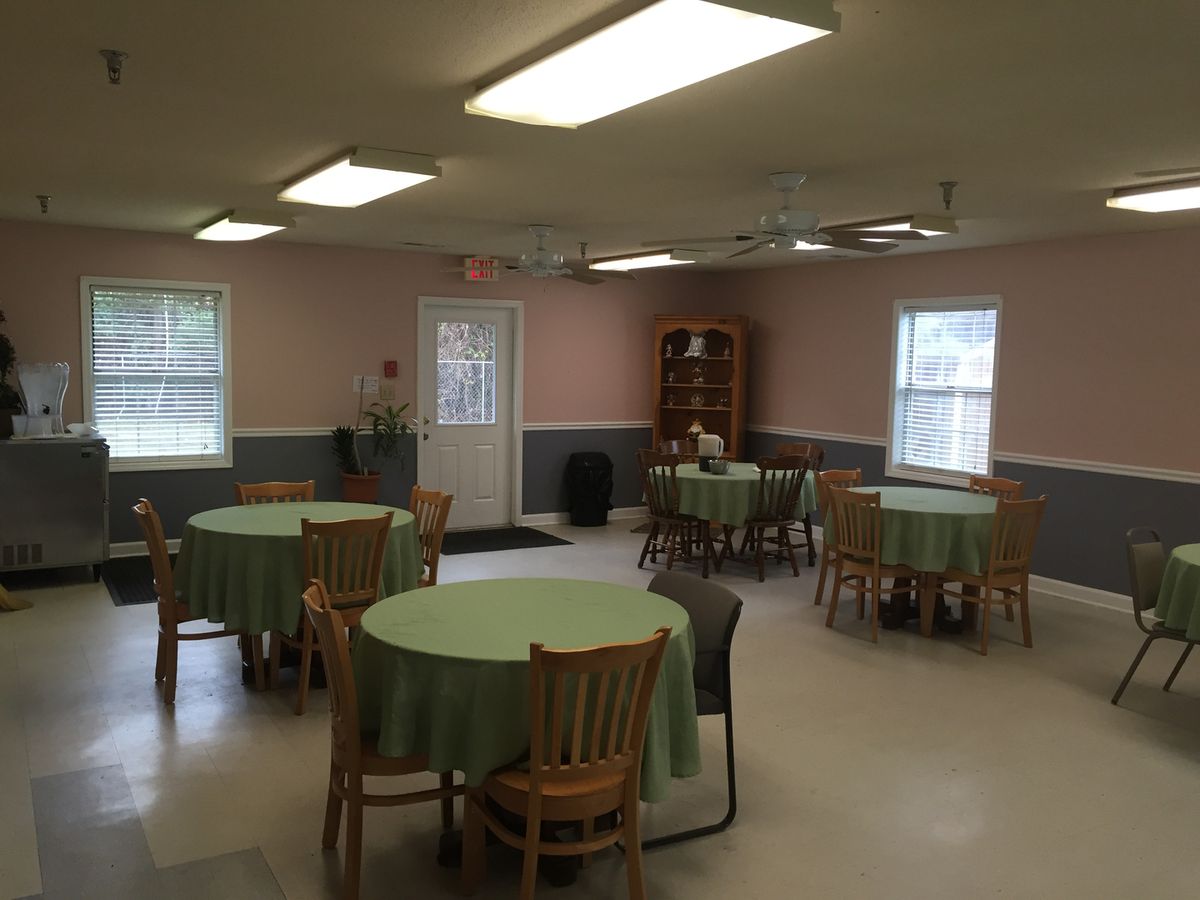
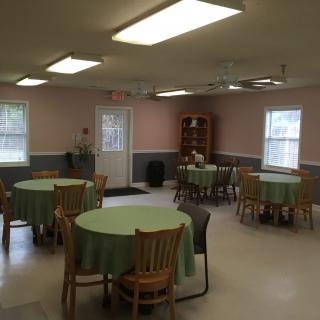
    A community dining area with round tables and green tablecloths.
  • Dining

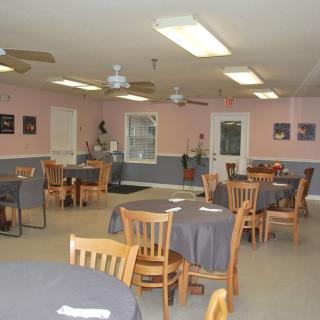
    An empty restaurant interior with neatly arranged tables and chairs.
  • Lighting

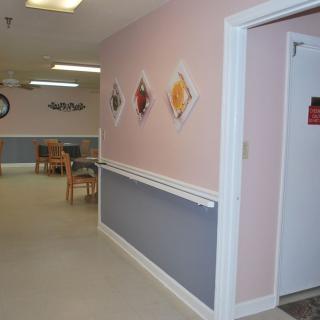
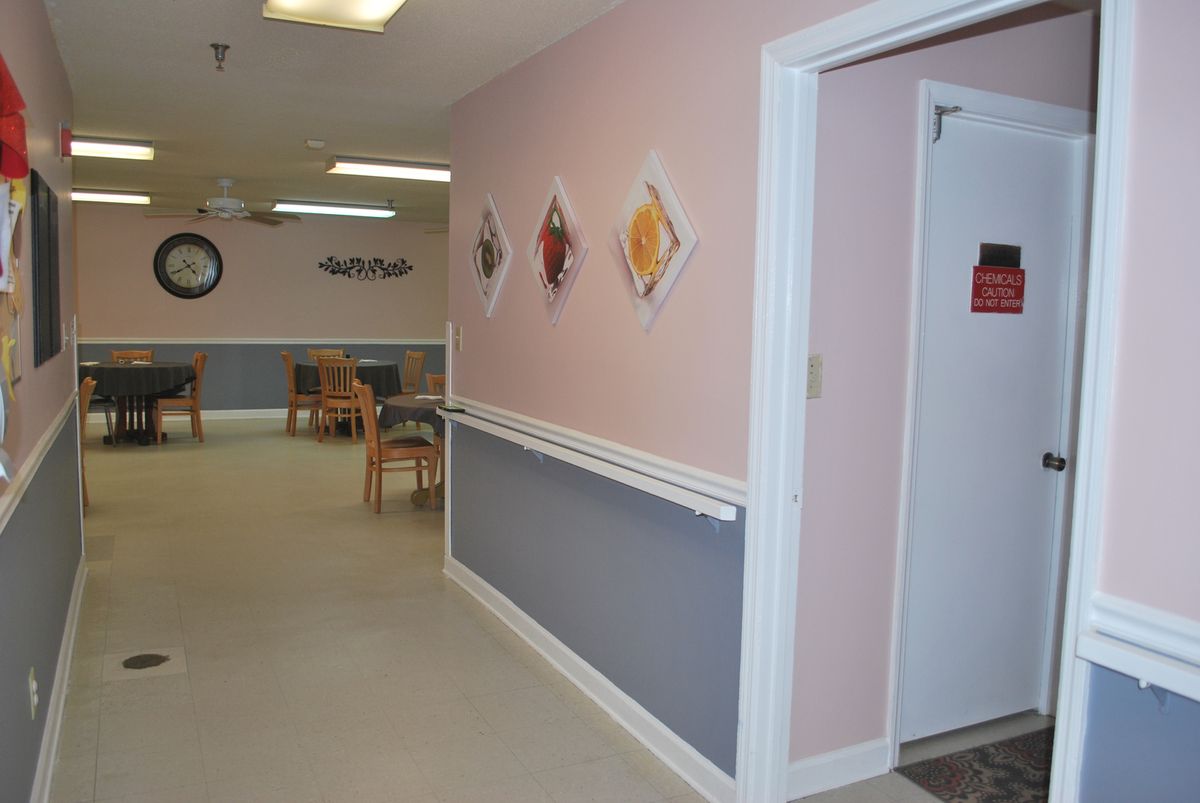
    A hallway with wall art and seating area.
  • Television

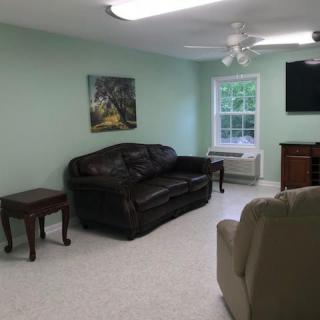
    A cozy living room with a dark sofa, side tables, and a wall-mounted television.
  • Hallway

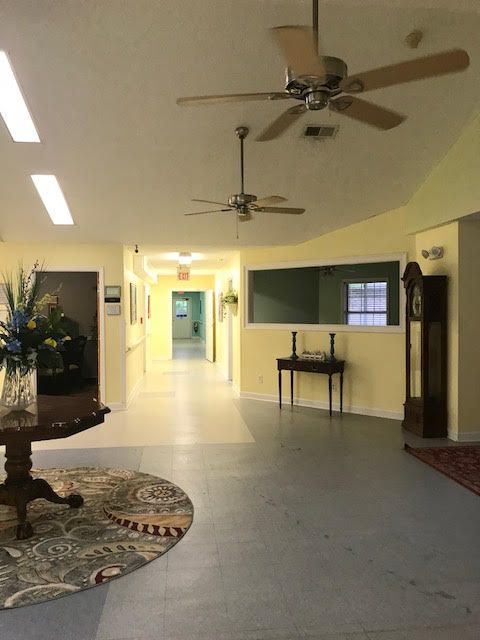
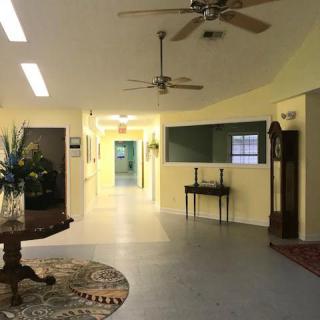
    A spacious hallway with ceiling fans and a grandfather clock.
  • Rug

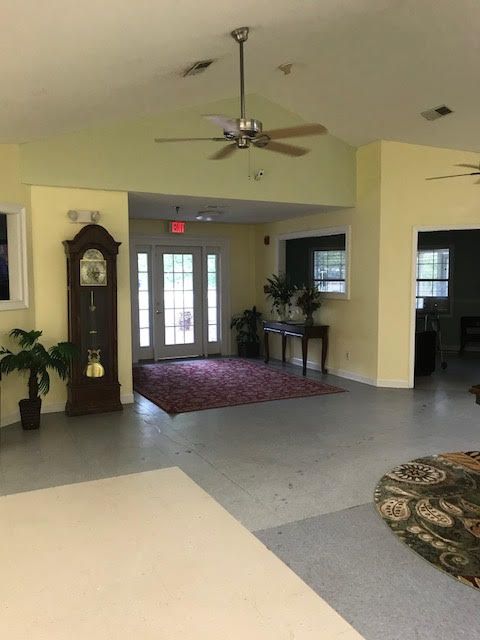
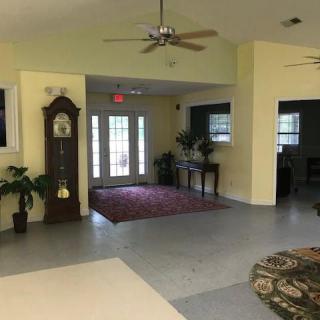
    A spacious living room with a grandfather clock, plants, and a ceiling fan.

South Island Assisted Living in Georgetown, SC

2902 South Island Road, Georgetown, SC 29440

For more information about senior living options: (844) 490-3973

3.6 from 8 reviews
5 stars
4
4 stars
1
3 stars
1
2 stars
0
1 stars
2

Assisted Living Memory Care

Overall Review of South Island Assisted Living

Pros

  • pro The staff are caring and accommodating.
  • pro The resident is happy there, indicating strong care.
  • pro The facility provides more care than typical assisted living.
  • pro The monthly charges are affordable compared with other places.
  • pro The facility is very nice, with a pleasant dining area and good food.
  • pro The private room is nice.

Cons

  • pro The reviewer hates the way the staff treated their mother at this facility.
  • pro The reviewer warns that initial promises about care can be misleading and advises documenting everything.
  • pro The reviewer cautions readers to beware of appearances, since pictures, words, and appearances may not reflect actual services.
  • pro The reviewer notes that, as an assisted living facility, one should not expect nursing home?level attention.

Review

South Island Assisted Living in Georgetown is best suited for families prioritizing affordability and a home-like environment where daily help with activities is available but nursing-level medical oversight is not required. The community tends to attract residents whose loved ones want prompt, ongoing communication about health changes, and who value a private room, pleasant dining, and approachable staff over institutional formality. It is a practical fit for seniors who can manage some variability in service and expect more personal attention than a typical assisted-living setting provides, yet without the higher cost of full-time nursing care. In essence, this community serves budget-conscious elders and their families who want warmth, meaningful interaction, and straightforward daily support.

Those needing consistent, highly reliable staffing or specialized medical or memory-care services should consider alternatives. A resident who requires 24/7 nursing, complex clinical oversight, or a proven, highly structured activity program may not find the level of care uniform enough here. Families that have experienced turnover or who fear that appearances may not reflect actual services should approach with heightened diligence. Prospective residents with demanding schedules or specific medical regimens should compare this community against facilities with guaranteed staffing ratios and clear, written care plans.

Pros that stand out include perceived attentiveness and a willingness to stay in touch with families about changes in health, which can bring real peace of mind. Review anecdotes praise the private room, the generally pleasant facility atmosphere, and staff who are described as accommodating and caring. The dining area is noted as appealing and meals described as good, while some activities like bingo and puzzles provide optional ways to stay engaged. Crucially, the cost is frequently highlighted as more affordable than competing options, reducing financial stress for families while delivering a comfortable, homey setting.

On the downside, experiences with staff turnover and inconsistent service quality appear in several accounts. One critic recounts feeling poorly treated in the care of a parent, while another warns that initial impressions can overstate the depth and consistency of care. The cautionary note about misrepresentations - pictures and surface appearances not reliably reflecting services - should not be ignored. The facility does not provide nursing-home-level attention, and families need to temper expectations with the understanding that the level of clinical oversight will vary with staffing.

Yet the strengths can offset these concerns when approached with clear, proactive planning. The affordability and proactive family communication are meaningful buffers against some risk, especially for residents who primarily need companionship, daily assistance, and social engagement. To maximize reliability, families should request a formal written care plan, ask to see staffing schedules, and insist on documented updates about health changes. It is wise to tour with specific questions about emergency response times, medication management, and who handles changes in condition. If the plan aligns with the resident's needs and expectations, South Island Assisted Living becomes a sensible choice within the right set of constraints.

Bottom line: for budget-minded families seeking a warm, neighborly atmosphere and solid everyday support, South Island Assisted Living offers a practical option in Georgetown. The trade-off is a potential inconsistency in staffing and care depth, balanced by attractive pricing and responsive communication. For anyone prioritizing constant, high-touch nursing oversight or specialized memory-care programs, alternatives should be explored. The next step is a thorough on-site evaluation, candid conversations with the administrator, and a request for written care details, including schedules and escalation procedures. With due diligence, this community can fit well into a care plan that values affordability, personal connection, and realistic expectations.

Features

Housing

  • 32 resident community capacity 32 resident community capacity

Types of Care

  • Assisted Living Assisted LivingAssisted living facilities provide crucial support and care for seniors who may need help with daily tasks such as medication management, bathing, and meal preparation. These communities offer a safe and comfortable environment where seniors can maintain their independence while receiving the assistance they need to thrive in their golden years.
  • Memory Care Memory CareMemory care is crucial for seniors as it provides specialized support and services for individuals with dementia or Alzheimer's disease. These programs offer a safe and secure environment where residents receive personalized care, cognitive stimulation, and help with daily activities. Memory care helps seniors maintain their independence, quality of life, and dignity while also providing peace of mind for their families.

Amenities

  • Beauty salon Beauty salonBeauty salons are important for seniors because they provide a space for them to feel pampered, socialize, and maintain their personal grooming and hygiene. Regular visits to a beauty salon can help boost seniors' self-esteem and overall well-being.
  • Cable or satellite TV Cable or satellite TVCable or satellite TV is important for seniors because it provides entertainment, news, and companionship, helping to combat loneliness and boredom. It also offers a wide range of programming options tailored to different interests and preferences.
  • Dining room Dining roomDining rooms are important for seniors as they provide a space for socialization, connection, and nutritious meals. They offer opportunities for residents to bond over shared meals, foster a sense of community, and promote healthy eating habits. Dining rooms also ensure that seniors have access to well-balanced meals tailored to their dietary needs and preferences.
  • Fully furnished Fully furnishedFully furnished senior living communities are important for seniors because they provide convenience, comfort, and a hassle-free moving experience. Seniors can easily settle into their new living space without the stress of having to buy and move furniture. This allows them to focus on enjoying their new home and community.
  • Garden GardenGardens are important for seniors as they provide a peaceful and therapeutic environment for relaxation, physical activity, and socialization. Being in nature has been shown to reduce stress, improve mood, and promote overall well-being. Gardens also offer opportunities for seniors to engage in gardening activities, which can improve mobility, flexibility, and cognitive function. Additionally, gardens create a sense of community and connection with others who share a passion for plants and outdoor spaces.
  • Housekeeping services Housekeeping servicesHousekeeping services are important for seniors because they help maintain a clean and safe living environment, promote independence, and reduce the risk of accidents or illnesses. Additionally, having assistance with household chores can alleviate physical strain and allow seniors to focus on other aspects of their well-being.
  • Kitchenette KitchenetteKitchenettes are important for seniors living in senior living communities because they provide the convenience and independence of being able to prepare simple meals and snacks in the comfort of their own living space. This can help promote a sense of autonomy and well-being for seniors, allowing them to maintain some level of control over their dietary choices and daily routines.
  • Move-in coordination Move-in coordinationMove-in coordination is important for seniors because it helps ease the transition into their new living environment. It ensures that all logistics, such as packing, organizing movers, and setting up utilities are taken care of, allowing seniors to focus on settling in and adjusting to their new home. Having a smooth move-in process can alleviate stress and anxiety, making the transition smoother and more enjoyable for seniors.
  • Outdoor space Outdoor spaceOutdoor spaces are important for seniors as they provide opportunities for physical activity, social interaction, exposure to natural light and fresh air, and a sense of connection to nature. Having access to outdoor spaces can improve overall well-being and quality of life for older adults living in senior communities.
  • Restaurant-style dining Restaurant-style diningRestaurant-style dining is important for seniors because it allows them to enjoy delicious, nutritious meals in a social and upscale setting. This enhances their dining experience, promotes healthy eating habits, and fosters socialization with fellow residents, ultimately contributing to their overall well-being and quality of life.
  • Small library Small librarySmall libraries are important for seniors as they provide access to a variety of reading materials, including books, newspapers, and magazines. This can help stimulate their minds, keep them engaged, and provide a sense of community through book clubs and other social activities. Additionally, reading has been shown to improve cognitive function and overall mental well-being in older adults.
  • TV room TV roomTV rooms are important for seniors in senior living communities because they provide a space for social interaction, entertainment, and relaxation. Watching TV can help reduce feelings of loneliness and boredom, and create a sense of community among residents. Additionally, TV rooms offer a break from daily routines and can be a source of comfort and familiarity for seniors.
  • Telephone TelephoneTelephones are important for seniors as they provide a lifeline for communication with loved ones, emergency services, and healthcare providers. They offer a sense of security and independence, enabling seniors to stay connected and access assistance when needed.
  • Wi-Fi/high-speed internet available Wi-Fi/high-speed internet availableWi-Fi/high-speed internet is important for seniors to stay connected with loved ones, access online resources, and participate in virtual activities to combat feelings of loneliness and isolation. It also allows them to easily manage healthcare needs, access entertainment, and engage in lifelong learning opportunities.

Care Services

  • 24-hour call system 24-hour call system24-hour call systems are important for seniors because they provide peace of mind and immediate assistance in case of emergencies. This technology ensures that help is always available, promoting safety and security for elderly individuals living alone or in assisted living facilities.
  • 24-hour supervision 24-hour supervision24-hour supervision is important for seniors to ensure their safety, well-being, and access to immediate assistance in case of emergencies or health issues. This constant support provides peace of mind for both seniors and their loved ones, allowing them to age in place with dignity and security.
  • Activities of daily living assistance Activities of daily living assistanceActivities of daily living assistance are important for seniors because they provide essential support with tasks such as eating, bathing, dressing, and mobility. This assistance helps seniors maintain their independence, dignity, and overall quality of life as they age.
  • Assistance with bathing Assistance with bathingAssistance with bathing is crucial for seniors as it helps maintain personal hygiene, prevents infections, and ensures their overall well-being and comfort. It also provides a sense of dignity and independence for seniors who may struggle with this task on their own.
  • Assistance with dressing Assistance with dressingAssistance with dressing is important for seniors because it helps maintain their independence, promotes personal hygiene, prevents accidents and injuries, and improves overall quality of life. This service ensures that seniors can continue to dress comfortably and confidently, despite any physical limitations they may have.
  • Assistance with transfers Assistance with transfersAssistance with transfers is crucial for seniors as it helps prevent falls and injuries, maintains their independence, and ensures they can safely navigate their living environment. It also provides peace of mind for both seniors and their loved ones.
  • Diabetes diet Diabetes dietA diabetes diet is crucial for seniors as it helps manage blood sugar levels, reduce risks of complications, and improve overall health and well-being. By following a balanced and nutritious diet tailored to their specific needs, seniors can better control their diabetes and enhance their quality of life.
  • Meal preparation and service Meal preparation and serviceMeal preparation and service are crucial for seniors as they may have limited mobility or energy to cook nutritious meals. Having access to healthy and convenient food options can ensure they are getting the proper nutrition needed to maintain their overall health and well-being.
  • Medication management Medication managementMedication management is crucial for seniors to ensure they are taking the right medications at the correct dosages and times. This helps prevent adverse drug interactions, reduces the risk of medication errors, and promotes overall health and well-being. Proactive management also allows for adjustments as needed based on changing health conditions or new prescriptions.
  • Mental wellness program Mental wellness programMental wellness programs are essential for seniors as they promote cognitive stimulation, emotional support, and social engagement. These programs help prevent isolation, depression, and cognitive decline, ultimately enhancing the overall quality of life for older adults.
  • Special dietary restrictions Special dietary restrictionsSpecial dietary restrictions are important for seniors because age-related changes in metabolism and health conditions can make it difficult for their bodies to process certain foods. By following a diet tailored to their specific needs, seniors can maintain their overall health and well-being, manage chronic conditions, and reduce the risk of complications such as malnutrition or food interactions with medications.

Dining

  • Diabetes diet Diabetes dietA diabetes diet is crucial for seniors as it helps manage blood sugar levels, reduce risks of complications, and improve overall health and well-being. By following a balanced and nutritious diet tailored to their specific needs, seniors can better control their diabetes and enhance their quality of life.
  • Special dietary restrictions Special dietary restrictionsSpecial dietary restrictions are important for seniors because age-related changes in metabolism and health conditions can make it difficult for their bodies to process certain foods. By following a diet tailored to their specific needs, seniors can maintain their overall health and well-being, manage chronic conditions, and reduce the risk of complications such as malnutrition or food interactions with medications.

Activities

  • Activities off-site Activities off-siteActivities off-site are crucial for seniors as they provide opportunities for socialization, mental stimulation, and physical activity outside of their usual routine. This helps combat feelings of isolation and boredom, promotes overall well-being, and allows seniors to remain engaged in the community.
  • Community-sponsored activities Community-sponsored activitiesCommunity-sponsored activities are important for seniors as they provide opportunities for social interaction, mental stimulation, and physical activity. These activities can help improve overall well-being, combat loneliness and isolation, and promote a sense of belonging and purpose among older adults.
  • Resident-run activities Resident-run activitiesResident-run activities are important for seniors as they encourage social interaction, creativity, and a sense of autonomy. These activities empower seniors to stay engaged and active in their community while fostering meaningful connections with their peers.
  • Scheduled daily activities Scheduled daily activitiesScheduled daily activities are important for seniors because they provide structure, socialization, mental stimulation, and physical activity. Engaging in regular activities can improve overall well-being and quality of life for seniors living in a community setting.

Languages Spoken

  • English EnglishEnglish is important for seniors as it allows them to communicate effectively with healthcare providers, understand important information related to their health and medications, stay connected with loved ones, and engage in social activities within their communities. It also opens up opportunities for lifelong learning and intellectual stimulation.

Description

South Island Assisted Living in Georgetown, SC is a premier memory care facility that provides exceptional care and support for individuals with memory-related conditions. Our community offers a wide range of amenities to ensure the comfort and well-being of our residents.

Each room in our community is fully furnished and equipped with cable or satellite TV, a kitchenette, telephone, and Wi-Fi/high-speed internet access. Residents can enjoy their meals in our spacious dining room where restaurant-style dining is provided, offering delicious and nutritious options to cater to special dietary restrictions.

To promote an engaging and social environment, we offer various activities such as community-sponsored events, resident-run activities, and scheduled daily activities. Our small library and TV room provide spaces for relaxation and entertainment.

The care services at South Island Assisted Living are designed to meet the unique needs of each individual under 24-hour supervision. Our compassionate staff provides assistance with activities of daily living including bathing, dressing, and transfers. Medication management ensures that residents receive their medications promptly and accurately.

For those requiring specific dietary guidelines such as diabetic diets or special dietary restrictions, our dedicated team ensures that meals are prepared accordingly. Additionally, our mental wellness program focuses on promoting cognitive abilities and emotional well-being.

Conveniently located near cafes, parks, pharmacies, physicians' offices, restaurants, transportation options, and places of worship - South Island Assisted Living offers a convenient living experience for both residents and their families.

At South Island Assisted Living in Georgetown, SC, we strive to provide a supportive community where residents can feel safe while receiving the highest quality care.

Nearby Places of Interest

Places of Worship

  • Springs Of Hope Ministries (0.5 miles)
  • Messiah Baptist Church (0.5 miles)
  • God's Special Lady Ministry (0.8 miles)
  • Consumed Student Ministries (0.9 miles)
  • Maryville Pentecostal Holiness Church (1.2 miles)
  • Shiloh Ame Church (2.2 miles)
  • GFA Sound Booth (3 miles)

Pharmacies

  • Winyah Pharmacy Solutions (1.2 miles)
  • CVS Pharmacy (3.4 miles)
  • Caresc Pharmacy (3.7 miles)
  • The Medicine Shoppe (4.1 miles)
  • Walgreens (4.2 miles)
  • Walmart Pharmacy (4.7 miles)
  • Winyah Hearing Aid Center (5 miles)

Restaurants

  • Deborah's Kitchen (1.3 miles)
  • China King (1.4 miles)
  • Stephen's (1.5 miles)
  • Independent Seafood Market-Shrimp Dock (2.8 miles)
  • SoCo Grille (2.8 miles)
  • Buzzs Roost (2.9 miles)
  • Olives Tavern (3.2 miles)

Transportation

  • Georgetown County Airport (GGE) (1.5 miles)
  • U-Haul (3 miles)
  • Bradley R A Taxi Service (3.8 miles)

Parks

  • Morgan Park (2.3 miles)
  • Eastbay Park (2.6 miles)
  • Mike Johnson Park (3 miles)
  • Parks And Recreation (3.8 miles)

Cafes

  • Purr & Pour Cat Cafe (2.9 miles)
  • Starbucks (12.3 miles)

Physicians

  • Terry L FRY (3.1 miles)
  • Taylor Joan Wynn MD (3.2 miles)
  • Coastal Optical (3.2 miles)
  • St James Santee Family Health (3.6 miles)
  • Waccamaw Urology Associates (3.6 miles)
  • Waccamaw Urology (3.7 miles)
  • Tidelands Health (3.7 miles)

Hospitals

  • Yawkey Cancer Center (5.7 miles)
  • Five Star Quality Care (5.9 miles)

Frequently Asked Questions

Where is South Island Assisted Living?
Does South Island Assisted Living provide care for residents with dementia or Alzheimer's disease?
What photos are available for South Island Assisted Living in Georgetown, South Carolina?

Nearby Communities

  • Blue Ridge In Georgetown

    Blue Ridge In Georgetown

    Georgetown, SC

    4 from 15 reviews
     

    pro Extensive amenities and comprehensive care (on-site dining, transport, wellness programs, and private furnished apartments).

  • Prince George Healthcare Center

    Prince George Healthcare Center

    Georgetown, SC

    3.5 from 41 reviews
     

    pro Friendly staff and engaging activities in a peaceful setting.

  • Maryville Community Residence

    Maryville Community Residence

    Georgetown, SC

    5 from 1 review
     

    pro Fully furnished rooms with meals and daily activities.

  • Oasis Residential Home

    Oasis Residential Home

    Georgetown, SC


    pro Strong memory-care focus with 24/7 supervision, medication management, and engaging activities.

  • Winyah Convalescent Ctr

    Winyah Convalescent Ctr

    Georgetown, SC

    5 from 4 reviews
     

    pro Convenient access to amenities and healthcare services.

  • Georgetown Active Day Ctr

    Georgetown Active Day Ctr

    Georgetown, SC

    4.6 from 7 reviews
     

    pro Diabetic care and day program with on-site activities and meals provided.

  • Arbor Landing at Pawleys

    Arbor Landing at Pawleys

    Pawleys Island, SC

    4.9 from 72 reviews
    $4,080 to $5,875 / month

    pro Very clean facility with engaging activities and a welcoming, new environment.

  • Lakes at Litchfield

    Lakes at Litchfield

    Pawleys Island, SC

    4.7 from 123 reviews
    $2,369 to $3,100 / month

    pro Welcoming, family-like community with attentive staff, excellent dining, and engaging activities.

  • Carolina Gardens at Garden City

    Carolina Gardens at Garden City

    Murrells Inlet, SC

    4.2 from 40 reviews
    $2,930 to $4,259 / month

    pro Friendly staff, clean facilities, engaging activities, and good value with chef-prepared meals.

Related Resources

  • end stage dementiaComprehensive Insights on the Late Stages of Dementia: What to Expect and How to Provide Care

    The article discusses the late stages of dementia, detailing the progression from mild to severe impairment and highlighting key characteristics such as profound cognitive decline and dependency in daily activities. It emphasizes care strategies focused on comfort and dignity, the importance of advance directives, and the emotional support needed for family caregivers facing this challenging journey.

  • list of drugs linked to dementiaMedications Associated with Dementia Risk: A Comprehensive Overview

    The article examines the link between certain medications and increased dementia risk, particularly in older adults, emphasizing that long-term or high-dose use of anticholinergics, benzodiazepines, and other drug classes can exacerbate cognitive impairment. It calls for careful medication evaluation and shared decision-making to mitigate these risks while managing treatment efficacy.

  • power of attorney for elderly parentGuiding Your Journey: Understanding Power of Attorney for Elderly Parents
    The article emphasizes the significance of establishing a power of attorney for elderly parents to enable an agent to make decisions on their behalf regarding health and finances, especially during cognitive or physical decline. It outlines various types of power of attorney, the importance of consulting legal professionals, and the responsibilities and challenges faced by agents, while also discussing alternatives and common misconceptions.