
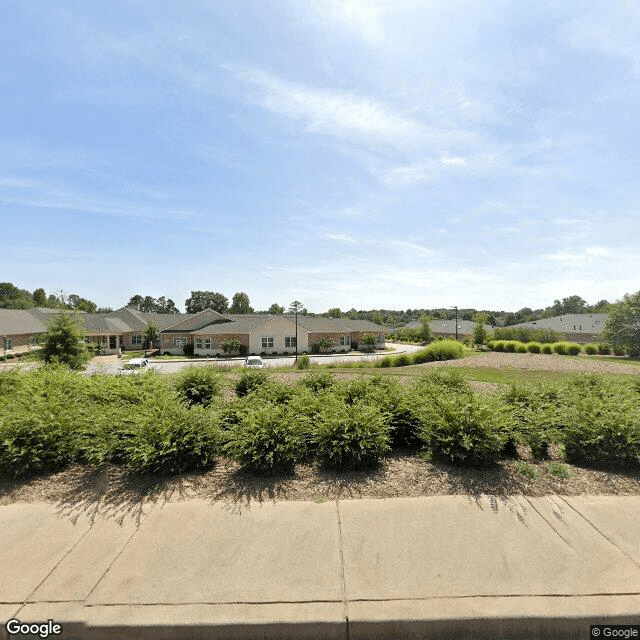
1061 Gold Hill Road, Fort Mill, SC 29708
For more information about senior living options: (866) 208-4318
Overall Review of Autumn Leaves Of Fort Mill
Pros
 The Pearl at Fort Mill is a nice place.
- The staff member who gave the tour was thorough and informative.
- The facility is open, bright, and well-kept, with large rooms.
- It offers amenities like game areas, TV rooms, courtyards, and a hairdresser.
- Residents can walk throughout the facility and it feels very secure.
- Move-in and follow-up were great, and residents adjust well.
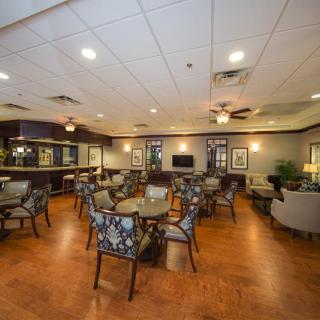
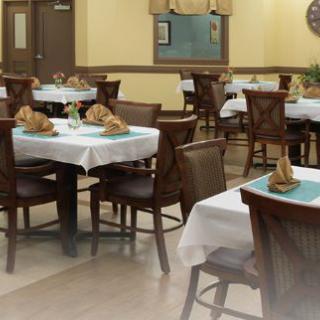
- The dining facility is large, pleasant, and staff are attentive during meals.
- The menu is varied and offers good alternatives.
- The staff seem dedicated and caring, and the place appears well cared for.
- Autumn Leaves of Fort Mill provides abundant daily programming in a bright, spacious setting.
- The companion suite at Autumn Leaves is nice and offers two rooms.
Cons
 The Pearl at Fort Mill didn’t match their needs.
- It was described as a strict memory care facility, and her mother wasn’t at that level yet.
- The facility seemed older, even though it was well-kept.
- Activities and outings were restricted at the time.
Review
Autumn Leaves of Fort Mill is best suited for memory-impaired seniors who require a highly structured, secure, and socially active environment within a smaller, close-knit setting. We see it as ideal for residents in the early-to-mid stages of memory loss who can still navigate a walkable campus and benefit from purposeful programming, bright common spaces, and predictable routines. The community’s roughly 50-resident footprint fosters familiarity, staff accessibility, and a sense of belonging, factors families consistently note in visits and move-in experiences. Spacious, open rooms and two dining areas contribute to a comfortable daily rhythm, while the emphasis on activities, from crafts to library time to planned outings, supports ongoing engagement and mood stability. Security features aren’t optional here; they’re a practical priority that lets families visit with confidence.
Nevertheless, families should consider alternatives when memory care is not yet essential or when independence is a higher priority. The Pearl at Fort Mill operates strictly as a memory-care facility and, while it shows dedication from staff and a thorough program overview, the environment can feel more restrictive and older in design. For loved ones not yet requiring intensive memory support, a non-memory-care assisted living option may deliver more freedom, less routine constraint, and a broader range of activities without the same level of daily memory-support structure. In short, Autumn Leaves excels for memory-care readiness; alternatives exist for those not there yet or who desire a different balance of independence and supervision.
On the plus side, robust daily programming, attentive dining service, and a strong sense of security tilt heavily in Autumn Leaves’ favor. The schedule routinely includes crafts, movement, and social opportunities, enabling residents to stay engaged without feeling overwhelmed. Wide corridors and bright interiors contribute to a welcoming atmosphere that reduces anxiety and supports safe wandering for those who remain mobile. The availability of companion suites, the two-room option, adds meaningful value for couples who wish to stay together and maintain shared routines. The dining experience stands out as thoughtful and attentive, with varied menus and the flexibility to accommodate preferences, a meaningful detail as tastes and appetites shift with memory changes. These strengths help offset the small community size and occasional limits on outside trips.
The care narrative families relay reinforces Autumn Leaves’ strengths: warmth, responsiveness, and tangible evidence of dedicated daily care. One family member described the move-in and ongoing staff support as exceptionally smooth, underscoring hands-on involvement in day-to-day life. Testimonials emphasize a secure environment where residents can walk freely yet remain protected, and where staff actively check in during meals to ensure comfort and safety. Access to on-site amenities, a hairdresser, library, multiple activity spaces, without sacrificing personal attention paints a reassuring picture for families weighing quality of life against the realities of care. The emotional relief of knowing a loved one is thriving is repeatedly highlighted and matters as much as any brochure claim.
To make the most informed choice, prospective residents should evaluate several practical dimensions on campus visits. Confirm wander-management features and staff-to-resident ratios, and assess accessibility across common areas. Inspect room sizes, bathroom layouts, and the availability of companion suites for spouses who wish to stay close. Review the activities calendar for breadth and adaptability, are outings feasible, or are trips presently limited? Taste-test the dining program and the flexibility of meal planning, because nutrition and social dining play a central role in mood and engagement. Finally, understand the admission process for memory care, including how routine changes are managed when cognitive needs evolve and what transition support is available if memory demands intensify.
Bottom line: Autumn Leaves of Fort Mill stands out for memory-care-focused families who prize security, structure, and a lively daily rhythm within an intimate, easily navigated setting. Its strongest justification lies in the combination of active programming, attentive dining, and a reassuring staff presence, which collectively deliver sustained quality of life for residents at this stage. Those not yet at the memory-impaired threshold, or those seeking a more independent or non-memory-care environment, should consider alternatives. For families ready to commit to a monitored, engaging memory-care plan, a candid tour and a direct discussion with admissions will sharpen the decision, clarify costs, set expectations, and map out transition support.
 54 resident community capacity
 Studio apartments
 Assisted Living
 Memory Care
 Air-conditioning
 Beauty salon
 Cable or satellite TV
 Computer center
 Dining room
 Fitness room
 Fully furnished
 Gaming room
 Garden
 Housekeeping services
 Kitchenette
 Move-in coordination
 Outdoor space
 Private bathrooms
 Restaurant-style dining
 Small library
 Telephone
 Wellness center
 Wi-Fi/high-speed internet available
 Charlotte Douglas International (11 miles away)
 Community operated transportation
 12-16 hour nursing
 24-hour call system
 Activities of daily living assistance
 Assistance with bathing
 Assistance with dressing
 Assistance with transfers
 Diabetes diet
 Medication management
 Mental wellness program
 Special dietary restrictions
 Concierge services
 Planned day trips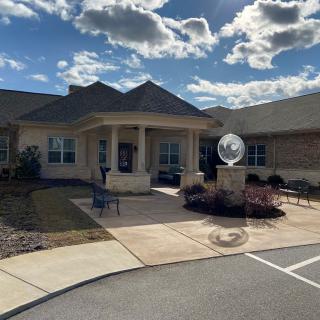


 Exploring the Contrasts Between Assisted Living and Skilled Nursing
 Vibrant Senior Living: A Comprehensive Guide for Active Older Adults
 Assisted Living and Memory Care: Understanding Their Core Differences