

704 Anderson Street, Calhoun Falls, SC 29628
For more information about senior living options: (866) 208-4318
Harmony House Residential Care Costs & Pricing
Harmony House Residential Care offers a competitive pricing structure for its residents, significantly undercutting the average costs found in both McCormick County and the broader state of South Carolina. For semi-private rooms, Harmony House charges $1,800 per month, which is $300 less than the county average of $2,100 and notably lower than the state average of $3,243. Similarly, their private rooms are priced at $2,400 per month - about $133 less than McCormick County's average of $2,267 and substantially more affordable compared to the state average of $4,246. This pricing strategy not only highlights Harmony House's commitment to providing quality residential care but also emphasizes its goal to make such services accessible to a wider range of families seeking excellent care options for their loved ones.
| Floor plans | Harmony House Residential Care | McCormick County | South Carolina |
|---|---|---|---|
| Semi-Private | $1,800 | $2,100 | $3,243 |
| Private | $2,400 | $2,267 | $4,246 |
Assisted Living communities with a similar price nearby
-
from +$200 / mo

The Renaissance
$2,000 to $3,300 / month19.4 miles away
Overall Review of Harmony House Residential Care
Cons
 It is the worst place the reviewer has ever visited.
- The smell of urine was overwhelming.
- It was so dark that one couldnā€™t see where they were standing, even at midday.
- The reviewer would never bring a family member here.
- The overall tone is sad about the experience.
Review
Harmony House Residential Care in Calhoun Falls appears best suited for families seeking a very small, low-frills residential option where cost and proximity may take precedence over polished amenities. The feedback available is sparse and inconsistent, but what is clear from the clearest, strongest critique is that this setting can feel uncomfortable for anyone expecting standard cleanliness and basic daily comfort. In practical terms, it reads as a place that may meet minimal care needs only if the budget is the dominant concern and if a shopper is willing to overlook notable deficiencies in the living environment.
This review profile makes it important to explicitly flag who should consider other options. For families prioritizing a clean, well-lit, and predictably nourished environment with reliable daily care routines, alternatives are advisable. The most explicit red flags point to odors, dim or poorly lit spaces, and what appears to be inconsistent meal quality. If a loved one requires a setting with consistently high hygiene standards, visible maintenance, and routine, thoughtful meals, Harmony House is unlikely to meet those expectations based on the strongest firsthand account.
The few pros that can be inferred from the mixed ratings have to be weighed against the most damning realities. The community carries a split rating history, with some reviewers giving top marks and others voicing severe dissatisfaction. However, the reviews do not supply substantive detail about what the positive experiences looked like, making it difficult to rely on pleasant anecdotes as proof of consistently good care. In contrast, a primary critique emphasizes would-be residents facing an overwhelming odor of urine, a very dark environment, and meals that feel insufficient for a full day, an upsetting combination that undermines safety and comfort. One account describes a Sunday supper as a peanut butter sandwich, which signals concerns about nutrition and food variety.
How the apparent pros offset the main cons is not demonstrated in the available feedback. The absence of concrete, repeatable positives means the alarm raised by the negative observations stands unmitigated. A truly balanced decision would require concrete evidence of regular maintenance, proactive cleanliness, engaged staff, and dependable meal planning, none of which is documented clearly in the reviews. With the current picture, the potential upside of a small, intimate setting does not rise to a level that neutralizes the risk of persistently unpleasant odors, poor lighting, and unsatisfactory meals.
A practical decision framework follows from this assessment. Prospective families should plan a thorough, in-person evaluation that prioritizes tangible indicators: first, inspect odor levels and overall cleanliness in common areas and resident rooms; then, test lighting and safety features in hallways and bathrooms; next, review the dining setup during a meal period to gauge food quality, portion sizes, and variety; and finally, interview direct care staff about daily routines, responsiveness, and resident engagement. Request recent reference calls from families with residents currently living there, and ask about any improvements since the most negative reviews appeared. Clarify staffing levels, emergency protocols, and how meals are prepared and monitored to ensure nutritional adequacy.
In the end, Harmony House should not be the default choice for families without a careful, evidence-driven confirmation that the major concerns have been addressed. The strongest takeaway is that significant red flags around cleanliness, lighting, and nourishment seriously limit suitability for most seniors who require reliable daily care and comfortable, dignified living. If pursuing Harmony House, enter with a sharply defined list of non-negotiables, sanitation standards, lighting quality, predictable meals, and responsive staffing, and insist on sightlines to how these standards are monitored and maintained. If those assurances cannot be demonstrated convincingly, the prudent move is to keep exploring other communities that can deliver a steadier, more consistently comfortable environment.
 16 resident community capacity
 Assisted Living
 Board and Care Home
 Activities off-site
 Bath tubs
 Cable or satellite TV
 Devotional services off-site
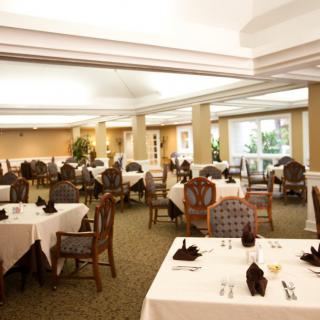
 Dining room
 Fully furnished
 Garden
 Housekeeping services
 Indoor common areas
 Move-in coordination
 Outdoor common areas
 Private
 Private bathrooms
 Respite or short term stays offered
 Telephone
 Wi-Fi/high-speed internet available
 24-hour supervision
 Ambulatory care
 Assistance with bathing
 Assistance with dressing
 Assistance with transfers
 Diabetes diet
 Diabetic care
 High acuity care
 Incontinence care
 Meal preparation and service
 Medication management
 Special dietary restrictions
 Transportation arrangement (medical)
 Transportation to doctors appointments
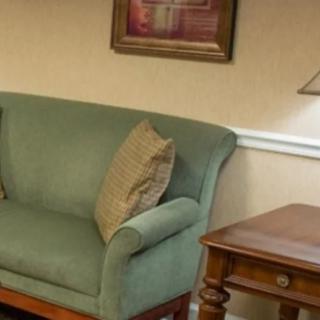
 Small 60-bed facility with round-the-clock care, attentive staff, and an on-site garden with activities.





 Social Security Benefits and Assisted Living: Navigating Options Across the U.S.
 An Extensive Exploration of the VA Aid and Attendance Benefit
 Senior Transition Services: Understanding Their Role, Cost, and Importance